Leucospermum ‘Veldfire’ (Pincushion)
Leucospermum ‘Veldfire’, also commonly known as Pincushion, is an exquisite flowering shrub that belongs to the Proteaceae family. The plant is renowned.
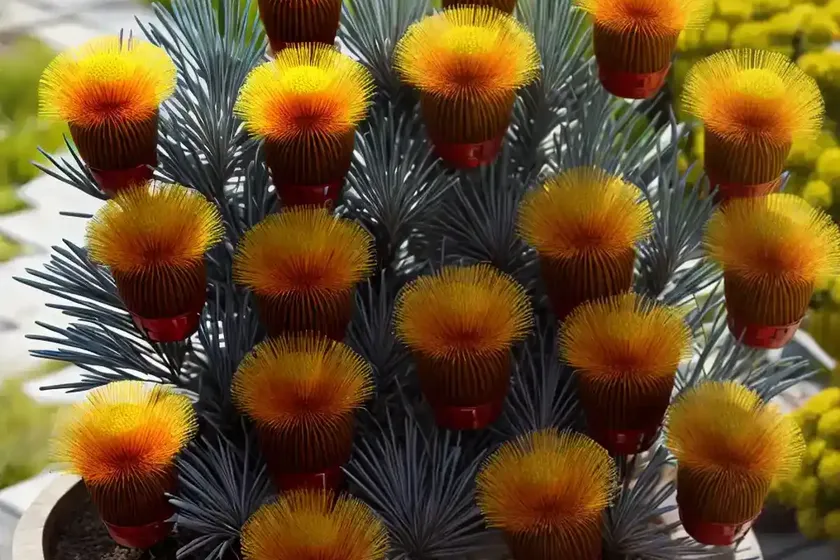
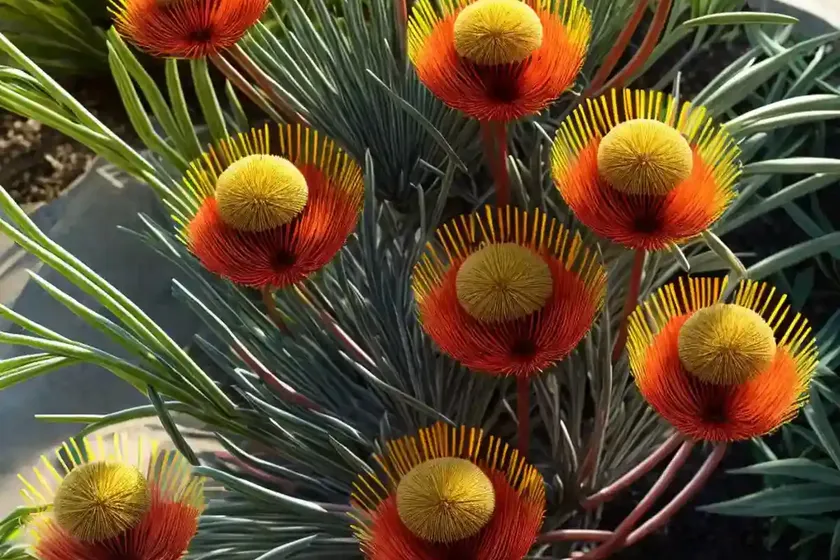
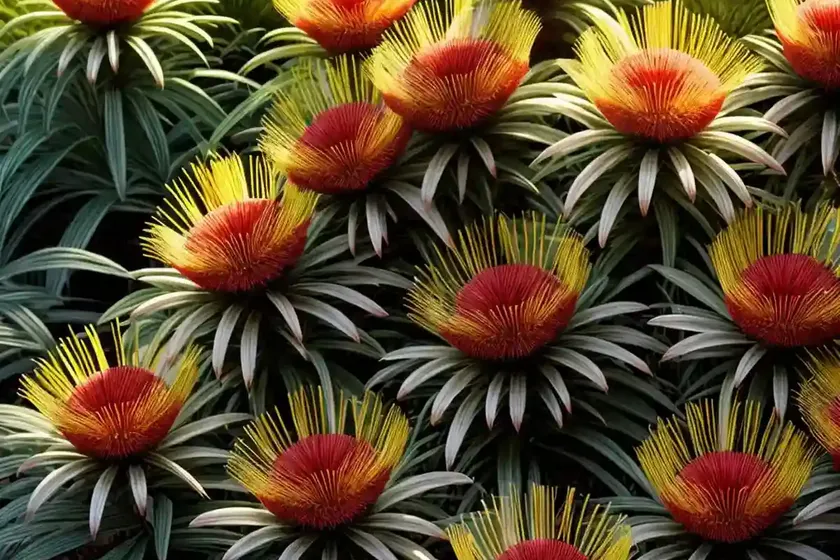
Leucospermum ‘Veldfire’, also commonly known as Pincushion, is an exquisite flowering shrub that belongs to the Proteaceae family. The plant is renowned for its stunning, pincushion-like blooms and is native to South Africa. Its unique appearance and vibrant colors make it a popular addition to gardens and landscapes. In this comprehensive guide, we will delve into the cultivation, care, and maintenance of Leucospermum ‘Veldfire’, providing valuable insights and essential tips for nurturing this beautiful plant.
What is Leucospermum ‘Veldfire’ (Pincushion)?
Leucospermum ‘Veldfire’, commonly known as Pincushion, is a flowering shrub that belongs to the Proteaceae family. Native to South Africa, it is characterized by its spectacular, globe-shaped flowers that resemble pincushions, hence its popular name. These vibrant blooms come in a range of colors, including shades of red, orange, and yellow, adding a vivid splash of color to any garden or landscape.
The plant’s distinctive appearance and its ability to attract pollinators make it a sought-after choice for many gardening enthusiasts. Its compact size and suitability for various climates further contribute to its popularity as a garden specimen.
Key Takeaways – Leucospermum ‘Veldfire’ (Pincushion)
Before delving into the specifics of care and maintenance, let’s explore the key takeaways associated with the cultivation of Leucospermum ‘Veldfire’ (Pincushion). This will provide an overview of the essential aspects of caring for this unique plant.
Culture
- Botanical Name: Leucospermum ‘Veldfire’
- Common Name: Pincushion
- Family: Proteaceae
- Native Habitat: South Africa
- Growth Habit: Evergreen shrub
- Flowering Season: Spring to early summer
- Hardiness Zones: 9-11
- Suitable for: Garden borders, containers
Uses
- Garden Ornamental: Displays stunning, colorful blooms
- Attracts Pollinators: Attracts bees, butterflies, and birds
- Cut Flowers: Suitable for floral arrangements
Water
- Watering Requirements: Moderate to low water needs
- Drought Tolerance: Exhibits good tolerance to drought conditions
- Avoid Overwatering: Soil should be well-draining to prevent waterlogging
Sunlight
- Sun Exposure: Requires full sun
- Ensure Adequate Light: Position in a location with at least 6-8 hours of sunlight daily
Fertilizer
- Nutrient Requirements: Prefers a low-phosphorus, well-balanced fertilizer
- Frequency: Fertilize during the growing season, typically in early spring
Soil
- Soil Type: Well-draining, acidic to slightly acidic soil
- Soil Moisture: Avoid waterlogged conditions
- Soil pH: 5.5-6.5
Pruning
- Pruning Schedule: Prune after flowering to promote bushy growth and maintain shape
- Remove Spent Blooms: Deadhead regularly to encourage continuous flowering
Propagation
- Propagation Methods: Cuttings, seeds
- Suitable Time: Best propagated from cuttings in spring
Container Popularity
- Container Gardening: Suitable for container cultivation
- Use Well-Draining Pots: Ensure planters have adequate drainage holes
Common Diseases
- Vulnerabilities: Susceptible to root rot if overwatered
- Fungal Diseases: Watch for signs of powdery mildew and take preventive measures
Disease Diagnosis
- Identifying Symptoms: Wilting, yellowing leaves, and stunted growth
- Early Detection: Regular inspection and prompt treatment
Common Pests
- Potential Pests: Watch for aphids, scale insects, and spider mites
- Natural Predators: Encourage natural predators such as ladybugs and lacewings
Botanist’s Tips
- Winter Protection: Provide protection in cooler climates
- Mulching: Apply a layer of mulch to conserve moisture and suppress weeds
Fun Facts
- The flowers of Leucospermum ‘Veldfire’ are not only visually appealing but also serve as a valuable nectar source for pollinators.
Now that we have outlined the key aspects of nurturing Leucospermum ‘Veldfire’, we will delve into each of these elements in greater detail, providing a comprehensive care guide for this captivating plant.
Leucospermum ‘Veldfire’ (Pincushion) Care Guide
Growing Conditions
Sunlight
Leucospermum ‘Veldfire’ thrives in full sun, requiring a minimum of 6-8 hours of direct sunlight per day. When selecting a planting location, ensure that it receives ample sunlight throughout the day to promote healthy growth and prolific flowering.
Soil
The plant prefers well-draining, acidic to slightly acidic soil with a pH range of 5.5-6.5. It is crucial to avoid waterlogged conditions, as overly moist soil can lead to root rot. Amending the soil with organic matter can enhance its drainage and moisture retention capabilities, creating an optimal growing environment for the plant.
Watering Requirements
Proper watering is essential for the well-being of Leucospermum ‘Veldfire’. While it exhibits moderate to low water needs once established, it is important to provide regular irrigation, particularly during the growing season. However, it is crucial to avoid overwatering, as this can lead to root rot and other issues. In regions with wet winters, it is advisable to ensure that the soil is well-draining to prevent waterlogging.
Fertilization
When it comes to fertilizing Leucospermum ‘Veldfire’, it is best to use a low-phosphorus, well-balanced fertilizer. Applying fertilizer during the growing season, typically in early spring, can provide the necessary nutrients to support healthy growth and vibrant flowering. It is important to avoid excessive fertilization, as this can lead to nutrient imbalances and adversely affect the plant’s health.
Pruning
Pruning plays a crucial role in promoting the overall health and aesthetic appeal of Leucospermum ‘Veldfire’. After the flowering period, it is advisable to prune the plant to encourage bushy growth and maintain its desired shape. Additionally, regularly removing spent blooms through deadheading can stimulate continuous flowering and prevent the plant from expending energy on seed production.
Propagation
Leucospermum ‘Veldfire’ can be propagated through both cuttings and seeds. While propagation from seeds is possible, it is more commonly propagated from cuttings, particularly in spring when the plant is actively growing. By taking semi-hardwood cuttings and providing them with the appropriate care, successful propagation can be achieved, allowing for the expansion of plantings or the sharing of this stunning species with others.
Container Gardening
For those with limited garden space or those seeking to showcase Leucospermum ‘Veldfire’ on a patio or balcony, container gardening offers a viable option. When cultivating the plant in containers, it is essential to select pots with adequate drainage holes to prevent waterlogging. Employing a well-draining potting mix and providing proper sunlight can facilitate the successful growth of Leucospermum ‘Veldfire’ in a container environment.
Common Diseases and Pests
Leucospermum ‘Veldfire’ is susceptible to certain diseases and pests, necessitating vigilance and appropriate measures to maintain its health and vitality.
Disease Management
One of the primary concerns for the plant is the potential for fungal diseases, such as powdery mildew, particularly in conditions with high humidity. To mitigate the risk of fungal infections, it is advisable to ensure proper air circulation around the plant and to avoid overhead watering, which can promote moisture retention on the foliage. Additionally, promptly addressing any signs of fungal disease and employing suitable fungicidal treatments can help safeguard the plant against these issues.
Pest Control
While Leucospermum ‘Veldfire’ is generally resistant to many pests, including deer, there are some common pests that can pose a threat to its well-being. Aphids, scale insects, and spider mites are among the potential pests that may target the plant. Implementing natural pest control methods, such as encouraging beneficial insects like ladybugs and lacewings, can help manage pest populations and minimize the need for chemical interventions.
Botanist’s Tips
Winter Care
In regions with cooler climates, it is important to provide adequate protection for Leucospermum ‘Veldfire’ during the winter months. This may involve mulching around the plant to insulate the roots and offering shelter from harsh weather conditions. By taking proactive measures to safeguard the plant during the winter, its vitality can be preserved, ensuring a robust return when the growing season resumes.
Mulching
Applying a layer of mulch around the base of the plant can confer several benefits. Mulch helps conserve soil moisture, suppresses weed growth, and insulates the roots from temperature fluctuations. Additionally, organic mulch gradually decomposes, enriching the soil with valuable nutrients and organic matter—a boon to the overall health of Leucospermum ‘Veldfire’.
Fun Facts
- Leucospermum ‘Veldfire’ attracts an array of pollinators, including bees, butterflies, and birds, due to the nectar-rich flowers it produces. This plant’s contribution to local ecosystems is an important consideration for gardeners seeking to support biodiversity within their gardens.
With a clear understanding of the cultural requirements, care practices, and unique attributes of Leucospermum ‘Veldfire’, gardening enthusiasts can confidently cultivate and nurture this striking pincushion plant.
Links to External Resources
For additional information on Leucospermum ‘Veldfire’ (Pincushion) and related topics, the following resources offer valuable insights and in-depth knowledge:
- Royal Horticultural Society – Growing Proteas
- University of California Agriculture and Natural Resources – Protea Crops: An Overview
- Australian National Botanic Gardens – Growing Proteas
- Gardening Know How – Planting And Caring For Pincushion Flowers
- Garden Design – Tips for Growing Pincushion Flowers
- South African National Biodiversity Institute – Leucospermum Information
By accessing these resources, enthusiasts can expand their knowledge and gain further insights into the cultivation and care of Leucospermum ‘Veldfire’, enhancing their ability to foster healthy, thriving specimens.
In conclusion, Leucospermum ‘Veldfire’ (Pincushion) stands as a captivating and valuable addition to gardens and landscapes, offering a visually stunning display of vibrant blooms and contributing to the ecological diversity of its surroundings. By adhering to the appropriate cultural practices, caring for its specific requirements, and remaining attentive to its health and well-being, gardeners can celebrate the beauty and resilience of this remarkable plant, ensuring its continued vitality and enchanting appeal.
Plant Name: “Leucospermum ‘Veldfire’ (Pincushion)”


