Leucospermum ‘Rigoletto’ (Pincushion)
Leucospermum ‘Rigoletto’, commonly known as Pincushion, is a stunning flowering plant that belongs to the Proteaceae family. Native to South Africa.
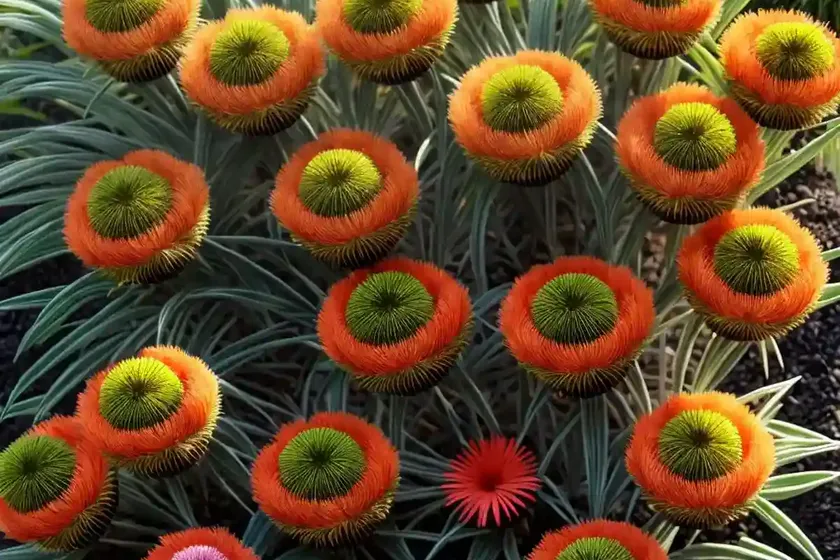
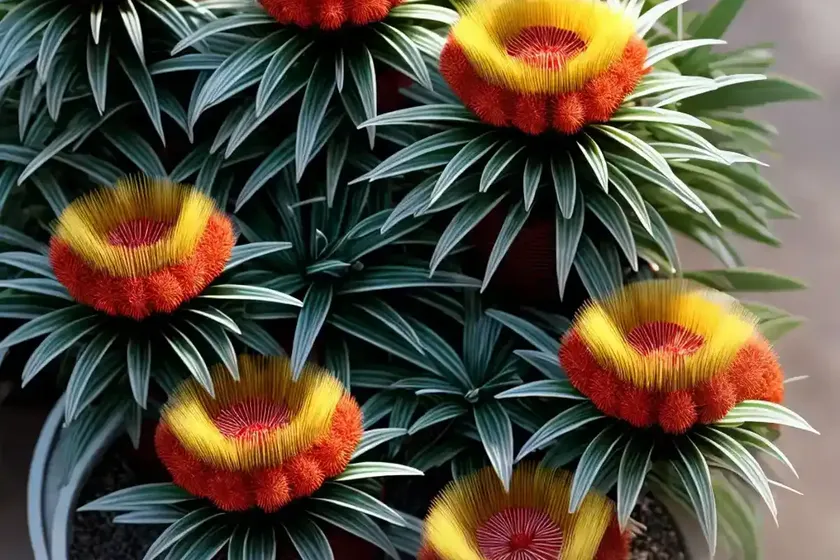
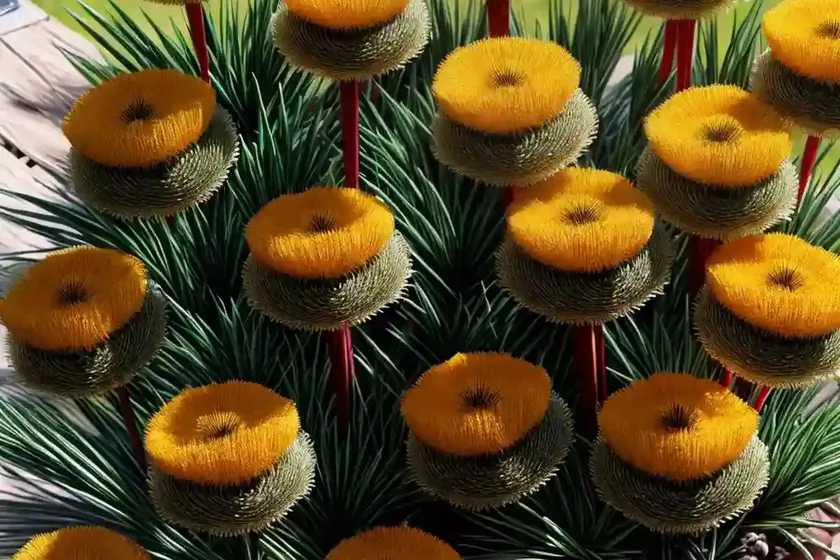
Leucospermum ‘Rigoletto’, commonly known as Pincushion, is a stunning flowering plant that belongs to the Proteaceae family. Native to South Africa, Leucospermum ‘Rigoletto’ is highly valued for its striking, pincushion-like inflorescences and vibrant foliage. As a plant scientist, I’m excited to provide a comprehensive care guide for this captivating species, covering its cultural requirements, uses, propagation, common issues, and more.
What is Leucospermum ‘Rigoletto’ (Pincushion)?
Leucospermum ‘Rigoletto’ is a part of the Leucospermum genus, and it is renowned for its visually appealing floral display and evergreen foliage. This specific cultivar is prized for its compact, upright growth habit and remarkable flower clusters that emerge in various shades, spanning from deep orange and red to golden yellow.
The botanical name, Leucospermum, is derived from the Greek words “leukos,” meaning white, and “sperma,” meaning seed, which refers to the white or pale-colored seeds produced by the plants in this genus. The common name “Pincushion” alludes to the distinctive appearance of the flowers, which resemble the pins placed in a pincushion.
Leucospermum ‘Rigoletto’ is a showstopper in gardens and landscapes, attracting pollinators like bees and birds with its nectar-rich blooms. Its exceptional ornamental qualities make it a coveted choice for both amateur and experienced gardeners who seek to elevate the visual allure of their outdoor spaces.
Now, let’s dive into the key takeaways and essential care tips for Leucospermum ‘Rigoletto’, covering its cultural requirements, uses, propagation, common issues, and more.
Key Takeaways – Leucospermum ‘Rigoletto’ (Pincushion)
Cultural Requirements
Water
- Moderate Watering: Leucospermum ‘Rigoletto’ thrives in well-draining soil and appreciates regular, moderate watering. It is crucial to keep the soil evenly moist, especially during the flowering and growth periods.
- Avoid Waterlogged Conditions: While it requires consistent moisture, it is essential to prevent waterlogging, as prolonged water accumulation can lead to root rot and other detrimental conditions.
Sunlight
- Full Sun Exposure: Provide ample sunlight exposure to Leucospermum ‘Rigoletto’ for optimal growth and prolific blooming. Aim for at least 6-8 hours of direct sunlight per day to promote robust flowering and vibrant foliage.
Fertilizer
- Balanced Fertilization: Use a balanced, slow-release fertilizer formulated for flowering shrubs to support the plant’s nutrient needs. Apply the fertilizer according to the manufacturer’s instructions, typically in the early spring or just before the blooming season.
Soil
- Well-Draining Soil: Plant Leucospermum ‘Rigoletto’ in well-draining, acidic to slightly acidic soil, preferably with a pH range of 5.5 to 6.5. Incorporate organic matter into the soil to enhance its texture and fertility, promoting healthy root development.
Uses
- Ornamental Display: Leucospermum ‘Rigoletto’ serves as a captivating ornamental plant in gardens, borders, and mixed perennial beds, adding a burst of color and texture with its unique flower clusters and evergreen foliage.
- Cut Flower Production: The striking inflorescences of Leucospermum ‘Rigoletto’ make it an excellent choice for cut flower arrangements, bringing its vibrant hues and intricate blooms indoors for decorative purposes.
Pruning
- Minimal Pruning: Prune Leucospermum ‘Rigoletto’ sparingly, focusing on the removal of faded flowers or dead foliage. Avoid extensive pruning during the active growing season to preserve the plant’s natural form and encourage robust flowering in the following seasons.
Propagation
- Seed Propagation: Leucospermum ‘Rigoletto’ can be propagated from seeds, although this method may require patience and specific environmental conditions to achieve successful germination and establishment.
Container Popularity
- Container Gardening: Leucospermum ‘Rigoletto’ can thrive in containers or large pots, allowing gardeners with limited outdoor space to enjoy its stunning blooms and lush foliage on patios, balconies, or other confined areas.
Common Diseases
- Phytophthora Root Rot: This plant is susceptible to phytophthora root rot, a soil-borne disease that can cause wilting, discoloration, and root decay. Ensure proper soil drainage and avoid overwatering to minimize the risk of this disease.
Common Pests
- Aphids and Spider Mites: Keep an eye out for aphids and spider mites, as these common pests may affect Leucospermum ‘Rigoletto’. Regular inspections and mild insecticidal treatments can help manage pest infestations.
With an overview of the key takeaways and cultivation tips, let’s delve deeper into the various aspects of nurturing Leucospermum ‘Rigoletto’, ranging from its preferred environmental conditions to propagation techniques and common issues that may arise.
Leucospermum ‘Rigoletto’ (Pincushion) Care Guide
In this comprehensive care guide, we will explore the specifics of Leucospermum ‘Rigoletto’ care, addressing its growth habits, propagation methods, pest and disease management, and more. By understanding the unique requirements of this fascinating plant, you can confidently cultivate and showcase its exceptional beauty in your garden or landscape.
1. Leucospermum Rigoletto Characteristics
Leucospermum ‘Rigoletto’ is celebrated for its distinct characteristics, encompassing its overall appearance, floral traits, and growth habits:
Appearance
- Compact Growth: This cultivar typically exhibits a compact, upright growth habit, reaching a mature height and spread of around 4-6 feet.
- Dense Foliage: The evergreen foliage of Leucospermum ‘Rigoletto’ features narrow, lance-shaped leaves with a bold, leathery texture, imparting a lush and vibrant backdrop to the striking flowers.
Floral Traits
- Pincushion-Like Inflorescences: The hallmark of this plant is its pincushion-like inflorescences, comprised of numerous small floral tubes densely packed together to form eye-catching, spherical clusters.
- Vibrant Coloration: The flower heads of Leucospermum ‘Rigoletto’ display a stunning array of colors, ranging from deep crimson and orange to gold and yellow, creating a visually stunning spectacle in the garden.
Growth Habits
- **Leucospermum ‘Rigoletto’ is a resilient, evergreen shrub that blooms prolifically, attracting pollinators and enlivening outdoor spaces with its vibrant colors and intricate floral display.
2. Growing Leucospermum Rigoletto
To successfully grow and nurture Leucospermum ‘Rigoletto’, it is essential to provide the ideal environmental conditions and care practices that support its vitality and blooming potential. Here are the fundamental considerations for cultivating this captivating plant:
Sunlight Requirements
Leucospermum ‘Rigoletto’ thrives in full sun exposure, requiring at least 6-8 hours of direct sunlight each day to promote robust flowering and overall vigor. When selecting a planting location, prioritize areas with ample sunlight and minimal shading to optimize the plant’s growth and floral display.
Watering Tips
- Moderate Watering: Establish a consistent watering routine for Leucospermum ‘Rigoletto’, ensuring that the soil remains evenly moist without becoming waterlogged. Particularly during the active growing and blooming periods, monitor the moisture levels and adjust the watering frequency as needed to sustain the plant’s hydration requirements.
Soil Preferences
- Well-Draining Soil: Plant Leucospermum ‘Rigoletto’ in well-draining soil with a slightly acidic to acidic pH level ranging from 5.5 to 6.5. Prior to planting, amend the soil with organic matter to enhance its texture and fertility, promoting optimal root development and overall plant health.
Fertilization Methods
- Balanced Fertilizer: Apply a balanced, slow-release fertilizer designed for flowering shrubs to provide essential nutrients to Leucospermum ‘Rigoletto’. Administer the fertilizer in the early spring or before the blooming season, following the recommended application rates and guidelines specified by the product.
Sun and Shade Requirements
- Full Sun Exposure: Leucospermum ‘Rigoletto’ flourishes in locations with full sunlight exposure, enabling it to thrive and produce abundant, vibrant blooms. Ensure that the plant receives sufficient sunlight throughout the day to support its photosynthetic processes and flowering capacity.
3. Leucospermum Rigoletto Pruning Guide
Pruning plays a vital role in maintaining the health, aesthetics, and flowering performance of Leucospermum ‘Rigoletto’. By employing appropriate pruning techniques, you can promote a tidy growth habit and encourage prolific blooming in subsequent seasons. Here’s a practical pruning guide tailored to the specific requirements of this remarkable plant:
Pruning Frequency
- Minimal Pruning: As a general rule, limit pruning activities on Leucospermum ‘Rigoletto’ to the removal of spent flowers, withered foliage, or any damaged or diseased plant parts. Minimize extensive pruning during the active growing season, as it may affect the plant’s potential to set flower buds and thrive.
Pruning Techniques
- Deadheading Spent Blooms: Periodically remove faded or spent blooms from Leucospermum ‘Rigoletto’ to enhance its visual appeal and channel the plant’s energy towards new growth and subsequent blooming cycles.
- Minimal Shaping: Refrain from extensive shaping or shearing of the plant, as it may compromise its natural form and inhibit the development of flower buds.
4. How to Propagate Leucospermum Rigoletto
Propagation presents an opportunity to expand your collection of Leucospermum ‘Rigoletto’ through the generation of new plants. While this process may require patience and careful attention to environmental factors, successful propagation can yield rewarding outcomes. Here are the key methods for propagating Leucospermum ‘Rigoletto’:
Seed Propagation
-
Seed Collection: Gather mature seeds from the plant when the seed heads have dried and opened, indicating that the seeds are ready for collection.
-
Seed Sowing: Sow the collected seeds in a well-draining propagation mix, ensuring that they are placed at a shallow depth and covered lightly with the growing medium.
-
Germination Conditions: Provide consistent moisture and warmth to the seed trays or pots to facilitate germination, maintaining a favorable environment for seedling development.
-
Transplanting Seedlings: Once the seedlings have developed a robust root system and multiple sets of true leaves, carefully transplant them into individual containers or prepared garden beds, acclimating them to the outdoor conditions gradually.
5. Best Soil for Leucospermum Rigoletto
The selection of suitable soil for Leucospermum ‘Rigoletto’ is instrumental in fostering its growth, root development, and overall well-being. By catering to the plant’s soil preferences, you can provide an optimal foundation for its establishment and flourishing. Here are the soil attributes that align with the plant’s requirements:
Soil Type
- Well-Draining Texture: Prioritize well-draining soil that facilitates the efficient percolation of water, preventing waterlogging and subsequent root issues.
- Slightly Acidic pH: Aim for a soil pH level ranging from 5.5 to 6.5, creating a slightly acidic to acidic environment that supports nutrient availability and root uptake.
Soil Amendment Tips
-
Incorporate Organic Matter: Enhance the soil’s fertility and structure by incorporating organic matter such as compost, peat moss, or well-rotted manure into the planting area. This organic amendment enriches the soil, promoting optimal root growth and nutrient retention.
-
Mulching Benefits: Apply a layer of organic mulch around the base of Leucospermum ‘Rigoletto’ to conserve soil moisture, regulate temperature, and suppress weed growth. The mulch also contributes organic matter to the soil as it decomposes, enriching the planting environment over time.
6. Watering Tips for Leucospermum Rigoletto
Watering serves as a critical aspect of care for Leucospermum ‘Rigoletto’, directly influencing its hydration, nutrient uptake, and overall vitality. By implementing appropriate watering practices, you can support the plant’s health and ensure its resilience in various environmental conditions. Here are practical watering tips to guide your approach:
Moisture Monitoring
-
Even Moisture Levels: Endeavor to maintain even moisture levels in the soil surrounding Leucospermum ‘Rigoletto’, preventing it from drying out completely between watering sessions.
-
Avoid Waterlogging: Exercise caution to prevent waterlogging, as excessive moisture around the roots can lead to adverse effects like root rot and diminished oxygen availability.
Watering Schedule
-
Seasonal Adjustments: Adjust the frequency of watering based on the plant’s specific needs, with more frequent watering during the active growing and blooming periods and reduced moisture requirements during the winter dormancy.
-
Hydration Observation: Monitor the plant’s response to watering, ensuring that it receives adequate moisture without exhibiting signs of excess water accumulation or drought stress.
7. Leucospermum Rigoletto Fertilization Methods
Proper fertilization practices are instrumental in sustaining the vigor and blooming potential of Leucospermum ‘Rigoletto’, providing essential nutrients that support its growth and flowering processes. By adhering to suitable fertilization methods, you can optimize the plant’s nutrient intake and foster its overall health. Here are the fundamental guidelines for fertilizing Leucospermum ‘Rigoletto’:
Fertilizer Selection
-
Balanced Formulation: Utilize a balanced, slow-release fertilizer specifically formulated for flowering shrubs, supplying a blend of essential nutrients without excessively promoting vegetative growth at the expense of flowering.
-
Nutrient Composition: Look for a fertilizer with a balanced N-P-K ratio, encompassing nitrogen (N), phosphorus (P), and potassium (K), alongside micronutrients that contribute to the plant’s overall well-being.
Application Timing
- Pre-Blooming Fertilization: Apply the fertilizer just before the blooming season or during the early spring, providing the plant with a nutrient boost as it prepares to initiate flowering and sustained growth.
Application Guidelines
-
Even Distribution: Evenly disperse the fertilizer around the base of Leucospermum ‘Rigoletto’, avoiding direct contact with the stems or foliage to prevent potential burn or damage.
-
Follow Manufacturer’s Instructions: Adhere to the recommended application rates and guidelines provided by the fertilizer manufacturer, ensuring that the product is administered in accordance with the specified instructions.
8. Rigoletto Pincushion Plant Varieties
Leucospermum ‘Rigoletto’ is part of the broader Pincushion plant varieties, which encompass a diverse array of Leucospermum cultivars, each exhibiting unique characteristics and flower traits. Here are some noteworthy varieties within the Pincushion plant group that offer a captivating display of colors and forms:
Leucospermum ‘Veldfire’
-
Floral Display: This variety showcases vibrant, fiery-red flower clusters that captivate the eye with their bold, intense coloration and distinctive pincushion-like appearance.
-
Foliage: The dense, evergreen foliage of ‘Veldfire’ complements the striking blooms, providing a verdant backdrop to the eye-catching flower heads.
Leucospermum ‘Yellow Bird’
-
Color Palette: ‘Yellow Bird’ boasts an exquisite display of golden-yellow flower heads, imparting a bright and radiant ambiance to garden settings and floral arrangements.
-
Growth Habit: With its compact growth habit and prolific flowering, ‘Yellow Bird’ serves as a charming addition to gardens and landscape compositions.
These are just a few examples of the diverse Pincushion plant varieties within the Leucospermum genus, each contributing a unique aesthetic and cultural appeal to horticultural settings.
9. Rigoletto Pincushion Plant Diseases
While Leucospermum ‘Rigoletto’ is generally resilient, it may be susceptible to certain diseases and health issues that warrant proactive management and preventive measures. Understanding the potential diseases that may affect the plant empowers you to implement strategies for disease prevention and intervention as needed. Here are details about the common diseases that may impact Leucospermum ‘Rigoletto’:
Phytophthora Root Rot
-
Etiology: Phytophthora root rot is caused by soil-borne pathogens from the Phytophthora genus, leading to root decay, wilting, and reduced overall plant vigor.
-
Preventive Measures: Ensure well-draining soil and avoid overwatering to minimize the risk of phytophthora root rot, fostering a conducive environment for healthy root development and disease resistance.
-
Early Detection: Monitor the plant for symptoms of root rot, such as wilting, yellowing foliage, or root discoloration, and take prompt action if signs of the disease manifest.
10. Leucospermum Rigoletto Pests and Control
In addition to diseases, Leucospermum ‘Rigoletto’ may encounter pest-related challenges that require vigilant monitoring and targeted control measures to maintain the plant’s health and aesthetics. By proactively addressing pest issues, you can safeguard the plant from potential damage and disruptions. Here are details about common pests that may affect Leucospermum ‘Rigoletto’ and corresponding pest management strategies:
Aphids
-
Identification: Aphids are small, soft-bodied insects that may cluster on the underside of leaves, feeding on the plant’s sap and excreting honeydew.
-
Management: Use a gentle stream of water to dislodge aphids from the foliage, and apply insecticidal soap or neem oil as a natural, non-toxic control measure to manage aphid populations.
Spider Mites
-
Signs of Infestation: Spider mites may cause stippling, webbing, and overall decline in the plant’s vigor, indicating their presence and adverse impact on the plant.
-
Control Measures: Employ predatory mites, horticultural oil, or insecticidal soap to address spider mite infestations, targeting both adult mites and their eggs for effective control.
By staying attentive to pest presence and implementing appropriate control strategies, you can mitigate potential pest-related threats and sustain the health of Leucospermum ‘Rigoletto’.
11. Rigoletto Pincushion Plant Flowering Season
Leucospermum ‘Rigoletto’ captivates with its vibrant flowering season, showcasing a captivating profusion of intricately structured flower heads that infuse the landscape with vivid hues and


