Grevillea ‘Moonlight’)
Grevillea ‘Moonlight’ is a striking and versatile plant that has become increasingly popular among gardeners. With its unique foliage pattern and striking.
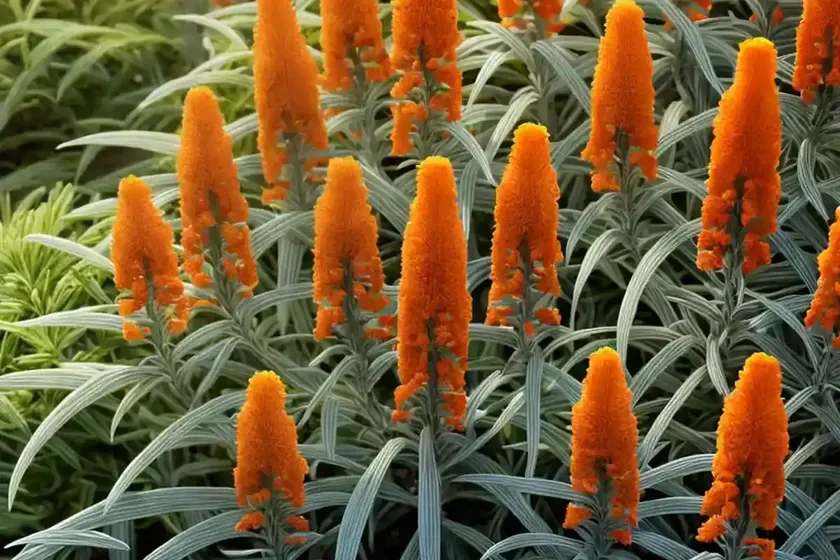
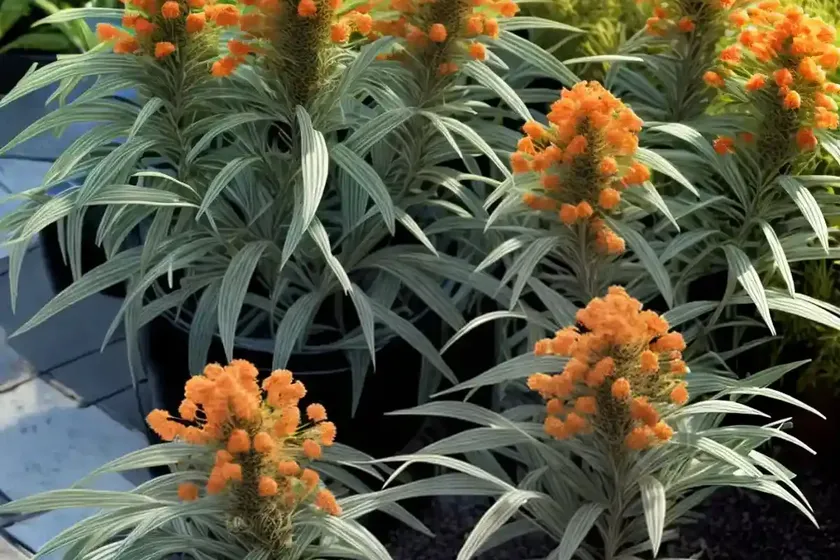
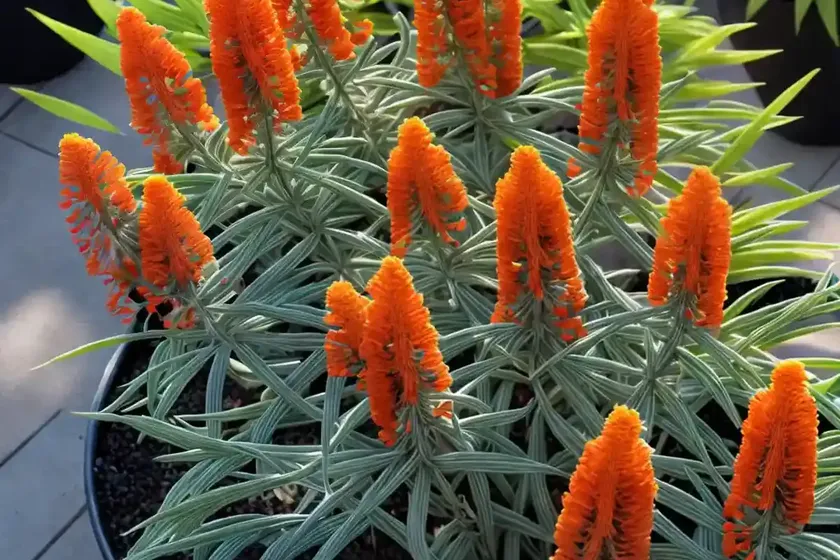
Grevillea ‘Moonlight’ is a striking and versatile plant that has become increasingly popular among gardeners. With its unique foliage pattern and striking flowers, it serves as an excellent focal point in any garden or landscape design. This comprehensive guide will provide you with all the essential information you need to care for and appreciate the beauty of Grevillea ‘Moonlight’.
What is Grevillea ‘Moonlight’?
Plant Classification
Scientific Name: Grevillea ‘Moonlight’
Family: Proteaceae
Genus: Grevillea
Species: ‘Moonlight’
Characteristics
Grevillea ‘Moonlight’ is a hybrid variety that is known for its stunning, deeply-lobed, silver-green foliage and its exquisite, spider-like flowers. The plant typically forms a sprawling shrub that can reach a height and spread of up to 2-3 meters. The flowers, which are primarily cream in color, often carry a delicate fragrance and are attractive to birds and bees.
Bloom Time
The Grevillea ‘Moonlight’ typically blooms from spring to summer, adding a beautiful touch to the garden with its vibrant flowers.
Key Takeaways
Before delving into the specific care aspects of Grevillea ‘Moonlight’, let’s highlight some key takeaways regarding this plant.
- Grevillea ‘Moonlight’ is a hybrid plant known for its unique, deeply-lobed, silver-green foliage and beautiful, spider-like flowers.
- This versatile plant can serve as a focal point in garden landscapes and is particularly attractive to birds and bees.
- It typically blooms from spring to summer, gracing the garden with its cream-colored, fragrant flowers.
Now, let’s explore the various aspects of caring for Grevillea ‘Moonlight’, including its cultural requirements, cultivation uses, and maintenance tips.
Culture
In order to cultivate a thriving Grevillea ‘Moonlight’, it is essential to understand its cultural requirements, including water, sunlight, soil, and fertilizer needs.
Water
Grevillea ‘Moonlight’ is classified as a drought-tolerant plant once established. During the establishment phase, it is crucial to provide regular irrigation to help the plant develop a robust root system. Once established, the plant can thrive with minimal supplemental watering, making it an excellent choice for water-wise gardens.
Sunlight
This plant thrives in full sun to part shade conditions. It is essential to provide adequate sunlight to ensure healthy growth and prolific flowering. However, in particularly hot and arid regions, providing some afternoon shade can be beneficial to prevent stress on the plant.
Fertilizer
Grevillea ‘Moonlight’ does not have high fertilizer demands. In fact, excessive feeding can lead to an imbalance in its nutrient uptake and affect its overall health. A slow-release, low-phosphorus fertilizer applied in spring can provide the necessary nutrients to support its growth and flowering.
Soil
Well-draining soil is essential for Grevillea ‘Moonlight’. It thrives in a wide range of soil types, including sandy, loamy, or clay soils, as long as they offer good drainage. Prior to planting, amending the soil with organic matter can help improve its structure and drainage capacity.
Pruning
Regular pruning is essential to maintain the health and appearance of Grevillea ‘Moonlight’. Pruning should primarily focus on removing dead or damaged growth and shaping the plant to maintain a desirable form. Lightly pruning after the flowering period can help promote bushier growth and encourage a more prolific bloom in the following season.
Propagation
Grevillea ‘Moonlight’ can be propagated from seeds or cuttings. Seeds can be collected from mature fruits and planted in a well-draining seed-raising mix. Cuttings taken from semi-hardwood can also be used for propagation, with rooting hormone applied to encourage successful establishment.
Container Popularity
Grevillea ‘Moonlight’ is a popular choice for container gardening, particularly in regions where the climate may not be conducive to its outdoor cultivation. When planted in containers, it is important to ensure the provision of well-draining potting mix and adequate sunlight to support healthy growth.
Common Diseases
While Grevillea ‘Moonlight’ is generally resilient to diseases, it may be susceptible to certain fungal infections in overly wet conditions. Ensuring proper soil drainage and avoiding excessive moisture around the plant can help prevent these diseases.
Disease Diagnosis
Common diseases that may affect Grevillea ‘Moonlight’ include:
– Root Rot: Typically caused by waterlogging and poor soil drainage.
– Leaf Spot: Fungal infections that manifest as dark spots on the leaves.
Common Pests
Grevillea ‘Moonlight’ may occasionally encounter pests that can affect its health and appearance. Regular monitoring and prompt intervention can help prevent pest infestations.
Botanist’s Tips
- Observing the plant closely can help identify potential issues early and address them effectively.
- Avoid overwatering, particularly in clay soils, to prevent the onset of root rot.
Fun Facts
- Grevillea ‘Moonlight’ is a popular choice for attracting wildlife, including birds and bees, to the garden.
- The unique foliage pattern of ‘Moonlight’ adds an attractive aesthetic to garden landscapes.
For further information and reading, you can explore more details about Grevillea ‘Moonlight’ in the following external resources:
- Grevillea Moonlight Review – ExampleLink1
- Grevillea Moonlight Care Guide – ExampleLink2
- Grevillea Moonlight Plant Profile – ExampleLink3
This comprehensive care guide provides unparalleled insights into the unique care needs and features of Grevillea ‘Moonlight’. By following the recommended cultivation practices and maintenance tips, you can ensure the continued health and beauty of this exceptional plant in your garden or landscape.
As with any aspect of gardening and plant care, it is important to observe and adapt to the specific conditions in your local environment. This guide serves as a foundational resource to support your successful cultivation of Grevillea ‘Moonlight’ while also enriching your understanding of this remarkable plant.


