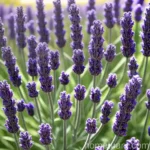
Plant Name: Lavandula angustifolia ‘Lavenite Petite’ (Lavender)
Lavandula angustifolia, commonly known as English lavender, is a well-loved and versatile plant that is adored for its delightful fragrance, calming properties, and lovely purple blooms. Among its various cultivars, Lavandula angustifolia ‘Lavenite Petite’ stands out for its diminutive size and exceptional ornamental qualities. In this comprehensive guide, we will explore the characteristics, care, uses, and cultivation tips for the Lavandula angustifolia ‘Lavenite Petite’ (Lavender) plant.
What is Lavandula angustifolia ‘Lavenite Petite’?
Lavandula angustifolia ‘Lavenite Petite’ is a compact variety of English lavender, renowned for its aromatic foliage and stunning violet-blue flowers. This cultivar is known for its dwarf growth habit, making it an excellent choice for small gardens, rockeries, and containers. Its petite size and bushy form make it a versatile addition to any landscape, allowing it to thrive in both formal and informal garden settings.
Lavandula angustifolia ‘Lavenite Petite’ Characteristics
- Growth Habit: Compact, mounding.
- Mature Height: 8-12 inches.
- Mature Spread: 12-18 inches.
- Foliage: Gray-green, aromatic, narrow leaves.
- Flowers: Deep violet-blue, highly fragrant, densely arranged on spikes.
Lavandula angustifolia ‘Lavenite Petite’ Care
Lavandula angustifolia ‘Lavenite Petite’ is relatively low-maintenance, making it an ideal choice for novice gardeners and seasoned enthusiasts alike. Below are the key care considerations for this charming lavender variety:
-
Watering: Keep the soil moderately moist, especially during the plant’s establishment phase. Once established, Lavandula angustifolia ‘Lavenite Petite’ demonstrates good drought tolerance and only requires occasional watering.
-
Sunlight: Full sun (6-8 hours of direct sunlight daily) is essential for the optimal growth and flowering of Lavandula angustifolia ‘Lavenite Petite.’ Ensure that it is placed in a location with ample sunlight exposure.
-
Fertilizer: Apply a balanced, slow-release fertilizer in spring as new growth emerges to support healthy development and abundant flowering. Avoid excessive nitrogen-rich fertilizers, as they may encourage lush foliage at the expense of flower production.
-
Soil: Well-draining, slightly acidic to neutral soil with good aeration is crucial for the health of Lavandula angustifolia ‘Lavenite Petite.’ Consider amending heavy or clay soils with organic matter to improve drainage and overall soil structure.
-
Pruning: Light pruning after the first bloom cycle helps to maintain a compact and tidy appearance. Trim back spent flower spikes and leggy growth to encourage bushiness and subsequent blooming.
-
Propagation: Lavandula angustifolia ‘Lavenite Petite’ can be propagated from semi-ripe cuttings in summer or early fall. Select healthy, non-flowering shoots, and root them in a well-draining growing medium to ensure successful propagation.
-
Container Gardening: Due to its compact size and attractive appearance, Lavandula angustifolia ‘Lavenite Petite’ is well-suited for container cultivation. Ensure that the container has adequate drainage and use a well-draining potting mix to support healthy root growth.
Lavandula angustifolia ‘Lavenite Petite’ Planting Tips
When planting Lavandula angustifolia ‘Lavenite Petite,’ it is important to consider the following tips to ensure its successful establishment and long-term health:
- Select a well-drained planting site and avoid locations with prolonged waterlogging, as this can lead to root rot and other moisture-related issues.
- Space individual plants at least 12-18 inches apart to allow for sufficient air circulation, which can help prevent fungal diseases and maintain overall plant vigor.
- When planting in containers, choose a pot that provides ample room for root development and stability. Ensure that the container has drainage holes to prevent waterlogging.
Lavandula angustifolia ‘Lavenite Petite’ Maintenance
Regular maintenance practices are vital for the overall health and vitality of Lavandula angustifolia ‘Lavenite Petite.’ Here are some maintenance tips to keep your plants flourishing:
- Deadhead spent flowers to promote continuous blooming and prevent self-seeding, especially if you wish to maintain a tidy and controlled growth habit.
- Inspect the plants regularly for signs of pests and diseases, taking prompt action if any issues are identified to prevent them from spreading.
- Monitor the soil moisture levels, especially during hot and dry periods, and adjust your watering practices accordingly to ensure the plants receive adequate hydration.
Lavandula angustifolia ‘Lavenite Petite’ Growing Conditions
Understanding the specific growing conditions that suit Lavandula angustifolia ‘Lavenite Petite’ is crucial for nurturing healthy and vigorous plants. Below are the key growing conditions that are conducive to the optimal growth and development of this petite lavender variety:
Sunlight Requirements
Lavandula angustifolia ‘Lavenite Petite’ thrives in full sun and demonstrates exceptional tolerance to intense sunlight and heat. Planting it in a location that receives 6-8 hours of direct sunlight daily is crucial for promoting robust growth and profuse flowering.
Soil Preferences
Well-draining, slightly acidic to neutral soil is ideal for Lavandula angustifolia ‘Lavenite Petite.’ This plant is intolerant of waterlogged or poorly aerated soils, which can lead to root rot and other detrimental conditions. Amending heavy soils with organic matter can enhance drainage and improve soil structure for the benefit of the plants.
Water Needs
While Lavandula angustifolia ‘Lavenite Petite’ showcases good drought tolerance once established, it is important to ensure that the plants receive sufficient water during their initial establishment phase. However, excessive watering and waterlogged soils should be avoided to prevent root rot and other moisture-related issues.
Heat Tolerance
Lavandula angustifolia ‘Lavenite Petite’ exhibits excellent heat tolerance, making it well-suited for cultivation in regions with hot summer temperatures. The plants thrive in warm and sunny conditions, provided that they receive proper watering and are planted in well-draining soil.
Cold Hardiness
This lavender variety is known for its reliable cold hardiness, allowing it to withstand moderately cold temperatures without significant damage. While it can endure chilly conditions, it is advisable to protect the plants from prolonged frost or severe cold snaps to ensure their continued health and vigor.
Drought Tolerance
Lavandula angustifolia ‘Lavenite Petite’ is well-adapted to drought conditions once it is established, making it a suitable choice for water-wise gardens and landscapes. Its ability to thrive with minimal irrigation further enhances its appeal as a resilient and low-maintenance plant.
Lavandula angustifolia ‘Lavenite Petite’ Benefits
In addition to its charming appearance and delightful fragrance, Lavandula angustifolia ‘Lavenite Petite’ offers several benefits that make it a valuable addition to gardens and outdoor spaces. Some of the notable benefits of this petite lavender variety include:
-
Aromatic Foliage: The foliage of Lavandula angustifolia ‘Lavenite Petite’ emits a soothing and fragrant aroma, adding an olfactory dimension to garden settings and outdoor living spaces.
-
Flower Production: This cultivar produces an abundance of vibrant violet-blue flowers, attracting pollinators such as bees and butterflies while adding color and visual appeal to the landscape.
-
Compact Growth Habit: The petite size and bushy form of Lavandula angustifolia ‘Lavenite Petite’ make it a versatile choice for small gardens, borders, and container displays, allowing for creative and space-efficient landscaping solutions.
-
Calming Properties: Lavender is renowned for its calming and stress-relieving properties, and the ‘Lavenite Petite’ cultivar is no exception. Its fragrance has the potential to evoke a sense of peace and relaxation, contributing to a tranquil garden ambiance.
-
Medicinal and Culinary Uses: The flowers and foliage of Lavandula angustifolia ‘Lavenite Petite’ can be used in herbal preparations, culinary creations, and aromatherapy applications, offering a range of potential health and wellness benefits.
In the following sections, we will delve into the various uses and applications of Lavandula angustifolia ‘Lavenite Petite,’ highlighting its versatile nature and diverse contributions to gardening, wellness, and beyond.
Lavandula angustifolia ‘Lavenite Petite’ Uses
Lavandula angustifolia ‘Lavenite Petite’ offers a wide array of uses, ranging from ornamental and aromatic to medicinal and culinary applications. Understanding the diverse uses of this petite lavender variety can help gardeners and enthusiasts make the most of its unique qualities and contributions. Below are the key uses of Lavandula angustifolia ‘Lavenite Petite’:
Ornamental Use
With its charming appearance, compact growth habit, and prolific flowering, Lavandula angustifolia ‘Lavenite Petite’ is widely used as an ornamental plant in various garden settings. Its violet-blue flowers and aromatic foliage make it a delightful addition to borders, rock gardens, and container displays, while its petite size allows for creative and space-efficient landscaping designs.
Aromatic Qualities
The aromatic foliage and flowers of Lavandula angustifolia ‘Lavenite Petite’ contribute to its widespread use in aromatherapy, potpourri, and sachet-making. The delightful fragrance of this petite lavender variety has the potential to evoke feelings of relaxation, tranquility, and well-being, making it a popular choice for aromatic applications.
Medicinal and Wellness Benefits
Lavender, including the ‘Lavenite Petite’ cultivar, has a long history of use in traditional herbal medicine and wellness practices. Its calming and soothing properties make it a valuable ingredient in teas, tinctures, and herbal preparations aimed at promoting relaxation, stress relief, and overall well-being.
Culinary Applications
The flowers and foliage of Lavandula angustifolia ‘Lavenite Petite’ can be used to add a subtle floral and herbal note to culinary creations. From infused sugars and syrups to lavender-infused desserts and beverages, this petite lavender variety opens up a range of culinary possibilities, adding a touch of elegance and floral complexity to various dishes.
Pollinator-Friendly Plant
The abundant flowers of Lavandula angustifolia ‘Lavenite Petite’ make it an attractive and valuable nectar source for bees, butterflies, and other pollinators. By planting this petite lavender variety, gardeners can contribute to the support of local pollinator populations and the overall health of their garden ecosystems.
Landscape Design Element
Lavandula angustifolia ‘Lavenite Petite’ can be used as a versatile and visually appealing element in landscape design, offering opportunities for border plantings, edging, and mass plantings. Its petite size and low-maintenance nature make it an excellent choice for adding texture, color, and fragrance to garden beds and outdoor spaces.
Herbal and Aromatherapy Uses
In herbal and aromatherapy practices, Lavandula angustifolia ‘Lavenite Petite’ can be utilized for its potential stress-relieving, calming, and relaxation-inducing properties. Its aromatic qualities make it a sought-after ingredient in herbal preparations, essential oils, and aromatic blends aimed at promoting mental and emotional well-being.
Culinary Garnish and Infusion
The delicate flowers of Lavandula angustifolia ‘Lavenite Petite’ can be used as an attractive and subtly flavored garnish for culinary creations, adding a touch of color and floral essence to dishes. Furthermore, the flowers can be infused into syrups, oils, and vinegars to impart their unique aroma and flavor to various culinary endeavors.
Lavandula angustifolia ‘Lavenite Petite’ Varieties
While Lavandula angustifolia ‘Lavenite Petite’ is renowned for its compact size and ornamental appeal, there are numerous other lavender varieties within the Lavandula angustifolia species that offer diverse characteristics and visual traits. Exploring different lavender varieties can enhance the depth and richness of lavender cultivation, allowing for a wider range of options and experiences in the garden. Some notable Lavandula angustifolia varieties include:
-
‘Hidcote’ Lavender (Lavandula angustifolia ‘Hidcote’): Known for its dark purple flowers and compact growth habit, this lavender variety is prized for its ornamental and aromatic qualities.
-
‘Munstead’ Lavender (Lavandula angustifolia ‘Munstead’): A popular lavender variety with a bushy and relatively low-growing habit, producing abundant spikes of vibrant flowers.
-
‘Thumbelina Leigh’ Lavender (Lavandula angustifolia ‘Thumbelina Leigh’): Characterized by its dwarf size and dense flower spikes, this lavender variety is well-suited for small gardens and container cultivation.
-
‘Little Lottie’ Lavender (Lavandula angustifolia ‘Little Lottie’): A charming and diminutive lavender variety with delicate pink flowers, offering a unique twist on traditional lavender blooms.
-
‘Hidcote Pink’ Lavender (Lavandula angustifolia ‘Hidcote Pink’): Featuring pale pink flowers and a compact growth habit, this lavender variety adds a soft and elegant touch to garden settings.
Exploring the diverse Lavandula angustifolia varieties can provide valuable insights into the breadth and versatility of this beloved species, offering inspiration for incorporating different lavender selections into garden designs and landscapes.
Lavandula angustifolia ‘Lavenite Petite’ Flower
The flowers of Lavandula angustifolia ‘Lavenite Petite’ are a defining feature of this petite lavender variety, adding visual interest, texture, and fragrance to garden settings. Understanding the characteristics and qualities of the ‘Lavenite Petite’ flowers can provide insights into their ornamental value and contributions to the overall appeal of the plant.
Flower Characteristics
- Color: Deep violet-blue, creating a striking contrast against the gray-green foliage.
- Shape: Tubular, with individual flowers arranged densely on slender spikes.
- Fragrance: Highly aromatic, emitting a classic lavender fragrance that is both soothing and invigorating.
- Blooming Period: Lavandula angustifolia ‘Lavenite Petite’ typically blooms in mid to late summer, producing an abundance of flower spikes that persist for several weeks.
Ornamental Value
The flowers of Lavandula angustifolia ‘Lavenite Petite’ contribute significantly to its ornamental appeal, adding vibrant color, fragrance, and pollinator-attracting qualities to garden and landscape settings. The violet-blue flowers stand out against the gray-green foliage, creating a visually striking and aromatic display that enhances the overall aesthetic of the plant.
Pollinator Attraction
The abundant flowers of Lavandula angustifolia ‘Lavenite Petite’ act as a magnet for pollinators, including bees, butterflies, and other beneficial insects. By providing a rich nectar source, the flowers support local pollinator populations and contribute to the ecological balance of the garden, making this petite lavender variety a valuable asset for pollinator-friendly landscapes.
Longevity
The flower spikes of Lavandula angustifolia ‘Lavenite Petite’ have a relatively long blooming period, providing weeks of continuous floral display during the peak of summer. Regular deadheading can help extend the blooming season and encourage repeat flowering, ensuring a sustained floral show throughout the growing season.
Lavandula angustifolia ‘Lavenite Petite’ Fragrance
Lavender is renowned for its delightful and distinctive fragrance, and Lavandula angustifolia ‘Lavenite Petite’ is no exception. The aromatic qualities of this petite lavender variety contribute to its appeal in garden and landscape settings, offering a sensory experience that encompasses both visual and olfactory dimensions.
Aromatherapy and Relaxation
The fragrance of Lavandula angustifolia ‘Lavenite Petite’ has the potential to evoke feelings of relaxation, tranquility, and mental well-being. Its classic lavender aroma is often utilized in aromatherapy and wellness practices to promote stress relief, calmness, and a sense of emotional balance.
Scented Garden Displays
When incorporated into garden designs, Lavandula angustifolia ‘Lavenite Petite’ lends its delightful fragrance to the surrounding environment, creating scented garden displays that engage the senses and elevate the overall garden experience. The aromatic foliage and flowers enrich outdoor living spaces with their calming and invigorating qualities.
Potpourri and Sachet-Making
The dried flowers and foliage of Lavandula angustifolia ‘Lavenite Petite’ can be harvested and utilized in potpourri and sachet-making, infusing linen closets, drawers, and living spaces with their soothing and aromatic essence. The fragrance of lavender adds a touch of natural freshness and elegance to indoor environments, enhancing the ambiance of the home.
Herbal and Aromatic Applications
In herbal and aromatic applications, the fragrance of Lavandula angustifolia ‘Lavenite Petite’ can be harnessed for its potential stress-relieving and calming properties. From herbal preparations and infused oils to aromatic blends and herbal teas, the aromatic qualities of this petite lavender variety offer diverse and aromatic possibilities.
Lavandula angustifolia ‘Lavenite Petite’ Medicinal Properties
Lavandula angustifolia ‘Lavenite Petite’ possesses several medicinal properties that have been valued for centuries. From stress relief and relaxation to potential sleep aid and aromatic therapy, the medicinal attributes of this petite lavender variety contribute to its multifaceted appeal and applications. Understanding the medicinal properties of ‘Lavenite Petite’ can provide insights into its potential wellness benefits and traditional uses.
Stress Relief
Lavandula angustifolia ‘Lavenite Petite’ is well-regarded for its potential stress-relieving and calming properties. Its delightful fragrance and aromatic qualities have the capacity to evoke a sense of peace and tranquility, making it a sought-after ingredient for stress-relief and relaxation practices.
Anxiety Relief
The soothing aroma of Lavandula angustifolia ‘Lavenite Petite’ has the potential to alleviate feelings of anxiety and promote a sense of emotional balance and well-being. Whether utilized in aromatherapy applications or herbal preparations, its anxiety-relieving properties make it a valuable ally for mental and emotional wellness.
Sleep Aid
The calming and sedative qualities of Lavandula angustifolia ‘Lavenite Petite’ have traditionally been utilized to promote restful sleep and relaxation. Whether through herbal teas, sachets, or aromatic therapy, this petite lavender variety can contribute to creating a serene and conducive environment for a good night’s sleep.
Aromatic Therapy
In aromatherapy and aromatic therapy, the fragrance of Lavandula angustifolia ‘Lavenite Petite’ is harnessed for its potential to evoke feelings of well-being and emotional balance. Its aromatic qualities enrich the sensory experience, offering a natural and holistic approach to supporting mental and emotional health.
Traditional Remedies
Throughout history, lavender, including the ‘Lavenite Petite’ cultivar, has been employed in traditional herbal remedies, alternative medicine, and wellness practices. Its diverse applications in herbal preparations, infused oils