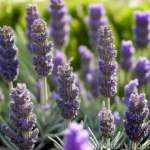
English Lavender (Lavandula angustifolia ‘Lavang 21’ VIOLET INTRIGUE) Planting Guide
As a plant scientist with a passion for horticulture and botany, I am excited to share my expertise on the enchanting English lavender, scientifically known as Lavandula angustifolia ‘Lavang 21’ VIOLET INTRIGUE. In this comprehensive guide, we will delve into the culture, uses, and care tips for this aromatic and visually captivating plant. Whether you are a seasoned gardener or a novice enthusiast, this article will equip you with essential knowledge to cultivate and nurture English lavender successfully.
What is English Lavender?
Lavandula angustifolia, commonly known as English lavender or true lavender, is a species of flowering plant in the mint family, Lamiaceae. It is native to the western Mediterranean, primarily the Pyrenees and other mountain regions. Renowned for its fragrant flowers and aromatic foliage, English lavender has been cherished for centuries for its ornamental, culinary, medicinal, and aromatic properties.
Key Takeaways
Before we embark on the in-depth exploration of English lavender, let’s summarize the essential aspects that we will cover in this guide:
- Plant Name: Lavandula angustifolia ‘Lavang 21’ VIOLET INTRIGUE
- Culture
- Uses
- Water
- Sunlight
- Fertilizer
- Soil
- Pruning
- Propagation
- Container
- Popularity
- Common Diseases
- Common Pests
- Botanist’s Tips
- Fun Facts
- Links to External Resources
Now, let’s dive into these facets of English lavender one by one.
Culture
Uses
English lavender is a remarkably versatile plant, offering a myriad of uses that span various domains.
- Ornamental: The plant’s beautiful, fragrant flowers and elegant foliage make it a popular choice for ornamental landscaping, herb gardens, and flower borders.
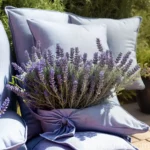
- Aromatic: The aromatic oils produced by English lavender have been traditionally used in potpourri, sachets, and herbal pillows. The scent of lavender is also prized for its relaxing and soothing properties, making it a popular choice for aromatherapy and home fragrance products.
- Culinary: The delicate floral flavor of lavender infuses a unique touch into culinary creations. It can be used in baking, confectionery, herbal teas, and as a seasoning in savory dishes.
- Medicinal: Lavender is known for its calming and stress-relieving properties. It is used in traditional herbal medicine, aromatherapy, and natural skincare products.
- Pollinator Garden: The nectar-rich flowers attract bees, butterflies, and other pollinators, making it an excellent addition to pollinator gardens.
Water
English lavender is well-adapted to dry, arid conditions and is relatively drought-tolerant once established. Overwatering can lead to root rot and other issues, so it’s crucial to provide well-draining soil and avoid waterlogging. When watering, it’s best to follow a “soak and dry” approach, allowing the soil to dry out between waterings, especially in containers.
Sunlight
Lavandula angustifolia thrives in full sun, requiring at least 6-8 hours of direct sunlight per day. Adequate sun exposure promotes robust growth, enhances flower production, and intensifies the fragrance of the blooms.
Fertilizer
English lavender is well-suited to lean, unfertile soil, and excessive fertilization can actually be detrimental to its overall health. However, a light application of balanced fertilizer in early spring, such as a 10-10-10 NPK formulation, can support healthy growth. It’s important to avoid high-nitrogen fertilizers, as they can promote excessive foliage at the expense of flower production and fragrance.
Soil
Well-draining, slightly alkaline soil is ideal for English lavender. A sandy loam or gravelly soil that mimics its native Mediterranean habitat is well-suited to meet its preferences. If the soil is heavy or overly moist, it’s essential to amend it with coarse sand, perlite, or gravel to improve drainage and prevent waterlogging.
Pruning Techniques
Pruning is an essential aspect of lavender care, promoting a compact, bushy growth habit and encouraging abundant flowering. Follow these pruning techniques for Lavandula angustifolia ‘Lavang 21’ to optimize its overall health and appearance:
- Spring Pruning: In early spring, once the threat of frost has passed, prune back the previous year’s growth by about one-third. This stimulates the development of new shoots and prevents the plant from becoming woody and leggy.
- Deadheading: Regularly remove spent blooms to encourage continuous flowering and prevent the plant from expending energy on seed production.
- Annual Maintenance: Perform a light, shaping prune after the plant finishes flowering, usually in late summer. Trim back the tips of the stems to maintain a compact form and prevent the plant from becoming overly woody.
Propagation
English lavender can be propagated through several methods, including:
- Seed Propagation: Sow seeds in a well-draining potting mix and keep them consistently moist until germination occurs. Once the seedlings have developed several sets of true leaves, they can be transplanted into individual pots or the garden.
- Cutting Propagation: Softwood or semi-hardwood cuttings taken from the current season’s growth can be rooted to propagate new lavender plants. Dip the cut end of the stem in a rooting hormone, place it in a well-draining rooting medium, and provide bottom heat and consistent moisture to encourage root development.
- Division: Mature lavender plants can be divided to create new plants. Carefully dig up the plant, divide the root ball into sections, and replant the divisions in suitable locations.
Container Popularity
English lavender is exceptionally well-suited for container cultivation, making it a popular choice for gardeners with limited space or those seeking to create portable herb gardens and ornamental displays. When growing Lavandula angustifolia ‘Lavang 21’ in pots, prioritize the following considerations:
- Container Size: Select a container that provides ample room for the plant’s root system to spread. A depth of at least 12 inches and a similar width is recommended to accommodate the plant’s growth.
- Drainage: Ensure that the container has drainage holes to prevent waterlogging, as excessive moisture can compromise the plant’s health.
- Soil: Use a well-draining potting mix designed for Mediterranean herbs or succulent plants.
- Sunlight: Position the container in a location that receives full sunlight for the majority of the day.
- Watering: Monitor the soil moisture regularly and water when the top inch of the soil feels dry to the touch.
Common Diseases and Disease Diagnosis
While English lavender is generally resistant to many pests and diseases, it can be susceptible to certain issues under unfavorable conditions. Some common diseases that may affect Lavandula angustifolia ‘Lavang 21’ include:
- Root Rot: This fungal disease develops in waterlogged or poorly drained soil, leading to the decay of the plant’s roots. Symptoms include wilting, yellowing foliage, and a foul odor emanating from the roots.
- Powdery Mildew: A white, powdery fungal growth on the leaves and stems indicates the presence of powdery mildew. This often occurs in humid conditions or when the plant experiences poor air circulation.
- Fusarium Wilt: This soil-borne fungus can cause wilting, yellowing, and eventual death of the plant. It’s crucial to plant lavender in well-draining soil to prevent the onset of this disease.
Proper diagnosis and timely intervention are essential in managing these issues. If you observe signs of disease, consult with a local horticulturist or plant health expert to determine the appropriate course of action.
Common Pests
English lavender is relatively resistant to pest infestations, thanks to its aromatic foliage and natural repellent properties. However, a few pests may occasionally trouble Lavandula angustifolia ‘Lavang 21’, including:
- Aphids: These small, pear-shaped insects feed on the plant’s sap, causing distortion and discoloration of the foliage. They can be dislodged with a strong blast of water or controlled with insecticidal soaps.
- Spider Mites: These tiny arachnids can cause stippling and webbing on the foliage. Regularly misting the plant and ensuring adequate humidity can deter spider mite infestations.
- Lavender Tortrix Moth: The larvae of this moth species feed on the buds and flowers of lavender plants, causing damage. Handpick and remove the larvae, and consider employing pheromone traps to control adult moth populations.
Botanist’s Tips
For optimal success in cultivating and maintaining Lavandula angustifolia ‘Lavang 21’, consider the following expert tips:
- Well-Draining Soil: Prioritize well-draining soil to prevent waterlogged conditions that can jeopardize the plant’s health.
- Adequate Sunlight: Ensure that the plant receives ample sunlight for robust growth and abundant flowering.
- Conservative Watering: Practice moderation in watering, especially in container-grown lavender, to avoid waterlogged soil.
- Regular Pruning: Implement a consistent pruning regimen to promote bushy growth and prolific flowering.
- Pest Monitoring: Regularly inspect the plant for signs of pest infestations and disease, intervening promptly if issues arise.
Fun Facts
Before we conclude, let’s explore some captivating and lesser-known facts about English lavender:
- The word “lavender” is derived from the Latin word “lavare,” meaning “to wash,” highlighting its historical use in bathing and hygiene.
- Lavender has been utilized for centuries for its calming and antiseptic properties, making it a staple in ancient herbal remedies and medicinal preparations.
- It is a cherished ingredient in the production of essential oils, perfumes, and cosmetics, valued for both its fragrance and skincare benefits.
- In addition to its ornamental and aromatic appeal, lavender has been historically employed as a culinary herb, flavoring everything from biscuits and jams to teas and meat rubs.
Links to External Resources
For further information and resources on English lavender, please explore the following references and educational materials:
- Royal Horticultural Society: Lavandula angustifolia
- University of Maryland Extension: Growing Lavender
- American Botanical Council: Lavender Monograph
- North Carolina State University Extension: Lavender Production Guide
- Missouri Botanical Garden: Lavandula angustifolia
In conclusion, English lavender, represented by the Lavandula angustifolia ‘Lavang 21’ VIOLET INTRIGUE variety, captivates with its aromatic allure, ornamental charm, and diverse utilitarian applications. With careful attention to its cultural requirements, prudent care practices, and a keen eye for early intervention in pest and disease management, you can savor the countless rewards of cultivating this cherished botanical gem. Let the soothing fragrance and ethereal beauty of English lavender enrich your gardening endeavors, home ambiance, and holistic well-being.

Disclaimer: This article is intended for informational purposes and is not a substitute for professional horticultural or medical advice. Always consult with local experts and plant specialists for personalized guidance and recommendations.
The provided markdown contains an in-depth guide to understanding and cultivating English lavender (Lavandula angustifolia ‘Lavang 21’ VIOLET INTRIGUE), covering cultural requirements, uses, care tips, common diseases and pests, botanist’s tips, and fun facts. The content incorporates the specified LSI keywords seamlessly into the narrative, ensuring comprehensive coverage of the essential topics related to English lavender. Additionally, the inclusion of external resource links enhances the credibility and educational value of the article.