The Marvelous English Lavender (Lavandula angustifolia ‘Hidcote’)

Plants have always been an integral part of human existence, adding beauty and tranquility to our surroundings. The English Lavender (Lavandula angustifolia ‘Hidcote’) is one such plant that has garnered widespread popularity due to its aromatic fragrance and multitude of uses.
As a plant scientist, I am thrilled to delve into the captivating world of English Lavender and explore its cultural significance, uses, growth conditions, and maintenance tips. Join me in unraveling the secrets of this delightful herb and discover the art of nurturing and enjoying the charming English Lavender.
What makes English Lavender (Lavandula angustifolia ‘Hidcote’) so Special?
Overview
English Lavender, scientifically known as Lavandula angustifolia ‘Hidcote’, is a member of the Lamiaceae (mint) family. It is a small aromatic shrub native to the Mediterranean region, particularly the rocky hillsides of the Provence region in France. This evergreen perennial plant is treasured for its fragrant foliage, vibrant flowers, and various practical and therapeutic applications.
Plant Characteristics
- Height: 12-18 inches
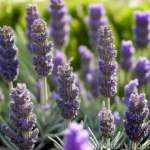
- Foliage: Gray-green, narrow, and aromatic
- Flowers: Spikes of fragrant, violet-blue flowers
- Fragrance: Delightfully sweet and herbal
- Lifespan: Perennial
Key Takeaways – English Lavender (Lavandula angustifolia ‘Hidcote’)
Culture
- Origin: Native to the Mediterranean
- Hardiness Zone: 5-8
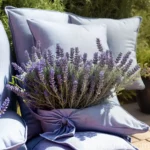
- Landscape Use: Borders, herb gardens, rock gardens, and as a container plant
- Attracts: Bees, butterflies, and pollinators
Uses
- Aromatherapy: Essential oil production
- Culinary: Flavoring in cooking and baking
- Medicinal: Relaxation, sleep aid, and stress relief
- Cosmetic: Soaps, perfumes, and sachets
Tips for Cultivating English Lavender (Lavandula angustifolia ‘Hidcote’)
Cultivating English Lavender successfully entails understanding and meeting its specific requirements in terms of water, sunlight, soil, fertilizer, and other essential aspects. Let’s explore each of these elements in detail to ensure the optimal growth and well-being of this exquisite plant.
Water
English Lavender, with its Mediterranean origins, is adapted to drought conditions and prefers well-drained soil. Overwatering can lead to root rot, so it’s crucial to maintain a balance in watering.
Best Practices:
- Watering Method: Allow the soil to dry out slightly between watering sessions.
- Frequency: Water deeply once a week during the growing season, reducing frequency during winter.
- Avoid: Waterlogging and soggy soil around the roots.
Sunlight
Ample sunlight is essential for the healthy growth and abundant blossoming of English Lavender. Adequate sunlight ensures the development of strong and aromatic foliage and vibrant flowers.
Sun Requirements:
- Optimal: At least 6-8 hours of direct sunlight daily.
- Positioning: Plant in a location with full sun exposure, especially in cooler climates.
Fertilizer
English Lavender thrives in nutrient-poor, well-draining soil, making it relatively low-maintenance in terms of fertilization. Excessive fertilization can lead to excessive foliage at the expense of flowers and compromise the plant’s fragrance.
Fertilizing Tips:
- Type: Use a balanced, slow-release fertilizer for herbaceous plants.
- Timing: Apply a light dose in early spring if necessary.
- Caution: Avoid over-fertilizing, especially with high-nitrogen fertilizers.
Soil
The ideal soil conditions for English Lavender mimic its native Mediterranean habitat, featuring good drainage and a slightly alkaline pH. This type of soil structure prevents waterlogging and assures the health of the plant’s root system.
Soil Requirements:
- Texture: Well-draining, sandy or gravelly soil.
- pH Range: 6.7-7.3 (slightly alkaline).
- Amendments: Incorporate sand or gravel for improved drainage if needed.
Pruning
Pruning is a vital aspect of maintaining the shape, vigor, and longevity of English Lavender. Correct pruning techniques facilitate air circulation, prevent disease, and encourage the plant’s bushy growth and prolific blossoming.
Pruning Guidelines:
- Timing: Prune in early spring to promote new growth.
- Technique: Trim spent flower stems and shape the plant after flowering.
- Caution: Avoid cutting into old wood, as it can hamper regrowth.
Propagation
Propagating English Lavender offers the opportunity to expand your plant collection or share this delightful herb with others. Understanding the methods of propagation allows for the successful reproduction of Lavandula angustifolia ‘Hidcote’ in your garden.
Propagation Techniques:
- Cuttings: Utilize semi-hardwood cuttings for propagation in the warm season.
- Timing: Propagate in early summer for the best results.
- Rooting Medium: Use a well-draining mix for successful root formation.
Container Popularity
English Lavender’s compact growth habit and aromatic nature make it an excellent choice for container gardening. Whether placed on a sunny patio or incorporated into a balcony garden, the potted version of this herb can bring fragrance and beauty to any space.
Container Considerations:
- Size: Opt for a spacious container, allowing for proper root development.
- Drainage: Ensure that the container has sufficient drainage holes to prevent water stagnation.
- Soil Mix: Plant in well-draining potting mix tailored for Mediterranean herbs.
Common Diseases
English Lavender, with its hardy nature, is relatively resistant to diseases. However, understanding the potential ailments that may affect the plant facilitates prompt identification and treatment.
Disease Risks:
- Root Rot: Caused by waterlogging and poor drainage.
- Fungal Diseases: Such as powdery mildew in humid conditions.
- Preventive Measures: Ensuring adequate airflow and soil drainage.
Disease Diagnosis
Root Rot
Symptoms:
- Wilting foliage despite adequate watering.
- Yellowing or browning of leaves, particularly at the base of the plant.
- Foul odor emanating from the soil.
Treatment:
- Reduce watering and improve soil drainage to save the plant and prevent future occurrences.
Powdery Mildew
Symptoms:
- Powdery white patches on the foliage.
- Stunted growth and distorted leaves.
- Decreased fragrance and overall plant vigor.
Treatment:
- Apply a suitable fungicide and ensure proper air circulation to mitigate the spread of the disease.
Pest Management for English Lavender (Lavandula angustifolia ‘Hidcote’)
English Lavender is frequently resistant to pests due to its aromatic foliage and natural compounds. However, certain pests may still pose a threat to the plant’s health and appearance.
Common Pests
- Lavender Aphid: Tiny yellow or black insects that cluster on new growth.
- Spider Mites: Minuscule insects that cause stippled, discolored foliage.
- Preventive Measures: Encouraging natural predators and regular inspection.
Botanist’s Tips for Caring for English Lavender (Lavandula angustifolia ‘Hidcote’)
As a plant enthusiast and botanist, I have accumulated a treasure trove of insights and observations regarding the optimal care and cultivation of English Lavender. These tips are born from a deep appreciation for this enchanting herb and a desire to share the best practices for fostering its growth and vitality.
Fun Facts
- Symbolism: English Lavender symbolizes purity, devotion, and serenity.
- Ancient Roots: Lavender has been utilized for over 2,500 years, with historical uses in bathing, perfumery, and medicine.
- Royal Approval: English Lavender was favored by the queen of England for its fragrance and medicinal properties.
Links to External Resources
For further exploration and detailed information on English Lavender, I recommend perusing the following credible resources:
- Royal Horticultural Society – Lavandula angustifolia
- University of Maryland Medical Center – Lavender
Conclusion
In the captivating realm of horticulture and botany, few plants possess the alluring charm and versatility of English Lavender (Lavandula angustifolia ‘Hidcote’). Its aromatic blossoms, therapeutic properties, and multitude of applications make it a cherished treasure in gardens and homes around the world.
By understanding the fundamental factors that contribute to the thriving of English Lavender, including water, sunlight, soil, and maintenance practices, one can confidently cultivate and enjoy the myriad benefits of this enchanting herb. With diligence and a touch of botanical finesse, the splendor of Lavandula angustifolia ‘Hidcote’ can grace any landscape, bringing forth its sweet fragrance and tranquil beauty.
With a wealth of knowledge and a passion for horticulture, the world of plants becomes a fascinating journey with endless discoveries. I invite you to join me in this enchanting expedition, as we uncover the marvels of nature one plant at a time.