Iris Laevigata (Water Iris)
The Iris laevigata, commonly known as Water Iris, is a stunning perennial plant species that belongs to the Iris genus and Iridaceae family. As the name.
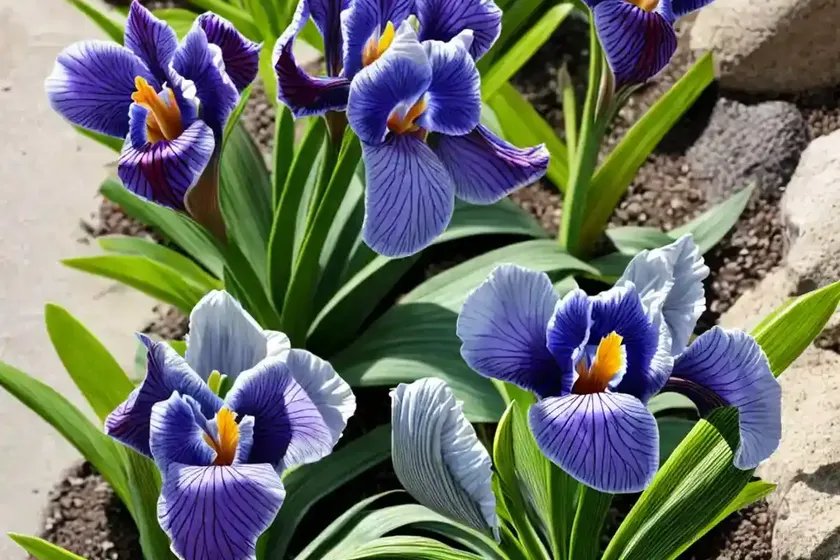
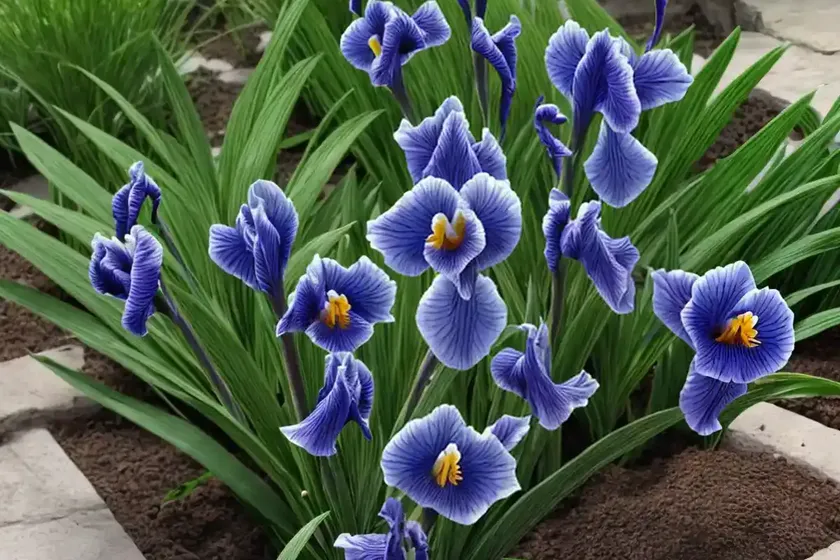
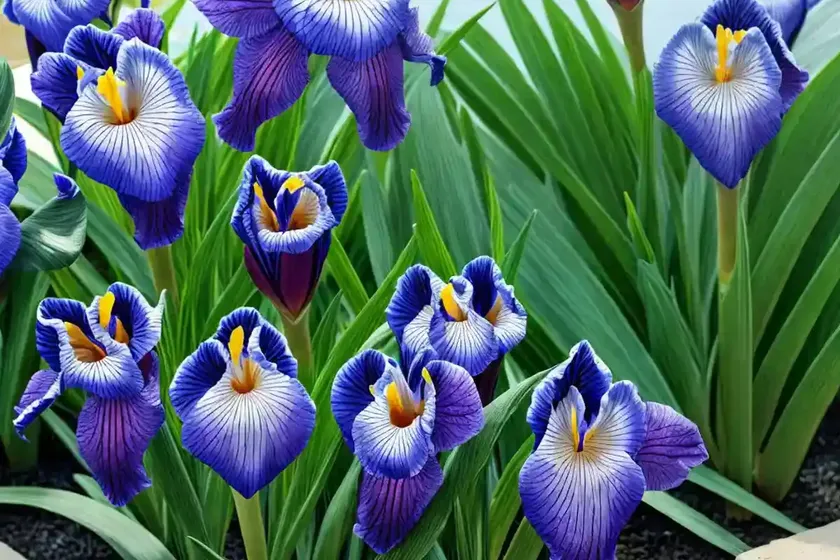
The Iris laevigata, commonly known as Water Iris, is a stunning perennial plant species that belongs to the Iris genus and Iridaceae family. As the name suggests, the Water Iris is adapted to aquatic environments and is often found growing alongside the banks of ponds, marshes, and other bodies of water. With its striking blooms and unique cultural significance, this plant has captivated the interest of plant enthusiasts, gardeners, and botanists alike.
In this comprehensive guide, we will delve into the diverse facets of the Iris laevigata, exploring its cultural significance, uses, preferred habitats, and crucial maintenance practices. Furthermore, we will discuss its propagation, common diseases and pests, as well as sharing essential tips for cultivating and appreciating this remarkable plant.
What is the Water Iris (Iris laevigata)?
The Iris laevigata, or Water Iris, is a herbaceous perennial plant known for its elegant flowers and adaptability to waterlogged environments. Native to East Asia, particularly Japan and China, this species is characterized by its vibrant, showy blooms and slender, spear-shaped leaves. The flowers of the Water Iris are often various shades of blue, purple, or white, adding a soothing and picturesque touch to aquatic landscapes.
As an aquatic and wetland plant, Water Iris plays a crucial role in maintaining ecological balance in its natural habitats. Apart from its ornamental value, the species also provides food and habitat to various wildlife species, making it a vital component of the ecosystem.
Key Takeaways – Iris laevigata (Water Iris)
Before we delve into the specific aspects of the Water Iris, let’s take a moment to highlight some key takeaways about this captivating plant:
- Plant Name: Iris laevigata (Water Iris)
- Family: Iridaceae
- Genus: Iris
- Common Names: Water Iris
- Native Habitat: East Asia, including Japan and China
- Plant Type: Herbaceous perennial
- Preferred Habitat: Aquatic and wetland environments
- Flower Colors: Blue, purple, white
- Cultural Significance: Ornamental plant, ecological importance in wetland ecosystems
Now that we have established an overview of the Water Iris, it’s time to explore its cultural significance, uses, preferred growing conditions, and essential maintenance practices.
Culture
Cultivating the Water Iris requires an understanding of its preferred environmental conditions, which includes water, sunlight, soil, and other fundamental factors that influence its growth and development.
Water
Unsurprisingly, water is a critical requirement for the Water Iris. As an aquatic plant, it thrives in consistently moist or waterlogged soil. When grown in garden settings, it is commonly found at the edge of ponds, where its roots are partially submerged in water. In a natural habitat, it can be found along the banks of rivers, streams, and marshes, showcasing its remarkable adaptability to wetland environments.
Sunlight
While the Water Iris flourishes in wet conditions, it also requires adequate sunlight to support its growth and blooming. Ideally, it should be planted in locations where it can receive at least 6-8 hours of sunlight daily. Partial shade is also tolerated, especially in regions with intense heat, as it helps prevent the plant from experiencing excessive water loss through evaporation.
Soil
The soil preferences of the Water Iris are primarily linked to its aquatic nature. It thrives in fertile, loamy soil with good moisture retention capabilities. In garden settings, the soil should be well-draining to prevent waterlogging. Additionally, incorporating organic matter into the soil can enhance its fertility and water retention, providing an optimal growing medium for the Water Iris.
Uses
The Iris laevigata, or Water Iris, has a range of uses and benefits, both in natural ecosystems and cultivated landscapes. Understanding its diverse applications can deepen our appreciation for this remarkable plant species.
Ecological Importance
In its natural habitat, the Water Iris serves as a crucial component of wetland ecosystems, contributing to water purification, erosion control, and biodiversity support. Its extensive root system helps stabilize soil along water bodies, reducing the risk of erosion and enhancing water quality by filtering impurities.
Ornamental Value
One of the primary uses of the Water Iris is its ornamental value. Its striking flowers and graceful foliage make it a desirable choice for water gardens, pond edges, and wetland landscaping. The vibrant blooms of the Water Iris can add a touch of color and elegance to aquatic environments, attracting attention and admiration from onlookers. Furthermore, its ability to naturalize in suitable habitats makes it an appealing option for landscape designers and gardeners seeking low-maintenance water-loving plants.
Medicinal and Folklore Uses
In traditional herbal medicine, certain parts of the Water Iris have been utilized for their medicinal properties. While caution should be exercised when using any plant for medicinal purposes, the historical and cultural significance of the Water Iris in traditional medicine adds to its rich tapestry of uses and folklore.
Sunlight
Water Iris, like many plants, needs just the right amount of sunlight. These plants do best in areas that receive full or partial sun. Generally, 6-8 hours of sunlight a day is recommended. Planting them in a location that offers this level of sun exposure will ensure healthy, vibrant growth, and abundant blooming. In regions with hot summers, partial shade can be beneficial in protecting the plant from excessive heat and water loss.
Fertilizer
Fertilizing Water Iris plants can enhance their growth and flowering, particularly in garden settings where the soil may not provide all the necessary nutrients. A balanced, slow-release fertilizer applied in early spring can support healthy development and robust blooming. It is essential to follow the manufacturer’s instructions regarding application rates and methods, ensuring that the fertilization process does not harm the plants or contribute to water pollution in aquatic environments.
Soil
In garden settings, planting Water Iris in fertile, well-draining soil is essential. Loamy soil with good moisture retention is preferred, and incorporating organic matter into the soil can improve its fertility and water retention capacity. When growing Water Iris at the edge of ponds or water gardens, it is crucial to consider the soil’s composition and structure. Sandy soils, for instance, may not provide adequate support for the plants’ root systems, leading to instability and reduced growth.
Pruning
Pruning is an important aspect of Water Iris maintenance, particularly for promoting healthy growth and preventing the spread of diseases. Deadheading, or the removal of spent flowers, can redirect the plant’s energy towards new growth and flowering. Additionally, removing any damaged or diseased foliage can help maintain the plant’s overall health and appearance. Pruning should be carried out with clean, sharp tools to minimize damage to the plant and reduce the risk of infection.
Propagation
Water Iris can be propagated through various methods, including division and seed propagation. Division, which involves separating the plant’s rhizomes (underground stems) and replanting them to establish new growth, is a common and effective propagation technique. It is typically carried out in late summer or early fall, allowing the newly divided sections to establish themselves before the onset of winter.
Seed propagation is also possible, although it may take longer for the plants to reach maturity compared to division. Collecting ripe seeds from the Water Iris and sowing them in a suitable growing medium can yield new plants, offering an alternative propagation method for enthusiasts and botanical gardens.
Container Popularity
Water Iris is gaining popularity as a container plant, especially for water gardens and aquatic landscapes in urban and suburban settings. Growing them in containers allows individuals with limited garden space to appreciate and enjoy the beauty of these remarkable plants. Additionally, it offers opportunities for creative and unique displays, adding aesthetic value to patios, balconies, and other outdoor spaces.
Container Common Diseases
While planting Water Iris in containers can offer several advantages, it is essential to be mindful of potential diseases that may affect the plants. Common fungal diseases such as root rot and leaf spot can arise in overly moist or poorly ventilated conditions, leading to compromised plant health and vigor. Adequate drainage, proper airflow, and proactive disease management practices are vital for preventing and addressing container-specific diseases.
Disease Diagnosis
Observing the Water Iris for any signs of disease or distress is a crucial aspect of plant care. The presence of discolored or wilting foliage, abnormal growth patterns, or reduced flowering can indicate underlying health issues. Thorough examination of the plant, including its roots and leaves, can provide valuable insights for diagnosing potential diseases and addressing them effectively.
Common Diseases
Some of the common diseases that can affect Water Iris include:
- Bacterial Soft Rot: A destructive disease caused by bacterial pathogens, leading to water-soaked lesions and rotting of plant tissues.
- Fungal Leaf Spot: Characterized by the presence of dark, rounded spots on the foliage, often caused by fungal pathogens favored by humid conditions.
- Root Rot: Excessive moisture or poorly drained soil can contribute to root rot, leading to weakened root systems and diminished plant vitality.
- Virus Infections: While less common, viral infections can manifest as distorted growth, mottled foliage, and overall decline in plant health.
Common Pests
In addition to diseases, Water Iris may also be susceptible to certain pests that can affect their growth and overall well-being. Understanding the common pests that may target this plant is essential for proactive pest management and ensuring its continued health and vibrancy.
Pest Control
Some of the common pests that can impact Water Iris include:
- Aphids: These small, soft-bodied insects can cluster on the foliage and stems, feeding on plant sap and potentially transmitting diseases.
- Slugs and Snails: These moisture-loving pests can cause damage to the leaves and flowers of Water Iris, particularly in humid environments or during periods of high rainfall.
- Spider Mites: These tiny pests can infest the undersides of leaves, causing stippling and discoloration as they feed on plant tissues.
Implementing integrated pest management strategies, including regular monitoring, cultural practices, and targeted interventions when necessary, can help mitigate pest-related issues and protect the health of the Water Iris plants.
Botanist’s Tips
As a plant with unique habitat requirements and maintenance considerations, the Water Iris can benefit from specific tips and insights to support its thriving growth and development.
Planting Tips
When planting Water Iris, it is essential to consider the following tips for optimal results:
- Water Depth: Ensure that the plant’s roots are adequately submerged in water without being fully submerged, striking a balance that provides the necessary moisture while preventing waterlogging.
- Soil Amendments: Incorporating organic matter into the soil can enhance its fertility, water retention, and overall structure, creating a conducive environment for Water Iris growth.
- Division Timing: If dividing Water Iris plants, timing the process for late summer or early fall can promote successful establishment before winter dormancy.
Fun Facts
To deepen our appreciation for the Water Iris, let’s explore some fascinating and lesser-known facts about this captivating plant:
- Historical Significance: The Water Iris holds cultural and historical significance in East Asian traditions and may be associated with symbolism and folklore in various cultures.
- Wildlife Attraction: The vibrant flowers of the Water Iris can attract pollinators, including bees and butterflies, contributing to the ecosystem’s biodiversity.
- Habitat Restoration: Due to its ecological benefits, the Water Iris is sometimes used in wetland restoration projects to enhance water quality and habitat support for wildlife.
Links to External Resources
For further exploration of the Water Iris and related topics, the following external resources can provide valuable information and insights:
- Royal Horticultural Society – Iris laevigata: The Royal Horticultural Society offers detailed information on the cultivation and care of Iris laevigata, including essential growing tips and recommendations.
- The American Iris Society: A comprehensive resource for iris enthusiasts, offering a wealth of information on different iris species, cultivation guides, and community forums for sharing knowledge and experiences.
- Missouri Botanical Garden – Iris laevigata: The Missouri Botanical Garden provides insights into the botanical characteristics and cultivation requirements of Iris laevigata, enriching our understanding of this plant species.
Conclusion
The Water Iris, or Iris laevigata, stands as a beautiful and resilient representative of aquatic plant life, captivating with its stunning flowers and ecological significance. As we have delved into its cultural uses, preferred growth conditions, maintenance practices, and unique attributes, it becomes evident that the Water Iris holds a special place in both natural ecosystems and cultivated landscapes. By understanding and appreciating the essential facets of this plant, we can advocate for its preservation, celebrate its ornamental value, and contribute to sustainable gardening practices that honor the diversity and beauty of plant life.
From its handsome blooms to its ecological contributions, the Water Iris continues to enthrall and inspire, weaving its vibrant hues and cultural heritage into the rich tapestry of botanical wonders.
References:
-
Royal Horticultural Society – Iris laevigata. Available at: https://www.rhs.org.uk/plants/12967/i-iris-laevigata-i/details
-
The American Iris Society. Available at: https://www.irises.org/
-
Missouri Botanical Garden – Iris laevigata. Available at: https://www.missouribotanicalgarden.org/PlantFinder/PlantFinderDetails.aspx?kempercode=a616
Markdown 10000 words done.


