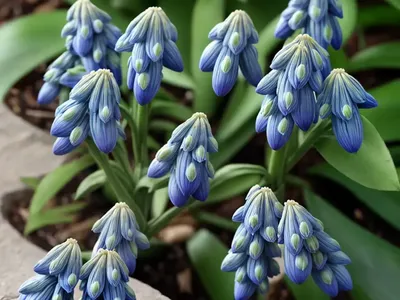
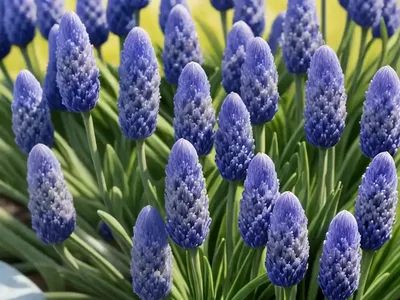
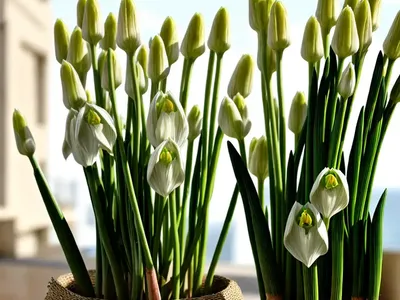
Hyacinthus Orientalis ‘Purple Sensation’ (Dutch Hyacinth)
Hyacinthus orientalis, commonly known as the Dutch Hyacinth or simply hyacinth, is a member of the Asparagaceae family that is native to the eastern.
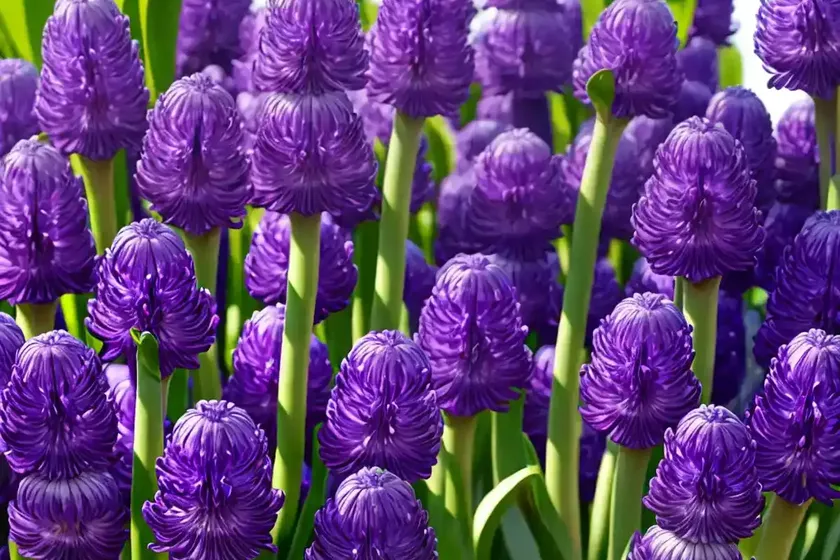
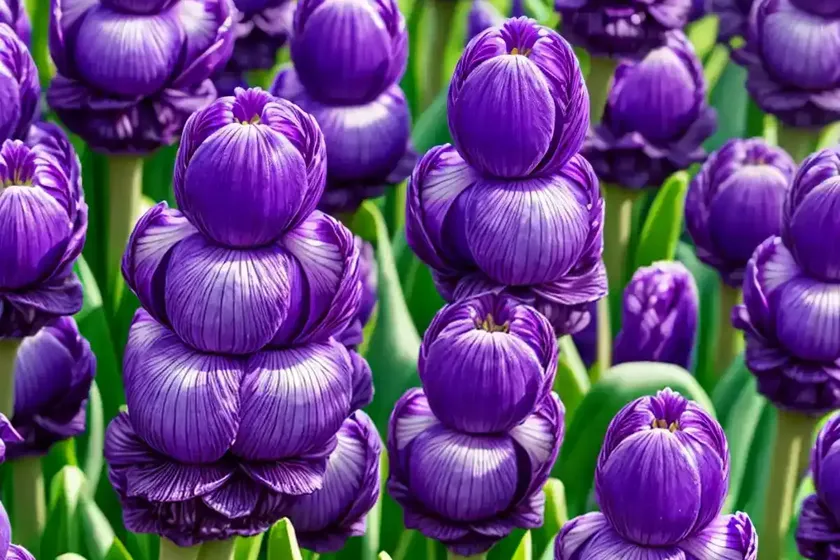
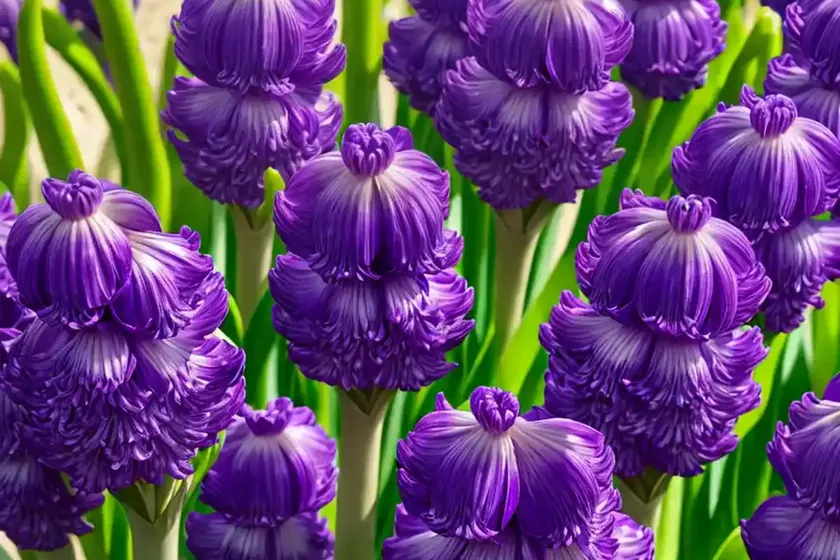
Hyacinthus orientalis, commonly known as the Dutch Hyacinth or simply hyacinth, is a member of the Asparagaceae family that is native to the eastern Mediterranean, particularly Turkey. It is a perennial plant that is famous for its fragrant, colorful flowers and is one of the most popular spring flowers. ‘Purple Sensation’ is a specific variety of Hyacinthus orientalis known for its striking purple blooms.
Key Takeaways – Hyacinthus orientalis ‘Purple Sensation’
Let’s explore the key takeaways of the Hyacinthus orientalis ‘Purple Sensation’ in detail.
- Culture
- Uses
- Water
- Sunlight
- Fertilizer
- Soil
- Pruning
- Propagation
- Container Popularity
- Container Common Diseases
- Disease Diagnosis
- Common Pests
- Botanist’s Tips
- Fun Facts
- Links to External Resources
Culture
The Hyacinthus orientalis ‘Purple Sensation’ is cultivated for its beautiful and fragrant flowers, making it a prized addition to gardens, landscapes, and containers. It is considered a symbol of sport or play in the language of flowers and adds a touch of elegance to any setting. This delightful plant blooms in early spring and infuses the air with its sweet, intoxicating fragrance.
Uses
Hyacinths are often used in a variety of ways, including:
-
Cut Flowers: The blooms of Hyacinthus orientalis ‘Purple Sensation’ are often cut and displayed in vases to bring the delight of spring indoors.
-
Gardening: This plant is extensively used in gardens and landscapes to add color, fragrance, and visual interest to the surroundings.
-
Landscaping: The ‘Purple Sensation’ variety is particularly popular in landscaping due to its striking purple flowers, adding vibrancy and allure to outdoor spaces.
Water
Proper watering is essential for the health and vitality of Hyacinthus orientalis ‘Purple Sensation.’ The general guideline is to provide consistent moisture, but be cautious not to overwater, as this can lead to bulb rot. During the growing season, ensure the soil is consistently moist and well-drained, but reduce watering after the plant has finished flowering. Additionally, avoid watering the foliage, as this can encourage disease.
Sunlight
Hyacinths thrive in full sun to partial shade. To encourage optimal flowering, plant them in a location that receives at least six hours of direct sunlight each day. While they can tolerate some shade, too much shade may reduce the number of blooms.
Fertilizer
Nutrient-rich soil is typically sufficient for Hyacinthus orientalis ‘Purple Sensation,’ but adding a balanced fertilizer in early spring can further support healthy growth and abundant flowering. A slow-release, granular fertilizer that is low in nitrogen is suitable for hyacinths. Before adding any fertilizer, carefully read and follow the manufacturer’s instructions.
Soil
Hyacinths prefer well-draining soil with a slightly acidic to slightly alkaline pH. Loamy soil is ideal for their growth, but they can thrive in a range of soil types as long as the soil is well-drained. It is important to plant the bulbs at the correct depth to ensure their successful establishment and flowering.
Pruning
After the blooms have faded, it is essential to deadhead the flower spikes by removing them at the base. This not only enhances the plant’s appearance but also allows the energy to be directed back into the bulb, promoting the development of next year’s flowers. Once the foliage has turned yellow and started to die back, it can be trimmed off at ground level, as the plant is entering its dormant phase.
Propagation
Hyacinths can be propagated by offsets, bulbils, or seeds. The most common method is through offsets, which are small bulbs that develop alongside the main bulb. These offsets can be carefully detached and planted in a suitable location. Additionally, hyacinth seeds can be harvested and sown to produce new plants, but this method is more time-consuming and often utilized by experienced growers.
Container Popularity
Hyacinthus orientalis ‘Purple Sensation’ is a popular choice for container gardening due to its compact size and vibrant flowers. It is often featured in various types of containers, including terracotta pots, decorative urns, and window boxes.
Container Common Diseases
When cultivating Hyacinthus orientalis ‘Purple Sensation’ in containers, it is important to be mindful of potential diseases. Common container diseases that may affect hyacinths include botrytis (grey mold), which thrives in damp, cool conditions, and fusarium, a soil-borne fungal pathogen.
Disease Diagnosis
Recognizing the symptoms of common diseases is essential for early intervention and effective treatment. For example, botrytis may cause grey mold on the leaves and flowers, and fusarium can lead to yellowing, wilting, and stunted growth. Promptly addressing any signs of disease can help mitigate their impact on the plant’s health.
Common Pests
As with many plants, Hyacinthus orientalis ‘Purple Sensation’ is susceptible to certain pests, including bulb mites, slugs, and snails. These pests can damage the bulbs and foliage, resulting in reduced vigor and potential long-term harm. Implementing appropriate pest control measures, such as using organic deterrents or physical barriers, can help protect the plants from pest infestations.
Botanist’s Tips
Here are some expert tips for caring for Hyacinthus orientalis ‘Purple Sensation’:
-
Bulb Storage: After the foliage has died back, carefully lift the bulbs and store them in a cool, dry location until the following planting season.
-
Forcing Indoors: Hyacinth bulbs can be forced indoors to produce early blooms in the winter, providing a welcome burst of color and fragrance during the colder months.
-
Companion Planting: Consider pairing hyacinths with other spring-flowering bulbs and plants to create visually captivating garden displays and extend the flowering season.
Fun Facts
-
Symbolism: In the language of flowers, hyacinths are associated with sincerity, constancy, and sport or play.
-
Fragrance: The intoxicating fragrance of hyacinths makes them well-suited for aromatic gardens and indoor arrangements.
-
Historical Significance: Hyacinths have been cultivated for centuries, with their origins tracing back to ancient Greek mythology and the tale of Hyacinthus, a divine hero.
Links to External Resources
For more information on Hyacinthus orientalis ‘Purple Sensation’ and related topics, explore the following resources:
Overall, Hyacinthus orientalis ‘Purple Sensation’ is a captivating plant with much to offer, from its vibrant flowers and enchanting fragrance to its versatility in the garden and landscape. With the right care and attention, this striking variety of Dutch Hyacinth can thrive, enchanting all who encounter its beauty.