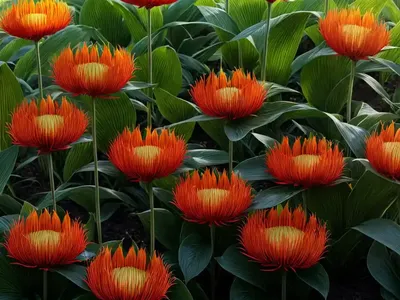
African Blood Lily (Scadoxus Multiflorus)
Plants have always held a special place in human culture and have been an essential part of our lives. Whether it’s for their aesthetic appeal, cultural.
Plants have always held a special place in human culture and have been an essential part of our lives. Whether it’s for their aesthetic appeal, cultural significance, or practical uses, plants continue to be an integral part of our environment. In this comprehensive guide, we will explore the African blood lily (Scadoxus multiflorus), a stunning plant with rich cultural history and unique characteristics.
What is the African Blood Lily (Scadoxus Multiflorus)?
The African blood lily, scientifically known as Scadoxus multiflorus, is a member of the Amaryllidaceae family. This striking plant is native to the eastern regions of South Africa, where it thrives in its natural habitat. Known for its vibrant red flowers, the African blood lily is a popular ornamental plant in gardens and landscapes around the world.
The genus name “Scadoxus” is derived from the Greek word “skadoxos,” which refers to the bulb’s shape. The species name “multiflorus” directly translates to “many-flowered,” alluding to the plant’s characteristic dense clusters of flowers.
Key Takeaways – African Blood Lily (Scadoxus Multiflorus)
The African blood lily, with its stunning appearance and cultural significance, offers various benefits and uses. Below are the key takeaways regarding its care, uses, and characteristics.
Culture
- The African blood lily holds deep cultural significance in many African communities, often symbolizing strength, vitality, and rebirth.
- Its striking appearance and vibrant red flowers make it a popular choice for ornamental gardening and landscaping.
- Known for its low maintenance and resilience, the African blood lily is an excellent choice for both experienced and novice gardeners.
Uses
- The African blood lily serves primarily as an ornamental plant, adding a pop of color to gardens, landscapes, and indoor spaces.
- Its vibrant flowers make it a popular choice for cut flower arrangements, adding a touch of exotic beauty to floral displays.
Water
- The plant prefers moderate watering, allowing the soil to dry out slightly between waterings to prevent waterlogged conditions.
- During the growing season, it’s essential to maintain consistent moisture levels to support healthy growth and flowering.
Sunlight
- Thrives in partial shade to full sun, although it prefers dappled sunlight to protect its delicate foliage from scorching.
- In regions with intense heat, providing partial shade during the hottest part of the day can help protect the plant from sun damage.
Fertilizer
- Benefits from regular applications of a balanced, water-soluble fertilizer during the growing season to support healthy growth and flowering.
- A slow-release fertilizer can be applied at the beginning of the growing season to provide sustained nourishment.
Soil
- Requires well-draining, organically rich soil for optimal growth.
- A well-balanced potting mix or garden soil with ample organic matter can provide the ideal growing medium for the African blood lily.
Pruning
- Deadheading spent flowers can help promote continuous blooming and improve the overall appearance of the plant.
- Removing yellowing or withered leaves can prevent the spread of diseases and maintain the plant’s aesthetic appeal.
Propagation
- Propagation can be achieved through division of offsets or bulb scales during the plant’s dormancy period.
- Seeds can also be sown, although they may take several years to reach maturity and produce flowers.
Container Popularity
- The African blood lily is well-suited for container gardening, adding a stunning focal point to patios, balconies, and indoor spaces.
- Its vibrant blooms and compact growth habit make it an ideal choice for ornamental containers.
Container Common Diseases
- The plant can be susceptible to fungal diseases such as leaf spot and bulb rot in poorly ventilated or excessively moist conditions.
Disease Diagnosis
- Leaf spot is characterized by the presence of dark lesions on the foliage, while bulb rot manifests as mushy, discolored bulbs.
- Proper sanitation, adequate air circulation, and well-draining soil can help prevent these diseases.
Common Pests
- The African blood lily may attract pests such as aphids, mealybugs, and spider mites, particularly when grown under stressed conditions.
- Regular monitoring and early intervention can help control pest infestations.
Botanist’s Tips
- Plant the bulbs at a depth of approximately 2-3 times the bulb’s diameter, ensuring good soil contact and firming the soil around the bulbs.
- Protect the plant from strong winds, which can damage its delicate foliage and flowers.
Fun Facts
- The African blood lily is also known by other common names, including “fireball lily” and “blood lily,” reflecting the intense coloration of its blooms.
- In its natural habitat, the plant often grows in moist, shaded conditions, thriving beneath the canopy of trees.
Links to External Resources
For additional information on African blood lily care, propagation, and cultivation, consider exploring the following resources:
– Royal Horticultural Society: Scadoxus Multiflorus
– Missouri Botanical Garden: Scadoxus Multiflorus
As a plant scientist, it’s essential to delve into the intricate details of plant care, propagation, and cultivation to provide a comprehensive understanding for enthusiasts and horticulture professionals. The following sections will explore the various aspects of African blood lily (Scadoxus multiflorus) in detail, addressing its care requirements, propagation methods, and other essential considerations.
African Blood Lily Care
The successful growth and cultivation of African blood lilies are contingent upon meeting their specific care requirements, including water, sunlight, fertilization, and soil preferences. Additionally, understanding the potential diseases and pests that may affect the plant is crucial for maintaining its health and vigor.
African Blood Lily Watering Schedule
The African blood lily thrives with moderate watering, allowing the soil to slightly dry out between waterings to prevent waterlogged conditions. During the growing season, it’s essential to maintain consistent moisture levels to support healthy growth and flowering. However, excessive watering can lead to root rot, particularly in poorly draining soils. For indoor cultivation, it’s advisable to use pots with drainage holes to prevent water accumulation at the root zone.
African Blood Lily Sunlight Requirements
This species prefers partial shade to full sun, although it is often best suited to dappled sunlight to protect its delicate foliage from scorching. In regions with intense heat, providing partial shade during the hottest part of the day can help protect the plant from sun damage. It’s essential to monitor the plant’s response to sunlight and adjust its placement accordingly to ensure optimal light conditions.
African Blood Lily Soil Preferences
Well-draining, organically rich soil is essential for the optimal growth of African blood lilies. A mixture of garden soil, peat moss, and perlite or sand can create a well-balanced potting mix that promotes healthy root development and prevents waterlogging. For outdoor cultivation, amending the soil with organic matter can improve its texture and fertility, creating an ideal environment for the plant to thrive.
African Blood Lily Fertilization Methods
Regular applications of a balanced, water-soluble fertilizer during the growing season can provide the necessary nutrients for healthy growth and flowering. A slow-release fertilizer applied at the beginning of the growing season can offer sustained nourishment, reducing the need for frequent fertilization. It’s essential to follow the manufacturer’s recommendations for dilution and application frequency to avoid over-fertilization, which can lead to nutrient imbalances and potential damage to the plant.
African Blood Lily Disease Prevention
Preventing disease is a crucial aspect of African blood lily care. Proper sanitation, adequate air circulation, and well-draining soil are essential for preventing common fungal diseases such as leaf spot and bulb rot. It’s important to remove and dispose of any affected foliage or bulbs to prevent the spread of disease. Additionally, avoiding overhead watering, particularly in humid conditions, can help minimize the risk of fungal infections.
African Blood Lily Pest Control
Regular monitoring for common pests such as aphids, mealybugs, and spider mites is essential for controlling infestations. When detected, early intervention using horticultural oils, insecticidal soaps, or other targeted products can help manage pest populations without harming beneficial insects. Maintaining a balanced ecosystem in the garden or landscape can also contribute to natural pest control, reducing the reliance on chemical interventions.
African Blood Lily Temperature Tolerance
The African blood lily demonstrates a moderate tolerance to temperature fluctuations, although it generally prefers mild to warm climates. Exposure to frost or prolonged cold temperatures can damage the foliage and flowers, particularly in regions with harsh winters. In colder climates, providing protection, such as mulching or bringing potted plants indoors, can help safeguard the plant from freezing temperatures.
African Blood Lily Propagation
Propagation of African blood lilies can be achieved through several methods, including division of offsets, bulb scales, and seed sowing. Each approach offers unique advantages and considerations, allowing enthusiasts to propagate the plant according to their preferences and resources.
African Blood Lily Propagation by Division
Dividing offsets or bulb scales during the plant’s dormancy period is a common method of propagation for African blood lilies. It’s essential to ensure that each division possesses viable roots and a portion of the bulb for successful establishment. Newly divided bulbs can be replanted in suitable soil and provided with adequate moisture to encourage root development and subsequent growth.
African Blood Lily Propagation by Seed
While less common, propagation from seeds is also a viable option for enthusiasts seeking to cultivate new plants. However, it’s important to note that seeds may take several years to reach maturity and produce flowers. Sowing seeds in well-draining potting mix and providing consistent moisture and warmth can facilitate germination and early growth. As the seedlings develop, they can be transplanted into individual containers or outdoor locations for further cultivation.
African Blood Lily Varieties
The African blood lily exhibits several varieties and cultivars, showcasing variations in flower color, size, and growth habits. These varieties offer a diverse range of options for gardeners and collectors, allowing for the creation of captivating displays and arrangements.
African Blood Lily Flower Color Variations
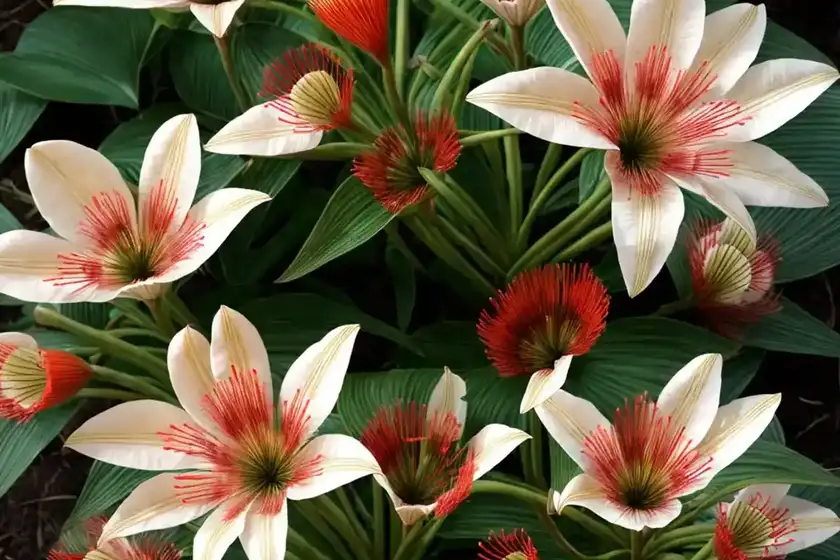
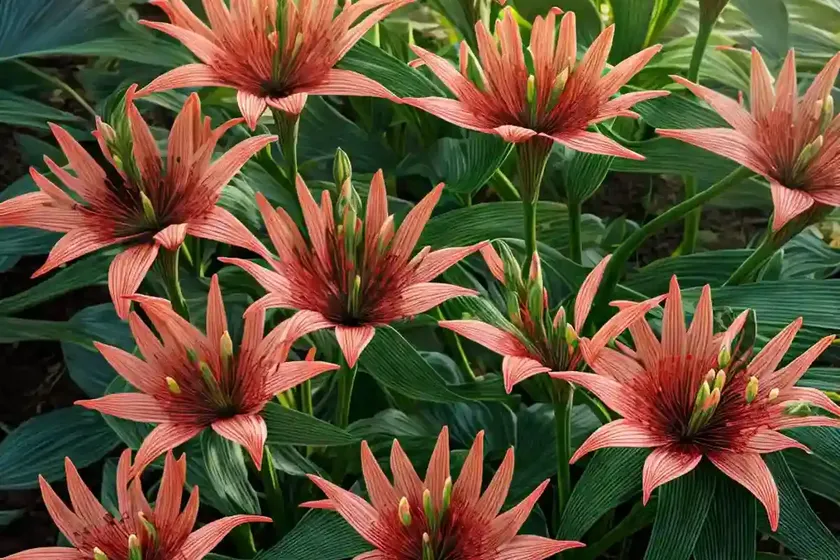
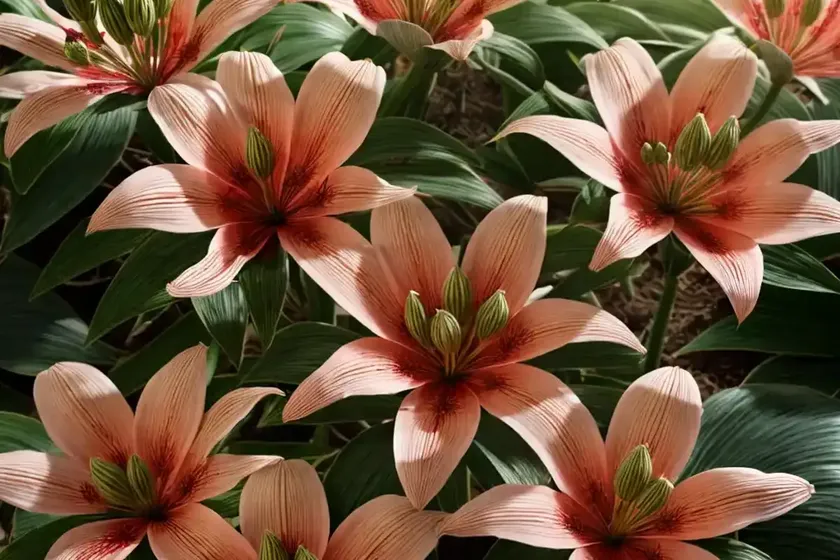
While the classic African blood lily features vibrant red flowers, there are also variations with pink, orange, or salmon-colored blooms. These variations add diversity to the plant’s visual appeal, offering unique options for landscaping and gardening applications.
African Blood Lily Size and Growth Habits
Varieties of African blood lilies may differ in their overall size and growth habits. Some cultivars exhibit compact growth, making them well-suited for container gardening, while others may display more robust and vigorous growth patterns. Selecting varieties based on their growth characteristics can help gardeners create balanced and visually appealing arrangements.
African Blood Lily Cultivation
The cultivation of African blood lilies encompasses both indoor and outdoor settings, accommodating various preferences and environmental conditions. Understanding the specific needs of the plant in different cultivation environments is crucial for ensuring its health and longevity.
African Blood Lily Indoor Cultivation
Indoor cultivation of African blood lilies provides an opportunity to enjoy their vibrant blooms and lush foliage within the confines of homes, offices, or conservatories. Selecting appropriately sized containers with adequate drainage and placing the plants in well-lit areas can facilitate successful indoor cultivation. Additionally, providing moderate humidity and consistent temperatures can contribute to the plant’s overall well-being.
African Blood Lily Outdoor Cultivation
Outdoor cultivation of African blood lilies allows for their integration into garden beds, borders, and landscape designs. When grown outdoors, it’s important to consider factors such as soil preparation, microclimate considerations, and potential companion planting. The plant’s resilience to outdoor conditions makes it a valuable addition to gardens and landscapes, providing seasonal bursts of color and visual interest.
African Blood Lily Potting Options
Selecting suitable potting options is crucial for the successful cultivation of African blood lilies in containers. Various considerations, such as pot size, drainage, and material, can impact the plant’s growth and health when grown in pots.
African Blood Lily Pot Size and Drainage
Choosing appropriately sized pots with adequate drainage holes is essential for preventing water accumulation and root rot. The size of the pot should accommodate the plant’s root system without excess room, as overly large containers can lead to overly moist conditions and hinder the plant’s growth. Ensuring proper drainage promotes a healthy root environment, contributing to the overall vigor of the plant.
African Blood Lily Potting Mix
The ideal potting mix for African blood lilies consists of well-draining, organically rich components that provide essential support for root development and moisture retention. A mixture of peat moss, perlite or sand, and a small amount of garden soil can create a balanced potting mix that supports healthy growth. Additionally, adding slow-release fertilizer to the potting mix can provide sustained nourishment for the plant over an extended period.
African Blood Lily Common Problems
Understanding the common problems that may affect African blood lilies is integral to maintaining their health and appearance. From pest infestations to environmental stressors, addressing these issues promptly can help prevent long-term damage to the plants.
African Blood Lily Repotting Tips
Repotting African blood lilies is necessary when the plants outgrow their current containers or when the soil becomes depleted of nutrients. It’s essential to select a slightly larger pot and gently remove the plant from its existing container, taking care not to damage the roots. Repotting in fresh potting mix and providing adequate watering can rejuvenate the plant and encourage continued growth and flowering.
African Blood Lily Toxicity
African blood lilies contain toxic compounds, particularly in their bulbs, which can cause skin irritation and gastrointestinal discomfort if ingested. Handling the plants with care, particularly when dividing bulbs or handling foliage, is essential for minimizing the risk of exposure to the toxic substances. Additionally, placing the plants out of reach of children and pets can prevent accidental ingestion and contact.
African Blood Lily Medicinal Properties
While primarily grown for ornamental purposes, African blood lilies have been traditionally used in some societies for their potential medicinal properties. The plant’s toxic compounds have been incorporated into certain traditional remedies, although their use should be approached with caution and under the guidance of knowledgeable practitioners.
African Blood Lily Therapeutic Benefits
The bulbs of African blood lilies have been used in traditional medicine for their reported antihelminthic (anti-parasitic) properties. Additionally, compounds present in the plant have been explored for their potential anti-tumor and anti-inflammatory effects, although further scientific research is needed to confirm these properties. It’s important to consult qualified healthcare professionals before considering any medicinal applications of the plant.
African Blood Lily Natural Habitat
The natural habitat of African blood lilies provides valuable insights into their preferred growing conditions, ecological interactions, and adaptations to specific environments. Understanding the plant’s natural habitat can guide cultivation practices and support efforts to mimic its native conditions for optimal growth.
African Blood Lily Natural Growth Conditions
In its native range in eastern South Africa, the African blood lily typically grows in moist, shaded conditions, often under the canopy of trees. These habitat characteristics influence the plant’s preference for well-draining soil, moderate moisture, and dappled sunlight, which can be replicated in cultivation to support the plant’s overall health and vigor.
African Blood Lily Climate Adaptations
The plant’s natural habitat experiences mild to warm climates, with moderate fluctuations in temperature. The African blood lily has adapted to tolerate these conditions, although it may require protection from extreme temperatures and freezing conditions. Mimicking the plant’s native climate can promote successful cultivation and help maintain the plant’s resilience to environmental stressors.
African Blood Lily Folklore
African blood lilies hold rich cultural significance in various societies, often representing themes of vitality, resilience, and renewal. Folklore and traditional beliefs surrounding the plant contribute to its enduring appeal and influence its symbolic associations.
African Blood Lily Symbolism
In some African cultures, the African blood lily symbolizes strength, endurance, and the cyclical nature of life. Its vibrant red flowers are often associated with themes of vitality and rebirth, reflecting the plant’s visual impact and cultural significance. Incorporating the plant into gardens and landscapes can evoke these symbolic meanings, adding layers of depth and storytelling to the natural environment.
African Blood Lily Garden Design
The striking appearance of African blood lilies makes them an attractive choice for garden design, providing opportunities to create captivating displays, focal points, and thematic arrangements. Considerations such as color coordination, plant placement, and companion planting can elevate the aesthetic appeal of the garden and enhance the overall visual experience.
African Blood Lily Landscape Focal Point
The bold, colorful blooms of African blood lilies make them ideal candidates for creating focal points in garden beds, borders, or container arrangements. Placing them strategically within the landscape can draw attention and add vibrancy to outdoor spaces, contributing to an impactful and visually stunning garden design.
African Blood Lily Plant Aesthetics
Utilizing the unique aesthetics of African blood lilies, gardeners can experiment with various planting schemes and combinations to create visually harmonious displays. Pairing the plant with complementary foliage plants, ornamental grasses, or contrasting flower varieties can contribute to the plant’s visual appeal and provide dynamic visual interest.
African Blood Lily Links to External Resources
For additional information on African blood lily care, propagation, and cultivation, consider exploring the following external resources:
– Royal Horticultural Society: Scadoxus Multiflorus
– Missouri Botanical Garden: Scadoxus Multiflorus
In conclusion, the African blood lily (Scadoxus multiflorus) presents a captivating fusion of cultural significance, ornamental beauty, and horticultural versatility. From its striking visual appeal to its potential therapeutic properties and cultural symbolism, the plant offers a multifaceted exploration of nature’s wonders. By embracing the comprehensive guide to African blood lily care, propagation, and cultivation, enthusiasts can embark on an enriching journey to discover and nurture the charismatic qualities of this remarkable plant.
As a plant scientist, I am deeply fascinated by the intricate details of the African blood lily and its unique place in the botanical world. By incorporating scientific knowledge, horticultural expertise, and cultural appreciation, we can amplify the allure of this extraordinary plant and share its magnificence with generations to come.