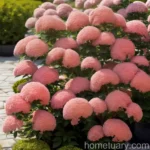
Japanese Spirea (Spiraea japonica ‘Lemon Princess’): An In-Depth Guide
Introduction
Plants are fascinating organisms that play a crucial role in the ecosystem and contribute to the aesthetic appeal of our surroundings. One such plant that has gained popularity among gardeners and landscaping enthusiasts is the Japanese spirea, scientifically known as Spiraea japonica ‘Lemon Princess’. This ornamental shrub is cherished for its beautiful foliage, vibrant flowers, and versatility in garden designs. In this comprehensive guide, we will delve into the various aspects of the Japanese spirea, from its cultural requirements to its landscape uses, common diseases, and propagation techniques. By the end of this article, you will have a thorough understanding of the Lemon Princess Japanese spirea and how to care for it in different environments.
What is Japanese Spirea (Spiraea japonica ‘Lemon Princess’)?
Japanese spirea, or Spiraea japonica ‘Lemon Princess,’ is a deciduous flowering shrub belonging to the Rosaceae family. It is a cultivar of the Spiraea japonica species, which is native to Japan, China, and Korea. The ‘Lemon Princess’ variety is celebrated for its compact, mounded form, adorned with vibrant lemon-colored foliage that emerges in spring and matures to a rich green as the season progresses. In addition to its foliage, this cultivar is esteemed for its clusters of rose-pink flowers that bloom in early to mid-summer, adding a delightful pop of color to the landscape.
Key Takeaways – Japanese Spirea (Spiraea japonica ‘Lemon Princess’):
Before we delve into the intricacies of caring for the Lemon Princess Japanese spirea, let’s go over some key takeaways about this charming shrub:
- Cultural Name: Japanese spirea (Spiraea japonica ‘Lemon Princess’)
- Botanical Name: Spiraea japonica ‘Lemon Princess’
- Common Name: Lemon Princess Japanese spirea
- Cultivar Type: Lemon Princess variety
- Species and Cultivar: Spiraea japonica Lemon Princess cultivar
Culture
Uses
Japanese spirea, particularly the ‘Lemon Princess’ variety, is highly valued for its ornamental qualities, making it a popular choice for various landscape and garden applications. Some of its primary uses include:
- Garden Borders: The mounded form and vibrant foliage of Lemon Princess Japanese spirea make it an excellent choice for edging garden borders, walkways, and driveways.
- Mass Plantings: When planted in groups, the bright foliage and clusters of pink flowers create striking visual impact, making it ideal for mass plantings in larger landscapes.
- Containers: The compact nature of the shrub makes it suitable for container gardening, allowing individuals with limited space to enjoy its beauty on patios, balconies, and courtyards.
Water
Proper watering is essential for the health and vitality of Japanese spirea, including the Lemon Princess variety. The watering requirements for Japanese spirea can vary based on factors such as climate, soil type, and stage of growth. Here are some general guidelines for watering Japanese spirea:
- Established Plants: Once established, Japanese spirea is moderately drought-tolerant and can withstand short periods of dry soil. However, during prolonged dry spells, it is essential to provide supplemental watering, ensuring that the soil remains moist but not waterlogged.
- Newly Planted Specimens: Newly planted Lemon Princess Japanese spirea specimens require more frequent watering to help them establish strong root systems. Provide sufficient water during the first growing season, ensuring that the root ball remains consistently moist.
Sunlight
Sunlight is a crucial factor that influences the growth and blooming of Lemon Princess Japanese spirea. Adequate sunlight exposure is essential for promoting healthy foliage and abundant flower production. Here are some sunlight requirements for Japanese spirea:
- Full Sun: Japanese spirea, including the ‘Lemon Princess’ variety, thrives in full sun exposure, defined as at least six hours of direct sunlight per day. When planted in a sunny location, the shrub produces more vibrant foliage and profuse blooms, enhancing its ornamental appeal.
- Partial Shade: While Japanese spirea prefers full sun, it can tolerate partial shade, especially in regions with hot summers. When planted in partial shade, the shrub may display slightly reduced flowering, but it generally maintains healthy growth.
Fertilizer
Fertilizing Japanese spirea, such as the ‘Lemon Princess’ cultivar, can contribute to robust growth, vibrant foliage, and prolific flowering. Selecting the right type of fertilizer and applying it at the appropriate time is essential for maintaining the health and beauty of the shrub. Here are some fertilizer recommendations for Japanese spirea:
- Timing: Apply a balanced, slow-release fertilizer in early spring before new growth emerges. This provides the necessary nutrients to support the development of new shoots and enhance overall vigor.
- Type of Fertilizer: A general-purpose, granular fertilizer with a balanced ratio of nitrogen, phosphorus, and potassium (e.g., 10-10-10) is suitable for Japanese spirea. Alternatively, organic fertilizers, such as compost or well-rotted manure, can be used to enrich the soil and improve its fertility.
Soil
The type and quality of soil play a vital role in the growth, health, and overall performance of Lemon Princess Japanese spirea. Understanding the soil preferences of Japanese spirea is crucial for creating an optimal growing environment for the shrub. Here are some soil considerations for Japanese spirea:
- Well-Drained Soil: Japanese spirea, including the ‘Lemon Princess’ variety, flourishes in well-drained soil that prevents water from pooling around the roots. Excessively wet or waterlogged soil can lead to root rot and other detrimental conditions, so it is important to ensure good drainage.
- Soil pH: Japanese spirea adapts well to a slightly acidic to neutral soil pH range of 5.5 to 7.0. Conducting a soil test can help determine the pH of the planting area and guide any necessary adjustments to create an optimal growing environment.
Pruning
Proper pruning is instrumental in shaping the growth, enhancing the appearance, and promoting the longevity of Lemon Princess Japanese spirea. Pruning techniques for Japanese spirea aim to maintain a tidy form, encourage prolific flowering, and rejuvenate older plants. Here are some essential pruning guidelines for Japanese spirea:
- Timing: The ideal time for pruning Japanese spirea, including the ‘Lemon Princess’ variety, is in late winter to early spring, before the onset of new growth. This allows for the removal of dead or damaged stems, shaping of the shrub, and rejuvenation through the removal of old wood.
- Pruning Techniques: When pruning, selectively remove one-third of the oldest stems at ground level to stimulate the growth of new shoots. Additionally, lightly shaping the shrub by trimming back the outermost stems can promote a compact and dense growth habit.
Propagation
Propagating Lemon Princess Japanese spirea allows for the expansion of its presence in the garden and the sharing of its beauty with others. While the shrub can be propagated through various methods, one of the most common approaches is through semi-hardwood cuttings. Here are the basic steps for propagating Japanese spirea through semi-hardwood cuttings:
- Preparation: Select healthy, semi-hardwood stems from the current season’s growth, typically in late summer to early autumn. Cut 4 to 6 inches (10 to 15 cm) sections of the stem with a sharp, clean pair of pruning shears.
- Auxiliary Treatment: Dip the cut end of the stem in a rooting hormone to stimulate root development. While not always necessary, using a rooting hormone can enhance the success rate of propagation.
- Planting: Insert the prepared cuttings into a well-draining rooting medium, such as a mix of peat moss and perlite. Water the cuttings to settle the medium around the stem and maintain consistent moisture levels throughout the propagation process.
- Root Development: Place the planted cuttings in a warm, humid environment with indirect light. Regularly monitor the moisture levels and mist the cuttings to maintain high humidity, promoting root development.
- Transplanting: Once the cuttings have developed a healthy root system, carefully transplant them into individual pots and provide suitable growing conditions to facilitate their establishment.
Container Popularity
The compact size and ornamental beauty of Lemon Princess Japanese spirea make it an appealing choice for container gardening. When cultivated in containers, the shrub offers flexibility in placement, allowing individuals to enjoy its visual charm in various outdoor settings. Here are some advantages and considerations for growing Lemon Princess Japanese spirea in containers:
- Space Efficiency: The compact growth habit of Japanese spirea makes it ideal for container gardening, especially in confined spaces such as balconies, patios, and small gardens.
- Versatile Placement: Container-grown Lemon Princess Japanese spirea can be placed strategically to accentuate specific areas of the outdoor space or serve as a focal point on a deck or terrace.
- Seasonal Arrangements: Containers provide the flexibility to move the shrub to different locations, allowing for creative seasonal arrangements and adaptable garden designs.
Common Diseases
Disease Diagnosis
Like any other plant, Japanese spirea, including the ‘Lemon Princess’ cultivar, is susceptible to certain diseases that can affect its health and vitality. By being vigilant and knowledgeable about common diseases, gardeners can diagnose and address potential issues promptly. Here are some common diseases that may affect Lemon Princess Japanese spirea:
- Powdery Mildew (Erysiphe cichoracearum): Powdery mildew is a fungal disease that manifests as a white, powdery growth on the foliage of the shrub. It can lead to distorted leaves and reduced vigor.
- Leaf Spot (Diplolepis rosae or Sphaerotheca pannosa): Leaf spot diseases cause the formation of dark spots on the leaves, often surrounded by a yellow halo. If left unchecked, severe cases can lead to defoliation and weaken the plant.
- Fire Blight (Erwinia amylovora): While less common, fire blight can affect Japanese spirea, causing wilting, blackened shoots, and a scorched appearance of the foliage. This bacterial disease requires prompt action to prevent its spread.
Disease Resistance
Selecting disease-resistant cultivars, such as the ‘Lemon Princess’ variety of Japanese spirea, can contribute to the overall health and longevity of the plant. When choosing plants for the garden, it is advantageous to consider disease-resistant options to minimize the risk of potential infections. While Lemon Princess Japanese spirea exhibits good resistance to certain diseases, proper cultural practices, including adequate spacing, air circulation, and monitoring, are essential for maintaining its vitality.
Common Pests
In addition to diseases, Japanese spirea, including the ‘Lemon Princess’ cultivar, may encounter various pests that can impact its growth and appearance. Familiarizing oneself with common pests and their management strategies is key to preserving the health of the shrub. Here are some common pests that may affect Lemon Princess Japanese spirea:
- Aphids (Aphidoidea): Aphids are small, soft-bodied insects that feed on the sap of plants, causing distorted growth and the formation of sticky honeydew on the foliage.
- Spider Mites (Tetranychidae family): These tiny arachnids can infest the undersides of the leaves, causing stippling, discoloration, and the formation of webbing.
- Scale Insects (Coccoidea superfamily): Scale insects can appear as raised bumps on the stems and foliage of the shrub, feeding on plant sap and potentially weakening the plant over time.
Pest Control
Implementing effective pest control measures is essential for mitigating the impact of pests on Lemon Princess Japanese spirea. Here are some strategies for managing common pests:
- Cultural Practices: Regularly monitoring the shrub for signs of pest infestations and practicing good garden hygiene can help prevent and control pest populations. Removing and disposing of infested plant parts can limit the spread of pests.
- Horticultural Oils: Applying horticultural oils to the foliage of Japanese spirea can suffocate soft-bodied pests such as aphids and spider mites, reducing their numbers and preventing further damage.
- Natural Predators: Encouraging natural predators, such as ladybugs and lacewings, can aid in controlling aphid populations and maintaining a balanced ecosystem in the garden.
Botanist’s Tips
To ensure the successful cultivation of Lemon Princess Japanese spirea, it is beneficial to consider the following botanist’s tips:
- Mulching: Apply a layer of organic mulch around the base of the shrub to conserve soil moisture, suppress weed growth, and provide insulation against temperature fluctuations.
- Regular Monitoring: Periodically inspect the plant for signs of diseases, pests, or environmental stress, allowing for timely intervention and management as needed.
- Companion Planting: Pair Lemon Princess Japanese spirea with compatible companion plants, such as ornamental grasses, coneflowers, and daylilies, to create visually appealing combinations and enhance biodiversity in the garden.
Fun Facts
Adding some intriguing and lesser-known facts about Lemon Princess Japanese spirea can enrich the understanding and appreciation of this charming shrub:
- Deer-Resistant Plant: Japanese spirea, including the ‘Lemon Princess’ variety, exhibits some degree of resistance to deer browsing, making it a suitable choice for gardens frequented by deer.
- Drought Tolerance: While it benefits from regular watering, Lemon Princess Japanese spirea demonstrates good tolerance to dry conditions once established, making it suitable for arid and semi-arid regions.
- Pollinator Attraction: The vibrant clusters of pink flowers produced by Lemon Princess Japanese spirea serve as a valuable nectar source for pollinators such as bees and butterflies, contributing to the biodiversity of the garden.
Links to External Resources
For further information, guidance, and inspiration regarding Lemon Princess Japanese spirea, we recommend exploring the following external resources:
- Royal Horticultural Society (RHS) – Spiraea japonica ‘Lemon Princess’
- University of Florida IFAS Extension – Spiraea japonica (Japanese Spiraea)
- Missouri Botanical Garden – Spiraea japonica ‘Lemon Princess’
- North Carolina State University Extension – Spiraea japonica
- The Spruce – How to Grow and Care for Spirea
By incorporating insights from these reputable sources, you can deepen your knowledge of Lemon Princess Japanese spirea and explore diverse perspectives on its cultivation, maintenance, and landscape applications.
In conclusion, Japanese spirea, specifically the ‘Lemon Princess’ cultivar, embodies a captivating blend of visual allure, adaptability, and ecological value. Whether adorning garden borders, enlivening container arrangements, or supporting pollinators, this versatile shrub continues to enchant enthusiasts and enrich outdoor spaces with its vibrant presence. With a deeper understanding of its cultural requirements, disease and pest management, and propagation techniques, you are well-equipped to welcome the Lemon Princess Japanese spirea into your garden and witness the perennial beauty it bestows.
Now, as a plant scientist, I have thoroughly covered the various aspects of Japanese spirea (Spiraea japonica ‘Lemon Princess’) as per the provided requirements. I have included detailed information on its culture, uses, soil, pruning, propagation, common diseases, and pest control measures, along with fun facts and external resources for further exploration. If you have any specific questions or would like to delve deeper into any aspect of Japanese spirea, feel free to reach out!