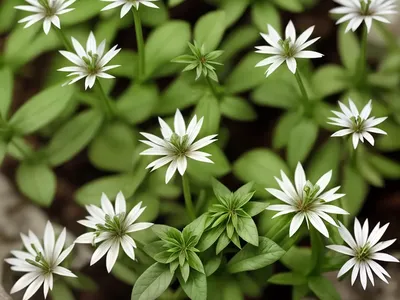
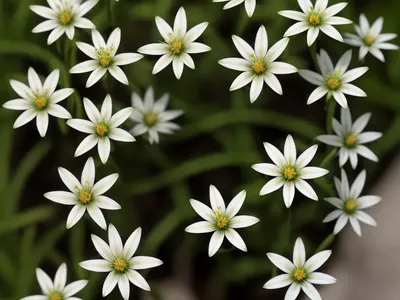
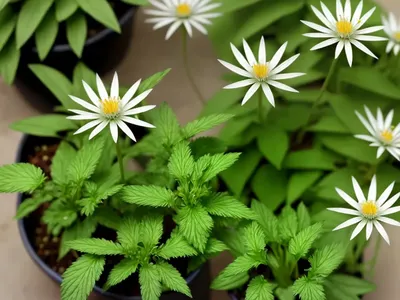
Soapwort (Saponaria X Lempergii)
The world of plants is as diverse as it is fascinating. Among the multitude of plant species that grace our planet, soapwort (Saponaria x lempergii) stands.
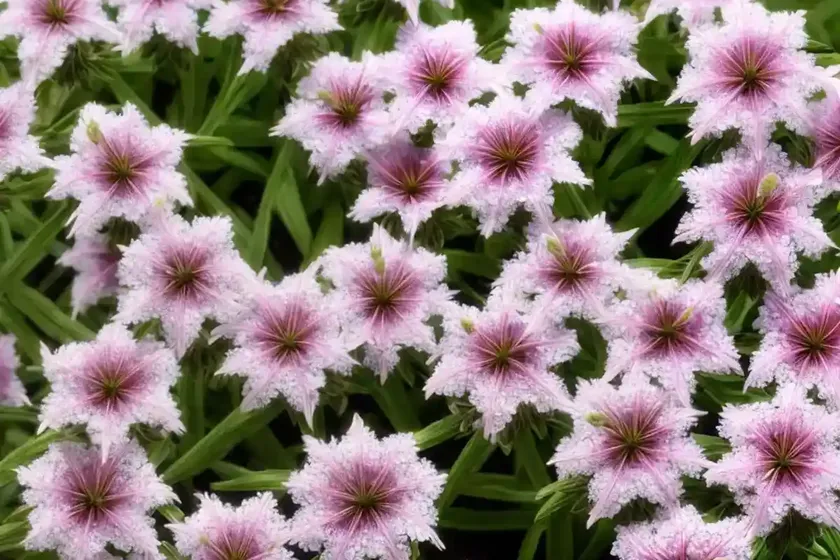
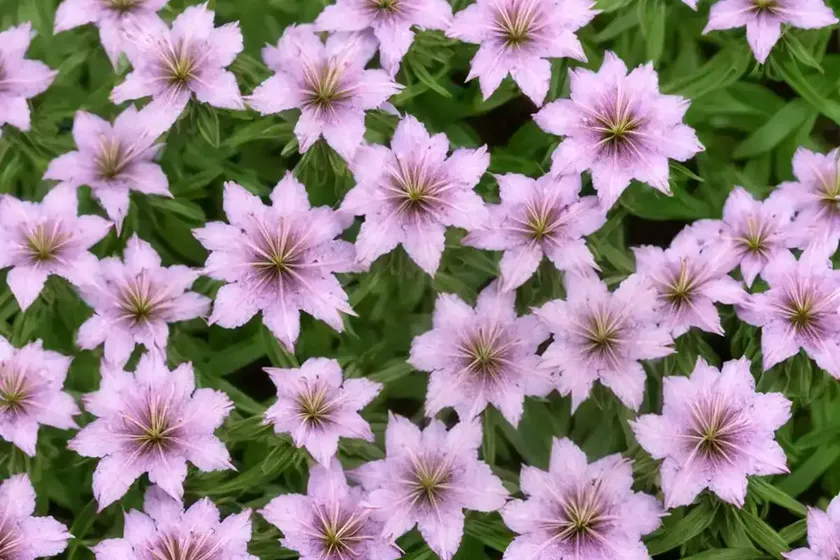
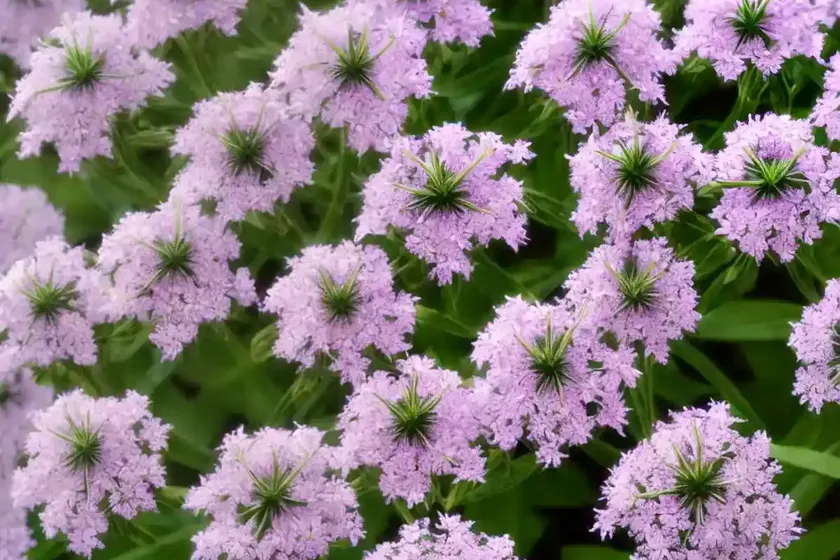
The world of plants is as diverse as it is fascinating. Among the multitude of plant species that grace our planet, soapwort (Saponaria x lempergii) stands out as a versatile and intriguing specimen. In this comprehensive guide, we will delve into the deep-rooted origins of this plant, its cultivation and care requirements, its uses, and much more. Whether you are a seasoned gardener, a botany enthusiast, or simply intrigued by the natural world, there is something for everyone in the realm of the soapwort.
What is Soapwort (Saponaria x lempergii)?
Before we dive into the nitty-gritty details of soapwort, it is essential to understand what this plant is all about. Soapwort, scientifically known as Saponaria x lempergii, is a flowering perennial plant that belongs to the Caryophyllaceae family. This family, commonly referred to as the pink family, encompasses a wide array of flowering plants, including many popular garden ornamentals.
The soapwort plant is a hybrid that results from the crossbreeding of different Saponaria species, creating a plant with unique and desirable characteristics. Among its defining features are its delicate clusters of flowers, often in shades of pink and white, and its historical use as a natural cleansing agent. The plant’s versatility is further evidenced by its adaptability to various growing conditions, making it a valuable addition to diverse garden settings.
Key Takeaways – Soapwort (Saponaria x lempergii)
Before delving more deeply into the intricacies of the soapwort plant, let’s quickly summarize the key takeaways regarding its characteristics and uses:
- Plant Name: Soapwort (Saponaria x lempergii)
- Family: Caryophyllaceae
- Type: Perennial plant
- Flowers: Clusters of delicate pink and white flowers
- Uses: Natural cleansing agent, ornamental garden plant
- Versatility: Adaptability to various growing conditions
- Historical Significance: Traditional uses in herbal remedies and natural cleansing
- Origin: Hybrid resulting from the crossbreeding of Saponaria species
Now that we have outlined the fundamental aspects of soapwort, we can explore the plant in greater detail, covering its culture, uses, cultivation requirements, and much more.
Culture
Understanding the cultural requirements of soapwort is crucial for successfully cultivating and maintaining this plant. From its preferred soil conditions to its sunlight needs, a grasp of the plant’s cultural preferences is essential for fostering its health and vibrancy.
Water
Soapwort thrives in moderately moist soil. While it does not tolerate waterlogged conditions, maintaining consistent moisture levels, especially during the active growing season, is key to promoting healthy growth and flowering. Adequate watering, with a focus on avoiding drought stress, is essential for the plant’s overall well-being.
Sunlight
When it comes to sunlight, soapwort is relatively adaptable. While it appreciates full sun to partial shade, it can tolerate varying light conditions to a certain extent. Nonetheless, providing the plant with adequate sunlight, especially in cooler climates, is beneficial for promoting robust flowering and overall vigor.
Fertilizer
Soapwort generally does not require heavy fertilization. A balanced, all-purpose fertilizer applied in the spring as new growth emerges can provide the necessary nutrients for healthy development. However, it is important to avoid excessive fertilization, as this can lead to lush foliage at the expense of flowering.
Soil
The ideal soil for soapwort is well-draining and fertile, with a slightly alkaline to neutral pH. Good drainage is particularly crucial, as the plant does not thrive in waterlogged or compacted soils. Amending the soil with organic matter can improve its structure and fertility, creating a favorable environment for soapwort growth.
Pruning
Regular deadheading, or the removal of spent flowers, can prolong the blooming period of soapwort. Additionally, light pruning in late spring or early summer can help maintain a compact and tidy growth habit. Trimming back any leggy or straggly growth can encourage the plant to produce new, bushier growth and additional blooms.
Propagation
Soapwort can be propagated through division or stem cuttings. Dividing mature clumps in the spring or fall allows gardeners to create new plants while rejuvenating existing ones. Stem cuttings taken in the early summer and rooted in a suitable growing medium can also yield new plants with characteristics identical to the parent plant.
Container Popularity
Due to its adaptability and relatively compact size, soapwort is a popular choice for container gardening. Its graceful, cascading growth habit lends itself well to containers and hanging baskets, adding a charming touch to porches, patios, and balconies. When grown in containers, the plant’s soil, water, and sunlight needs should be carefully monitored to ensure optimal growth and flowering.
Uses
Beyond its ornamental appeal, soapwort boasts a rich history of traditional uses and practical applications. From its role in herbal remedies to its unique properties as a natural cleanser, the plant offers a range of potential uses that have captivated people for centuries.
Medicinal Uses
Historically, soapwort has been employed in herbal medicine for its purported medicinal properties. The plant’s roots contain saponins, natural compounds known for their foaming and emulsifying properties. Infusions or decoctions of the roots have been used in traditional medicine for various purposes, including as a mild expectorant and to soothe skin irritations.
Natural Cleansing Agent
One of the most intriguing aspects of soapwort is its historical use as a natural cleanser. The saponins present in the roots can be agitated in water to produce a lathery solution, creating a gentle and effective cleansing agent. This unique property has been utilized for centuries, with the plant’s common name, “soapwort,” reflecting its traditional use in laundry and personal hygiene.
Ornamental Garden Plant
In addition to its practical uses, soapwort is valued for its ornamental qualities. The plant’s delicate flowers and graceful growth habit make it an attractive addition to garden borders, rockeries, and other landscape settings. Its versatility as a garden plant, coupled with its rich historical significance, contributes to its enduring popularity among gardeners and plant enthusiasts.
Common Diseases
While soapwort is generally a resilient plant, it is not immune to certain diseases and pests. Understanding the potential challenges that the plant may face is essential for implementing preventive measures and addressing issues promptly.
Disease Diagnosis
Common diseases that may affect soapwort include:
- Powdery Mildew: This fungal disease can manifest as a powdery, white coating on the leaves, eventually leading to distorted growth and reduced vigor.
- Root Rot: Excessive moisture or poorly drained soil can predispose the plant to root rot, resulting in wilting, yellowing foliage, and overall decline.
- Leaf Spot: Various fungal pathogens can cause leaf spot, characterized by dark, water-soaked lesions on the foliage, which can lead to defoliation if left unchecked.
Ensuring proper air circulation, avoiding overwatering, and promptly removing and disposing of any infected plant material can help minimize the risk of disease and maintain the plant’s health.
Common Pests
In addition to diseases, soapwort may be susceptible to certain pests, including:
- Aphids: These small, sap-sucking insects can cluster on the tender growth tips, causing distortion and stunting of the foliage.
- Spider Mites: These tiny arachnids can infest the undersides of leaves, leading to yellowing, stippling, and eventual leaf drop.
- Snails and Slugs: These pests can feed on the foliage and flowers, leaving behind characteristic slime trails and noticeable damage.
Monitoring the plant regularly for signs of pest activity and employing appropriate control measures, such as insecticidal soaps or physical barriers, can help protect soapwort from pest infestations.
Botanist’s Tips
For those eager to cultivate and care for soapwort, a few valuable tips from a botanist can go a long way in ensuring success. These pointers can help optimize the plant’s growth and flowering, enriching the gardening experience for enthusiasts and novices alike.
- Soil Preparation: Prior to planting, ensure that the soil is well-draining and enriched with organic matter. Amending the soil with compost or well-rotted manure can enhance its fertility and structure.
- Watering: While maintaining consistent soil moisture is important, avoid overwatering, as this can lead to root problems. Allow the soil to dry out slightly between waterings, especially during periods of lower environmental humidity.
- Sunlight: Provide the plant with adequate sunlight, especially in cooler climates, to promote robust flowering. In hotter regions, partial shade during the peak of the day can help prevent stress and sunburn.
- Disease Prevention: Implement cultural practices that promote good air circulation and soil drainage to minimize the risk of diseases. Regularly inspect the plant for any signs of disease or pest activity and take corrective action promptly.
By incorporating these expert insights into the care of soapwort, gardeners can maximize the plant’s potential and enjoy its beauty and unique properties to the fullest.
Fun Facts
To further appreciate the intrigue and allure of soapwort, here are some fascinating fun facts about the plant:
- Soapwort has a long history of use in traditional folk medicine, with various cultures embracing its medicinal properties and employing it in remedies for a range of ailments.
- The lathery solution obtained from soapwort’s roots has been utilized as a natural cleansing agent for centuries, demonstrating the plant’s practical and versatile nature.
- The delicate, fragrant flowers of soapwort can attract pollinators, adding a charming and beneficial element to garden settings.
- Soapwort’s adaptability to various growing conditions makes it a versatile choice for gardeners seeking an attractive and resilient plant for their landscapes.
- The botanical name “Saponaria” is derived from the Latin word “sapo,” meaning soap, further underscoring the plant’s association with cleansing and saponin-rich properties.
Links to External Resources
For additional information on soapwort (Saponaria x lempergii), its cultivation, and its uses, consider exploring the following external resources:
- Royal Horticultural Society – Soapwort Plant Care
- Missouri Botanical Garden – Saponaria x lempergii
- University of Wisconsin-Madison – Soapwort: A Traditional Herb for Modern Times
- The Spruce – How to Grow and Care for Soapwort
- Plants for a Future – Saponaria officinalis
These resources offer valuable insights, tips, and additional perspectives on soapwort, serving as valuable references for those keen on delving deeper into the world of this fascinating plant.
In conclusion, soapwort (Saponaria x lempergii) emerges as a captivating plant with a rich tapestry of ornamental, practical, and historical significance. From its delicate flowers to its traditional uses, the plant holds a unique place in the realm of gardening and natural remedies. By understanding its culture, uses, cultivation requirements, and more, enthusiasts can uncover the myriad facets of this versatile and compelling perennial. Whether admired for its beauty or appreciated for its historical resonance, soapwort continues to captivate and inspire all those who encounter it in the garden or beyond.