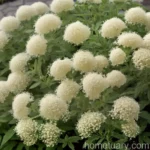
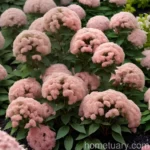
Spirea (Spiraea decumbens) – A Groundcover Gem
Introduction
Spirea, scientifically known as Spiraea decumbens, is a delightful groundcover plant that belongs to the Rosaceae family. This charming plant is also recognized by several common names such as spiral bush, decumbent spirea, dwarf spirea, and groundcover spirea. On a broader scale, spirea is renowned for its contribution to landscaping, adding beauty and functionality to gardens and outdoor spaces. In this comprehensive guide, we will delve into the intricacies of spirea (Spiraea decumbens), explore its cultural uses, optimal growing conditions, and how to care for this stunning plant to ensure its thriving presence in your garden.
Key Takeaways – Spirea (Spiraea decumbens)
- Scientific Name: Spiraea decumbens
- Common Names: Spirea plant, Spiral bush, Decumbent spirea, Dwarf spirea, Groundcover spirea
- Family: Rosaceae
- Plant Type: Small shrub, low-growing spirea
- Optimal Uses: Groundcover, container, borders, rock gardens, erosion control
- Characteristics: Low-maintenance, attractive flowers, suitable for various garden design styles
- Growth Habit: Decumbent, spreads horizontally, forms dense colonies
- Maintenance: Requires minimal pruning, suitable for low-maintenance landscapes
Culture
Water
Spirea (Spiraea decumbens) exhibits a moderate need for water, especially during its establishment phase. Once the plant is well-rooted and has developed a robust system, it can display a degree of drought tolerance. However, consistent moisture is crucial during the initial growth period. When watering spirea, it’s essential to strike a balance, ensuring that the soil is neither waterlogged nor excessively dry. Observing the moisture levels and adjusting the watering frequency based on the environmental conditions can help in maintaining the optimal moisture for spirea.
Sunlight
In terms of sunlight, spirea thrives in full sun to partial shade. While it can tolerate a range of light conditions, it typically performs best when exposed to full sun for a significant portion of the day. Adequate sunlight ensures vigorous growth, profuse flowering, and overall plant vitality. However, in regions characterized by intense heat and prolonged periods of direct sunlight, providing some afternoon shade can prevent the plant from experiencing stress and sunburn.
Fertilizer
When it comes to fertilization, spirea typically responds well to a balanced, slow-release fertilizer applied in early spring. Choosing a fertilizer with a relatively equal ratio of nitrogen, phosphorus, and potassium can support the plant’s overall development and enhance its flowering potential. It’s essential to follow the recommended application rates and avoid over-fertilization, which can result in excessive foliage growth at the expense of flower production.
Soil
Spirea (Spiraea decumbens) thrives in well-drained, loamy soil with a slightly acidic to neutral pH range. It adapts to various soil textures, including sandy and clay soils, as long as they offer good drainage. Amending the soil with organic matter, such as compost or well-rotted manure, can improve its structure and fertility, providing an ideal growing medium for spirea. Additionally, mulching around the base of the plant with organic materials can help retain soil moisture, regulate temperature, and inhibit weed competition.
Pruning
Pruning is an essential aspect of spirea care, contributing to its overall health, appearance, and flowering performance. Regular pruning helps maintain a neat, compact form and encourages the development of new growth. The best time to prune spirea is in late winter to early spring, before the onset of new growth. During this period, the plant is dormant, allowing for rejuvenation pruning and the removal of any dead, damaged, or crossing branches. Light shearing after the first flowering can also promote a second flush of blooms, extending the ornamental value of the plant.
Propagation
Spirea (Spiraea decumbens) can be propagated through several methods, including division, softwood cuttings, and layering. Each technique offers its unique advantages and can be employed based on the specific requirements and preferences of the grower. Propagation through division involves separating the plant’s root mass into sections, each with viable roots and shoots. Softwood cuttings, typically taken in late spring to early summer, are treated with a rooting hormone and placed in a suitable growing medium to stimulate root development. Layering, on the other hand, involves encouraging the growth of roots on a stem that is still attached to the parent plant, after which it can be severed and transplanted as an independent specimen.
Container Popularity
Due to its low-growing, spreading nature, and attractive foliage and flowers, Spirea (Spiraea decumbens) is well-suited for container cultivation. It lends itself well to container gardens, where its compact form and ornamental characteristics can be showcased on patios, balconies, or other outdoor spaces. When selecting a container for spirea, it’s essential to choose one with proper drainage holes to prevent waterlogging. Additionally, using a high-quality potting mix that offers good drainage and aeration can support the healthy growth of spirea in containers.
Common Diseases
While Spirea (Spiraea decumbens) is relatively resilient, it can be susceptible to certain diseases under unfavorable conditions. Being aware of common diseases and their symptoms can aid in early detection and implementation of appropriate management strategies. Some of the notable diseases that can affect spirea include:
-
Powdery Mildew: Recognized by a powdery, white coating on the foliage, powdery mildew can impact the overall health and aesthetics of spirea. Adequate air circulation, avoiding overhead watering, and applying fungicidal treatments can mitigate the incidence of powdery mildew.
-
Leaf Spot: Characterized by the presence of dark, irregularly shaped spots on the leaves, leaf spot can lead to defoliation and weaken the plant. Removing and disposing of infected plant material, as well as adopting proper sanitation practices, can help manage leaf spot.
-
Fire Blight: This bacterial disease can cause wilting, browning, and dieback of the plant’s stems and foliage. Pruning out affected branches and using disease-resistant varieties can aid in preventing the spread of fire blight within spirea populations.
Disease Diagnosis
Accurately diagnosing diseases in spirea involves careful observation of the plant’s symptoms, microscopic examination of the affected tissue, and, in some cases, laboratory analysis to confirm the presence of pathogens. Consulting with local extension services, plant pathologists, or experienced horticulturists can provide valuable insights into disease diagnosis and the selection of suitable management practices.
Common Pests
While spirea (Spiraea decumbens) is generally resistant to pest infestations, certain insects can pose potential threats, especially during periods of environmental stress or when the plant is in a weakened state. Some of the common pests that can affect spirea include:
-
Aphids: These small, soft-bodied insects can congregate on the undersides of spirea leaves, feeding on plant sap and excreting honeydew. Natural predators, such as ladybugs and lacewings, can help keep aphid populations in check.
-
Spider Mites: These tiny arachnids can cause stippling and webbing on spirea leaves, leading to reduced photosynthetic activity. Regularly inspecting the foliage and employing horticultural oils or insecticidal soaps can help manage spider mite infestations.
-
Scale Insects: Scale insects can attach themselves to the stems and leaves of spirea, feeding on plant fluids and causing yellowing and wilting of the foliage. Pruning out heavily infested branches and applying horticultural oils can aid in controlling scale insect populations.
Botanist’s Tips
To ensure the successful cultivation of spirea (Spiraea decumbens) and optimize its ornamental value, consider the following botanist’s tips:
-
Companion Planting: Pair spirea with companion plants that complement its size, form, and flowering attributes. Selecting compatible plants can enhance the visual appeal of the landscape and create harmonious plant combinations.
-
Overwintering Care: In regions with cold winters, providing adequate protection to spirea during the winter months is crucial. Applying a layer of mulch around the base of the plant and shielding it from harsh winds can safeguard it from winter damage and promote its vigor in the following growing season.
-
Regular Monitoring: Routine monitoring of spirea for signs of stress, disease, or pest infestations allows for prompt intervention and the implementation of targeted solutions. Observing the plant’s performance throughout the year facilitates proactive management and sustains its overall health.
Fun Facts
Did You Know?
- The genus name Spiraea is derived from the Greek word speira, which means wreath, alluding to the plant’s clustered or wreath-like inflorescences.
- Spirea is often valued for its attraction to pollinators, including bees, butterflies, and other beneficial insects, contributing to ecological diversity and garden vitality.
- Certain cultivars of Spirea (Spiraea decumbens) exhibit striking autumn foliage, transitioning to vibrant hues of red, orange, and yellow, adding seasonal interest to the landscape.
Links to External Resources
For further exploration of spirea (Spiraea decumbens) and related topics, consider the following external resources:
- Missouri Botanical Garden – Spiraea decumbens
- Royal Horticultural Society – Spirea
- Penn State Extension – Growing Spirea
- University of Florida IFAS Extension – Integrated Pest Management for Aphids