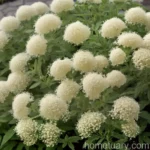
All About Japanese Spirea (Spiraea japonica ‘Froebelii’)
Introduction to Japanese Spirea
Japanese spirea, scientifically known as Spiraea japonica ‘Froebelii,’ is a beautiful deciduous shrub that belongs to the rose family, Rosaceae. This compact and versatile plant originates from Japan, China, and Korea and is widely cultivated for its ornamental attributes. The ‘Froebelii’ variety is particularly cherished for its exquisite foliage, attractive flowers, and overall low-maintenance requirements, making it a popular choice for gardens, landscapes, and naturalistic settings.
Key Takeaways
Let’s delve into the key takeaways about Japanese spirea, including its cultural requirements, uses, and common cultivation practices.
Culture
- Scientific Name: Spiraea japonica ‘Froebelii’
- Common Name: Japanese Spirea
- Type: Deciduous shrub
Uses
- Ornamental: Popularly used for ornamental purposes in gardens, landscapes, and naturalistic plantings
- Hedging: Suitable for hedging and border plantings due to its dense, compact growth habit
- Wildlife Attraction: Attracts pollinators such as bees and butterflies, making it a beneficial addition to wildlife-friendly gardens
Water
- Watering Needs: Moderate watering is required, ensuring the soil is consistently moist but not waterlogged
- Drought Tolerance: Exhibits moderate tolerance to dry conditions once established
Sunlight
- Sun Exposure: Prefers full sun to partial shade for optimal growth and flowering
- Tolerance: Exhibits good tolerance to full sun exposure
Fertilizer
- Fertilization: Benefits from a balanced, slow-release fertilizer applied in spring to support healthy growth and abundant flowering
- Soil Enrichment: Incorporating organic matter into the soil before planting can enhance its overall fertility and health
Soil
- Soil Type: Thrives in well-draining, fertile soils with a slightly acidic to neutral pH
- Soil Moisture: Requires consistently moist soil conditions, although it can tolerate brief periods of waterlogging
Pruning
- Pruning Requirements: Regular pruning, ideally in late winter or early spring, to encourage vigorous growth and maintain a neat, compact shape
- Techniques: Utilize sharp, clean pruning tools to remove spent flowers and older stems, promoting new growth and rejuvenation
Propagation
- Propagation Methods: Easily propagated from softwood cuttings in early summer or hardwood cuttings in late autumn
- Rooting Medium: Utilize a well-draining rooting medium and provide bottom heat for successful propagation
Container Popularity
- Suitability: Well-suited for container cultivation, allowing for versatility in placement and design possibilities
- Container Size: Select a sufficiently large container to accommodate the plant’s root system and provide ample space for growth
Common Diseases
- Susceptibility: Moderately susceptible to fungal diseases such as powdery mildew and leaf spot
- Preventive Measures: Maintain good air circulation, avoid overhead watering, and promptly remove and dispose of diseased foliage
Disease Diagnosis
- Symptoms: Look for characteristic signs such as powdery white patches (powdery mildew) and circular, dark spots on leaves (leaf spot)
- Treatment: Implement appropriate fungicidal treatments if disease symptoms are prevalent, ensuring thorough coverage of affected areas
Common Pests
- Pest Susceptibility: Occasionally affected by aphids, spider mites, and scale insects
- Management: Regular monitoring, natural predators, and selective insecticidal applications can help control pest infestations
Botanist’s Tips
- Growth Habits: Recognize its vigorous growth and adaptability to various soil and light conditions
- Pruning Considerations: Understand the importance of regular pruning for maintaining an attractive form and promoting healthy growth
Fun Facts
- Attractiveness: The ‘Froebelii’ variety is appreciated for its captivating foliage, featuring vibrant orange to bronze hues in autumn
- Pollinator Support: Its nectar-rich flowers attract beneficial pollinators, contributing to overall garden biodiversity
Links to External Resources
To further enrich your knowledge and enhance your experience with Japanese spirea, explore the following external resources:
- The Spruce: Growing Japanese Spirea Shrubs in the Landscape
- Mississippi State University Extension: Japanese Spirea
- Royal Horticultural Society: Spiraea japonica ‘Froebelii’
Now that we have covered the essential aspects of Japanese spirea, it’s time to delve deeper into its specific characteristics and care requirements. We’ll explore its growth habits, cultural needs, maintenance practices, and the role it plays in landscapes and gardens. Whether you’re a seasoned gardener or a novice enthusiast, this comprehensive guide will equip you with the knowledge and skills to cultivate and appreciate the allure of Japanese spirea in diverse settings. Let’s embark on a fascinating journey through the world of Spiraea japonica ‘Froebelii’!
Japanese Spirea: Unveiling Its Splendor
Japanese Spirea Care
When it comes to caring for Japanese spirea, understanding its specific cultivation requirements is paramount for ensuring its vitality and visual appeal. From soil and sunlight considerations to maintenance practices and propagation techniques, here’s a detailed exploration of the essential aspects of Japanese spirea care.
Spiraea japonica Froebelii Pruning
Pruning plays a crucial role in maintaining the health, vigor, and aesthetic appeal of Japanese spirea. By implementing proper pruning techniques, you can effectively manage its growth, rejuvenate older plants, and promote abundant flowering. Understanding the nuances of pruning is essential for fostering the optimal development of Spiraea japonica ‘Froebelii.’
Growing Japanese Spirea
To cultivate thriving Japanese spirea plants, it’s important to grasp the fundamental principles of its growth and development. By addressing its water, sunlight, and soil requirements, you can create an environment conducive to robust growth, vibrant foliage, and prolific flowering. Let’s uncover the key considerations for successfully growing Japanese spirea.
Japanese Spirea Varieties
The world of Japanese spirea encompasses an array of captivating varieties, each distinguished by unique characteristics and visual allure. From graceful forms to captivating foliage colors, exploring the diverse range of Japanese spirea varieties can inspire creativity and diversity in landscaping and garden design.
Spiraea japonica Froebelii Characteristics
The ‘Froebelii’ variety of Spiraea japonica boasts distinctive characteristics that set it apart as an exceptional ornamental shrub. Its foliage, flowers, growth habits, and seasonal transformations contribute to its enchanting allure and landscape value. Let’s delve into the intrinsic characteristics that define Spiraea japonica ‘Froebelii.’
How to Propagate Japanese Spirea
Propagation serves as a valuable means of multiplying Japanese spirea plants to enhance your landscape or share their beauty with others. Discover the art of propagating Spiraea japonica through both softwood and hardwood cuttings, enabling you to expand your collection of these exquisite shrubs.
Spiraea japonica Froebelii Diseases
While Japanese spirea is generally resilient, certain diseases can pose challenges to its health and appearance. By recognizing common diseases and implementing preventive measures, you can safeguard your Spiraea japonica ‘Froebelii’ against potential threats, ensuring its sustained vitality and visual appeal.
Japanese Spirea Pruning Tips
Pruning Japanese spirea requires precision, timing, and a clear understanding of the plant’s growth habits. By following expert pruning tips and techniques, you can effectively shape, rejuvenate, and invigorate your Spiraea japonica ‘Froebelii,’ maintaining its attractiveness and health throughout the seasons.
Spiraea japonica Froebelii Landscaping Ideas
Incorporating Japanese spirea into your landscaping endeavors can introduce dynamic textures, colors, and seasonal interest to outdoor spaces. Explore creative landscaping ideas and design concepts that highlight the beauty and versatility of Spiraea japonica ‘Froebelii,’ enhancing the visual appeal of gardens and landscapes.
Japanese Spirea Companion Plants
Creating harmonious plant companionships can elevate the aesthetic impact and ecological balance of your gardens. Discover the ideal companion plants that complement and harmonize with Japanese spirea, fostering a cohesive and visually enchanting landscape.
Spiraea japonica Froebelii Foliage
The foliage of Spiraea japonica ‘Froebelii’ is a cornerstone of its visual allure, transforming throughout the seasons and contributing to its year-round charm. Explore the captivating foliage characteristics and color transitions that distinguish this remarkable variety within the Spiraea japonica species.
Japanese Spirea Maintenance
Ensuring the ongoing health and vitality of Japanese spirea involves regular maintenance practices tailored to its specific needs. By embracing key maintenance routines, you can nurture vigorous growth, prolific flowering, and overall resilience in your Spiraea japonica ‘Froebelii’ plants.
Spiraea japonica Froebelii Flower Color
The vibrant and abundant flowers of Spiraea japonica ‘Froebelii’ enrich the landscape with their captivating colors and delicate allure. From their emergence to the splendor of their full bloom, these flowers contribute to the vibrant charm and ecological significance of Japanese spirea.
Japanese Spirea Planting Tips
Strategic and informed planting practices lay the foundation for healthy, thriving Japanese spirea specimens. By adhering to essential planting tips, you can establish robust root systems, foster rapid establishment, and ensure the long-term vitality of Spiraea japonica ‘Froebelii’ in your landscape.
Spiraea japonica Froebelii Growth Rate
Understanding the growth rate and habits of Spiraea japonica ‘Froebelii’ is crucial for anticipating its developmental trajectory and spatial requirements. By gauging its growth patterns, you can make informed decisions regarding pruning, spacing, and overall management of Japanese spirea in different settings.
Japanese Spirea Pests and Diseases
While Japanese spirea is generally resilient, it can face challenges from specific pests and diseases. Recognizing common threats and initiating preventive measures can safeguard Spiraea japonica ‘Froebelii’ against potential infestations and disease outbreaks.
Spiraea japonica Froebelii Landscape Design
Incorporating Japanese spirea into landscape designs offers boundless opportunities to introduce visual interest, seasonal diversity, and ecological benefits. Explore innovative landscape design concepts that showcase the enchanting qualities and versatile nature of Spiraea japonica ‘Froebelii.’
Japanese Spirea Sun or Shade
Understanding the sunlight requirements of Japanese spirea is essential for optimizing its growth, flowering, and overall vitality. By determining its tolerance for sun and shade, you can strategically position Spiraea japonica ‘Froebelii’ in outdoor spaces, ensuring its sustained health and visual appeal.
Spiraea japonica Froebelii Soil Requirements
The soil conditions in which Japanese spirea is planted significantly influence its growth, resilience, and flowering capacity. By aligning with its specific soil requirements, you can create an optimal environment for Spiraea japonica ‘Froebelii’ to thrive and prosper.
Japanese Spirea Pruning Techniques
Adopting effective pruning techniques is integral to the health, appearance, and longevity of Japanese spirea plants. By mastering the art of pruning, you can shape, rejuvenate, and invigorate Spiraea japonica ‘Froebelii,’ fostering its aesthetic appeal and overall health.
Spiraea japonica Froebelii Winter Care
Winter care practices safeguard Japanese spirea against potential cold-related stress and damage, ensuring its resplendent return in the following growing season. Implementing appropriate winter care measures can promote the vitality and vigor of Spiraea japonica ‘Froebelii’ in colder climates.
Japanese Spirea Water Requirements
Understanding the water needs of Japanese spirea is crucial for maintaining optimal soil moisture and sustaining its health. By adhering to appropriate watering practices, you can support the vigorous growth, abundant flowering, and overall resilience of Spiraea japonica ‘Froebelii.’
Spiraea japonica Froebelii Size
Grasping the ultimate size and spread of Spiraea japonica ‘Froebelii’ aids in planning and managing its spatial requirements within landscapes and gardens. By anticipating its size, you can allocate adequate space and create visually appealing plant compositions.
Japanese Spirea Hardiness
Japanese spirea exhibits commendable hardiness, showcasing resilience in diverse climatic conditions and soil types. Understanding its hardiness ratings and adaptability can guide you in selecting and cultivating Spiraea japonica ‘Froebelii’ with confidence.
Spiraea japonica Froebelii Flowering Period
The flowering period of Spiraea japonica ‘Froebelii’ unveils a spectacular display of delicate, colorful blooms, enriching the landscape with seasonal charm. By familiarizing yourself with its flowering timeline, you can anticipate and savor the exquisite floral showcase of Japanese spirea.
Japanese Spirea Container Gardening
The versatility and compact size of Japanese spirea make it an ideal candidate for container gardening, enabling creative possibilities in outdoor and urban settings. Explore the art of container gardening with Spiraea japonica ‘Froebelii,’ harnessing its ornamental appeal to enhance diverse outdoor spaces.
Spiraea japonica Froebelii Leaf Color
The captivating leaf colors of Spiraea japonica ‘Froebelii’ contribute to its year-round visual impact, transitioning through vibrant hues and tones with each passing season. Embrace the enchanting leaf color variations of Japanese spirea, adding dynamic beauty to your landscapes and gardens.
Japanese Spirea Fall Care
Fall care practices play a pivotal role in preparing Japanese spirea for the onset of winter and sustaining its vitality through seasonal transitions. By addressing its specific fall care needs, you can ensure the resilience, health, and visual appeal of Spiraea japonica ‘Froebelii’ in the changing autumn landscape.
Spiraea japonica Froebelii Wildlife Attraction
Japanese spirea serves as a valuable resource for wildlife, attracting beneficial pollinators and contributing to ecological diversity in outdoor environments. By nurturing Spiraea japonica ‘Froebelii,’ you can foster a welcoming habitat that supports local wildlife populations.
Japanese Spirea Fertilizer Needs
Applying appropriate fertilization practices is integral to the vigor, flowering, and overall health of Japanese spirea plants. By providing essential nutrients, you can enhance the growth and floral abundance of Spiraea japonica ‘Froebelii,’ maximizing its ornamental appeal.
Spiraea japonica Froebelii Unique Features
The ‘Froebelii’ variety of Spiraea japonica exhibits unique features that set it apart as an exceptional ornamental shrub. From its captivating foliage to its vibrant blooms, explore the distinct attributes that define the allure and appeal of Japanese spirea.
Japanese Spirea Landscape Uses
Integrating Japanese spirea into diverse landscapes offers opportunities to introduce visual impact, ecological benefits, and seasonal interest. Discover the versatile landscape uses of Spiraea japonica ‘Froebelii,’ enriching outdoor spaces with its ornamental charm and dynamic presence.
Spiraea japonica Froebelii Drought Tolerance
The drought tolerance of Spiraea japonica ‘Froebelii’ underscores its adaptability and resilience in challenging environmental conditions. By acknowledging its capacity to withstand dry spells, you can confidently incorporate Japanese spirea into drought-tolerant landscapes and garden designs.
Japanese Spirea Winter Protection
Implementing effective winter protection measures safeguards Japanese spirea against potential cold-related stress and damage, ensuring its sustained vitality and visual appeal in colder climates. By optimizing winter care, you can fortify Spiraea japonica ‘Froebelii’ for a resilient emergence in the following growing season.
Spiraea japonica Froebelii Bloom Time
The bloom time of Spiraea japonica ‘Froebelii’ showcases a profusion of delicate, colorful flowers, infusing the landscape with seasonal vibrancy and charm. By appreciating its bloom time, you can anticipate and relish the exquisite floral display of Japanese spirea.
Japanese Spirea Companion Shrubs
Selecting suitable companion shrubs that thrive in tandem with Japanese spirea augments the visual impact and ecological balance of your landscape. Discover ideal companion shrubs that complement and harmonize with Spiraea japonica ‘Froebelii,’ fostering a cohesive and visually enchanting garden composition.
Spiraea japonica Froebelii Pollinator-Friendly
Japanese spirea serves as a pollinator-friendly source of nectar, attracting beneficial insects and contributing to biodiversity in outdoor environments. By nurturing Spiraea japonica ‘Froebelii,’ you can create a vibrant and welcoming habitat that supports local pollinator populations.
Japanese Spirea USDA Zones
The USDA hardiness zones dictate the suitability of Japanese spirea for specific climatic regions, guiding your selection and cultivation efforts. By aligning with its recommended USDA zones, you can cultivate Spiraea japonica ‘Froebelii’ with confidence and anticipation of its successful growth.
Spiraea japonica Froebelii Waterlogging Tolerance
Understanding the waterlogging tolerance of Spiraea japonica ‘Froebelii’ is crucial for identifying suitable growing conditions and soil requirements. By assessing its capacity to withstand waterlogged conditions, you can make informed decisions regarding its care and cultivation in diverse landscapes.
Japanese Spirea Root System
The root system of Japanese spirea plays a pivotal role in anchoring the plant, absorbing water and nutrients, and supporting its overall health and vigor. Exploring the root system characteristics aids in planning and managing the spatial requirements of Spiraea japonica ‘Froebelii’ within outdoor environments.
Spiraea japonica Froebelii Soil pH Requirements
The soil pH requirements of Spiraea japonica ‘Froebelii’ dictate the optimal soil conditions for its growth, resilience, and flowering potential. By addressing its specific soil pH preferences, you can create an ideal growing environment that fosters the sustained vitality and visual appeal of Japanese spirea.
Japanese Spirea Insect Repellent Properties
Japanese spirea exhibits natural insect-repellent properties, serving as a deterrent to specific pests and contributing to overall garden health. By harnessing its insect-repellent attributes, you can enhance pest resistance and resilience in outdoor spaces, safeguarding the health and beauty of Spiraea japonica ‘Froebelii.’
Spiraea japonica Froebelii Fragrant Flowers
The fragrant flowers of Spiraea japonica ‘Froebelii’ enrich the landscape with their delicate aroma, enhancing the sensory allure and seasonal charm of Japanese spirea. Embrace the enchanting fragrance of its flowers, adding an immersive dimension to your outdoor experiences.
Japanese Spirea Mulching Tips
Applying proper mulching techniques fortifies Japanese spirea against soil moisture fluctuations, weed growth, and temperature extremes, promoting its overall health and