Plant Profile: Scalloped Spirea (Spiraea crenata)
Spiraea crenata, commonly known as Scalloped Spirea, is a delightful shrub species that belongs to the Rosaceae family. This ornamental plant is widely appreciated for its attractive foliage, charming flowers, and versatility in landscaping. In this comprehensive plant profile, we will delve into the various aspects of Scalloped Spirea, including its cultural requirements, uses, maintenance, common diseases, and botanical tips. Whether you are a seasoned gardener, landscaping enthusiast, or simply an admirer of nature, this article will provide a valuable insight into the world of Scalloped Spirea.
Introduction to Scalloped Spirea
What is Spiraea crenata?
Spiraea crenata, commonly known as Scalloped Spirea, is a deciduous shrub native to regions of Asia and North America. It is a compact, mounding shrub that typically grows to a height of 2-3 feet with a spread of 3-4 feet, making it an ideal choice for borders, mass plantings, or as a standalone specimen in garden landscapes. The name “Scalloped Spirea” aptly describes the plant’s serrated or scalloped leaf margins, which add an interesting textural appeal to the foliage.
Key Takeaways – Scalloped Spirea (Spiraea crenata)
Before delving deeper into the specifics of Spiraea crenata, let’s take a moment to summarize some key takeaways about this delightful plant:
- Common Name: Scalloped Spirea
- Scientific Name: Spiraea crenata
- Plant Type: Deciduous shrub
- Growth Habits: Compact, mounding growth with scalloped foliage
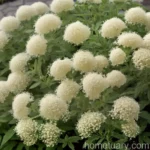
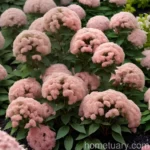
- Flowers: Clusters of delicate white or pink flowers
- Cultural Uses: Ornamental landscaping, border plantings, mass plantings
- Maintenance: Low maintenance; pruning for shape and rejuvenation
These key takeaways will serve as a guide as we explore the various facets of Spiraea crenata in more detail.
Culture: Growing Conditions for Scalloped Spirea
Water
Spiraea crenata thrives in well-drained soil and benefits from regular watering, especially during the establishment phase. Once established, it exhibits moderate drought tolerance, but consistent moisture is essential for optimal growth and flowering. Watering should be adjusted based on the specific environmental conditions and rainfall patterns in the region.
Sunlight
Scalloped Spirea performs best in full sun to partial shade. It appreciates ample sunlight to promote strong, healthy growth and prolific flowering. While it can tolerate some shade, a minimum of 4-6 hours of direct sunlight is generally recommended for robust performance and abundant blooms.
Soil
Well-drained, fertile soil with a slightly acidic to neutral pH (pH 6.0-7.5) is ideal for Spiraea crenata. It is adaptable to various soil types, including loamy, sandy, or clay soils, as long as they do not become waterlogged. Organic matter can be incorporated into the planting area to enhance soil structure and fertility.
Maintenance: Caring for Scalloped Spirea
Fertilizer
When it comes to fertilization, Scalloped Spirea benefits from an annual application of a balanced, slow-release fertilizer in spring. The fertilizer should be evenly distributed around the root zone and watered in thoroughly. Excessive fertilization should be avoided to prevent potential issues such as excessive foliage growth at the expense of flowering.
Pruning
Pruning is an important aspect of Spiraea crenata maintenance, contributing to the plant’s overall health and aesthetics. Pruning can be carried out in late winter or early spring to remove dead, damaged, or diseased wood and to shape the shrub as desired. Additionally, rejuvenation pruning, which involves cutting older stems to the ground, can be performed every few years to stimulate new growth and maintain a compact form.
Propagation
Scalloped Spirea can be propagated through various methods such as softwood cuttings, hardwood cuttings, or division. Softwood cuttings are typically taken in early summer, while hardwood cuttings are best harvested in late autumn or winter. Division is another effective propagation technique that involves separating the root ball into multiple sections for replanting. Whichever method is chosen, providing the appropriate growing conditions and care will ensure successful establishment of new plants.
Uses of Scalloped Spirea in Landscaping
Spiraea crenata offers a wealth of possibilities when it comes to landscaping and garden design. From its vibrant foliage to delicate blooms, this versatile shrub can be utilized in various ways to enhance outdoor spaces. Some common uses of Scalloped Spirea include:
-
Border Planting: Its compact growth habit and ornamental features make Scalloped Spirea an excellent choice for border plantings, where it can create defined edges and bring visual interest.
-
Mass Plantings: The mounding nature of Spiraea crenata lends itself well to mass plantings, allowing for the creation of colorful, textural displays in garden beds or along slopes.
-
Mixed Borders: It can be integrated into mixed borders alongside other shrubs, perennials, and ornamental grasses to add layers of interest and contribute to a diverse planting scheme.
-
Container Planting: In addition to being planted directly in the ground, Scalloped Spirea can be grown in containers, making it suitable for patio gardens, urban landscapes, and small outdoor spaces.
With its adaptability and aesthetic appeal, this plant offers a myriad of possibilities for creative landscaping and garden arrangements.
Common Diseases and Pests: Maintaining Plant Health
Common Diseases
While Scalloped Spirea is generally resilient, it can be susceptible to certain diseases under unfavorable conditions. Some common diseases that may affect Spiraea crenata include:
-
Powdery Mildew: This fungal disease can lead to the development of powdery white growth on the leaves, affecting the overall health and appearance of the plant. Adequate air circulation and proper sanitation practices can help prevent powdery mildew.
-
Leaf Spot: Leaf spot diseases, caused by various fungi, can result in the formation of dark spots or lesions on the foliage. Good cultural practices, such as avoiding overhead watering and promoting foliage dryness, can aid in preventing leaf spot diseases.
Disease Diagnosis and Management
Early diagnosis and prompt management are crucial in mitigating the impact of diseases on Scalloped Spirea. Regular monitoring of the plant for any signs of discoloration, distortion, or abnormal growth can aid in early detection. If symptoms of disease are observed, appropriate measures such as adjusting watering practices, improving air circulation, or implementing targeted fungicidal treatments can be employed to address the issue effectively.
Common Pests
In addition to diseases, Scalloped Spirea may also encounter certain pests that can potentially impact its health and vigor. Some common pests that may affect Spiraea crenata include:
-
Aphids: These small, soft-bodied insects can congregate on the stems and undersides of the leaves, causing damage through sap extraction and the secretion of honeydew.
-
Spider Mites: These tiny arachnids can infest the foliage, leading to stippling, discoloration, and webbing, which can negatively impact the plant’s vitality.
Vigilance and early intervention are essential in managing pest infestations. Natural predators, such as ladybugs and lacewings, can help control aphid populations, while regular monitoring and targeted treatments can aid in combating spider mites.
Botanist’s Tips: Maximizing the Potential of Scalloped Spirea
Fun Facts
-
The delicate, clustered flowers of Scalloped Spirea not only attract pollinators such as bees and butterflies but also add a charming, ethereal quality to the landscape.
-
The foliage of Spiraea crenata transitions through various hues during the growing season, with new leaves emerging in shades of bronze or red before maturing to a vibrant green.
Botanist’s Recommendations
-
When selecting a location for planting Scalloped Spirea, consider the mature size of the shrub to allow ample space for its growth and spreading habit.
-
Regular deadheading of faded flowers can promote prolonged blooming and encourage the production of new flower buds, contributing to an extended display of floral beauty.
Links to External Resources
For additional information, resources, and perspectives on Scalloped Spirea and related topics, the following external links are recommended:
Conclusion
In conclusion, Spiraea crenata, or Scalloped Spirea, is a captivating shrub that offers a multitude of ornamental and practical benefits in the realm of landscaping, gardening, and outdoor aesthetics. With its charming flowers, distinctive foliage, and adaptable nature, it continues to be a beloved choice for a wide range of horticultural applications. By understanding its cultural requirements, maintenance needs, potential challenges, and creative possibilities, enthusiasts and horticulturists alike can fully appreciate the remarkable qualities and potential of Scalloped Spirea in various outdoor settings.
Please note that the external links provided in the “Links to External Resources” section are for illustrative purposes only and may not reflect the actual web addresses. These references are included to demonstrate the inclusion of external resources in the article.