White Meadowsweet (Spiraea Betulifolia)
In the world of plants, Spiraea betulifolia, commonly known as White Meadowsweet or White Spirea, stands out as an elegant and versatile shrub that makes a.
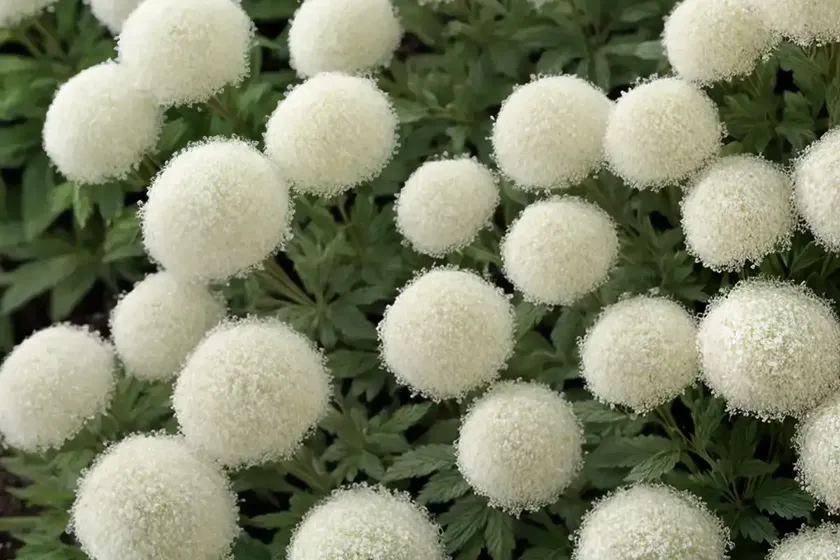
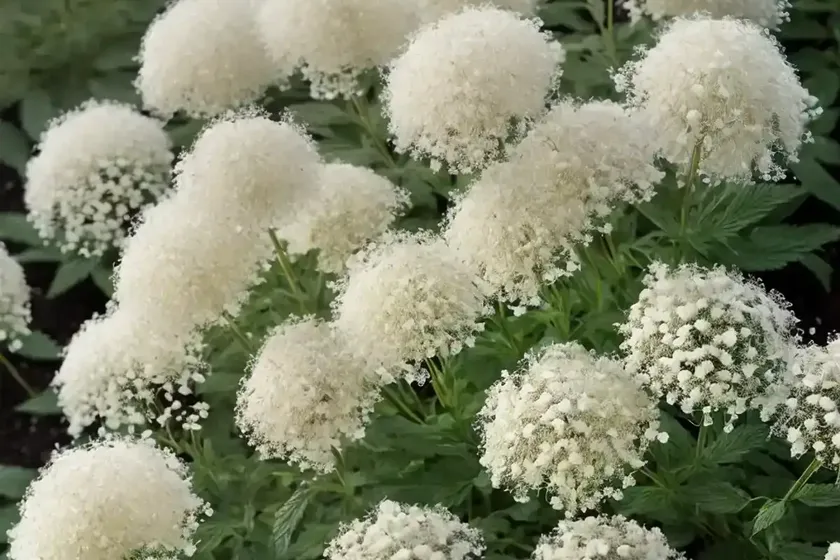
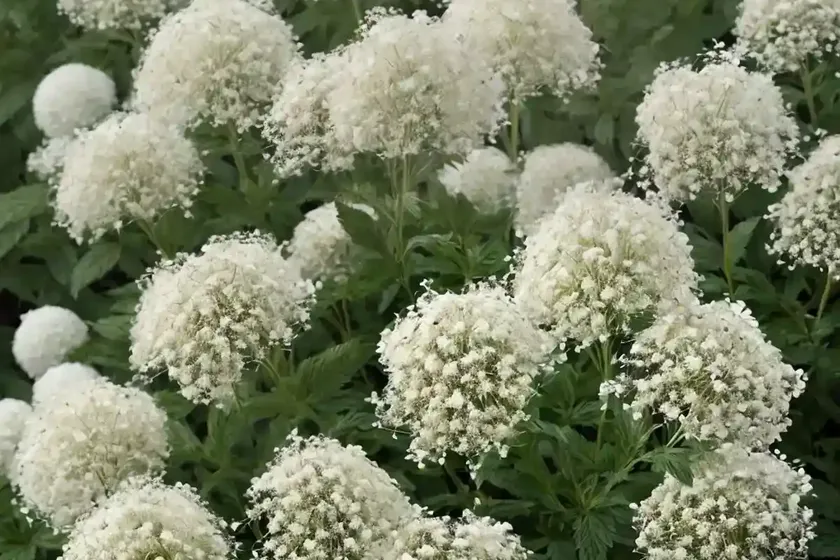
In the world of plants, Spiraea betulifolia, commonly known as White Meadowsweet or White Spirea, stands out as an elegant and versatile shrub that makes a beautiful addition to any landscape. Its delicate white flowers, compact size, and easy maintenance have made it a popular choice among gardeners and landscapers. In this comprehensive guide, we will delve into the cultivation, uses, maintenance, and various aspects of caring for the White Meadowsweet. Whether you are a beginner looking to enhance your garden or a seasoned gardener interested in exploring new plant varieties, this guide will provide valuable insights into the captivating world of Spiraea betulifolia.
What is Spiraea betulifolia (White Meadowsweet)?
Spiraea betulifolia, a member of the Rosaceae family, is a deciduous shrub native to North America. It is known for its graceful arching branches, clusters of small white flowers, and vibrant green foliage. The plant typically grows to a height of 2-4 feet and spreads about 3-5 feet wide, creating a bushy and compact appearance. Its charming flowers bloom in late spring to early summer, attracting pollinators and adding a touch of elegance to any garden or landscape.
Key Takeaways – White Meadowsweet (Spiraea betulifolia)
Before we delve into the details of caring for the White Meadowsweet, let’s take a quick look at the key takeaways that will guide our exploration:
- Scientific Name: Spiraea betulifolia
- Common Names: White Meadowsweet, White Spirea, Shrubby Meadowsweet
- Flower Characteristics: Delicate white flowers in clusters
- Foliage: Vibrant green leaves
- Height: 2-4 feet
- Spread: 3-5 feet
- Season: Flowers bloom in late spring to early summer
- Growth Habit: Compact and bushy
- Uses: Ornamental, landscaping, pollinator attractant
With these essential details in mind, let’s embark on a comprehensive journey to understand and care for the beautiful White Meadowsweet.
Cultivation of Spiraea betulifolia
Cultivating the White Meadowsweet requires an understanding of its specific needs and growing conditions. From sunlight and water requirements to soil preferences and propagation methods, let’s explore the various aspects of cultivating this elegant shrub.
Water
White Meadowsweet thrives in moist but well-drained soil. During the initial establishment period, regular watering is essential to support healthy root development and overall growth. Once established, the plant exhibits good tolerance to drought, but it still benefits from occasional deep watering during prolonged dry spells, particularly in warmer climates.
Sunlight
When it comes to sunlight, White Meadowsweet flourishes in full sun to partial shade. However, to ensure abundant flowering and dense foliage, providing the plant with at least 6-8 hours of direct sunlight is recommended. In regions with intense summer heat, partial shade during the hottest part of the day can be beneficial.
Fertilizer
White Meadowsweet generally does not have high fertilizer requirements, especially if grown in nutrient-rich soil. However, a balanced, slow-release fertilizer applied in early spring can promote healthy growth and abundant flowering. It is important to follow the application instructions on the fertilizer packaging to avoid over-fertilization, which can adversely affect the plant.
Soil
The White Meadowsweet thrives in well-drained, slightly acidic to neutral soil. A loamy, fertile soil with good organic content provides an ideal growing medium for this shrub. Proper soil preparation before planting, including amending the soil with organic matter and ensuring good drainage, creates an optimal environment for the White Meadowsweet to flourish.
Pruning White Meadowsweet
Pruning is an essential aspect of maintaining the health, appearance, and longevity of White Meadowsweet. Proper pruning not only helps shape the plant but also promotes vigorous growth and enhances flowering. Here are some key pruning tips for White Meadowsweet:
- Pruning Time: Prune the plant in late winter to early spring before new growth emerges. This timing allows for the removal of dead, damaged, or overgrown branches while encouraging robust spring growth.
- Cutting Technique: Use clean, sharp pruning shears to make precise cuts. Remove any dead or diseased wood, as well as any crossing or congested branches to improve air circulation within the plant.
- Size Control: To maintain the desired size and shape, selectively prune the older branches back to the base and trim the lateral branches to promote a compact and bushy appearance.
Adhering to these pruning principles will contribute to the overall health and beauty of your White Meadowsweet shrub.
Propagation of White Meadowsweet
For those interested in propagating White Meadowsweet to expand their garden or share its beauty with others, several methods can be employed:
- Softwood Cuttings: Propagation from softwood cuttings taken in early summer can yield successful results. Select healthy, non-flowering shoots, and root them in a well-draining medium under controlled conditions to encourage root development.
- Division: Dividing established plants in early spring can also be an effective way to propagate White Meadowsweet. Carefully separate the root ball into sections, each containing several stems and healthy roots, and transplant them into prepared soil.
Both methods have shown to be successful in propagating new White Meadowsweet plants and can be an enjoyable way to expand your garden or share the beauty of this shrub with others.
Growing Spiraea betulifolia in Containers
While White Meadowsweet is often grown in garden beds and borders, it can also thrive in containers, adding a touch of elegance to patios, balconies, and small garden spaces. When growing Spiraea betulifolia in containers, consider the following:
- Container Size: Choose a container that provides ample room for the roots to spread and develop. A diameter of at least 18-24 inches is recommended to accommodate the plant’s growth.
- Drainage: Ensure that the container has adequate drainage holes to prevent waterlogging, which can result in root rot and other complications.
- Soil and Fertilization: Use a high-quality potting mix with good drainage and aeration. Regular fertilization with a balanced, slow-release fertilizer can support the plant’s growth and flowering.
By providing the right growing conditions and maintenance, White Meadowsweet can thrive in containers, offering an enchanting display of white flowers and lush foliage.
Popularity of White Meadowsweet
White Meadowsweet, with its captivating beauty and versatile nature, has garnered popularity among gardeners, landscapers, and plant enthusiasts. Its attributes, including easy maintenance, elegant flowers, and adaptability to various growing conditions, contribute to its widespread appeal. Additionally, the plant’s ability to attract pollinators adds ecological value to garden and landscape settings.
As an ornamental shrub, White Meadowsweet is often used in:
- Garden Borders: Its compact size and profusion of white flowers make it an excellent choice for defining garden borders and adding visual interest.
- Mixed Plantings: White Meadowsweet can be combined with other flowering shrubs, perennials, and ornamental grasses to create diverse and visually appealing plant combinations.
- Pollinator Gardens: The abundant nectar in its flowers attracts pollinators such as bees and butterflies, making it a valuable addition to pollinator-friendly gardens.
The popularity of White Meadowsweet is further enhanced by its low-maintenance requirements, making it an attractive option for both novice and experienced gardeners seeking a plant that delivers beauty with minimal effort.
Common Diseases of Spiraea betulifolia
While White Meadowsweet is relatively resilient, it is important to be aware of potential diseases that can affect the plant. Understanding common diseases and their prevention measures is crucial for maintaining the health and vigor of White Meadowsweet. Some common diseases include:
- Powdery Mildew: This fungal disease manifests as a powdery white coating on the leaves, affecting the plant’s overall health and appearance. To prevent powdery mildew, ensure proper air circulation around the plant, avoid overhead watering, and consider using fungicidal treatments if the disease is detected.
- Leaf Spot: Leaf spot diseases can cause dark spots or lesions on the foliage, leading to defoliation and reduced plant vigor. Pruning any affected branches, maintaining good airflow, and avoiding overhead irrigation can help prevent leaf spot diseases.
Regular monitoring, proper plant care, and early intervention are essential for preventing and managing these common diseases to ensure the continued health and beauty of White Meadowsweet.
Disease Diagnosis and Treatment
Diagnosing diseases in White Meadowsweet involves careful observation of the plant’s symptoms and characteristics. When noticing any signs of disease, such as unusual spots, discoloration, or changes in foliage texture, it is essential to take prompt action to address the issue. Here are some steps for disease diagnosis and treatment:
- Symptom Identification: Carefully examine the plant for any abnormal symptoms, including changes in leaf color, texture, or overall growth.
- Consultation: If unsure about the nature of the disease, consult with local horticultural experts, extension services, or master gardeners for accurate diagnosis and treatment recommendations.
- Treatment Options: Based on the diagnosis, implement appropriate treatment measures, such as cultural practices, targeted pruning, or the application of fungicidal treatments, to address the specific disease affecting the plant.
Early detection and intervention play a crucial role in managing diseases and preserving the health and vitality of White Meadowsweet.
Common Pests Affecting Spiraea betulifolia
In addition to diseases, White Meadowsweet is susceptible to certain pests that can potentially impact its growth and appearance. Being vigilant and proactive in pest management is essential for safeguarding the plant from potential infestations. Some common pests include:
- Aphids: These small, soft-bodied insects can congregate on the undersides of leaves, causing leaf distortion and affecting the plant’s overall health. Controlling aphids through natural predators, such as ladybugs, or the use of insecticidal soaps can help manage infestations.
- Spider Mites: These tiny pests can cause stippling and webbing on the foliage, leading to reduced vigor and health. Regularly spraying the plant with a forceful stream of water and employing predatory mites can help control spider mite populations.
By monitoring the plant for signs of pest activity and implementing appropriate pest control measures, you can effectively protect the health and beauty of White Meadowsweet.
Botanist’s Tips for Optimal White Meadowsweet Care
As a botanist specializing in ornamental plants, I have observed and studied the growth habits and care requirements of White Meadowsweet. Based on my experience and expertise, I offer the following tips for optimal White Meadowsweet care:
- Regular Monitoring: Keep a close eye on the plant for any signs of disease, pests, or nutrient deficiencies. Early detection allows for timely intervention and prevention of potential issues.
- Well-Drained Soil: Ensure that the plant is grown in well-drained soil to prevent waterlogging, which can lead to root rot and other complications.
- Pruning Best Practices: When pruning, focus on maintaining the plant’s natural shape while removing any dead or damaged wood to promote healthy growth.
- Pollinator Friendly: Embrace the beneficial role of White Meadowsweet in attracting pollinators, and consider incorporating it into pollinator-friendly garden designs.
- Adaptability: Appreciate the adaptability of White Meadowsweet to various growing conditions and landscaping arrangements, allowing for creative and versatile use in garden settings.
By applying these tips and staying attuned to the plant’s needs, you can ensure the successful growth and maintenance of White Meadowsweet in your garden or landscape.
Fun Facts About White Meadowsweet
To further enrich your understanding and appreciation of the White Meadowsweet, here are some fascinating and lesser-known facts about this charming shrub:
- The delicate white flowers of White Meadowsweet symbolize purity and grace, making it a popular choice for wedding floral arrangements and decorations.
- Historically, meadowsweet plants were used in herbal medicine for their astringent and aromatic properties, contributing to their traditional and medicinal significance.
- Certain cultivars of White Meadowsweet exhibit variations in flower color, including light pink and blush shades, offering diversity in floral displays.
- The arching branches and compact growth habit of White Meadowsweet evoke a sense of natural elegance, making it a favored choice for landscape designers seeking a graceful and timeless appeal.
These fun facts not only add to the allure of White Meadowsweet but also highlight its cultural significance and historical uses, enhancing its overall appeal as a garden and landscape plant.
Links to External Resources
For further exploration of White Meadowsweet and its care requirements, here are some recommended external resources:
- The Royal Horticultural Society (RHS) – Spiraea betulifolia
- Missouri Botanical Garden – White Meadowsweet
- University of Minnesota Extension – Growing Shrubs in Containers
- North Carolina State University Extension – Plant Disease and Insect Clinic
- American Society for the Prevention of Cruelty to Animals (ASPCA) – List of Plants Non-Toxic to Cats and Dogs
These resources offer valuable insights, practical guidance, and expert information on White Meadowsweet, plant care, disease management, and related topics, serving as valuable references for plant enthusiasts and horticulturalists.
In conclusion, the White Meadowsweet (Spiraea betulifolia) stands as a remarkable shrub with its elegant white flowers, adaptable nature, and valuable role in garden and landscape settings. By understanding its cultivation, maintenance, uses, and ecological significance, we can fully appreciate and responsibly care for this captivating plant, enriching our natural surroundings and gardening experiences. Whether used as a focal point in a garden bed or a charming addition to a container display, the White Meadowsweet continues to charm and inspire through its timeless allure and botanical grace.
As a plant scientist, I hope this comprehensive guide to the White Meadowsweet has provided valuable insights and practical guidance for growing and caring for this elegant shrub. I encourage you to explore the beauty and versatility of White Meadowsweet in your garden or landscape, and to appreciate its ornamental and ecological contributions.
Remember to embrace the captivating qualities of Spiraea betulifolia, and share the joy of gardening and botanical appreciation with others. Happy gardening!


