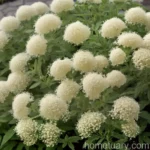
Japanese Spirea (Spiraea japonica ‘Anthony Waterer’): A Complete Plant Guide
Japanese spirea (Spiraea japonica ‘Anthony Waterer’) is a beautiful deciduous shrub that belongs to the Rosaceae family. This plant is highly valued for its stunning flowers, ease of cultivation, and versatility in landscaping. In this comprehensive guide, we will delve into the various aspects of this plant, including its cultural requirements, uses in landscaping, maintenance, and common diseases and pests. Whether you are a seasoned gardener or a novice plant enthusiast, this guide will equip you with the knowledge and skills to grow and care for Japanese spirea successfully.
What is Japanese Spirea (Spiraea japonica ‘Anthony Waterer’)?
Japanese spirea, scientifically known as Spiraea japonica ‘Anthony Waterer,’ is a cultivar of the Spiraea japonica species. This popular shrub is cherished for its profusion of vibrant pink flowers and its compact, mound-forming growth habit. The ‘Anthony Waterer’ cultivar is named after the English nurseryman Anthony Waterer and is renowned for its exceptional ornamental characteristics.
Key Takeaways – Japanese Spirea (Spiraea japonica ‘Anthony Waterer’)
- Scientific Name: Spiraea japonica ‘Anthony Waterer’
- Common Name: Japanese spirea
- Cultivar: Spiraea japonica ‘Anthony Waterer’
- Plant Type: Deciduous shrub
- Flower Color: Pink
- Growth Habit: Compact, mound-forming
- Hardiness Zone: 4 – 9
Now, let’s explore the various aspects of cultivating and caring for Japanese spirea.
Culture
Cultivating Japanese spirea involves understanding its cultural requirements, including water, sunlight, fertilizer, soil, and pruning.
Uses
Japanese spirea is prized for its versatility in landscaping and gardening. It serves various purposes in different settings, including:
- Ornamental Feature: The vibrant pink flowers of Japanese spirea make it a stunning ornamental addition to gardens and landscapes.
- Hedging: Due to its dense growth habit, it can be used as a decorative hedging plant.
- Borders and Edging: The compact growth and colorful foliage make it an excellent choice for defining borders and edges in garden beds.
- Pollinator Attraction: The flowers of Japanese spirea attract bees, butterflies, and other pollinators, making it a valuable addition to pollinator gardens.
Water
Proper watering is crucial for the health and vitality of Japanese spirea. Here are some key points to consider regarding its water requirements:
- Regular Watering: Japanese spirea prefers consistently moist soil, especially during the establishment phase.
- Avoid Waterlogging: While it requires adequate moisture, it is essential to prevent waterlogging, as overly wet conditions can lead to root rot.
Sunlight
Understanding the sunlight requirements is pivotal for the successful growth of Japanese spirea:
- Sun Exposure: It thrives in full sun to partial shade, making it adaptable to a range of light conditions.
- Optimal Sunlight: Providing it with at least 6 hours of direct sunlight results in the best flowering and overall growth performance.
Fertilizer
Fertilizing Japanese spirea can enhance its growth and blooming potential. Here are some fertilizer-related considerations:
- Balanced Fertilizer: Applying a well-balanced, slow-release fertilizer in early spring supports the plant’s nutrient needs.
- Moderate Application: Avoid excessive fertilization, as it can lead to lush foliage at the expense of flowering.
Soil
The soil composition and quality significantly impact the health and vigor of Japanese spirea:
- Well-Drained Soil: It thrives in well-drained, loamy soil with good fertility.
- pH Preference: The ideal soil pH for Japanese spirea ranges from slightly acidic to neutral (pH 6.0-7.0).
Pruning
Pruning is an essential aspect of Japanese spirea maintenance, contributing to its overall aesthetics and health:
- Timing: Prune Japanese spirea in late winter to early spring to encourage vigorous regrowth and abundant flowering.
- Techniques: Utilize sharp and clean pruning tools to remove old or damaged branches, promote air circulation, and maintain a compact form.
Propagation
Propagating Japanese spirea allows for the expansion of your plant collection. Here are some common propagation methods for this shrub:
- Softwood Cuttings: Propagate Japanese spirea from softwood cuttings taken in early summer.
- Division: Divide mature plants in early spring to create new individuals with established root systems.
Container Popularity
Japanese spirea is also well-suited for container gardening. Its compact size and ornamental appeal make it an excellent choice for container cultivation.
Container Common Diseases
While Japanese spirea is relatively resistant to diseases, certain issues may arise in container-grown specimens. Common diseases include:
- Powdery Mildew: This fungal disease can affect the foliage, causing a white powdery coating and potential leaf distortion.
- Leaf Spot: Leaf spots, often caused by fungal pathogens, can lead to aesthetic damage.
Disease Diagnosis
When dealing with potential diseases in Japanese spirea, accurate diagnosis is essential for effective management:
- Visual Symptoms: Monitor the plant for leaf discoloration, powdery coatings, or unusual spots.
- Professional Consultation: If unsure about the disease status, consider consulting a plant health specialist for accurate diagnosis and treatment recommendations.
Common Pests
Pests can occasionally pose a threat to Japanese spirea, affecting its overall vigor and appearance. Common pests include:
- Aphids: These small, sap-feeding insects can cluster on the new growth, causing distortion and honeydew production.
- Spider Mites: These tiny arachnids can inflict damage by sucking sap from the foliage, leading to yellowing and webbing on the plant.
Botanist’s Tips
Seasoned botanists and horticulturists often provide valuable insights into the cultivation and care of plants. Here are some expert tips for Japanese spirea:
- Regular Monitoring: Keep a close eye on the plant for any signs of disease, pest infestation, or nutrient deficiencies.
- Proper Mulching: Apply a layer of organic mulch around the base of the plant to conserve soil moisture and inhibit weed growth.
Fun Facts
Exploring the intriguing aspects of Japanese spirea adds a sense of wonder and appreciation for this remarkable plant:
- Cultural Significance: In certain cultures, the flowers of Japanese spirea are associated with symbolism and traditional ceremonies.
- Wildlife Support: Japanese spirea serves as a valuable source of nectar for pollinators, contributing to the ecological balance of its habitat.
Links to External Resources
To further expand your understanding of Japanese spirea, consider exploring the following external resources:
- Royal Horticultural Society – Spiraea japonica ‘Anthony Waterer’
- Missouri Botanical Garden – Spiraea japonica ‘Anthony Waterer’
In conclusion, Japanese spirea (Spiraea japonica ‘Anthony Waterer’) stands as a captivating and versatile plant, enriching gardens, landscapes, and habitats with its graceful beauty and ecological contributions. By understanding its cultural requirements, maintenance practices, and potential challenges, you can ensure the successful cultivation and longevity of this enchanting shrub in your personal or professional plantings.