Raspberry (Rubus idaeus): A Comprehensive Guide
Raspberry (Rubus idaeus) is a delicious and nutritious fruit that is enjoyed by many around the world. Known for its vibrant and flavorful berries, the raspberry plant is also valued for its ornamental appeal and versatility in the garden. In this comprehensive guide, we will explore the various aspects of the raspberry plant, including its culture, uses, care requirements, diseases and pests, propagation, and much more.
What is Raspberry (Rubus idaeus)?
Raspberry (Rubus idaeus) is a member of the Rosaceae family and is native to Europe, northern Asia, and some parts of North America. This perennial plant is known for its woody stems, compound leaves, and delicious aggregate fruit, which is commonly referred to as a raspberry. The fruit is rich in vitamins, antioxidants, and fiber, making it a popular choice for fresh consumption, culinary uses, and processing into jams, jellies, and desserts.
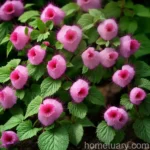
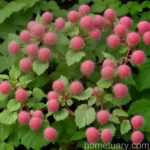
Raspberry plants are highly valued in horticulture for their ornamental appeal, particularly when in bloom and when bearing fruit. They come in various colors, including red, black, purple, and gold, adding visual interest to gardens and landscapes. With proper care and maintenance, raspberry plants can be prolific producers, providing an abundant harvest for home gardeners and commercial growers alike.
Key Takeaways – Raspberry (Rubus idaeus)
Before delving into the specifics of raspberry plant care, it’s essential to highlight the key takeaways for this plant, which will be further elaborated upon in the subsequent sections.
Raspberry Varieties
- There are various raspberry cultivars and varieties, each with distinct characteristics, including fruit size, flavor, color, and growth habits.
Growing Raspberries
- Raspberries thrive in temperate climates and are adaptable to different soil types and growing conditions.
Pruning Raspberry Plants
- Pruning is crucial for maintaining raspberry plant health, productivity, and controlling their growth.
Raspberry Plant Care
- Proper care, including watering, fertilizing, and pest management, is essential for healthy raspberry plants and bountiful fruit production.
Raspberry Plant Diseases
- Raspberry plants are susceptible to various diseases, and preventive measures are crucial for disease management.
Raspberry Pests
- Pests such as aphids, mites, and beetles can affect raspberry plants, and proactive pest control measures are necessary.
Growing Raspberries from Seeds
- While raspberries are typically propagated vegetatively, they can also be grown from seeds, although this method is less common.
Raspberry Plant Propagation
- Propagation methods for raspberries include division, layering, and stem cuttings, allowing growers to expand their raspberry patch.
Raspberry Plant Nutrition
- Providing adequate nutrients, including nitrogen, phosphorus, and potassium, is important for raspberry plant health and fruit development.
Raspberry Plant Spacing
- Proper spacing between raspberry plants is essential to facilitate airflow, sunlight penetration, and minimize disease incidence.
Raspberry Plant Pollination
- Pollination is crucial for fruit set in raspberry plants, and understanding the role of pollinators is key for maximizing yields.
Raspberry Plant Support
- Providing support such as trellises or stakes helps manage raspberry plant growth and facilitates harvesting.
Raspberry Plant Soil Requirements
- Raspberry plants have specific soil preferences, and understanding soil composition and pH is important for successful cultivation.
Now that we’ve outlined the key takeaways, let’s dive into the various aspects of raspberry plant care and cultivation.
Culture
Uses
- Raspberries are versatile fruits that are enjoyed fresh, used in baking, jams, jellies, and preserves, and are also processed into juices and flavored products.
- In addition to their culinary uses, raspberry plants are valued in landscaping for their aesthetic appeal, including their flowers, foliage, and fruit.
Water
- Adequate and consistent moisture is crucial for raspberry plants, particularly during the fruit development stage and in periods of drought.
- Overhead irrigation should be avoided to prevent leaf diseases, and drip or soaker hose irrigation is preferred to deliver water directly to the root zone.
Sunlight
- Raspberry plants thrive in full sun, although they can tolerate partial shade.
- To maximize fruit production and quality, it is recommended to provide at least 6-8 hours of direct sunlight daily.
Fertilizer
- Proper fertilization is essential for healthy raspberry plants and prolific fruiting.
- A balanced fertilizer with an N-P-K ratio of 10-10-10 or similar can be applied in spring, and additional nitrogen may be needed in early summer.
Soil
- Well-draining soil with good fertility and a slightly acidic to neutral pH (pH 5.5-6.5) is ideal for raspberry plants.
- Amending the soil with organic matter such as compost or well-rotted manure can improve soil structure and fertility.
Pruning
- Pruning raspberry plants is critical for maintaining plant vigor, managing growth, and promoting fruit production.
- Regular pruning helps remove old canes, encourage new growth, and improve airflow within the canopy.
Propagation
- Raspberry plants can be propagated through division, tip layering, and hardwood or softwood cuttings.
- Each propagation method has its advantages and is utilized based on the desired outcome and available resources.
Container
- Raspberry plants can be grown in containers, making them suitable for small gardens, patios, and balconies.
- Selecting a large enough container, providing proper support, and regular maintenance are essential for successful container cultivation.
Popularity
- Raspberry plants have gained popularity among home gardeners and commercial growers due to their delicious fruit, ornamental appeal, and adaptability.
- The availability of diverse cultivars with unique flavors and growth habits has further contributed to the popularity of raspberry cultivation.
Common Diseases
Disease Diagnosis
- Raspberry plants are susceptible to various diseases, including anthracnose, botrytis fruit rot, powdery mildew, and root rot.
- Proper diagnosis of diseases based on symptoms and signs is crucial for implementing effective control measures.
Common Pests
- Several pests can affect raspberry plants, including aphids, spider mites, Japanese beetles, and raspberry fruitworms.
- Regular monitoring and proactive pest management are essential for preventing infestations and minimizing damage.
Botanist’s Tips
- When selecting raspberry varieties, consider factors such as fruit flavor, harvest season, and growth habit to align with your preferences and growing conditions.
- Mulching around raspberry plants helps conserve soil moisture, suppress weeds, and regulate soil temperature, benefiting plant health and fruit production.
Fun Facts
- Raspberries belong to the bramble fruit group, which also includes blackberries and dewberries.
- The term “raspberry” is also used to describe the sound produced by a person condescendingly dismissing or disbelieving another’s statement.
Links to External Resources
For further information on raspberry plant care, cultivation, and management, refer to the following resources:
- Raspberry Varieties and Planting Guide
- Raspberry Plant Care and Management
- Diseases and Pests of Raspberry Plants
- Propagating Raspberry Plants
- Harvesting and Using Raspberries
In this extensive guide, we’ve covered the various aspects of the raspberry plant, including its culture, uses, care requirements, diseases and pests, propagation, and more. By understanding the nuances of raspberry plant care and implementing best practices, you can cultivate thriving raspberry plants and enjoy a bountiful harvest of delectable and nutritious berries.
Remember, raspberry cultivation is not only rewarding in terms of the delicious fruit it yields but also in the aesthetic beauty it brings to gardens and landscapes. Whether you are a home gardener or a commercial grower, the versatility and adaptability of raspberry plants make them a valuable addition to any horticultural endeavor.
So, roll up your sleeves, get your gardening gloves on, and embark on a journey of raspberry cultivation that promises a plethora of flavorful delights and ornamental charm!