Japanese Pieris (Pieris Japonica ‘Shojo’)
The Japanese pieris (Pieris japonica ‘Shojo’) is a stunning evergreen shrub that is known for its elegant foliage and delicate flowers. This ornamental.
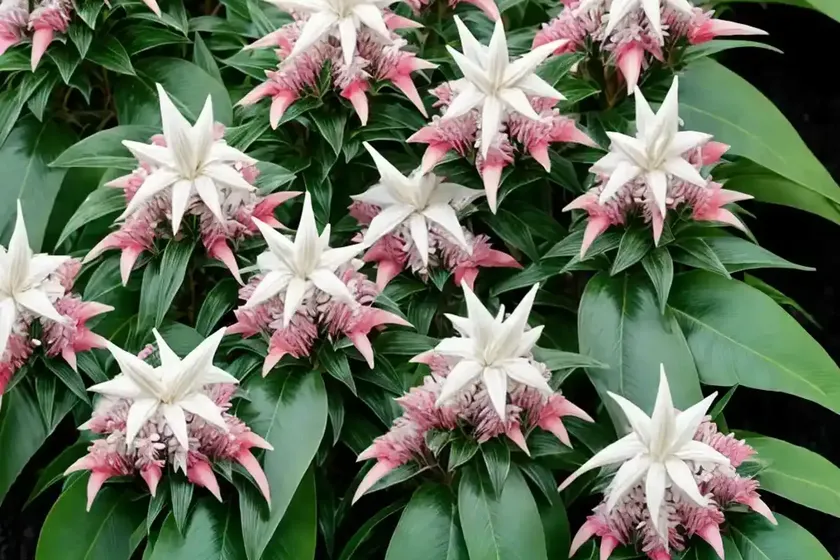
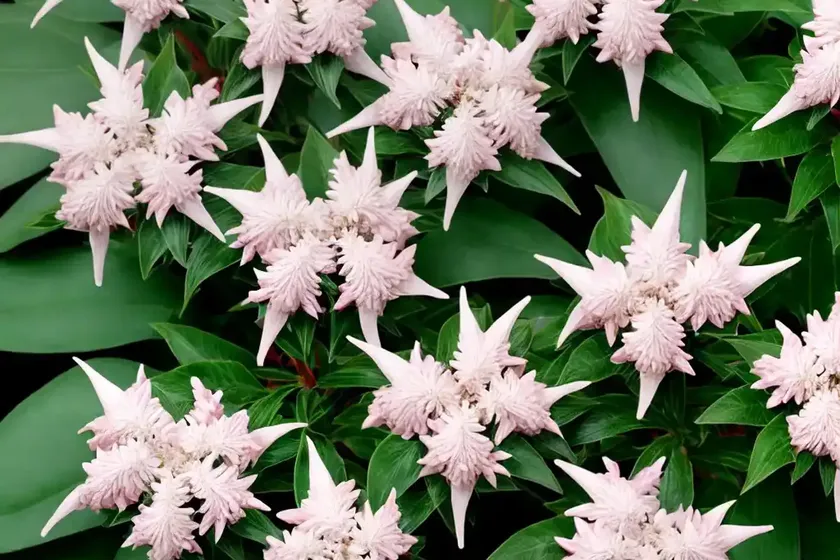
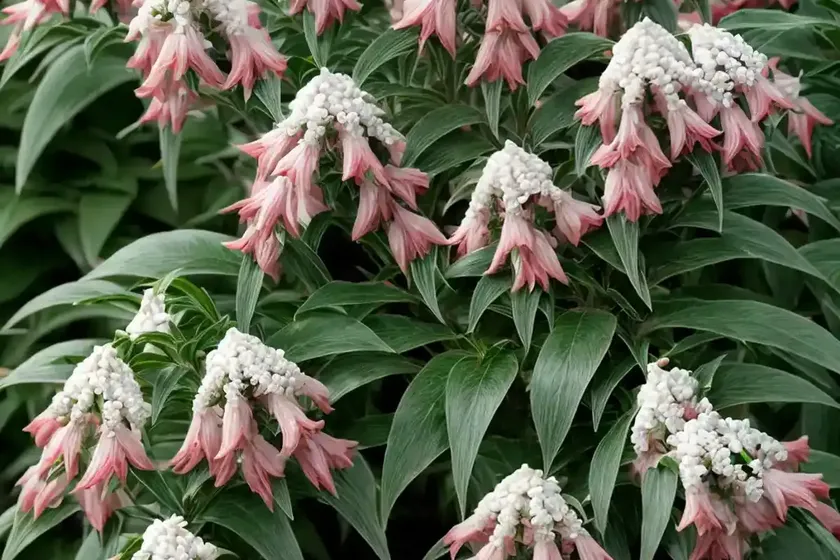
The Japanese pieris (Pieris japonica ‘Shojo’) is a stunning evergreen shrub that is known for its elegant foliage and delicate flowers. This ornamental plant is a popular choice among gardeners and landscapers for its beauty and versatility. In this comprehensive guide, we will delve into the various aspects of the Japanese pieris, including its culture, uses, care requirements, common diseases, and propagation methods. Whether you are a seasoned gardener or a novice plant enthusiast, this guide will provide you with valuable insights into the fascinating world of the Japanese pieris.
What is the Japanese Pieris (Pieris japonica ‘Shojo’)?
The Japanese pieris, scientifically known as Pieris japonica ‘Shojo’, belongs to the family Ericaceae. It is a compact, slow-growing evergreen shrub that is native to eastern Asia, including Japan, Taiwan, and eastern China. This ornamental plant is celebrated for its striking foliage and clusters of bell-shaped flowers that adorn its branches during the spring season.
Key Takeaways – Japanese Pieris (Pieris japonica ‘Shojo’):
- Scientific Name: Pieris japonica ‘Shojo’
- Common Names: Japanese Andromeda ‘Shojo’, Shojo Lily of the Valley, Shojo Japanese Firethorn, and more.
- Plant Type: Evergreen shrub
- Native Range: Eastern Asia, including Japan, Taiwan, and eastern China
- Bloom Time: Spring
- Growth Rate: Slow
Culture of Japanese Pieris (Pieris japonica ‘Shojo’)
Cultivating Japanese pieris requires attention to its specific cultural requirements to ensure optimal growth and flowering. Understanding its preferences for water, sunlight, soil, and fertilization is essential for maintaining the health and vitality of this exquisite shrub.
Uses
The Japanese pieris is a versatile plant that can serve various purposes in the garden or landscape. Here are some common uses of Pieris japonica ‘Shojo’:
– Ornamental Shrub: The stunning foliage and flowers make it an excellent choice for ornamental purposes.
– Border Planting: Its compact growth habit and attractive appearance make it ideal for border planting.
– Container Gardening: Japanese pieris can thrive in containers, adding beauty to patios and outdoor living spaces.
– Mixed Plantings: It can be incorporated into mixed plantings, providing visual interest and texture variations.
Water
Japanese pieris prefers moist, well-draining soil and benefits from regular watering, especially during dry periods. One should be cautious not to overwater the plant, as excessive moisture can lead to root rot and other problems. It’s essential to monitor the soil moisture levels and water the plant accordingly.
Sunlight
When it comes to sunlight requirements, Pieris japonica ‘Shojo’ thrives in partial shade to full sun. It performs best in locations with dappled sunlight or partial shade, especially in regions with hot summers. In contrast, prolonged exposure to intense sunlight can lead to leaf scorch and diminished flowering.
Fertilizer
Proper fertilization is crucial for supporting the growth and flowering of Japanese pieris. A balanced, slow-release fertilizer formulated for acid-loving plants can be applied in spring, following the manufacturer’s instructions. Avoid over-fertilizing, as this can result in excessive vegetative growth at the expense of flowering.
Soil
Japanese pieris prefers acidic, well-draining soil that is rich in organic matter. It thrives in soils with a pH range of 5.0 to 6.5. Amending the soil with organic matter, such as compost or peat moss, can improve its texture and fertility, creating an ideal growing environment for the shrub.
Pruning and Propagation of Japanese Pieris (Pieris japonica ‘Shojo’)
Proper pruning and propagation techniques are essential for maintaining the desired shape and health of the Japanese pieris. Additionally, understanding the best methods for propagating this ornamental shrub can enable gardeners to expand their plant collection and share it with others.
Pruning
Pruning is beneficial for shaping the plant, removing dead or diseased branches, and promoting air circulation within the canopy. Ideally, pruning should be carried out just after flowering to avoid removing potential flower buds. Regular removal of spent flowers can also encourage a neat appearance and potential reblooming.
Propagation
Japanese pieris can be propagated through various methods, including softwood cuttings and layering. Softwood cuttings taken in early summer can root successfully under mist or in a controlled environment. Layering, which involves encouraging the stems to root while still attached to the parent plant, is another effective way to propagate Pieris japonica ‘Shojo’.
Container Gardening with Japanese Pieris (Pieris japonica ‘Shojo’)
The versatility and compact nature of the Japanese pieris make it well-suited for container gardening. Whether used as a standalone specimen or as part of a mixed container planting, this ornamental shrub can bring elegance and charm to outdoor spaces.
Popularity in Containers
Pieris japonica ‘Shojo’ is a popular choice for container gardening due to its attractive evergreen foliage, manageable size, and graceful flowers. It can thrive in containers on patios, decks, and balconies, adding visual appeal and year-round interest to the outdoor environment.
Container Requirements
When growing Japanese pieris in containers, it is crucial to select a well-draining potting mix formulated for acid-loving plants. The container should have adequate drainage holes to prevent waterlogging, and the plant should be positioned in a location that provides the appropriate sunlight and moisture levels.
Care in Containers
Regular watering and fertilization are essential for maintaining the health and vitality of Pieris japonica ‘Shojo’ in containers. Additionally, monitoring the plant for signs of stress or overcrowding and repotting it as needed can ensure the ongoing success of the shrub in a containerized environment.
Common Diseases of Japanese Pieris (Pieris japonica ‘Shojo’) and Disease Diagnosis
Like other plants, Japanese pieris is susceptible to certain diseases that can impact its overall health and appearance. Understanding the common diseases and their symptoms is essential for timely intervention and effective management.
Common Diseases
1. Leaf Spot: Leaf spot diseases, caused by various fungal pathogens, can lead to the development of dark, irregular spots on the foliage, compromising the plant’s aesthetic appeal and vigor.
2. Phytophthora Root Rot: Excessive soil moisture can create favorable conditions for phytophthora root rot, which manifests as wilting, yellowing foliage, and overall decline in plant health.
3. Powdery Mildew: Powdery mildew, characterized by a powdery white coating on the leaves, can occur, especially in humid and crowded growing conditions, affecting the plant’s photosynthetic capacity.
4. Bacterial Blight: Bacterial blight can cause dark, water-soaked lesions on the foliage and stems, leading to wilted and discolored plant tissues.
Disease Diagnosis
Regular monitoring of the plant for any signs of abnormality, such as leaf discoloration, wilting, or unusual growth, is essential for early disease diagnosis. If any symptoms are observed, it is advisable to consult a local extension service or a plant health specialist for accurate disease identification and tailored recommendations for management.
Common Pests Affecting Japanese Pieris (Pieris japonica ‘Shojo’)
In addition to diseases, the Japanese pieris can also face challenges from various pests that can impact its growth and vitality. Recognizing the common pests and implementing appropriate measures can help safeguard the plant from potential damage.
Common Pests
1. Lace Bugs: Lace bugs are sap-sucking insects that can cause stippling and discoloration of the foliage, leading to a decline in the plant’s overall health.
2. Spider Mites: Spider mites are tiny arachnids that can inflict damage by feeding on the plant’s tissues, resulting in stippled leaves and webbing on the foliage.
3. Weevils: Weevils, particularly the black vine weevil, can feed on the roots of Japanese pieris, potentially causing root injury and reduced plant vigor.
4. Caterpillars: Certain caterpillar species may feed on the foliage of Pieris japonica ‘Shojo’, causing visible defoliation and impacting the plant’s aesthetics.
Pest Management
Implementing pest management strategies, such as regular inspection for pests, promoting beneficial insects, and, if necessary, applying targeted insecticidal treatments, can help mitigate pest infestations and protect the health of Japanese pieris.
Botanist’s Tips for Growing Japanese Pieris (Pieris japonica ‘Shojo’)
As a plant scientist, I have compiled a set of valuable tips to assist gardeners and plant enthusiasts in successfully growing and caring for Japanese pieris. These tips encompass various aspects of cultural practices, pest and disease management, and overall plant health.
Botanist’s Tips
- Water Wisely: Monitor the soil moisture levels and water Pieris japonica ‘Shojo’ consistently, ensuring that the soil remains evenly moist but not waterlogged.
- Choose the Right Location: Select a planting site that provides partial shade and well-draining soil to meet the plant’s requirements for sunlight and moisture.
- Prune with Precision: When pruning, aim to maintain the natural shape of the shrub while removing any damaged or overcrowded branches, promoting healthy growth.
- Monitor for Pests and Diseases: Regularly inspect the plant for signs of pests and diseases, taking proactive measures to address any issues promptly.
- Select Appropriate Companion Plants: When incorporating Japanese pieris into mixed plantings, consider companion plants that thrive in similar growing conditions and complement its appearance.
Fun Facts about Japanese Pieris (Pieris japonica ‘Shojo’)
Discovering intriguing and lesser-known facts about plants can enhance our appreciation for their unique characteristics and ecological significance. Here are some captivating fun facts about the Japanese pieris:
Fun Facts
- The common name “Lily of the Valley Shrub” is derived from the resemblance of the plant’s flowers to those of the Lily of the Valley.
- Pieris japonica ‘Shojo’ is a member of the genus Pieris, which includes several other ornamental species and cultivars valued in horticulture.
- The evergreen foliage of Japanese pieris provides year-round visual interest in the garden, contributing to its appeal as a landscape plant.
Links to External Resources
For further exploration of the Japanese pieris (Pieris japonica ‘Shojo’) and related topics, I have compiled a list of valuable external resources and references:
- American Rhododendron Society – Pieris Cultivation Guidelines
- Royal Horticultural Society – Pieris japonica ‘Shojo’ Plant Profile
- University of Florida IFAS Extension – Landscape Plants for Acid Soils
- National Gardening Association – Japanese Pieris Care Guide
In conclusion, the Japanese pieris (Pieris japonica ‘Shojo’) stands as a captivating and versatile ornamental shrub that adds beauty and elegance to diverse garden settings. By understanding its cultural requirements, pest and disease management strategies, and propagation techniques, enthusiasts can cultivate and appreciate this exquisite evergreen plant to the fullest. With its graceful foliage, delicate flowers, and year-round appeal, Pieris japonica ‘Shojo’ continues to enchant and inspire plant lovers worldwide.
Whether incorporated into formal landscapes, mixed plantings, or container gardens, the Japanese pieris remains a cherished addition to horticultural and botanical collections. As a plant scientist, I invite you to explore the fascinating world of Japanese pieris and witness its enduring charm in the natural and cultivated environment.
Keywords: Shinnyo-eboshi Japanese Pieris, Shojo Pieris japonica, Japanese Andromeda ‘Shojo’, Japanese Pieris ‘Shojo’ Shrub, Shojo Lily of the Valley, Shojo Japanese Lily-of-the-Valley Shrub, Pieris japonica cultivar, Pieris japonica ‘Shojo’ Plant, Shojo Japanese Firethorn, Shojo Dwarf Lily of the Valley, Shojo Pieris japonica Evergreen, Shojo Japanese Pieris Evergreen, Pieris japonica ‘Shojo’ Ornamental Plant, Shojo Japanese Pieris Shrub, Japanese Andromeda ‘Shojo’ Variety