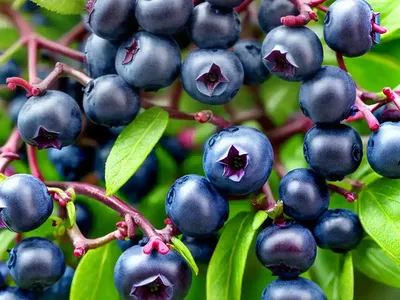
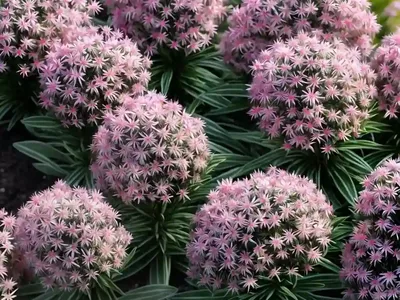
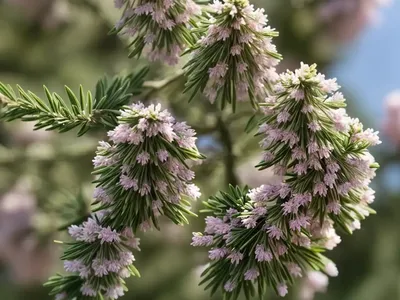
Japanese Pieris (Pieris Japonica DODD’S CRYSTAL CASCADE FALLS)
Japanese pieris, scientifically known as Pieris japonica DODD’S CRYSTAL CASCADE FALLS, is an evergreen shrub that belongs to the Ericaceae family. It is.
What is Japanese Pieris (Pieris japonica DODD’S CRYSTAL CASCADE FALLS)?
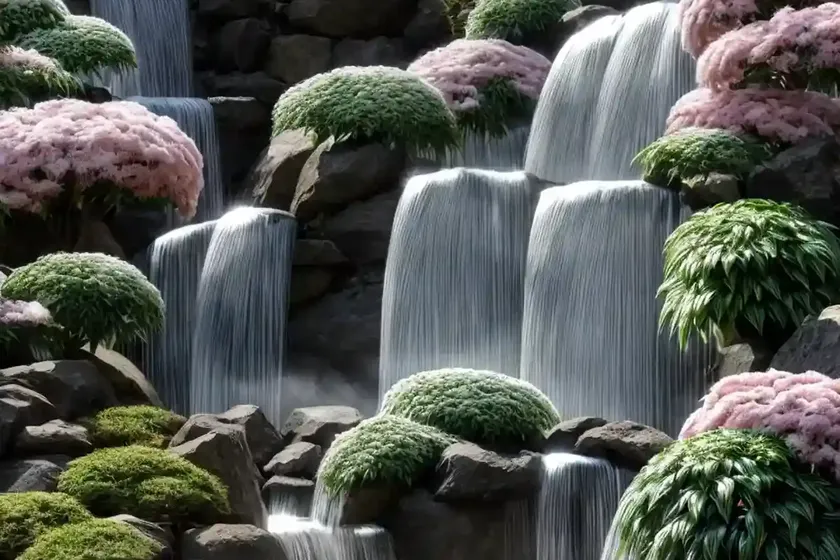
Japanese pieris, scientifically known as Pieris japonica DODD’S CRYSTAL CASCADE FALLS, is an evergreen shrub that belongs to the Ericaceae family. It is native to eastern and southern Asia, primarily in China, Taiwan, and Japan. Known for its attractive foliage, cascading habit, and delicate flowers, this plant is a popular choice for gardens, landscapes, and containers.
Japanese pieris received its botanical name from the Swiss botanist and zoologist, Johann J. Amman, and the specific epithet “japonica” refers to its Japanese origin. The particular variety, DODD’S CRYSTAL CASCADE FALLS, is well-regarded for its cascading growth pattern, adding a unique dimension to garden landscapes.
Key Takeaways – Japanese Pieris (Pieris japonica DODD’S CRYSTAL CASCADE FALLS)
Culture
– USDA Hardiness Zones: 5-8
– Evergreen
– Cascading growth habit
– Attractive foliage and flowers
Uses
– Ornamental shrub
– Landscaping
– Container gardening
– Hedge or border plant
Water
– Regular watering, especially during dry periods
– Well-draining soil to prevent waterlogging
Sunlight
– Partial shade to full sun
– Protect from harsh afternoon sun in warmer regions
Fertilizer
– Fertilize in spring with a balanced slow-release fertilizer
– Avoid excessive nitrogen to prevent excessive vegetative growth
Soil
– Acidic, well-draining soil
– Organic matter can be added to improve soil quality
Pruning
– Light pruning after flowering to maintain shape
– Remove dead or damaged branches
– Avoid severe pruning
Propagation
– Softwood cuttings in early summer
– Layering in autumn
Container Popularity
– Suitable for containers
– Use a potting mix for acid-loving plants
– Adequate drainage is crucial
– Choose a container large enough to accommodate its growth
Common Diseases
– Leaf spot
– Phytophthora root rot
Disease Diagnosis
– Brown spots on leaves
– Wilting or yellowing of foliage
– Stunted growth
Common Pests
– Aphids
– Scale insects
Botanist’s Tips
– Regularly monitor for pests and diseases
– Provide appropriate growing conditions
– Prune minimally and selectively
Fun Facts
– Attracts pollinators
– Deer-resistant
– Tolerant of urban conditions
Links to External Resources
– Royal Horticultural Society – Pieris japonica
– University of Florida IFAS Extension – Pieris japonica
– Missouri Botanical Garden – Pieris japonica
Japanese Pieris Care
Japanese pieris can be a stunning addition to any garden or landscape, provided it receives the right care and growing conditions. Here’s a detailed look at how to care for this beautiful evergreen shrub.
Water Needs
Japanese pieris requires regular watering, especially during dry periods. While it’s important to keep the soil consistently moist, it is equally crucial to ensure that the soil is well-draining to prevent waterlogging, which can lead to root rot.
Sunlight Requirements
In terms of sunlight, Japanese pieris thrives in partial shade to full sun. In warmer regions, it is essential to protect the plant from harsh afternoon sun to prevent leaf scorch.
Fertilizer Preferences
Fertilize Japanese pieris in the spring with a balanced slow-release fertilizer. It’s essential to avoid excessive nitrogen, as this can lead to excessive vegetative growth at the expense of flowers and overall plant health.
Soil Conditions
Japanese pieris prefers acidic, well-draining soil. Adding organic matter can help improve soil quality and drainage, creating an optimal growing environment for the plant.
Pruning Tips
Pruning Japanese pieris should be done lightly after flowering to maintain its shape. It’s important to remove dead or damaged branches, but severe pruning should be avoided to prevent stress to the plant.
Propagation Techniques
Japanese pieris can be propagated through softwood cuttings in early summer or by layering in autumn. Proper care and attention should be given to the new cuttings or layered sections to ensure successful establishment.
Pieris japonica Varieties
Japanese pieris is available in a variety of cultivars, each with unique characteristics in terms of size, foliage color, and growth habits. Some popular Pieris japonica varieties include:
- Pieris japonica ‘Flaming Silver’: Known for its variegated foliage with shades of green, white, and pink, this variety adds a bright and eye-catching element to garden landscapes.
- Pieris japonica ‘Mountain Fire’: With vibrant, fiery red new growth that matures to a luscious green, ‘Mountain Fire’ is a striking variety that adds color and visual interest to gardens.
- Pieris japonica ‘Cavatine’: A compact variety with small, glossy leaves and delicate white flowers, ‘Cavatine’ is a charming choice for smaller garden spaces or container gardens.
Each variety offers something unique, allowing gardeners to select the perfect Japanese pieris for their specific landscape or gardening preferences.
Dodd’s Crystal Cascade Falls Plant
The Dodd’s Crystal Cascade Falls variety of Japanese pieris is particularly esteemed for its cascading growth habit and graceful appearance. This variety adds an elegant and flowing element to garden landscapes or container plantings, creating a sense of movement and softness.
Characteristics
- Cascading growth habit
- Elegant and weeping form
- Lustrous, dark green foliage
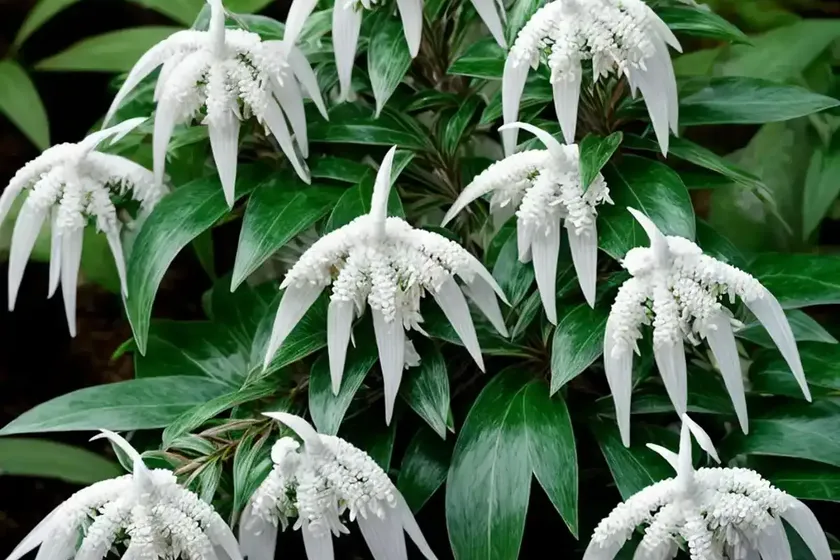
- Delicate, urn-shaped flowers in creamy white
Landscape Uses
Dodd’s Crystal Cascade Falls is a versatile plant that can be used in a variety of landscape settings. Its cascading habit makes it ideal for:
- Hanging over retaining walls
- Cascading down slopes
- Spilling out of containers
The unique form and graceful appearance of this variety make it a desirable choice for adding visual interest and texture to garden spaces.
Japanese Pieris Pruning Tips
Pruning Japanese pieris is an essential aspect of its maintenance, helping to shape the plant, remove any damaged or dead growth, and encourage healthy, vigorous growth. Here are some key tips for pruning Japanese pieris:
- Timing: Light pruning should be conducted after flowering, typically in late spring or early summer. This allows the plant to recover and set buds for the following year.
- Tools: Use sharp and clean pruning shears to make precise cuts and reduce the risk of damage or disease transmission.
- Techniques: When pruning, focus on removing dead or damaged branches, shaping the plant if necessary, but avoid severe pruning to prevent stress and potential harm to the plant.
- Maintenance: Regular, light pruning can help maintain the plant’s form and overall health, preventing it from becoming overgrown and leggy.
By following these guidelines, gardeners can ensure that their Japanese pieris remains healthy, attractive, and well-maintained throughout the year.
Growing Japanese Pieris
The proper growth and development of Japanese pieris rely on providing the ideal conditions and cultural practices. When growing Japanese pieris, it’s crucial to consider the following factors:
- Planting Guide: Select a suitable location with the right sunlight and soil conditions. Ensure adequate space for the plant to grow and develop without overcrowding.
- Soil Requirements: Japanese pieris prefers acidic, well-draining soil enriched with organic matter. The addition of organic material can improve soil quality and create an optimal growing environment.
- Sun Exposure: While Japanese pieris can tolerate partial shade to full sun, it’s important to protect it from harsh afternoon sun in warmer regions to prevent leaf scorch.
- Water Needs: Regular and consistent watering, especially during dry periods, is essential for the plant’s overall health and vigor.
- Fertilization: Apply a balanced, slow-release fertilizer in the spring, taking care to avoid excessive nitrogen, which can lead to excessive vegetative growth at the expense of flowers.
By paying attention to these key aspects, gardeners can ensure that their Japanese pieris thrives and flourishes, rewarding them with beautiful foliage and charming flowers.
Dodd’s Crystal Cascade Falls Characteristics
Dodd’s Crystal Cascade Falls, a variety of Japanese pieris, possesses distinct characteristics that set it apart from other cultivars. The unique attributes of this variety include:
- Cascading Growth Habit: As the name suggests, Dodd’s Crystal Cascade Falls exhibits a cascading form, making it ideal for draping over walls, spilling down slopes, or cascading out of containers.
- Foliage: The lustrous, dark green foliage of this variety provides an attractive backdrop for its delicate, urn-shaped flowers.
- Flower Color: Dodd’s Crystal Cascade Falls produces creamy white flowers that add a subtle yet elegant touch to garden landscapes.
- Versatility: The graceful and flowing form of this variety makes it a versatile choice for various landscape uses, from formal garden settings to more naturalistic or cottage garden designs.
These characteristics make Dodd’s Crystal Cascade Falls a sought-after cultivar, adding visual interest and texture to garden spaces.
Japanese Pieris Landscape Uses
Japanese pieris is a versatile plant that offers a range of landscape uses, making it a popular choice among gardeners and landscapers. Some common landscape uses of Japanese pieris include:
- Ornamental Shrub: Japanese pieris serves as an attractive and eye-catching ornamental shrub, adding visual interest and texture to garden beds and borders.
- Container Gardening: Its adaptability to container gardening makes Japanese pieris a popular choice for patio, balcony, or terrace gardens, adding a touch of elegance and structure to container plantings.
- Hedge or Border Plant: With its evergreen foliage and graceful form, Japanese pieris can be used as a hedge or border plant, providing structure and definition to garden landscapes.
With its diverse landscape uses, Japanese pieris proves to be a versatile and valuable addition to garden designs and layouts.
Japanese Pieris Soil Requirements
The soil requirements of Japanese pieris play a critical role in its overall health, growth, and development. To provide the optimal soil conditions for Japanese pieris, consider the following key aspects:
- Acidity: Japanese pieris thrives in acidic soil conditions, with a pH level ranging from 5.0 to 5.5. It’s essential to ensure that the soil pH is within this range to promote healthy growth and nutrient uptake.
- Well-Draining Soil: Good drainage is crucial for Japanese pieris, as it helps prevent waterlogging and root rot. Amending the soil with organic matter can improve its drainage and structure, creating an ideal growing environment for the plant.
By addressing these soil requirements, gardeners can create the perfect foundation for their Japanese pieris plants to thrive and flourish.
Pieris japonica Flower Clusters
The delicate and charming flower clusters of Pieris japonica add a beautiful and ornamental element to the plant, enhancing its visual appeal and overall aesthetic value. The flower clusters, also known as racemes, form in early spring and are characterized by the following features:
- Color: The flowers of Pieris japonica typically appear in creamy white, creating a lovely contrast against the backdrop of the dark green foliage.
- Shape: The flowers are urn-shaped, with a graceful and elegant form that adds a touch of sophistication to the plant’s overall appearance.
- Fragrance: Some varieties of Pieris japonica may emit a pleasant fragrance, enhancing the sensory experience of the garden.
The flower clusters are a highlight of Pieris japonica, attracting pollinators and adding a delightful burst of color to garden landscapes.
Dodd’s Crystal Cascade Falls Growth Habits
Dodd’s Crystal Cascade Falls, with its unique and distinctive growth habits, offers a captivating presence in garden landscapes. Understanding its growth habits can provide valuable insights into its care and maintenance. Key growth habits of Dodd’s Crystal Cascade Falls include:
- Cascading Form: The cascading growth habit sets this variety apart, making it ideal for spilling over walls, tumbling down slopes, or cascading out of containers.
- Weeping Appearance: The weeping and flowing form of the plant adds a soft and graceful element to garden landscapes, creating movement and visual interest.
- Compact Growth: While exhibiting a cascading form, Dodd’s Crystal Cascade Falls also maintains a somewhat compact growth, making it suitable for smaller garden spaces or container plantings.
By understanding and appreciating the growth habits of Dodd’s Crystal Cascade Falls, gardeners can effectively integrate this unique variety into their garden designs and layouts.
Popular Uses of Japanese Pieris in Containers
Japanese pieris is well-suited for container gardening, offering an array of opportunities for adding structure, form, and visual interest to container plantings. The popular uses of Japanese pieris in containers include:
- Patio Gardens: Japanese pieris serves as a valuable addition to patio gardens, balconies, or terrace plantings, enhancing the aesthetics of these outdoor spaces.
- Focal Point: When used as a standalone container specimen, Japanese pieris can serve as an eye-catching focal point, drawing attention and adding a sense of elegance to the surrounding area.
- Mixed Containers: Japanese pieris can be combined with other container plants to create visually appealing and dynamic arrangements, incorporating a variety of colors, textures, and forms.
By exploring the potential uses of Japanese pieris in containers, gardeners can unleash their creativity and design stunning container plantings that showcase the plant’s beauty and versatility.
Common Diseases of Japanese Pieris
While Japanese pieris is relatively resistant to diseases, it can be susceptible to certain common issues that may affect its overall health and vigor. Understanding and identifying these diseases is crucial for implementing appropriate management strategies. Some common diseases of Japanese pieris include:
- Leaf Spot: Characterized by the appearance of brown spots on the leaves, leaf spot can affect the plant’s foliage, leading to aesthetic concerns and potential defoliation.
- Phytophthora Root Rot: This soil-borne disease can cause the plant’s roots to rot and decay, leading to poor growth, wilting, and decline of the plant.
By monitoring the plant for symptoms of these diseases and implementing proactive measures, such as proper watering practices and promoting good air circulation, gardeners can help safeguard their Japanese pieris from potential disease issues.
Disease Diagnosis and Management
Diagnosing and managing diseases affecting Japanese pieris is essential for maintaining the plant’s overall health and vitality. Here are some key aspects of disease diagnosis and management:
- Symptom Recognition: Regularly inspect the plant for symptoms such as brown spots on leaves, wilting, yellowing of foliage, and stunted growth, which may indicate potential disease issues.
- Prompt Action: If disease symptoms are observed, take prompt action to address the underlying causes, such as improving watering practices, enhancing soil drainage, and providing appropriate cultural care.
- Professional Assistance: In case of severe or persistent disease problems, seeking professional assistance from a horticulturist or plant health expert can provide valuable insights and guidance for effective disease management.
By staying vigilant and proactive, gardeners can effectively diagnose and manage disease issues affecting their Japanese pieris plants, ensuring their continued health and well-being.
Common Pests Affecting Japanese Pieris
Japanese pieris can be susceptible to certain common pests that may pose challenges to its overall health and vigor. Identifying and addressing these pests is essential for effective pest management. Some common pests affecting Japanese pieris include:
- Aphids: These small, soft-bodied insects can congregate on the plant, feeding on its sap and potentially causing stunted growth and foliage distortion.
- Scale Insects: Scale insects can infest Japanese pieris, appearing as small, immobile bumps on the stems and leaves. They feed on plant juices and excrete a sticky substance, leading to sooty mold and overall decline.
By monitoring for the presence of these pests and implementing appropriate control measures, such as insecticidal soaps or horticultural oils, gardeners can help protect their Japanese pieris from pest-related issues.
Botanist’s Tips for Japanese Pieris Care
As a plant scientist with expertise in Japanese pieris and ornamental shrubs, I’m pleased to share some valuable tips for caring for Japanese pieris:
- Cultural Attention: Provide Japanese pieris with the appropriate growing conditions, including well-draining soil, partial shade to full sun, and regular watering, to ensure its optimal health and vigor.
- Pest and Disease Monitoring: Regularly monitor the plant for signs of pests and diseases, intervening promptly to address any issues that may arise and prevent their escalation.
- Pruning Practices: Practice light and selective pruning after flowering, focusing on removing dead or damaged branches to maintain the plant’s form and overall appearance without causing undue stress.
- Soil Preparation: Amend the soil with organic matter to improve its quality and drainage, creating a favorable environment for the plant’s growth and development.
By following these tips and providing attentive care, gardeners can cultivate healthy, vibrant, and beautiful Japanese pieris plants that enhance their garden landscapes and bring joy to their outdoor spaces.
Fun Facts about Japanese Pieris
Japanese pieris is not only a visually appealing and versatile plant, but it also boasts some interesting and fun facts that add to its allure:
- Wildlife Attraction: Japanese pieris attracts pollinators such as bees and butterflies, contributing to the ecological diversity and balance in garden ecosystems.
- Deer Resistance: Due to its toxic nature, Japanese pieris is generally resistant to deer browsing, making it a desirable choice for gardens in deer-prone areas.
- Urban Tolerance: Japanese pieris exhibits tolerance to urban conditions, including pollution and limited space, making it suitable for gardens in urban and suburban settings.
These fun facts highlight the ecological and practical contributions of Japanese pieris, making it a valuable and engaging plant for gardeners and nature enthusiasts.
In conclusion, Japanese pieris, particularly the Dodd’s Crystal Cascade Falls variety, is an enchanting and versatile evergreen shrub that offers a range of cultural uses and captivating characteristics. By understanding its care requirements, landscape uses, common issues, and unique attributes, gardeners can successfully cultivate and appreciate the beauty of this ornamental plant in their garden landscapes. With proper care and attention, Japanese pieris can thrive, adding a touch of elegance and charm to outdoor spaces while contributing to the ecological vitality of garden ecosystems.
As a plant scientist dedicated to promoting the knowledge and appreciation of ornamental plants, I invite you to explore the enchanting world of Japanese pieris, discovering its unique qualities and embracing its potential as a valuable and captivating addition to garden landscapes.
Source:
1. Royal Horticultural Society – Pieris japonica
2. [University of Florida IFAS Extension – Pieris japon