Understanding the Japanese Pepper Tree Bonsai (Zanthoxylum Piperitum)
The world of bonsai gardening is a captivating one, with an array of plant species that have been skillfully miniaturized to create stunning works of art. Among these is the Japanese Pepper Tree Bonsai (Zanthoxylum Piperitum), a unique and fascinating addition to any bonsai enthusiast’s collection.
In this comprehensive guide, we will delve into the world of Zanthoxylum Piperitum, exploring its culture, uses, care requirements, and much more. Whether you are a seasoned bonsai gardener or a beginner looking to embark on this rewarding journey, this guide will equip you with the knowledge needed to nurture and appreciate the beauty of the Japanese Pepper Tree Bonsai.
What is the Japanese Pepper Tree Bonsai (Zanthoxylum Piperitum)?
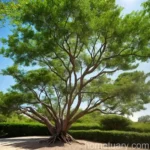
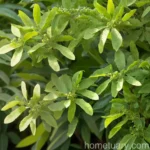
The Japanese Pepper Tree, scientifically known as Zanthoxylum Piperitum, is a species that belongs to the Rutaceae family. It is native to Japan, Korea, and China, where it is valued for its culinary and ornamental attributes. This species is particularly well-suited for bonsai cultivation due to its small, glossy, and aromatic leaves, as well as its ability to develop attractive rough bark over time.
The process of creating a Japanese Pepper Tree Bonsai involves carefully shaping and pruning the plant to replicate the appearance of its full-sized, wild counterparts. The result is a miniature tree that exudes a sense of age, character, and natural beauty.
Let’s explore the key takeaways associated with the cultivation and care of the Japanese Pepper Tree Bonsai, providing insights into its culture, uses, and essential maintenance requirements.
Key Takeaways – Japanese Pepper Tree Bonsai (Zanthoxylum Piperitum)
Culture
The culture of the Japanese Pepper Tree Bonsai encompasses its historical significance, traditional uses, and its role as a prized ornamental plant in bonsai gardening.
-
Historical Significance: The Japanese Pepper Tree has been an integral part of East Asian culture for centuries, valued for both its culinary and medicinal properties. In traditional Chinese and Japanese medicine, the tree’s leaves and fruits are used to create herbal remedies for various ailments.
-
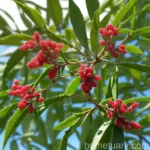
Culinary Uses: The berries of the Japanese Pepper Tree are known for their pungent, citrusy flavor, and are widely used as a spice in East Asian cuisine. The leaves are also utilized to impart a unique, peppery flavor to culinary dishes.
-
Ornamental Significance: In the world of bonsai gardening, the Japanese Pepper Tree Bonsai holds an esteemed position due to its distinctive foliage, fragrance, and the sense of maturity it exudes.
Uses
The Japanese Pepper Tree Bonsai serves a variety of uses, ranging from culinary applications to its role as a captivating ornamental addition to bonsai collections.
-
Culinary Delights: The berries and leaves of the Japanese Pepper Tree are prized for their culinary applications, adding a distinctive and flavorful touch to a wide range of dishes.
-
Medicinal Purposes: In traditional medicine, the leaves and fruits of Zanthoxylum Piperitum are utilized for their potential medicinal properties, often used to create herbal remedies to address various health concerns.
-
Ornamental Appeal: As a bonsai specimen, the Japanese Pepper Tree offers a visually striking and aromatic addition to any indoor or outdoor setting, with its miniature form and intriguing foliage capturing the essence of a majestic tree on a smaller scale.
Water
Wise and consistent watering is essential to the health and vitality of the Japanese Pepper Tree Bonsai.
-
Watering Frequency: The watering needs of the Japanese Pepper Tree Bonsai are influenced by factors such as the season, humidity levels, and the type of potting soil used. As a general rule, the soil should be kept evenly moist, but not waterlogged. Adjust the frequency of watering based on the moisture levels of the soil.
-
Watering Techniques: When watering your Japanese Pepper Tree Bonsai, aim to thoroughly moisten the entire root ball. Water the plant until the excess moisture begins to drain from the drainage holes at the base of the pot. Avoid allowing the soil to completely dry out, as this can lead to stress and potential damage to the plant.
-
Humidity Considerations: In indoor environments with dry air, the use of a humidity tray or a misting routine can provide the necessary moisture levels to support the health of the Japanese Pepper Tree Bonsai.
Sunlight
Proper exposure to sunlight is crucial for the Japanese Pepper Tree Bonsai to thrive and maintain its overall vigor.
-
Light Requirements: Zanthoxylum Piperitum thrives in bright, indirect sunlight, which mimics its natural habitat where it is often found beneath the canopies of larger trees. Position the bonsai in a location that receives ample natural light, but avoid direct exposure to intense, midday sun, especially in regions with high temperatures.
-
Seasonal Adjustments: During the warmer months, ensure that the Japanese Pepper Tree Bonsai receives adequate light for healthy growth and development. In contrast, during the winter months, when natural light levels may be reduced, consider supplemental lighting to maintain the plant’s vitality.
Fertilizer
Appropriate fertilization is fundamental to support the growth, development, and overall health of the Japanese Pepper Tree Bonsai.
-
Fertilizer Selection: Choose a balanced, organic fertilizer specifically formulated for bonsai plants. A slow-release fertilizer can provide a steady supply of essential nutrients over an extended period, promoting healthy growth and vibrant foliage.
-
Fertilizing Frequency: During the growing season, apply a diluted, balanced liquid fertilizer every two weeks to support the Japanese Pepper Tree Bonsai’s nutrient requirements. In the dormant season, reduce the frequency of fertilization to avoid promoting excessive growth.
-
Nutrient Balance: Ensure that the fertilizer provides the necessary macro and micronutrients, including nitrogen, phosphorus, potassium, calcium, and magnesium, to support the overall nutritional needs of the Japanese Pepper Tree Bonsai.
Soil
The choice of soil for the Japanese Pepper Tree Bonsai is critical to its well-being, providing a supportive medium for root development and moisture retention.
-
Well-Draining Soil: Opt for a well-draining, porous soil mix that balances water retention with sufficient aeration for the root system. A blend that incorporates components such as akadama, pumice, and lava rock can create an ideal growing medium for the Japanese Pepper Tree Bonsai.
-
Acidity Level: Zanthoxylum Piperitum prefers a slightly acidic soil environment, with a pH range of 6.0 to 6.5 being conducive to its growth and nutrient uptake. Regularly monitor the soil pH and make adjustments as needed to maintain an optimal growing environment.
-
Repotting Schedule: Repot the Japanese Pepper Tree Bonsai every two to three years to refresh the soil, prevent root binding, and promote healthy root development. Perform repotting during the early spring before the onset of the active growth phase.
Pruning
Pruning is a fundamental aspect of bonsai care, shaping the form and structure of the Japanese Pepper Tree Bonsai while promoting its overall health and aesthetics.
-
Maintenance Pruning: Regularly remove any dead, damaged, or diseased branches, as well as any excess growth to maintain the desired shape and proportions of the bonsai. Utilize sharp, precision pruning tools to make clean cuts and minimize stress on the plant.
-
Structural Pruning: Periodically perform structural pruning to refine the silhouette and branching pattern of the Japanese Pepper Tree Bonsai, creating a harmonious and balanced form.
-
Leaf Pruning: Keep the foliage density in check by selectively pruning the leaves, allowing light to penetrate the inner canopy and fostering a more open and visually appealing structure.
Propagation
The propagation of the Japanese Pepper Tree Bonsai allows for the expansion of your bonsai collection and the preservation of desirable genetic traits.
-
Propagation Methods: Zanthoxylum Piperitum can be propagated through techniques such as seed germination, root cuttings, or the utilization of hardwood or softwood cuttings. Each method offers unique advantages and challenges, allowing enthusiasts to explore diverse approaches to propagation.
-
Seed Propagation: Propagating the Japanese Pepper Tree Bonsai from seeds allows for the expression of genetic diversity and the potential to develop unique and varied bonsai specimens over time.
-
Cutting Propagation: Utilizing cuttings offers a more rapid method of propagation, enabling enthusiasts to preserve and replicate the characteristics of exceptional parent plants.
Container
The selection of an appropriate container plays a pivotal role in the presentation and growth of the Japanese Pepper Tree Bonsai.
-
Container Size: Choose a bonsai pot that provides sufficient space for the root system to develop, without being excessively large. The pot should complement the overall aesthetics of the bonsai and offer ample room for the roots to spread and establish.
-
Drainage Holes: Ensure that the bonsai pot features adequate drainage holes to facilitate the efficient removal of excess water and prevent waterlogging, which can lead to root rot and other complications.
-
Aesthetic Considerations: Select a container that harmonizes with the visual appeal of the Japanese Pepper Tree Bonsai, accentuating its form, foliage, and overall character.
Popularity
The Japanese Pepper Tree Bonsai has gained popularity among bonsai enthusiasts due to its unique attributes and cultural significance.
-
Cultural Reverence: The Japanese Pepper Tree holds cultural significance in traditional East Asian culinary and medicinal practices, contributing to its allure in bonsai gardening.
-
Ornamental Appeal: The aromatic foliage, striking bark, and the overall charm of the Japanese Pepper Tree Bonsai make it a sought-after addition to bonsai collections, both for seasoned enthusiasts and beginners.
-
Artistic Expression: Bonsai artists value Zanthoxylum Piperitum for its potential as a canvas for artistic expression, with its compact size and intricate features offering a compelling platform for creative exploration.
Common Diseases
The Japanese Pepper Tree Bonsai is susceptible to certain diseases that can impact its health and vitality if not promptly addressed.
-
Powdery Mildew: This fungal disease often manifests as a powdery, white substance on the leaves, adversely affecting the plant’s ability to photosynthesize and resulting in stunted growth.
-
Anthracnose: Anthracnose can lead to the development of dark, sunken lesions on the foliage and stems, compromising the overall appearance and vigor of the bonsai.
-
Root Rot: Excessive moisture and poor drainage can pave the way for root rot, negatively impacting the health of the root system and the plant’s ability to absorb water and nutrients.
Disease Diagnosis
Early detection and accurate diagnosis of diseases are crucial for implementing effective treatment strategies and preserving the health of the Japanese Pepper Tree Bonsai.
-
Symptom Recognition: Regularly inspect the foliage, stems, and the overall condition of the bonsai for any signs of discoloration, abnormal growth, or the presence of powdery substances.
-
Consulting Experts: When in doubt about the nature of a disease affecting your bonsai, seek guidance from experienced bonsai professionals or plant pathologists who can provide insights into disease diagnosis and management.
-
Preventive Measures: Maintain a proactive approach to disease prevention by promoting optimal growing conditions, practicing good hygiene, and monitoring the health of the bonsai regularly to detect and address potential issues early on.
Common Pests
Pests pose a threat to the Japanese Pepper Tree Bonsai, potentially causing damage to the foliage, stems, and overall vitality of the plant.
-
Aphids: These small, sap-sucking insects can weaken the Japanese Pepper Tree Bonsai by extracting vital nutrients from the foliage, often leading to stunted growth and the distortion of leaves.
-
Spider Mites: Infestations of spider mites can result in the development of webbing on the foliage and a decline in the plant’s overall vigor.
-
Scale Insects: Scale insects can adhere to the stems and leaves of the bonsai, feeding on the plant’s sap and causing stress and potential damage if not managed effectively.
Botanist’s Tips
Drawing from botanical expertise and practical experience, expert recommendations play a crucial role in the successful care and cultivation of the Japanese Pepper Tree Bonsai.
-
Balanced Care: Strive to strike a balance in the care provided to the Japanese Pepper Tree Bonsai, encompassing considerations related to water, sunlight, fertilizer, and overall maintenance.
-
Observation and Adaptation: Regularly observe the health and growth patterns of the bonsai, and make adjustments to the care routine as needed to accommodate the changing needs of the plant.
-
Continuous Learning: Embrace a spirit of continuous learning and exploration, delving into the intricacies of Zanthoxylum Piperitum care and seeking insights from fellow enthusiasts and authoritative sources.
Fun Facts
The Japanese Pepper Tree Bonsai is not only a captivating subject for horticultural enthusiasts but also holds a range of interesting and notable attributes:
-
Longevity: With proper care, the Japanese Pepper Tree Bonsai can exhibit a remarkable lifespan, often transcending generations and serving as a living legacy for bonsai practitioners.
-
Herbal Tradition: The leaves and fruits of Zanthoxylum Piperitum have been treasured in traditional Chinese and Japanese herbal medicine for their potential health-promoting properties, spanning centuries of traditional use.
-
Culinary Delights: The aromatic berries and leaves of the Japanese Pepper Tree have been integral ingredients in East Asian cuisine, adding a zesty, flavorful touch to an array of dishes.
Links to External Resources
For further exploration of the Japanese Pepper Tree Bonsai and its cultivation, care, and artistic significance, consider the following reputable external resources:
- The Art of Bonsai – Japanese Pepper Tree Bonsai Cultivation
- Bonsai Empire – Zanthoxylum Piperitum Species Guide
- American Bonsai Society – Zanthoxylum Piperitum Care Tips
- Royal Horticultural Society – Growing Zanthoxylum Piperitum as Bonsai
Conclusion
The Japanese Pepper Tree Bonsai (Zanthoxylum Piperitum) stands as a captivating testament to the artistry and horticultural mastery found within the realm of bonsai gardening. From its rich cultural heritage to its ornamental allure and potential culinary and medicinal uses, this petite masterpiece offers a wealth of rewarding experiences to enthusiasts and cultivators alike.
By taking to heart the insights and recommendations shared in this comprehensive guide, you are well-equipped to embark on a fulfilling journey of nurturing, preserving, and celebrating the beauty and grace of the Japanese Pepper Tree Bonsai. As you delve into the realm of Zanthoxylum Piperitum cultivation, may you find endless inspiration and joy in the living artistry of this remarkable bonsai species.