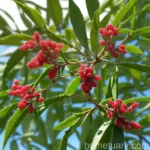
The Extraordinary Toothache Tree (Zanthoxylum americanum)
Plants have always played a crucial role in traditional medicine, providing remedies for various ailments. Among these plants, the toothache tree (Zanthoxylum americanum) stands out for its exceptional medicinal properties and cultural significance. In this comprehensive guide, we will explore the captivating world of the toothache tree, delving into its cultural uses, care requirements, propagation, and common diseases and pests. Additionally, we will uncover the plant’s historical and modern-day significance, as well as its potential benefits for oral health and pain relief.
What is the Toothache Tree (Zanthoxylum americanum)?
The toothache tree, scientifically known as Zanthoxylum americanum, is a deciduous shrub or small tree native to eastern North America. It is a member of the Rutaceae family, which includes approximately 1600 species of flowering plants. The toothache tree is renowned for its distinctive qualities, particularly its bark, which has been traditionally used for medicinal purposes.
Plant Characteristics
- Scientific Name: Zanthoxylum americanum
- Family: Rutaceae
- Common Names: Toothache tree, prickly ash, northern prickly ash, Suterberry, yellow wood
- Foliage: Compound leaves with serrated edges
- Flowers: Clusters of small, greenish-yellow flowers
- Fruits: Small red berries with a pungent aroma
- Height: Can grow up to 15 feet (4.6 meters) tall
- Hardiness: USDA hardiness zones 3-7
The toothache tree derives its name from the numbing sensation experienced when consuming or applying its bark, which historically was used to alleviate toothache pain. Beyond its analgesic properties, the plant has been integrated into various traditional systems of medicine for its broader health benefits.
Key Takeaways – Toothache Tree (Zanthoxylum americanum)
Before diving into the specific care requirements and uses, let’s highlight the key takeaways about the toothache tree and its extensive array of uses and benefits.
Toothache Tree Benefits
- Natural pain reliever
- Effective for dental pain relief
- Anti-inflammatory properties
- Antiseptic and antibacterial effects
Toothache Tree Uses
- Herbal remedies for oral health
- Traditional medicine for pain management
- Natural remedy for oral inflammation
- Promotes gum health
Toothache Tree Medicinal Properties
- Analgesic effects
- Anti-inflammatory and antiseptic properties
- Natural remedy for mouth ulcers
- Potential use for oral care and tooth infections
Zanthoxylum americanum Benefits
- Natural analgesic
- Herbal treatment for sore throat
- Potential for teeth whitening
Culture
Understanding the cultural significance and historical uses of the toothache tree provides valuable insights into its enduring relevance in traditional medicine and healing practices. The plant has been deeply intertwined with indigenous cultures and early colonial settlers who recognized its therapeutic potential.
Historical Significance
The toothache tree has a rich history dating back centuries, where various indigenous tribes in North America utilized its bark and berries for medicinal purposes. The Cherokee, Iroquois, and Menominee tribes, among others, valued the plant for its analgesic, anti-inflammatory, and antimicrobial properties. With the arrival of European settlers, the plant’s uses expanded, and it became a pivotal part of early North American herbal medicine.
Traditional Uses
- Relief for toothaches and oral pain
- Treatment for sore throat and mouth ulcers
- Remedy for digestive disorders and rheumatism
- General pain relief
The cultural significance of the toothache tree continues to be recognized today, as it remains an important botanical resource within herbal medicine and natural health communities.
Uses
The applications of the toothache tree extend beyond traditional medicine, encompassing various contemporary and alternative uses. From herbal remedies to potential oral health benefits, this versatile plant offers a wide range of uses that continue to captivate researchers and enthusiasts alike.
Medicinal Uses
- Pain Relief: The toothache tree is renowned for its natural pain-relieving properties, making it a sought-after component in herbal pain remedies.
- Oral Health: It has been used to address various dental issues, including toothaches, gum infections, and mouth ulcers, owing to its antiseptic and antibacterial effects.
- Anti-inflammatory Agent: The plant’s bark and extracts have been utilized for their anti-inflammatory properties, potentially contributing to the management of inflammatory conditions.
Botanical Applications
- Culinary Uses: The plant’s berries have been employed as a flavorful spice in cooking, adding a unique zing to culinary creations.
- Aromatic Qualities: Due to its distinct and pungent aroma, the toothache tree has been integrated into the production of fragrances and essential oils.
The multifaceted uses of the toothache tree underscore its versatility and importance in various fields, ranging from herbalism to aromatherapy.
Care
In order to cultivate a healthy and thriving toothache tree, it is essential to understand its specific care requirements. From soil conditions to pruning techniques, providing the right environment is crucial for the plant’s overall well-being and vitality.
Water
The toothache tree, once established, demonstrates good drought tolerance. However, consistent moisture is beneficial, particularly during its early stages of growth and in periods of prolonged dryness. Adequate watering helps promote healthy foliage and flowering.
- Established Plants: Water deeply once a week during dry spells, ensuring the soil is moist but not waterlogged.
- Young Plants: Increase frequency of watering, especially during the first year of growth, to facilitate root development and establishment.
Sunlight
Being naturally found in woodland areas, the toothache tree thrives in partial shade to full sunlight. It should be positioned in a location that receives ample sunlight, aiding in the development of flowers and berries.
- Preferred Exposure: Partial shade to full sun
- Optimal Placement: Select a site with good sun exposure, particularly for promoting fruit production and overall plant vigor.
Fertilizer
While the toothache tree generally grows well in average to poor soils, applying a balanced fertilizer can further enhance its growth and resilience, especially in nutrient-deficient soils.
- Application Time: Fertilize in early spring before new growth emerges to provide essential nutrients for the upcoming growing season.
- Fertilizer Type: Use a balanced, slow-release fertilizer to support the plant’s nutritional needs without leading to excessive vegetative growth.
Soil
Understanding the preferred soil type and pH range for the toothache tree is fundamental to fostering optimal growth conditions and preventing potential issues related to soil quality.
- Soil Type: Well-draining, loamy soil is ideal for the toothache tree, promoting healthy root development and reducing the risk of waterlogging.
- pH Range: Slightly acidic to neutral soil pH (6.0-7.0) is preferred, although the plant can tolerate a wider pH range under favorable growing conditions.
Pruning
Periodic pruning is advantageous for maintaining an attractive and well-structured toothache tree, while also promoting air circulation and light penetration throughout the plant canopy.
- Pruning Time: Perform light pruning in late winter to early spring before new growth appears to shape the plant and remove any damaged or crossing branches.
- Pruning Technique: Utilize clean, sharp pruning shears to make precise cuts, ensuring that the natural form of the plant is preserved.
Propagation
The propagation of the toothache tree allows for the expansion of its presence in gardens and landscapes, offering enthusiasts and botanical enthusiasts the opportunity to cultivate new plants through various propagation methods.
- Seed Propagation: Collect ripe fruits in late summer or fall and extract the seeds for sowing in well-draining soil to initiate new plant growth.
- Softwood Cuttings: Take softwood cuttings in early summer, treating them with a rooting hormone before planting in a suitable rooting medium for propagation.
Container Popularity
The toothache tree’s adaptability to container growth makes it a popular choice for individuals with limited garden space, as well as for those seeking to accentuate patios, balconies, and outdoor living areas with its unique characteristics.
- Container Selection: Choose a large, sturdy container to accommodate the plant’s root system and provide ample room for growth and stability.
- Soil Mix: Use a well-draining potting mix enriched with organic matter to ensure proper moisture retention and nutrient availability.
Common Diseases
Despite its resilience, the toothache tree is susceptible to certain diseases and health issues, necessitating proactive measures to safeguard its well-being and vitality. By understanding common diseases, appropriate prevention and management strategies can be employed to promote the plant’s health.
Disease Diagnosis
- Cankers: Look for sunken or swollen areas on the bark, as well as localized dieback of branches, which may indicate the presence of canker diseases.
- Powdery Mildew: The appearance of white, powdery patches on the leaves and stems points to the development of powdery mildew, a potential fungal disease affecting the plant.
Common Pests
Pests can pose a threat to the toothache tree, potentially compromising its growth and vigor. Identifying and addressing common pests is instrumental in preserving the plant’s well-being.
- Aphids: Monitor for the presence of aphids, which can congregate on new growth and inflict damage by piercing plant tissues to feed on sap.
- Scale Insects: Inspect the plant for scale insects, characterized by their small, shield-like appearance, and address infestations promptly to prevent widespread damage.
Botanist’s Tips
To cultivate a thriving and healthy toothache tree, it is beneficial to heed the insights and recommendations provided by experienced botanists and plant enthusiasts. Their expertise can offer valuable guidance for maximizing the plant’s potential and addressing potential challenges.
Growing Tips
- Site Selection: Choose a well-drained area with good sun exposure to ensure optimal growth and flowering.
- Pruning Practices: Employ mindful pruning techniques to shape the plant and remove any diseased or damaged branches while preserving its natural form.
Preservation of Native Species
As native plants play a crucial role in supporting local ecosystems and wildlife, it is important to recognize the value of preserving and cultivating native species such as the toothache tree.
- Ecosystem Support: Native plants contribute to the ecological balance, providing food and habitat for local wildlife, including pollinators and birds.
- Species Diversity: By incorporating native species into landscapes, a diverse and resilient ecosystem can be fostered, promoting environmental sustainability.
Fun Facts
Exploring the intriguing and lesser-known facts about the toothache tree sheds light on its captivating nature and contributes to a deeper appreciation of this remarkable plant.
- Genealogy: The genus name Zanthoxylum is derived from the Greek words “xanthos” (yellow) and “xylon” (wood), alluding to the yellowish wood of certain species within the genus.
- Spice Production: In addition to its medicinal uses, the berries of the toothache tree have been utilized as a zesty spice, adding a distinctive flavor to culinary creations.
- Habitat Preferences: The toothache tree is commonly found in wooded areas, particularly along streams and in moist, well-drained soils, reflecting its preference for these habitats in its natural range.
Links to External Resources
To delve deeper into the world of the toothache tree and its extensive uses, benefits, and cultural significance, the following external resources provide valuable insights and research findings.
- North Carolina Extension Gardener Plant Toolbox: Zanthoxylum americanum
- Lady Bird Johnson Wildflower Center: Zanthoxylum americanum
- Floristic Synthesis of North America: Zanthoxylum americanum
- Illinois Wildflowers: Zanthoxylum americanum
By tapping into these external resources, enthusiasts, researchers, and individuals with a keen interest in plants can gain valuable knowledge and insights into the toothache tree’s unique qualities and applications.
In conclusion, the toothache tree (Zanthoxylum americanum) stands as a testament to the remarkable attributes and diverse uses of native plants in traditional medicine and beyond. From its rich cultural history to its contemporary applications in herbal remedies and oral health, the plant continues to captivate and inspire. By nurturing an understanding of its care requirements, uses, and potential health benefits, we can further appreciate and cultivate the extraordinary qualities of the toothache tree.
*This article is for informational purposes only and is not intended to provide medical advice. Please consult with a healthcare professional before using any herbal remedies or supplements.
*Remember to always seek the guidance of your physician or other qualified health professional with any questions you may have regarding your health or a medical condition.