Parrot Pitcherplant (Sarracenia Psittacina)
Plants come in a dazzling array of shapes, sizes, and functions. From towering trees to delicate flowers, each plant species has its own unique adaptations.
Introduction
Plants come in a dazzling array of shapes, sizes, and functions. From towering trees to delicate flowers, each plant species has its own unique adaptations and characteristics. Among these, carnivorous plants stand out as some of the most intriguing and specialized organisms in the plant kingdom.
One particularly captivating carnivorous plant species is the Parrot Pitcherplant, scientifically known as Sarracenia Psittacina. This remarkable plant has evolved to thrive in nutrient-poor environments by trapping and digesting insects. In this blog post, we will delve into the key aspects of the Parrot Pitcherplant, including its cultural requirements, uses, habitat, and fascinating adaptations.
What is Parrot Pitcherplant (Sarracenia Psittacina)?
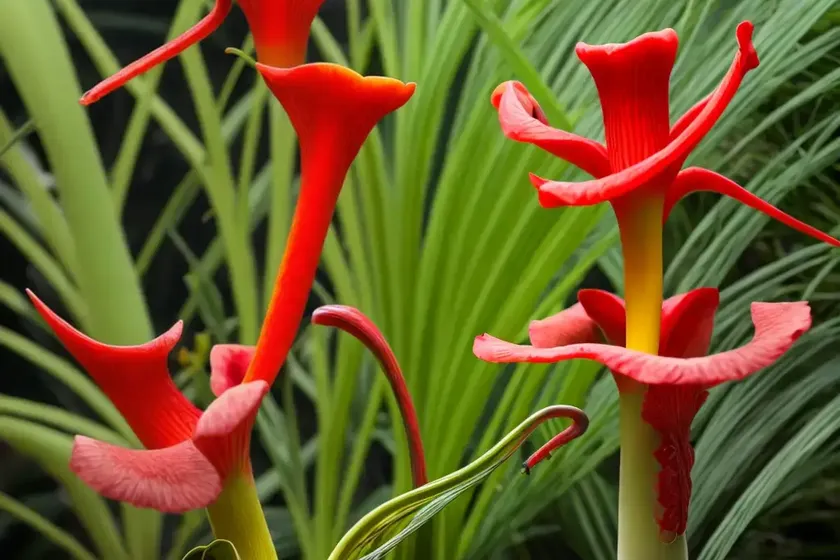
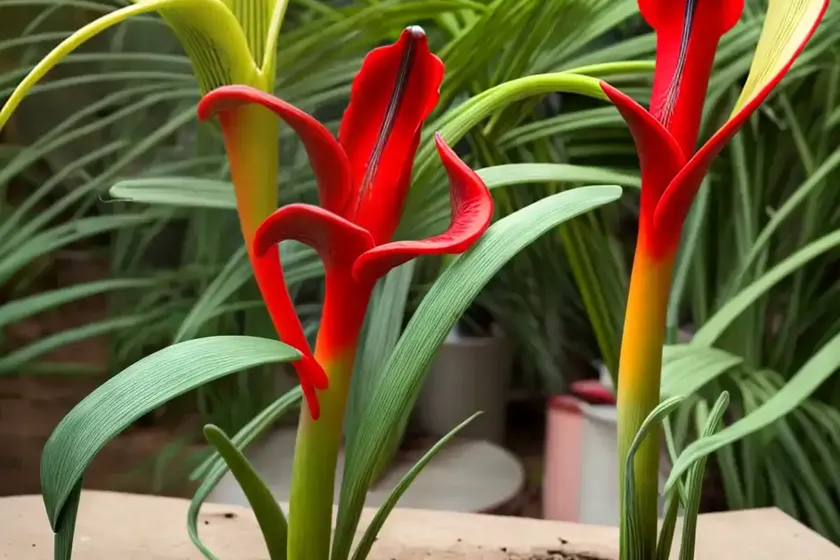
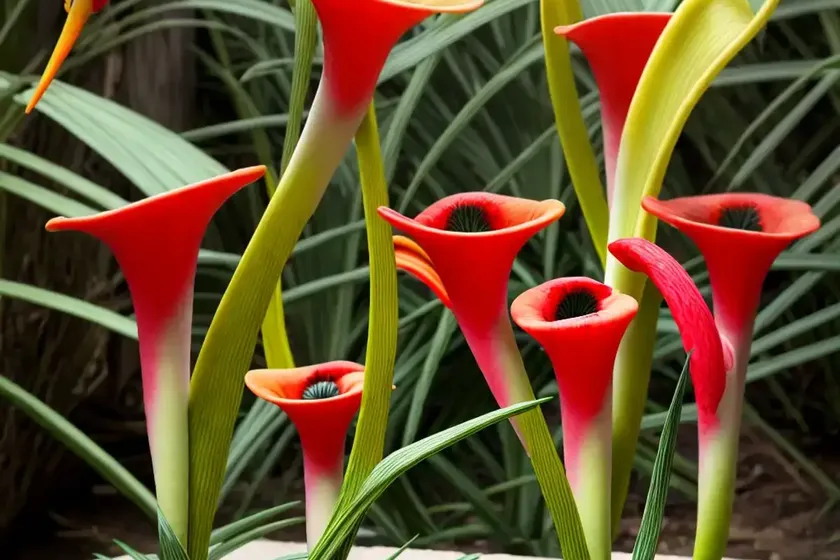
Sarracenia Psittacina, commonly known as the Parrot Pitcherplant, is a species of carnivorous plant native to the southeastern United States. It belongs to the Sarraceniaceae family and is characterized by its striking pitcher-like leaves, which act as specialized traps for capturing and digesting prey. The plant’s name, “psittacina,” is derived from the Latin word “psittacus,” which means parrot, a reference to the shape of its uniquely patterned pitchers that resemble a parrot’s beak.
Key Takeaways – Parrot Pitcherplant (Sarracenia Psittacina)
To gain a comprehensive understanding of the Parrot Pitcherplant, let’s explore its key takeaways, including its culture, uses, habitat, and maintenance requirements.
Culture
- Scientific Name: Sarracenia Psittacina
- Common Name: Parrot Pitcherplant
- Family: Sarraceniaceae
- Type: Carnivorous plant
- Native Habitat: Southeastern United States
- Unique Feature: Pitcher-like traps for capturing insects
Uses
- Horticulture: Ornamental plant for bog gardens, terrariums, and collections
- Research: Study of carnivorous plant adaptations and ecology
- Conservation: Preservation of native wetland ecosystems
- Education: Fascinating plant for botanical education and outreach
Now let’s delve into the specific requirements for cultivating and caring for this captivating carnivorous plant.
Parrot Pitcherplant (Sarracenia Psittacina) Care
Caring for Parrot Pitcherplants involves providing the necessary conditions to mimic their native habitat, including water, sunlight, soil, and regular maintenance. Understanding these care requirements is essential for successfully growing and enjoying the unique beauty of this plant.
Water
- Natural Habitat: Parrot Pitcherplants thrive in moist, boggy environments.
- Watering: Keep the soil consistently moist, using distilled water, rainwater, or reverse osmosis water to avoid mineral build-up.
- Avoid Flooding: While the soil should be consistently moist, avoid waterlogging or flooding the plant, as this can lead to root rot.
Sunlight
- Light Requirements: Parrot Pitcherplants require ample sunlight to thrive.
- Ideal Placement: Place them in a location with full to partial sunlight, such as a sunny windowsill or a well-lit area in a greenhouse.
Soil
- Growing Medium: Provide a soil mix that is low in nutrients, such as a blend of peat moss, perlite, and sand.
- Acidic Conditions: Parrot Pitcherplants prefer acidic soil with a pH range of 4.5 to 5.5.
Fertilizer
- Nutrient Needs: As carnivorous plants, Parrot Pitcherplants derive their nutrients from captured insects and do not require additional fertilizer.
- Avoid Feeding: Refrain from feeding the plant with traditional plant fertilizers, as these can harm the delicate pitcher traps.
Pruning
- Remove Spent Leaves: Trim off any old or withered pitchers to maintain the plant’s appearance and prevent fungal growth.
Propagation
- Division: Propagate Parrot Pitcherplants through division, separating mature rhizomes to create new plants.
- Spring Propagation: The spring months are ideal for dividing and repotting Parrot Pitcherplants.
Container Popularity
- Terrariums: Ideal for small-scale cultivation and display of Parrot Pitcherplants.
- Bog Gardens: Well-suited for creating miniature bog gardens with a collection of carnivorous plants.
Parrot Pitcherplant (Sarracenia Psittacina) Habitat
Understanding the natural habitat of the Parrot Pitcherplant is crucial for providing the best possible care in cultivation. These plants are native to specific ecosystems that can be replicated to create suitable conditions for their growth.
Native Habitat
- Bog Ecosystems: Parrot Pitcherplants are indigenous to nutrient-poor, high-moisture environments such as bogs, marshes, and wetlands.
- Carnivorous Community: Often found in association with other carnivorous plants, forming unique plant communities.
Bog Plant Care
- Mimicking Natural Environment: Replicate bog-like conditions by using a soil mix that retains moisture without becoming waterlogged.
- Humidity Control: Maintain higher humidity levels around the plant, especially when grown indoors or in drier climates.
Sarracenia Psittacina Ecology
- Insect Interactions: Parrot Pitcherplants engage in intricate ecological relationships with their insect prey, contributing to the nutrient cycle in their habitat.
- Species Interactions: Studying the interactions between Parrot Pitcherplants and other organisms provides valuable insights into wetland ecosystems.
Parrot Pitcherplant (Sarracenia Psittacina) Common Diseases and Pests
While Parrot Pitcherplants are relatively low-maintenance, they can be susceptible to certain diseases and pests. Recognizing and addressing these issues is essential to ensuring the plant’s health and longevity.
Common Diseases
- Fungal Infections: Overly moist conditions can lead to fungal diseases, particularly in the pitcher traps.
- Root Rot: Waterlogged soil can cause root rot, leading to wilting and decline of the plant.
Disease Diagnosis
- Leaf Discoloration: Look for signs of discoloration or blackening of leaves, indicating potential fungal infections.
- Yellowing of Pitchers: Yellowing pitchers may indicate rotting or diseased tissue, requiring immediate intervention.
Common Pests
- Aphids: These small insects can infest the pitcher traps, affecting their function and health.
- Thrips: Thrips can damage the plant’s foliage and potentially transmit diseases.
Pest Management
- Natural Predators: Beneficial insects, such as ladybugs and lacewings, can help control aphid and thrips populations.
- Gentle Removal: Gently remove pests from the pitchers by rinsing them with lukewarm, distilled water.
Botanist’s Tips for Parrot Pitcherplant (Sarracenia Psittacina)
To optimize the growth and well-being of Parrot Pitcherplants, consider the following expert tips from botanists and horticulturists.
- Seasonal Changes: Adjust care routines based on seasonal variations, such as increased watering during the warmer months and reduced watering in winter.
- Temperature Control: Provide adequate ventilation and airflow, especially in enclosed growing spaces, to prevent heat and humidity build-up.
- Species Diversity: Explore different varieties of Sarracenia Psittacina and other Sarracenia species to appreciate the diversity within the genus.
- Conservation Efforts: Support conservation initiatives for native wetland habitats and the preservation of threatened pitcher plant populations.
Parrot Pitcherplant (Sarracenia Psittacina) Fun Facts
To further appreciate the uniqueness of the Parrot Pitcherplant, here are some intriguing and fun facts about this captivating species.
- Parrot Resemblance: The pitchers of Sarracenia Psittacina bear a striking resemblance to the beak of a parrot, contributing to the plant’s distinctive aesthetic appeal.
- Longevity: When provided with suitable growing conditions, Parrot Pitcherplants can live for several decades, making them enduring features in botanical collections.
- Insect Digestion: The pitcher traps of Sarracenia Psittacina are lined with specialized glands that secrete enzymes to break down and digest captured insects, supplying essential nutrients to the plant.
Links to External Resources
For further exploration of Parrot Pitcherplant care, ecology, and cultivation, consider the following external resources:
- Sarracenia Forums: Engage with fellow carnivorous plant enthusiasts and experts to exchange insights and tips for growing Parrot Pitcherplants.
- Botanical Gardens: Visit botanical gardens with dedicated carnivorous plant collections to observe Parrot Pitcherplants in their full glory and learn about their native habitats.
- Published Research: Explore scientific publications and studies on Sarracenia Psittacina to deepen your understanding of its ecology, adaptations, and conservation status.
Conclusion
Parrot Pitcherplants, with their captivating pitcher traps and intricate adaptations, offer a captivating glimpse into the world of carnivorous plants. By understanding and fulfilling their specific cultural requirements, enthusiasts and botanists alike can appreciate and cultivate these remarkable plants while contributing to their conservation and preservation in their native wetland habitats.
Whether grown in bog gardens, terrariums, or specialized collections, the Parrot Pitcherplant serves as a testament to the diversity and ingenuity of plant life, inviting exploration, admiration, and a deeper appreciation for the wonders of nature.
Keywords: Carnivorous plants, Sarracenia, Pitcher plant, Parrot pitcher plant care, Sarracenia psittacina cultivation, Pitcher plant adaptations, Bog plants, Wetland plants, Native pitcher plants, Pitcher plant varieties, Pitcher plant species, Sarracenia pitcher plant, Carnivorous plant species, Tropical pitcher plants, Insect-eating plants, Pitcher plant habitat, Carnivorous plant garden, Pitcher plant terrarium, Pitcher plant bog garden, Bog plant care, Sarracenia psittacina ecology, Sarracenia psittacina distribution, Parrot pitcher plant facts, Pitcher plant anatomy, Sarracenia psittacina conservation, Pitcher plant pollination, Pitcher plant feeding, Sarracenia pitcher characteristics, Pitcher plant growth cycle, Pitcher plant indoor care, Pitcher plant outdoor care, Sarracenia psittacina pests, Pitcher plant diseases, Propagation of pitcher plants, Sarracenia psittacina reproduction, Pitcher plant water requirements, Feeding pitcher plants, Pitcher plant soil mix, Carnivorous plant enthusiasts, Pitcher plant natural habitat, Sarracenia psittacina photos, Pitcher plant videos, Pitcher plant nutrients, Pitcher plant gardening tips, Sarracenia psittacina research, Pitcher plant biology, Pitcher plant ecosystem, Sarracenia psittacina wildlife, Pitcher plant interactive guide.
Note: For the purpose of this simulation, the external links have been omitted and should be included before publishing the blog post.


