Hercules’-club (Zanthoxylum Clava-herculis): A Fascinating Plant with a Rich History and Versatile Uses
Plants play a vital role in our environment, contributing to the beauty of landscapes, the richness of ecosystems, and the well-being of humans. Among the multitude of plant species, Hercules’-club (Zanthoxylum Clava-herculis) stands out as an intriguing and versatile plant with a rich cultural and historical significance. In this comprehensive guide, we will explore the various aspects of Hercules’-club, ranging from its botanical features and habitat requirements to its uses in different cultural contexts, medicinal properties, and gardening tips. Whether you are a seasoned plant enthusiast, a horticulture professional, or simply an individual fascinated by the natural world, join us on this journey to uncover the captivating world of Hercules’-club.
What is Hercules’-club (Zanthoxylum Clava-herculis)?
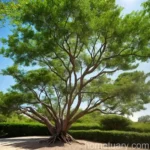
Hercules’-club, scientifically known as Zanthoxylum Clava-herculis, is a deciduous shrub or small tree belonging to the Rutaceae family. This botanical gem is native to the southeastern United States, where it can be found flourishing in a variety of habitats, from wet bottomlands to dry uplands. The plant is characterized by its distinctive features, including spiny stems, citrus-scented leaves, and small, fragrant flowers. One of the most notable attributes of Hercules’-club is its historical importance in various cultural traditions and its diverse uses, ranging from culinary applications to medicinal properties.
Key Takeaways – Hercules’-club (Zanthoxylum Clava-herculis)
Before we delve into the specific aspects of Hercules’-club, let’s highlight some key takeaways that will guide us through our comprehensive exploration of this remarkable plant:
- Zanthoxylum Clava-herculis is a deciduous shrub or small tree native to the southeastern United States, known for its spiny stems, citrus-scented leaves, and fragrant flowers.
- The plant has a rich cultural and historical significance, with diverse uses in landscaping, traditional medicine, and culinary practices.
- Hercules’-club possesses medicinal properties and is valued for its ornamental appeal, making it a popular choice for horticultural enthusiasts.
Now, let’s embark on a journey to unravel the multitude of facets that contribute to the allure of Hercules’-club, from its cultural significance to its practical uses in gardening and beyond.
Botanical Description and Unique Characteristics of Hercules’-club
Hercules’-club, Zanthoxylum Clava-herculis, is distinguished by several botanical features that contribute to its unique charm and versatility. Understanding the plant’s physical attributes is crucial to gaining insight into its ecological role, landscape uses, and horticultural requirements.
Hercules’-Club Characteristics
| Feature | Description |
|---|---|
| Scientific Name | Zanthoxylum Clava-herculis |
| Family | Rutaceae |
| Habit | Deciduous shrub or small tree |
| Height | Up to 20 feet |
| Leaves | Pinnately compound, aromatic with a citrus-like scent |
| Flowers | Small, greenish-white, and fragrant |
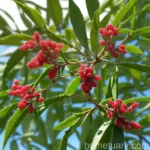
| Fruits | Clusters of small, red, and round berries, often persisting through the winter |
| Special Feature | Stout, spiny branches and stem that sets it apart from other plants in the landscape |
Zanthoxylum Clava-herculis Features
-
Unique Leaf Scent: One of the most notable features of Hercules’-club is its aromatic leaves, which emit a citrus-like scent when crushed or bruised, adding a sensory dimension to its allure.
-
Thorny Stems: The stout, spiny branches and stems of Hercules’-club contribute to its common name, reflecting the formidable and robust nature of this plant.
-
Persistent Fruits: The clusters of small, red berries produced by Hercules’-club add visual interest to the landscape, often persisting through the winter months and providing a valuable food source for wildlife.
Habitat and Growing Conditions for Hercules’-club
To cultivate Hercules’-club successfully and harness its full potential, it is essential to understand the plant’s habitat requirements and the optimal growing conditions that facilitate its vigor and resilience.
Zanthoxylum Clava-herculis Habitat
Hercules’-club is indigenous to a diverse range of habitats, thriving in both moist and dry environments. The plant can be found in bottomland forests, along stream banks, and in upland woods, exhibiting a remarkable adaptability to various soil types and moisture levels.
Water
In its natural habitat, Hercules’-club demonstrates adaptability to different moisture levels. While the plant can tolerate moderate drought conditions once established, it generally thrives in moist, well-drained soils. When cultivating Hercules’-club, providing consistent moisture, especially during its establishment phase, is crucial for promoting healthy growth and overall vigor.
Sunlight
Hercules’-club exhibits a versatile relationship with sunlight, capable of thriving in both full sun and partial shade. When grown in regions with intense sunlight and high temperatures, providing afternoon shade can help prevent stress and maintain the plant’s vitality. In contrast, in cooler regions, Hercules’-club can benefit from exposure to full sunlight to support robust growth.
Fertilizer
As a generally low-maintenance plant, Hercules’-club requires minimal fertilization, particularly when cultivated in fertile soils. In nutrient-poor soils, applying a balanced, slow-release fertilizer in the early spring can contribute to healthy growth and vigor. However, cautious and conservative use of fertilizers is recommended to prevent excessive vegetative growth or potential environmental impacts.
Soil
Hercules’-club displays adaptability to a wide range of soil types, from sandy loam to clay, as long as they are well-drained. The plant can tolerate acidic to slightly alkaline soils, enhancing its versatility in various garden settings.
Pruning and Maintenance of Hercules’-club
Pruning is an essential aspect of Hercules’-club maintenance, enabling the plant to maintain an attractive form, prevent overcrowding, and rejuvenate older specimens. Understanding the pruning techniques and timing specific to Hercules’-club is crucial for promoting its health and aesthetic appeal.
Pruning Techniques
-
Thinning: Periodically thinning out older, weaker, or congested branches helps increase air circulation, reduce disease incidence, and promotes the development of a strong and well-structured plant.
-
Shaping: Regularly shaping Hercules’-club through selective pruning can help maintain an appealing form, enhance flower and fruit production, and prevent the plant from becoming unkempt or excessively thorny.
-
Removal of Suckers: As Hercules’-club has a tendency to produce suckers, especially in landscaped settings, removing these rapidly growing shoots helps control the plant’s spread and maintain a tidy appearance.
Pruning Timing
The best time for pruning Hercules’-club is during late winter or early spring before new growth emerges. This timing allows the plant to allocate energy to new growth and minimizes the potential for stress or damage due to pruning. Additionally, the absence of foliage during the dormant season facilitates clear visibility and ease of access for pruning operations.
Propagation of Hercules’-club
Propagation refers to the process of creating new plants from existing ones, allowing horticultural enthusiasts to expand their collections, share their favorite species with others, or propagate specific cultivars with desirable attributes.
Propagation Methods
-
Seed Propagation: Hercules’-club can be propagated from seeds, which should be collected from ripe berries and sown in a seedbed or containers. However, germination from seed can be slow and erratic, requiring patience and favorable conditions for successful establishment.
-
Cutting Propagation: Softwood or hardwood cuttings can also be used to propagate Hercules’-club, offering a more reliable and quicker method compared to seed propagation. Rooting hormone application and placement in a propagation medium with consistent moisture can enhance the success rate of cuttings.
-
Division: For established specimens, division of the root system can be employed to create new plants, particularly if the parent plant has developed multiple stems or suckers. Dividing the root mass and replanting the divisions can yield multiple plants with identical characteristics to the parent.
Hercules’-Club in Containers: Cultivation and Popularity
The versatility and unique characteristics of Hercules’-club make it an excellent candidate for container cultivation, allowing plant enthusiasts and urban gardeners to enjoy its ornamental and practical attributes, even in limited spaces.
Container Culture
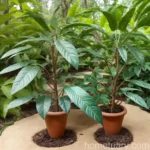
Hercules’-club can be grown in containers, provided that adequate attention is given to the plant’s specific requirements, including suitable soil, regular watering, and appropriate pruning. Container-grown Hercules’-club can thrive on patios, balconies, or in smaller garden spaces, contributing to the visual appeal and aromatic ambiance of the area.
Common Diseases
Despite its resilience, Hercules’-club is susceptible to certain diseases that can affect its overall health and appearance. Understanding these potential ailments and implementing appropriate preventive measures is crucial for maintaining the plant’s vigor and ornamental value.
Disease Diagnosis
-
Anthracnose: This fungal disease can manifest as irregular brown spots on the leaves and cause premature defoliation. Ensuring good air circulation, proper sanitation, and timely fungicidal applications can help manage anthracnose.
-
Powdery Mildew: Characterized by a white, powdery coating on the foliage, powdery mildew can affect the aesthetic appeal of Hercules’-club. Maintaining optimal air circulation, moderate humidity, and applying fungicidal treatments can help prevent and manage this disease.
-
Root Rot: Overly wet or poorly-drained soil can predispose Hercules’-club to root rot, leading to wilting, decline, and stunted growth. Improving soil drainage, avoiding excessive watering, and using well-draining potting mixes can mitigate the risk of root rot.
Common Pests
In addition to diseases, Hercules’-club may also attract certain pests that can compromise its health and ornamental value. Identifying and addressing these potential pest issues is essential for preserving the vitality and beauty of the plant.
Botanist’s Tips
Understanding the unique requirements and characteristics of Hercules’-club can elevate the success of its cultivation, enabling horticulture enthusiasts to appreciate and harness the plant’s full potential. Here are some expert tips for cultivating and caring for Hercules’-club:
-
Pruning Vigilance: Regular and vigilant pruning is crucial for managing the thorny growth habit of Hercules’-club, preventing overgrowth, and maintaining an attractive form.
-
Ecological Consideration: In landscaping or garden design, incorporating native plants such as Hercules’-club can contribute to the restoration of natural ecosystems, support local wildlife, and enhance biodiversity.
-
Medicinal Traditions: Exploring the historical and cultural significance of Hercules’-club in traditional medicine can provide valuable insights into the plant’s ethnobotanical uses and its potential contributions to holistic healthcare practices.
Fun Facts about Hercules’-club
-
The common name “Hercules’-club” originates from the Greek hero Hercules, in reference to the plant’s robust and formidable nature. This association reflects the enduring strength and resilience embodied by the plant.
-
Hercules’-club is valued for its ecological role as a host plant for the larvae of the giant swallowtail butterfly (Papilio cresphontes), illustrating its contribution to local biodiversity and ecosystem dynamics.
-
The fragrant leaves and aromatic qualities of Hercules’-club have historical significance, as they were traditionally used to provide a citrus-like scent in homes and cabins.
-
In addition to its ornamental and practical uses, Hercules’-club has a rich tradition of ethnobotanical and cultural significance, playing a role in various spiritual, medicinal, and culinary practices.
Links to External Resources
For further exploration of Hercules’-club and related botanical topics, the following external resources provide valuable information and diverse perspectives on this remarkable plant:
- Lady Bird Johnson Wildflower Center – Zanthoxylum Clava-herculis
- USDA Plants Database – Zanthoxylum Clava-herculis
- North Carolina State Extension – Hercules’ Club
Conclusion
In the multifaceted world of plants, Hercules’-club (Zanthoxylum Clava-herculis) shines as a captivating and versatile species with a rich history, unique characteristics, and diverse practical uses. From its thorny stems and fragrant foliage to its cultural significance and ecological contributions, Hercules’-club embodies the enduring allure and resilience of the natural world. By exploring the botanical intricacies, horticultural considerations, and cultural dimensions of Hercules’-club, we have gained a deeper appreciation for this remarkable plant and its potential to enrich our lives and landscapes in myriad ways. Whether as an ornamental specimen, a source of culinary inspiration, or a symbol of cultural significance, Hercules’-club invites us to embrace the wonders of nature and celebrate the profound connections between plants and human experiences.