The Fascinating World of Southern Prickly-Ash (Zanthoxylum clava-herculis)
Introduction
Plants form an integral part of our environment, serving diverse purposes ranging from ornamental to medicinal and ecological. Among the myriad of plant species, the Southern prickly-ash (Zanthoxylum clava-herculis) stands out due to its unique characteristics, cultural significance, and ecological value. In this comprehensive guide, we will delve into the enigmatic world of Zanthoxylum clava-herculis, exploring its description, uses, cultivation, and interactions with its environment.
What is Southern Prickly-Ash (Zanthoxylum clava-herculis)?
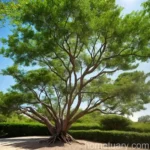
Southern prickly-ash, scientifically known as Zanthoxylum clava-herculis, is a captivating plant species belonging to the Rutaceae family. It is native to the southeastern United States, predominantly found in regions from Texas to Florida and up through the Carolinas. The plant is characterized by its striking features, including spiny stems, aromatic leaves, and tiny yellowish-green flowers that give way to clusters of small reddish fruits.
Key Takeaways – Southern Prickly-Ash (Zanthoxylum clava-herculis)
Before delving into the details of Southern prickly-ash, let’s grasp the key takeaways about this intriguing plant:
-
Zanthoxylum clava-herculis Information:
- Scientific Name: Zanthoxylum clava-herculis
- Family: Rutaceae
- Common Names: Southern prickly-ash, Hercules club, Pepperbark, and Toothache tree
-
Southern Prickly-Ash Description:
- Habitat: Native to the southeastern United States
- Characteristics: Spiny stems, aromatic leaves, and small reddish fruits
- Growth Habit: Deciduous shrub or small tree
-
Prickly-Ash Benefits:
- Medicinal Properties: Used in traditional medicine for various ailments
- Wildlife Habitat: Provides food and shelter for wildlife
-
Zanthoxylum clava-herculis Uses:
- Culinary: The leaves and berries are used as a pepper substitute
- Ornamental: Valued for its unique appearance in landscaping
-
Southern Prickly-Ash Characteristics:
- Thorny stems, pinnate leaves, and aromatic properties
-
Prickly-Ash Medicinal Properties:
- Analgesic and anti-inflammatory properties
-
Zanthoxylum clava-herculis Natural Habitat:
- Found in woodlands, thickets, and along stream banks
-
Southern Prickly-Ash Cultivation Tips:
- Requirements for water, sunlight, soil, and pruning techniques
-
Prickly-Ash Plant Care:
- Understanding growth requirements and maintenance for optimal growth
-
Zanthoxylum clava-herculis Growth Requirements:
- Soil, sunlight, water, and fertilizer needs
-
Southern Prickly-Ash Uses in Landscaping:
- Practical and aesthetic applications in landscaping
-
Prickly-Ash for Wildlife Habitat:
- Ecological importance and interactions with wildlife
-
Zanthoxylum clava-herculis Herbal Uses:
- Traditional and modern herbal applications
-
Southern Prickly-Ash Traditional Medicine:
- Historical and cultural significance in traditional medicine
-
Prickly-Ash Folklore and Legends:
- Intriguing cultural and historical significance
-
Zanthoxylum clava-herculis Pest Control:
- Managing common pests and diseases
-
Southern Prickly-Ash Root System:
- Understanding the root structure and its impact on growth
-
Prickly-Ash Pruning Techniques:
- Proper methods for maintaining plant health and form
-
Zanthoxylum clava-herculis Propagation Methods:
- Reproduction and propagation techniques
-
Southern Prickly-Ash Leaf Characteristics:
- Morphological and physiological features of leaves
With these key takeaways in mind, let’s embark on an informative journey to explore the captivating world of Southern prickly-ash, uncovering its uses, cultivation, and ecological significance.
Culture
Understanding the cultural requirements of Southern prickly-ash is essential for ensuring its optimal growth and health. From its preferred soil conditions to its adaptability to various climates, the plant’s cultural needs play a crucial role in its overall well-being.
Water
Southern prickly-ash exhibits moderate water needs, preferring well-draining soil that retains some moisture. While the plant is somewhat drought-tolerant once established, consistent watering, especially during dry periods, is beneficial for its growth. However, it is essential to avoid overwatering, as waterlogged soil can lead to root rot and other health issues.
Sunlight
As a native of the southeastern United States, Southern prickly-ash thrives in full to partial sun conditions. It benefits from receiving at least six hours of direct sunlight daily, which promotes vigorous growth and the development of its characteristic spiny stems and aromatic leaves. Adequate sunlight also contributes to the plant’s flowering and fruiting, enhancing its ornamental and ecological value.
Fertilizer
When it comes to fertilization, Southern prickly-ash generally does not require heavy feeding. However, applying a balanced, slow-release fertilizer in early spring can provide a nutrient boost as the plant enters its active growth phase. Opt for a fertilizer with a balanced NPK ratio, such as 10-10-10, and follow the package instructions for application rates. Over-fertilization should be avoided, as it can lead to excessive vegetative growth at the expense of flowering and fruiting.
Soil
The ideal soil for Southern prickly-ash is well-draining and slightly acidic to neutral. It adapts well to a range of soil types, including sandy, loamy, and clay soils, as long as they provide adequate drainage. Amending the soil with organic matter, such as compost or well-rotted manure, can improve its texture and fertility, creating an optimal growing environment for the plant.
Pruning
Pruning is an essential aspect of Southern prickly-ash maintenance, contributing to its overall health, shape, and aesthetic appeal. The plant’s spiny nature calls for careful and cautious pruning techniques to avoid injury and ensure a tidy and well-structured appearance.
When pruning Southern prickly-ash:
- Use sharp, clean tools to make precise cuts, minimizing the risk of damage and disease.
- Focus on removing dead, damaged, or crossing branches to promote air circulation and light penetration.
- Avoid over-pruning, as the plant’s natural form and growth habit should be respected to a certain extent.
- Prune in late winter or early spring before the onset of new growth, allowing the plant to recover and put forth new shoots during the growing season.
Proper pruning not only maintains the plant’s form but also encourages vigorous growth and the development of new foliage, flowers, and fruit.
Propagation
Southern prickly-ash can be propagated through various methods, including seeds, cuttings, and suckers. Each propagation technique offers unique advantages and challenges, allowing gardeners and horticulturists to choose the most suitable approach based on their expertise and resources.
Seed Propagation
Propagation from seeds is a viable option for expanding Southern prickly-ash populations or starting new plants from scratch. To propagate the plant from seeds:
- Harvest ripe fruits from mature Southern prickly-ash specimens.
- Extract the seeds from the fruits and remove any pulp or debris.
- Stratify the seeds in a moist, refrigerated environment for several weeks to break dormancy.
- Sow the seeds in pots or trays filled with a well-draining potting mix, lightly covering them with soil.
- Keep the soil consistently moist and provide a warm, bright environment for germination to occur.
Seed propagation offers the excitement of growing new plants from scratch, allowing for a deeper understanding of the plant’s life cycle and development.
Cutting Propagation
Propagating Southern prickly-ash from cuttings is an efficient method for producing genetically identical offspring with desirable traits. Selecting healthy, disease-free stems for cutting propagation is crucial for ensuring the success of the process. To propagate the plant from cuttings:
- Take semi-hardwood cuttings from the current season’s growth, typically in late spring or early summer.
- Remove the lower leaves from the cuttings and dip the cut ends in a rooting hormone to promote root development.
- Plant the cuttings in a well-draining potting mix or directly in the ground, ensuring that at least two nodes are below the soil line.
- Keep the cuttings consistently moist and provide a warm, humid environment to encourage root growth.
Cutting propagation allows for the efficient production of new Southern prickly-ash plants with consistent characteristics, making it a valuable technique for both horticultural and conservation purposes.
Sucker Propagation
Suckers, which are shoots that emerge from the base of the plant, can be utilized for propagation to create new Southern prickly-ash specimens. To propagate the plant from suckers:
- Locate healthy, vigorous suckers growing from the base of the plant.
- Carefully detach the suckers from the parent plant, ensuring that each sucker has a portion of root attached.
- Plant the suckers in a prepared site with well-draining soil and adequate sunlight.
- Keep the soil consistently moist and provide appropriate care to support the establishment of the new plants.
Sucker propagation serves as a natural and straightforward method for expanding Southern prickly-ash populations, making use of the plant’s inherent ability to produce suckers for vegetative reproduction.
Container Popularity
While Southern prickly-ash is often grown in traditional garden settings and natural landscapes, it also holds appeal for container gardening enthusiasts. The plant’s striking appearance, versatile uses, and adaptability to container cultivation make it an attractive choice for adding interest and beauty to outdoor living spaces, patios, and balconies.
Container Common Diseases
When growing Southern prickly-ash in containers, it is important to be aware of potential diseases that can affect the plant. Common container diseases that may impact Southern prickly-ash include:
- Root Rot: Excessive moisture and poor drainage can lead to root rot in container-grown plants, affecting the plant’s health and vitality.
- Fungal Infections: Moist and humid conditions within containers can create favorable environments for various fungal diseases to develop, posing a risk to the plant’s overall well-being.
Being vigilant about maintaining proper watering practices, providing adequate ventilation, and using well-draining potting mixes can help mitigate the risk of container diseases for Southern prickly-ash.
Disease Diagnosis
Diagnosing and addressing diseases in container-grown Southern prickly-ash requires keen observation and timely intervention. Common signs of diseases in container plants include:
- Yellowing or browning of leaves
- Wilting or drooping foliage
- Stunted growth or reduced vigor
- Presence of mold or mildew on the plant or in the potting mix
Upon observing any of these symptoms, it is essential to investigate the underlying cause and take appropriate measures to prevent the spread of diseases and promote the plant’s recovery.
Botanist’s Tips
As botanists and plant enthusiasts, it is crucial to understand the intricacies of Southern prickly-ash and provide valuable insights into its cultivation, conservation, and ecological importance. Here are some tips from a botanist’s perspective to guide the optimal care and appreciation of this unique plant:
-
Promote Wildlife Interactions: Recognize and celebrate the contributions of Southern prickly-ash to wildlife habitat and biodiversity. Encourage the integration of native plants, including Southern prickly-ash, in ecological restoration and landscaping projects to support native fauna.
-
Conservation Efforts: Participate in conservation initiatives and habitat restoration projects aimed at preserving and safeguarding the natural habitats of Southern prickly-ash. Support the cultivation and propagation of native plants within botanical gardens, nurseries, and educational institutions to maintain genetic diversity and species resilience.
-
Herbal and Medicinal Applications: Explore the historical and contemporary uses of Southern prickly-ash in herbal medicine and traditional healing practices. Raise awareness about the sustainable and ethical use of plant resources, emphasizing the importance of preserving traditional knowledge and cultural heritage associated with medicinal plants.
-
Education and Outreach: Engage in educational outreach efforts to promote the understanding and appreciation of Southern prickly-ash among diverse audiences. Provide resources, workshops, and interactive experiences that highlight the plant’s ecological, cultural, and aesthetic significance, fostering a deeper connection with nature and native plant species.
By embracing these botanist’s tips and insights, we can contribute to the conservation, appreciation, and sustainable use of Southern prickly-ash, enriching our understanding of its place in the natural world.
Fun Facts
Southern prickly-ash holds a myriad of intriguing and captivating features and qualities that make it a compelling subject for exploration and discovery. Here are some fun facts about this enigmatic plant:
- The name “Hercules club” stems from the plant’s resilient and tough nature, alluding to the legendary strength of the mythological hero.
- The berries of Southern prickly-ash, when crushed or consumed, impart a characteristic numbing sensation similar to that of the Szechuan peppercorn, making it an interesting sensory experience.
- The thorny stems of Southern prickly-ash serve as a natural deterrent, protecting the plant from browsing by deer and other herbivores, exemplifying its adaptive and defensive strategies.
Links to External Resources
To further deepen our understanding of Southern prickly-ash and its myriad facets, here are some valuable external resources and references for comprehensive exploration:
- USDA Plant Fact Sheet: Zanthoxylum clava-herculis (Southern prickly-ash)
- Native Plants of North America: Zanthoxylum clava-herculis
- The Herb Society of America: Southern Prickly Ash
- North Carolina State University Extension: Southern Prickly-ash
By exploring these external resources, we can gain valuable insights, research findings, and practical guidance on Southern prickly-ash, enriching our knowledge and appreciation of this unique plant.
In conclusion, Southern prickly-ash (Zanthoxylum clava-herculis) embodies a rich tapestry of ecological, cultural, and horticultural significance, offering a wealth of benefits and insights for botanists, gardeners, and plant enthusiasts alike. By embracing its unique characteristics, understanding its cultivation requirements, and recognizing its role in the natural world, we can cultivate a deeper appreciation for this remarkable plant and its contributions to our environment. As we continue to explore and celebrate the world of plants, let us cherish the diversity and beauty of species such as Southern prickly-ash, nurturing a profound connection with the natural world and its wondrous creations.