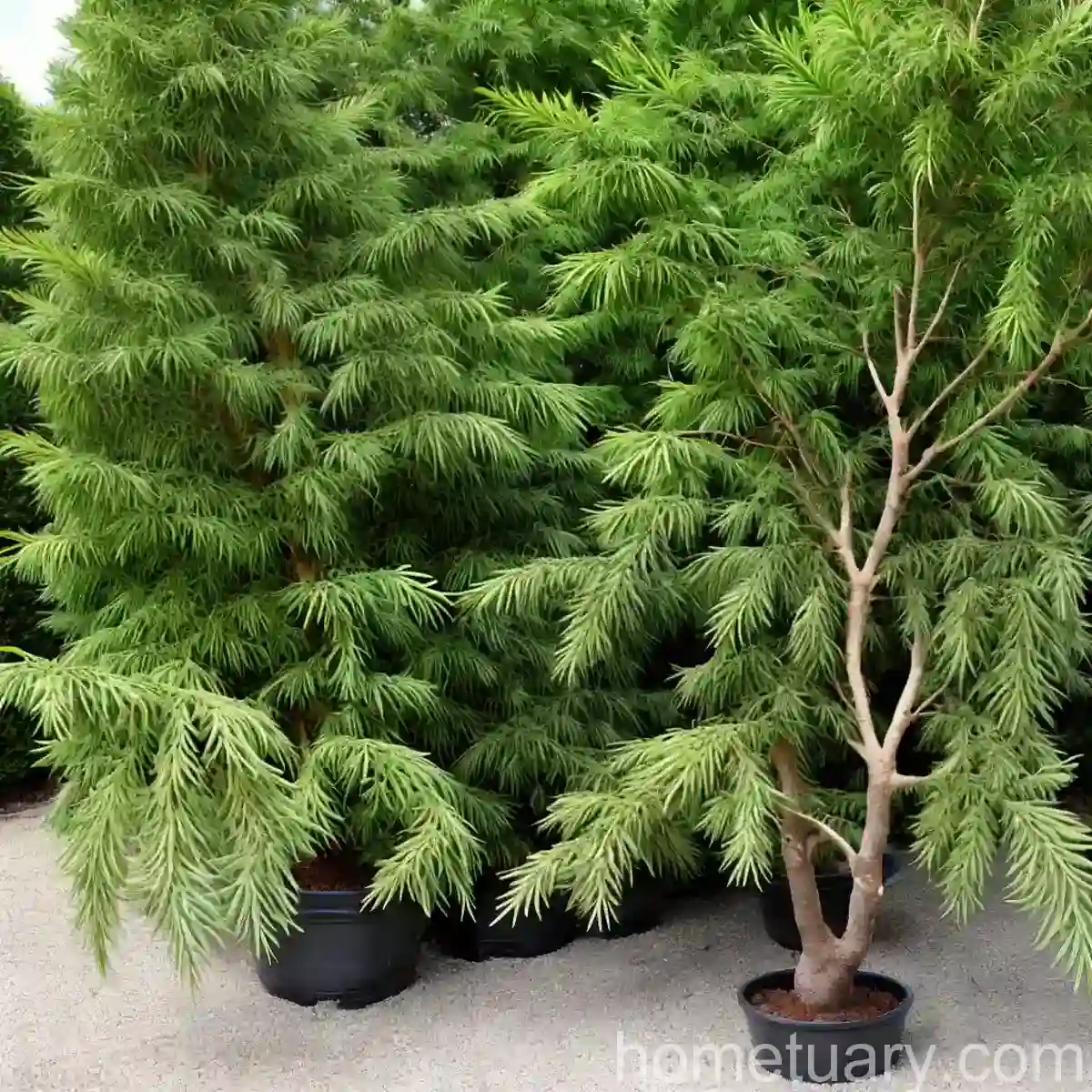
The Enigmatic Japanese Nutmeg-Yew (Torreya nucifera ‘Variegata’)
When it comes to versatile and visually stunning plant species, the Japanese nutmeg-yew (Torreya nucifera ‘Variegata’) undoubtedly stands out. This evergreen conifer, known for its unique variegated foliage, has earned a special place in the world of horticulture due to its aesthetic appeal and diverse array of potential uses. In this comprehensive guide, we will explore everything there is to know about the Japanese nutmeg-yew, from its cultural requirements to its propagation and common diseases. By the end of this blog, you will have gained a profound understanding of this fascinating plant, paving the way for successful cultivation and appreciation of its many virtues.
What is a Plant?
Before delving into the captivating realm of the Japanese nutmeg-yew, let’s take a moment to appreciate the general essence of what a plant truly is. In the broadest sense, plants are living organisms that belong to the kingdom Plantae. They are characterized by their ability to produce energy through photosynthesis, utilizing sunlight, water, and carbon dioxide to synthesize organic compounds. With an incredible diversity of over 390,000 known species, plants vary widely in terms of size, shape, structure, and reproductive strategies, making them a captivating subject of study and admiration for botanists and nature enthusiasts alike.
Japanese Nutmeg-Yew (Torreya nucifera ‘Variegata’)
The Japanese nutmeg-yew, scientifically known as Torreya nucifera ‘Variegata,’ is a captivating cultivar that has garnered attention for its striking variegated foliage. Belonging to the Taxaceae family, this evergreen conifer is native to Japan and Korea, where it thrives in woodland settings and mountainous regions. The variegated Japanese nutmeg-yew is renowned for its attractive appearance, with its leaves adorned in an exquisite blend of green and creamy white hues, adding a touch of elegance to any landscape or garden. As we delve deeper into its intricacies, we will explore the culture, uses, care requirements, and fascinating characteristics of this remarkable plant.
Key Takeaways – Japanese Nutmeg-Yew (Torreya nucifera ‘Variegata’)
Before we immerse ourselves in the detailed aspects of the Japanese nutmeg-yew, let’s establish a brief overview of the key points we will be exploring:
- Plant Name: Japanese nutmeg-yew (Torreya nucifera ‘Variegata’)
- Species: Torreya nucifera
- Cultivar: ‘Variegata’
- Common Names: Variegated Japanese nutmeg-yew, nutmeg-yew tree
- Family: Taxaceae
- Origins: Japan and Korea
- Foliage: Variegated leaves with green and creamy white hues
Now that we have the fundamental framework in place, let’s embark on an exploration of the various aspects of this captivating plant species.
Culture
The cultural requirements of the Japanese nutmeg-yew are essential to understand for successful cultivation and maintenance. From its water needs to its preferred soil conditions, ensuring the appropriate cultural environment is crucial for the health and vigor of this distinctive plant.
Water
Japanese nutmeg-yew (Torreya nucifera ‘Variegata’) exhibits a moderate need for water, thriving in well-drained soils while requiring regular watering, especially during the initial establishment phase. However, it is essential to maintain a balanced approach, avoiding waterlogged conditions that could lead to root rot and other associated problems.
Sunlight
This cultivar thrives in partial shade to full sun conditions, displaying its variegated foliage to best advantage when provided with ample natural light. While it can tolerate different light levels to some extent, providing it with adequate sunlight will promote vigorous growth and vibrant leaf coloration.
Uses
The Japanese nutmeg-yew offers a wide range of potential uses, both in practical and ornamental contexts. Understanding the diverse roles it can play in landscaping, horticulture, and even ecological conservation is instrumental in fully appreciating its value.
Ornamental Landscaping
Due to its visually striking variegated foliage, Torreya nucifera ‘Variegata’ is often used as an ornamental specimen in gardens, parks, and other landscaped areas. Its unique leaf coloration adds a touch of elegance and visual interest, serving as a focal point within diverse landscaping designs.
Horticultural and Medicinal Applications
Beyond its ornamental value, the Japanese nutmeg-yew also holds significance in traditional medicine and horticultural pursuits. Certain parts of the plant have been used in traditional Asian medicine, while its cultivation as an ornamental shrub or small tree presents opportunities for horticultural enthusiasts and professionals alike.
Water
The water needs of the Japanese nutmeg-yew are moderate, requiring a balanced approach to ensure optimal growth and health. Regular watering, especially during the establishment phase, is crucial, while avoiding waterlogged conditions is equally important to prevent detrimental effects such as root rot.
Sunlight
Japanese nutmeg-yew (Torreya nucifera ‘Variegata’) thrives in partial shade to full sun conditions, manifesting its variegated foliage to best advantage when exposed to ample natural light. Although it can tolerate varying light levels to some degree, providing it with sufficient sunlight promotes robust growth and vibrant leaf coloration.
Fertilizer
Applying a balanced fertilizer, such as a slow-release granular formulation, in spring can support the healthy growth of the Japanese nutmeg-yew. This should be followed by a light application in the summer to maintain nutrient availability and plant vigor. However, care should be taken to avoid excessive fertilization, which can lead to adverse effects on the plant.
Soil
The Japanese nutmeg-yew prefers well-drained, slightly acidic to neutral soils for optimal growth. Rich, loamy soils with good drainage are ideal, allowing the plant to establish a strong root system and thrive in its environment. Regularly amending the soil with organic matter can further enhance its growth and vitality.
Pruning
Pruning the Japanese nutmeg-yew, while not always necessary, can help maintain its desired shape, size, and overall appearance. This can involve selectively removing dead or diseased branches, as well as shaping the plant to achieve a desired aesthetic or functional outcome. Pruning is typically conducted during the dormant season, helping to minimize stress on the plant.
Propagation
Propagation of Torreya nucifera ‘Variegata’ can be achieved through methods such as seed propagation and softwood cuttings. While seeds offer a straightforward approach to propagating this plant, softwood cuttings can provide a quicker method of creating new plants. Regardless of the method chosen, ensuring proper care and environmental conditions is essential to achieve successful propagation.
Container Popularity
The Japanese nutmeg-yew is a popular choice for cultivation in containers, offering a versatile and visually appealing addition to patios, balconies, and other outdoor spaces. Its compact size, ornamental foliage, and adaptability to container growth make it an excellent candidate for container gardening enthusiasts and urban gardeners.
Container
Cultivating Torreya nucifera ‘Variegata’ in containers offers an array of benefits, including the ability to control its environment, effectively manage its growth, and enhance its aesthetic appeal. The use of well-draining potting mix and appropriate container size are paramount in establishing a healthy and thriving plant within a container setting.
Common Diseases
While the Japanese nutmeg-yew is generally resilient, it can be susceptible to certain diseases that warrant attention. Identifying and understanding these common diseases is critical for early detection and effective management, allowing for the continued health and vitality of the plant.
Root Rot
Excessive moisture and poor drainage can lead to the development of root rot in Torreya nucifera ‘Variegata’. This fungal disease can manifest as wilting, yellowing foliage, and stunted growth. Implementing proper watering practices and ensuring optimal soil drainage are key preventive measures against root rot.
Needle Blight
Needle blight, caused by fungal pathogens, can affect the foliage of the Japanese nutmeg-yew, leading to the development of discolored and necrotic needles. Proper air circulation, prudent irrigation practices, and prompt removal of affected foliage are essential strategies for managing needle blight and preventing its spread.
Phytophthora Root Rot
Phytophthora root rot can pose a threat to the health and vigor of Torreya nucifera ‘Variegata’ if conditions conducive to the pathogen’s development are present. Providing well-drained soil, avoiding overwatering, and utilizing pathogen-resistant cultivars are effective measures to mitigate the risk of Phytophthora root rot.
Disease Diagnosis
Diagnosing diseases affecting the Japanese nutmeg-yew requires a keen understanding of their symptoms and underlying causes. Observing the plant for changes in foliage coloration, growth patterns, and overall vigor can offer valuable insights into potential disease issues, prompting timely intervention and management strategies.
Symptom Observation
Careful observation of the plant’s leaves, stems, and overall appearance can reveal symptoms indicative of disease presence. Changes in color, texture, and structural integrity can signal the onset of potential diseases, urging a thorough assessment to identify the specific issue at hand.
Lab Analysis
In certain cases, obtaining laboratory analyses of affected plant tissues or soil samples can provide definitive diagnoses of diseases affecting Torreya nucifera ‘Variegata’. These analyses can aid in identifying the causative agents, allowing for targeted and effective treatment or management strategies.
Common Pests
In addition to specific diseases, the Japanese nutmeg-yew can also face challenges from common pests that can impact its health and vitality. Understanding the potential pests and their associated risks is essential for proactive pest management and safeguarding the well-being of the plant.
Scale Insects
Scale insects are a common pest that can infest the Japanese nutmeg-yew, appearing as small, immobile organisms often found on the undersides of leaves or along stems. Their feeding activity can lead to stunted growth and weakened plant vigor. Implementing natural predators or horticultural oils can help manage scale infestations effectively.
Aphids
Aphids are another potential threat to the Japanese nutmeg-yew, feeding on plant sap and causing foliage distortion and discoloration. Vigilant monitoring and the introduction of natural predators or targeted insecticidal treatments can help control aphid populations and mitigate potential damage.
Spider Mites
Spider mites, often identified by the fine webbing they produce on the foliage, can affect the Japanese nutmeg-yew and compromise its health. Regularly washing the plant leaves to remove mites and ensuring appropriate environmental conditions for natural predators are integral in managing spider mite infestations.
Botanist’s Tips
As a plant scientist or botanist, here are some noteworthy tips and recommendations for cultivating and appreciating the Japanese nutmeg-yew:
- Early Intervention: Regularly monitor the plant for signs of disease and pest issues, enabling prompt intervention and management to maintain its health and vigor.
- Cultural Optimization: Tailoring the cultural conditions, including water, sunlight, and soil, to the specific needs and preferences of Torreya nucifera ‘Variegata’ is paramount for its successful cultivation.
- Variegated Appeal: Embrace and accentuate the variegated foliage of the Japanese nutmeg-yew, leveraging it as a focal point in landscaping and garden designs for its visual impact.
- Pruning Practices: Adopt prudent pruning practices, focusing on shaping the plant while preserving its natural form and foliage density for an aesthetically pleasing outcome.
Fun Facts
Uncover intriguing and delightful fun facts about the Japanese nutmeg-yew that add depth and fascination to this exceptional plant species:
- Ancient Heritage: The Japanese nutmeg-yew, with its historical significance in traditional medicine and cultural symbolism, boasts an ancient heritage that enriches its character and allure.
- Mysterious Origins: Originating in Japan and Korea, the Japanese nutmeg-yew is shrouded in mystery and historical reverence, contributing to its captivating aura.
- Botanical Resilience: Despite potential disease and pest threats, the Japanese nutmeg-yew exhibits resilience and adaptability, showcasing its innate strength and endurance.
Links to External Resources
For further exploration and detailed insights into the Japanese nutmeg-yew, the following external resources provide valuable information and perspectives:
- American Conifer Society – Torreya nucifera ‘Variegata’
- Royal Horticultural Society – Japanese Nutmeg Yew
- North Carolina State University – Torreya Cultivars
In conclusion, the Japanese nutmeg-yew (Torreya nucifera ‘Variegata’) stands as a testament to the boundless beauty and resilience of the plant kingdom. From its variegated foliage to its versatile uses and cultural nuances, this enigmatic plant offers a wealth of discovery and horticultural inspiration. With a deeper understanding of its care requirements, disease management, and botanical allure, cultivating and appreciating the Japanese nutmeg-yew becomes an enriching and rewarding endeavor for plant enthusiasts and horticultural connoisseurs alike.