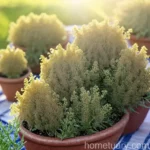
Plant Scientist’s Guide: American Germander (Teucrium canadense)
Plants have always captivated human civilization with their beautiful aesthetic, environmental benefits, and medicinal properties. They are an integral part of the ecosystem, contributing significantly to biodiversity and ecological balance. Exploring the diverse world of plants opens up avenues for understanding their unique attributes, inherent properties, and their relevance to human lives. In this comprehensive guide, we delve into the intriguing realm of American germander (Teucrium canadense), shedding light on its cultural significance, habitat, uses, care tips, and much more.
What is American Germander (Teucrium canadense)?
American germander, scientifically known as Teucrium canadense, is an herbaceous perennial plant that belongs to the mint family, Lamiaceae. This species is native to North America and is characterized by its striking appearance, growing habitat, and traditional uses by various indigenous communities. With its botanical elegance and ecological importance, American germander has earned its place as a valuable component of natural landscapes and horticultural settings.
Key Takeaways
Before diving into the intricacies of American germander, let’s glance at the key takeaways of this remarkable plant:
- Scientific Name: Teucrium canadense
- Common Name: American germander plant
- Medicinal Uses: American germander holds medicinal significance in traditional remedies.
- Taxonomy: Teucrium canadense L.
- Habitat: It thrives in diverse habitats, contributing to wildlife and ecosystem sustenance.
- Care Tips: Understanding the optimal conditions for growth and maintenance is crucial for nurturing American germander effectively.
- Uses: It has ethnobotanical, culinary, and medicinal uses.
- Description: American germander is characterized by specific botanical details and unique characteristics.
- Cultivation: Knowing the ideal growing conditions ensures successful cultivation.
- Benefits: It offers several benefits, including attracting pollinators and preserving wildlife habitat.
- Varieties: Exploring different varieties adds to the horticultural allure of American germander.
- Conservation Status: Understanding its conservation status is pivotal for ensuring its preservation.
Culture of American Germander
Understanding the cultural aspects of a plant provides insights into its historical significance, traditional uses, and symbolic value. American germander carries a rich cultural legacy, deeply rooted in folklore, traditional medicine, and ecological relevance.
Uses
American germander has been historically valued for its multifaceted uses, playing a significant role in the following domains:
- Medicinal: In traditional Native American medicine, American germander was employed for treating various ailments, including respiratory conditions, fevers, and digestive disorders. It was also used topically for skin ailments and as a general tonic.
- Culinary: While not commonly used in modern cuisine, some indigenous communities utilized the leaves of American germander as a flavoring agent.
- Ethnobotanical: The plant holds ethnobotanical significance in indigenous cultures, where it was revered for its symbolic and ritualistic purposes.
Water
Proper watering is paramount for the healthy growth and maintenance of American germander. Being a native plant, it is well adapted to the local climate and generally thrives in well-drained soil. However, during periods of drought, supplemental watering may be necessary, especially for newly planted specimens or during prolonged dry spells. When watering, it is essential to ensure that the soil does not become waterlogged, as this can lead to root rot and other issues.
Sunlight
American germander typically thrives in full sun to partial shade, although it is adaptable to a range of light conditions. In regions with intense summer heat, providing some afternoon shade can be beneficial. Understanding the local sunlight patterns and adjusting the plant’s location accordingly will facilitate optimal growth and flowering.
Fertilizer
Generally, American germander does not require heavy fertilization. In fact, excessive fertilization can lead to an overgrowth of foliage at the expense of flowering. A balanced, slow-release fertilizer applied in early spring can provide the necessary nutrients for healthy growth. It is important to follow manufacturer recommendations and avoid overfeeding, as this can result in adverse effects on the plant’s overall health.
Soil
American germander thrives in well-drained, slightly acidic to neutral soil. It is adaptable to a variety of soil types, including sandy loam and clay, as long as the soil is not waterlogged. Incorporating organic matter into the soil during planting can enhance its fertility and drainage, promoting robust growth and resilience.
Pruning American Germander
Proper pruning is essential for maintaining the health, shape, and flowering capacity of American germander. Pruning should be performed in late winter or early spring, before new growth emerges. Here are some key considerations for pruning this plant:
- Deadheading: Regular deadheading of spent flowers can promote prolonged blooming and prevent self-seeding.
- Shaping: Pruning back the stems by a third after flowering can encourage compact, bushy growth and stimulate new flower buds.
- Thinning: Removing older, woody stems can rejuvenate the plant and improve its overall vigor.
Propagation
American germander can be propagated through various methods, including seeds, division, and cuttings. Understanding the suitable propagation techniques enables the expansion of plant populations and the preservation of specific varieties.
Propagation Methods
- Seed Propagation: Sowing seeds in a well-prepared seedbed in late fall or early spring can yield new plants. Lightly cover the seeds with soil and keep the area moderately moist until germination occurs.
- Division: Dividing mature clumps in early spring is an effective method for producing new plants. Ensure that each division has a sufficient amount of roots and shoots to support its growth.
- Cuttings: Taking softwood cuttings in late spring or early summer and rooting them in a moist, well-drained medium can be a successful way to propagate American germander.
Container Gardening with American Germander
American germander can thrive in containers, adding a touch of natural beauty to patios, balconies, and indoor spaces. When cultivating American germander in containers, certain considerations need to be taken into account to ensure its well-being.
Suitable Containers
Selecting the right container is crucial for the successful cultivation of American germander. Here are some key points to consider:
- Size: Choose a container that provides ample space for root development and growth. A depth of at least 12 inches is generally recommended.
- Drainage: Ensure that the container has adequate drainage holes to prevent waterlogging.
- Material: Opt for containers made of durable, non-porous materials such as plastic, fiberglass, or glazed ceramic to maintain moisture levels and temperature.
Soil Mix
Using a well-draining potting mix is essential for container cultivation. A mix consisting of peat moss, perlite, and coarse sand provides good aeration and drainage, promoting healthy root development and growth.
Sunlight and Watering
Place the container in a location with full to partial sun exposure, ensuring that the plant receives adequate sunlight. Water the container-grown American germander regularly, allowing the top inch of soil to dry out between waterings. Be cautious not to overwater, as this can lead to root rot.
Popularity of American Germander
American germander has gained popularity among gardeners, landscapers, and conservationists for its ecological significance, ornamental appeal, and historical significance. Its popularity stems from various factors, including its adaptability, low maintenance requirements, and role in preserving wildlife habitat.
Ecological Significance
In natural landscapes and gardens, American germander contributes to biodiversity, supporting pollinators and beneficial insects. Its nectar-rich flowers attract bees, butterflies, and other pollinators, playing a vital role in maintaining ecological balance.
Ornamental Appeal
The striking appearance of American germander, characterized by its upright growth habit, slender spikes of lavender to pinkish flowers, and aromatic foliage, adds to its ornamental appeal. It is often used in perennial borders, herb gardens, and naturalistic plantings, enhancing the visual allure of diverse landscapes.
Historical Relevance
The historical significance and traditional uses of American germander in indigenous cultures add to its allure, capturing the interest of ethnobotanists, herbalists, and enthusiasts of native plant species.
Common Diseases of American Germander
While American germander is generally resistant to most pests and diseases, it may occasionally encounter certain issues that can impact its health and vigor. Understanding the common diseases and their management is crucial for maintaining the plant’s well-being.
Disease Diagnosis
Diagnosing and identifying diseases in American germander is essential for implementing effective control measures. Some common diseases that may affect American germander include:
- Powdery Mildew: This fungal disease manifests as a powdery white growth on the leaves, eventually leading to leaf distortion and decline.
- Leaf Spot: Leaf spot diseases caused by various fungi can result in brown spots with irregular margins on the foliage.
- Root Rot: Overly wet or poorly drained soil can lead to root rot, characterized by yellowing, wilting, and eventual collapse of the plant.
Disease Management
Implementing preventive measures and prompt interventions can help manage and mitigate common diseases affecting American germander. Here are some key strategies for disease management:
- Sanitation: Removing and disposing of affected plant debris, maintaining clean growing areas, and practicing good garden hygiene reduces the risk of disease spread.
- Air Circulation: Ensuring adequate air circulation around the plants minimizes conditions favorable for disease development.
- Fungicidal Treatments: In cases of severe fungal diseases, applying appropriate fungicidal treatments may be necessary. Consult with local gardening experts or extension services for guidance on suitable fungicides.
Common Pests Affecting American Germander
Pests can occasionally pose a threat to the health and vitality of American germander, requiring careful monitoring and management to prevent significant damage.
Pest Identification
Identifying common pests that may affect American germander is crucial for implementing targeted control measures. Some pests that may target American germander include:
- Aphids: These small, soft-bodied insects feed on the sap of the plant, causing leaf distortion and the secretion of sticky honeydew.
- Spider Mites: These tiny arachnids can cause stippling and discoloration of the foliage, leading to weakened plant vigor.
- Caterpillars: Certain caterpillar species may feed on the foliage of American germander, causing defoliation and aesthetic damage.
Pest Management
Employing integrated pest management (IPM) strategies can effectively control pests while minimizing the use of chemical interventions. Here are some key pest management approaches:
- Biological Control: Introducing natural predators and beneficial insects, such as ladybugs and lacewings, can help manage aphid and mite populations.
- Mechanical Control: Hose off aphids and mites with a strong stream of water or manually remove caterpillars to reduce pest numbers.
- Selective Pesticide Use: If chemical treatments are necessary, select targeted pesticides with low impact on non-target organisms and follow label instructions rigorously.
Botanist’s Tips for American Germander Care
As a plant with diverse cultural, ecological, and horticultural significance, American germander benefits from careful attention and specialized care. Understanding the following tips can enhance the successful cultivation and maintenance of this exceptional plant.
Soil Amendment
Incorporating organic matter, such as compost or well-rotted manure, into the soil during planting enriches the fertility and texture, promoting healthy growth and resilience. Additionally, ensuring proper soil drainage is essential for preventing waterlogged conditions.
Wildlife Gardening
Integrating American germander into wildlife-friendly gardens and naturalistic landscapes contributes to sustaining pollinators and promoting ecological diversity. Creating pollinator-friendly habitats with nectar-rich flowers enhances the overall health of the garden ecosystem.
Companion Planting
Pairing American germander with compatible companion plants, such as other native perennials and ornamental grasses, can create visually appealing and ecologically beneficial plant communities. Understanding the principles of companion planting facilitates harmonious garden design.
Fun Facts about American Germander
Delving into the intriguing realm of American germander reveals an assortment of captivating and little-known facts that add to its charm and allure. Here are some fun facts about this remarkable plant:
- American germander, also known as Canada germander, is a native plant species of North America, found in a variety of habitats ranging from open woodlands to meadows and prairies.
- In addition to its historical uses in traditional medicine, American germander holds cultural significance in various indigenous communities, featuring in folklore and ritualistic practices.
- The genus name “Teucrium” is derived from the ancient mythical king Teucer, who was reputed to have first discovered the plant’s medicinal properties.
- American germander’s aromatic foliage exudes a pleasant, minty fragrance when brushed or crushed, adding to its sensory appeal.
Links to External Resources
Exploring further resources can provide in-depth insights, reliable information, and practical guidance for enthusiasts, researchers, and gardeners interested in American germander. Here are some valuable links to external resources:
- Lady Bird Johnson Wildflower Center – Teucrium canadense
- United States Department of Agriculture (USDA) – Plants Database: Teucrium canadense
- Missouri Botanical Garden – Teucrium canadense
- North Carolina State Extension – Growing American Germander
- The Herb Society of America – American Germander (Teucrium canadense)
In conclusion, American germander (Teucrium canadense) stands as a captivating and culturally significant plant species that weaves together historical, ecological, and horticultural relevance. Understanding its diverse uses, ideal growing conditions, and management practices enables us to appreciate and nurture this exceptional plant, preserving its legacy for future generations.
Remember that each plant has its own specific growing needs, so always get informed about the particular requirements of the plants you have at home to ensure that they thrive. Happy gardening!