Japanese Spirea (Spiraea Japonica ‘Nana’)
Plants not only add beauty to our surroundings but also play a crucial role in maintaining ecological balance. One such plant that captures the essence of.
Plants not only add beauty to our surroundings but also play a crucial role in maintaining ecological balance. One such plant that captures the essence of natural beauty and serves multiple ecological functions is the Japanese spirea (Spiraea japonica ‘Nana’). In this comprehensive guide, we will explore the cultivation, care, uses, and interesting facts about this remarkable plant.
What is Plant: Japanese Spirea (Spiraea japonica ‘Nana’)?
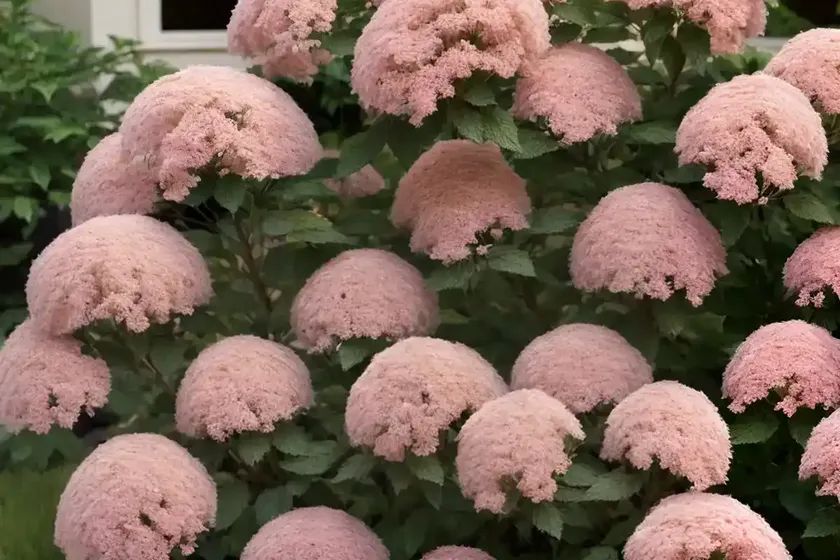
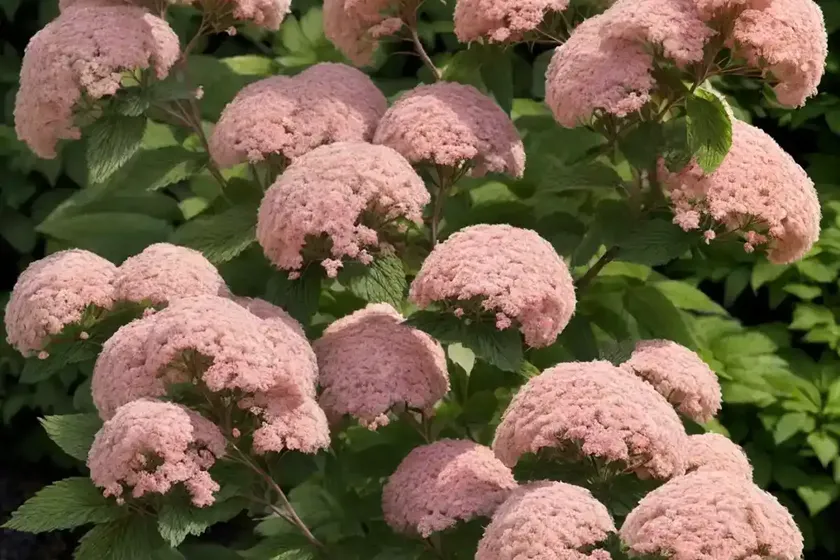
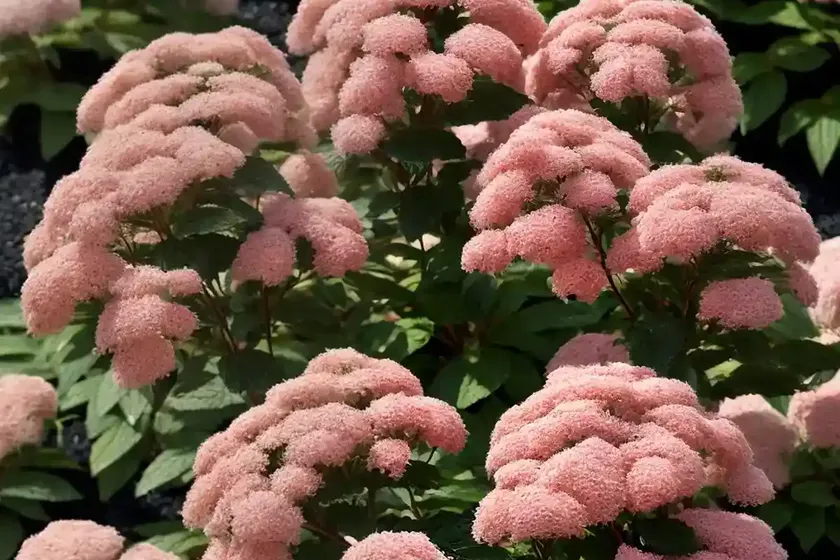
The Japanese spirea (Spiraea japonica ‘Nana’) is a charming deciduous flowering shrub belonging to the Rosaceae family. It is renowned for its delicate clusters of blooms and graceful, arching branches. This plant is esteemed for its ornamental value and is frequently used in landscaping, especially in mixed borders, hedges, and foundation plantings.
Morphological Characteristics
The Spiraea japonica ‘Nana’ typically exhibits the following characteristics:
– Compact, mounded growth habit
– Lush green foliage
– Clusters of small, dainty flowers in shades of pink or white
– Moderate height, making it suitable for various landscape settings
Key Takeaways – Japanese Spirea (Spiraea japonica ‘Nana’)
The Japanese spirea (Spiraea japonica ‘Nana’) is a versatile plant with a range of applications, and understanding its key attributes and requirements is essential for successful cultivation and maintenance. Here are some important takeaways:
- Botanical Name: Spiraea japonica ‘Nana’
- Common Name: Japanese Spirea
- Plant Type: Deciduous flowering shrub
- Growth Habit: Compact and mounded
- Flower Color: Pink or white
- Uses: Landscaping, mixed borders, hedges, foundation plantings
Now, let’s delve into the specifics of the culture, uses, and care requirements for Spiraea japonica ‘Nana’.
Culture of Japanese Spirea (Spiraea japonica ‘Nana’)
Cultivating Japanese spirea (Spiraea japonica ‘Nana’) involves understanding its environmental preferences, growth requirements, and maintenance practices. Let’s explore the cultural aspects of this captivating plant.
Uses of Japanese Spirea (Spiraea japonica ‘Nana’)
The Japanese spirea (Spiraea japonica ‘Nana’) offers versatile uses in landscaping and gardening due to its aesthetic appeal and adaptability. Understanding its potential applications can inspire creative utilization of this plant in various settings.
Landscaping Applications
Mixed Borders
Japanese spirea ‘Nana’ is an excellent choice for mixed borders, where its compact growth habit and charming flowers can contribute to the visual appeal of the landscape. Pairing it with contrasting foliage or other flowering plants can create a dynamic and balanced border design.
Hedges
The dense and mounded growth of Japanese spirea ‘Nana’ makes it suitable for hedge plantings. It can be utilized to delineate boundaries or create visual barriers, adding structure and texture to the landscape.
Foundation Plantings
When strategically placed around buildings or structures, Japanese spirea ‘Nana’ can enhance the visual appeal of the foundation plantings. Its moderate height and attractive foliage make it an ideal choice for this application.
Ornamental Uses
Cut Flowers
The dainty, clustered flowers of Spiraea japonica ‘Nana’ can be harvested for floral arrangements, adding a touch of natural elegance to indoor spaces. The flowers contribute a delicate charm to bouquets and floral displays.
Container Gardening
With its compact growth habit, Japanese spirea ‘Nana’ can thrive in containers, making it a versatile option for patio gardens, balconies, or other confined spaces. Its ornamental value and adaptability to container cultivation make it an excellent choice for enhancing outdoor living areas.
Water Requirements for Japanese Spirea (Spiraea japonica ‘Nana’)
Water is a fundamental requirement for the growth and development of Japanese spirea ‘Nana’. Understanding the plant’s water needs and implementing appropriate irrigation practices are crucial for maintaining its health and vitality.
Moisture Needs
Japanese spirea ‘Nana’ prefers consistently moist soil, especially during its early establishment and active growth periods. Adequate moisture levels are essential for promoting healthy foliage and flower production.
Irrigation Guidelines
-
Establishment Phase: During the initial planting and establishment phase, regular watering is essential to ensure that the roots have access to sufficient moisture. This is particularly important in the absence of significant rainfall.
-
Seasonal Considerations: In hot and dry conditions, supplemental watering may be necessary to support the plant’s hydration needs. Pay attention to soil moisture levels, especially during prolonged periods of drought.
Sunlight Requirements for Japanese Spirea (Spiraea japonica ‘Nana’)
Sunlight is a primary factor influencing the growth, flowering, and overall performance of Japanese spirea ‘Nana’. Understanding its sunlight requirements and providing appropriate light exposure are essential for cultivating healthy and robust plants.
Light Preferences
Japanese spirea ‘Nana’ thrives in partial to full sunlight conditions. It typically performs best when exposed to at least 6 hours of direct sunlight daily, although it can tolerate some shade, especially in regions with intense summer heat.
Sun Exposure Tips
-
Optimal Placement: Select planting locations that receive adequate sunlight, especially during the morning and early afternoon. This enables the plant to photosynthesize efficiently and promotes robust growth.
-
Shade Considerations: In hotter climates, providing filtered or dappled shade during the hottest part of the day can help protect the plant from excessive heat stress while still allowing it to benefit from sufficient sunlight.
Fertilizer Requirements for Japanese Spirea (Spiraea japonica ‘Nana’)
Fertilization plays a crucial role in supporting the growth, flowering, and overall vigor of Japanese spirea ‘Nana’. Understanding the plant’s nutritional needs and applying appropriate fertilization practices are essential for maximizing its ornamental value.
Nutrient Needs
Japanese spirea ‘Nana’ benefits from regular fertilization to ensure access to essential nutrients, particularly nitrogen, phosphorus, and potassium. These nutrients support healthy foliage, vibrant blooms, and overall plant vitality.
Fertilization Guidelines
-
Timing: Apply a balanced, slow-release fertilizer in early spring, as new growth begins. This provides the plant with the necessary nutrients to support its seasonal development and flowering.
-
Application Rate: Follow the manufacturer’s recommendations for the specific fertilizer product being used. Avoid over-fertilization, as excessive nutrient levels can lead to imbalances and potential harm to the plant.
-
Watering After Application: After applying fertilizer, thoroughly water the soil to facilitate nutrient absorption and prevent potential root damage.
Soil Preferences for Japanese Spirea (Spiraea japonica ‘Nana’)
Understanding the soil preferences of Japanese spirea ‘Nana’ is essential for creating an optimal growing environment that supports its growth and overall well-being. Tailoring the soil conditions to meet the plant’s requirements promotes healthy development and robust performance.
Soil Type
Japanese spirea ‘Nana’ thrives in well-drained, loamy soil with a slightly acidic to neutral pH range. It benefits from soil that retains sufficient moisture while allowing excess water to drain away effectively.
Soil Amendments
-
Organic Matter: Amending the soil with organic matter, such as compost or well-rotted manure, can improve its structure, nutrient content, and water-holding capacity. This supports healthy root development and overall plant growth.
-
Soil pH: Periodically test the soil pH and, if necessary, adjust it to fall within the preferred range for Japanese spirea ‘Nana’. Acidic to neutral soils (pH 5.5-7.0) are generally well-suited for the optimal growth of this plant.
Pruning Techniques for Japanese Spirea (Spiraea japonica ‘Nana’)
Pruning is a valuable practice for maintaining the health, shape, and flowering potential of Japanese spirea ‘Nana’. Employing appropriate pruning techniques at the right time helps to maximize the plant’s ornamental value and overall longevity.
Pruning Objectives
-
Shape and Structure: Pruning can be utilized to maintain a compact, well-branched structure and remove any damaged or overgrown branches, enhancing the plant’s aesthetic appeal.
-
Flowering Enhancement: Proper pruning can stimulate renewed growth and promote prolific flowering, contributing to an abundant display of dainty clusters of blooms.
Pruning Guidelines
-
Timing: Prune Japanese spirea ‘Nana’ in late winter or early spring, before the onset of new growth. This allows the plant to recover and initiate vigorous growth during the upcoming growing season.
-
Method: Use clean, sharp pruning shears to remove spent flowers, dead or diseased wood, and any excessive growth. Cut back the stems to encourage branching and a compact growth habit.
Propagation of Japanese Spirea (Spiraea japonica ‘Nana’)
Propagating Japanese spirea ‘Nana’ enables gardeners to multiply their plant stock and expand its presence in the landscape. Several propagation methods can be employed to cultivate new plants from existing specimens.
Propagation Techniques
-
Softwood Cuttings: Harvest softwood cuttings from healthy, actively growing stems during the spring or early summer. Dip the cut ends in rooting hormone and plant them in a well-draining propagation medium to facilitate root development.
-
Division: Divide mature Japanese spirea ‘Nana’ plants during the early spring to create multiple new plants. Carefully separate the root clumps and replant them in suitable growing locations.
-
Layering: Encourage root development on the lower branches of the plant by employing the layering technique. Once roots have formed, the rooted portion can be separated and established as an independent plant.
Container Gardening with Japanese Spirea (Spiraea japonica ‘Nana’)
The compact growth habit and ornamental appeal of Japanese spirea ‘Nana’ make it an excellent candidate for container gardening. Cultivating this plant in containers offers flexibility and enables its incorporation into various outdoor settings.
Container Selection
-
Size and Drainage: Choose containers that provide ample space for root development and promote effective drainage. Opt for containers with drainage holes to prevent waterlogging.
-
Soil Mix: Select a well-draining potting mix that provides adequate aeration and moisture retention. Consider amending the mix with organic matter to enhance its quality.
Care Considerations
-
Watering: Monitor the moisture levels in the container and water the plant as needed to maintain consistent soil moisture. Container-grown plants may require more frequent watering, especially during hot and dry periods.
-
Sunlight: Position the container in a location that receives sufficient sunlight to support the plant’s growth and flowering. Be mindful of potential heat stress and provide shade during the hottest part of the day, if necessary.
Popularity of Japanese Spirea (Spiraea japonica ‘Nana’)
Japanese spirea ‘Nana’ has garnered popularity among gardeners and landscapers due to its attractive features and versatile applications. Its compact size, graceful blooms, and adaptable nature have contributed to its widespread appeal.
Garden Use
Japanese spirea ‘Nana’ is frequently utilized in a variety of garden settings, including:
– Mixed borders
– Foundation plantings
– Decorative hedges
– Container gardens
– Rock gardens
Landscape Design
Landscape designers often incorporate Japanese spirea ‘Nana’ into their plans to achieve the following effects:
– Colorful accents
– Textural contrasts
– Seasonal interest
– Structured design elements
Ornamental Value
The ornamental value of Japanese spirea ‘Nana’ is evident in its:
– Charming blooms
– Compact growth habit
– Foliage interest
– Versatility in design
Common Diseases of Japanese Spirea (Spiraea japonica ‘Nana’)
As with any plant, Japanese spirea ‘Nana’ is susceptible to certain diseases that can impact its health and vigor. Recognizing and addressing common diseases is crucial for maintaining the plant’s well-being.
Disease Diagnosis
-
Powdery Mildew: This fungal infection manifests as a powdery white coating on the leaves, affecting their appearance and vigor. It can be addressed through cultural practices and, if necessary, the application of appropriate fungicidal treatments.
-
Leaf Spot: Leaf spot diseases can cause unsightly markings or discolorations on the foliage, potentially impacting the plant’s overall aesthetic appeal. Practicing proper sanitation and managing environmental moisture levels can help mitigate the incidence of leaf spot diseases.
Common Pests Affecting Japanese Spirea (Spiraea japonica ‘Nana’)
In addition to diseases, Japanese spirea ‘Nana’ may be susceptible to pest infestations that can compromise its health and visual appeal. Identifying and managing common pests is essential for preserving the plant’s vitality.
Pest Management
-
Aphids: These small, sap-sucking insects can infest the tender shoots and foliage of Japanese spirea ‘Nana’, causing deformation and potential damage. Natural predators, such as ladybugs, can help control aphid populations, and targeted insecticidal treatments may be employed if necessary.
-
Spider Mites: Spider mites are tiny arachnids that can inflict damage by feeding on the plant’s cellular contents, leading to yellowing and stippling of the foliage. Regular monitoring and the application of miticides can aid in managing spider mite infestations.
Botanist’s Tips for Growing Japanese Spirea (Spiraea japonica ‘Nana’)
As a plant scientist with a deep appreciation for the natural world, I offer the following tips for enthusiasts seeking to cultivate and care for Japanese spirea ‘Nana’:
-
Site Selection: Choose planting locations that provide ample sunlight, well-drained soil, and sufficient space for the plant’s mature size.
-
Watering Regimen: Maintain consistent soil moisture by watering deeply, especially during periods of active growth and flowering.
-
Pruning Practices: Employ selective pruning to shape the plant, promote renewed growth, and enhance its ornamental appeal.
-
Integrated Pest Management: Monitor for pest activity and employ holistic pest management strategies that prioritize natural controls and targeted interventions.
-
Seasonal Considerations: Recognize the plant’s seasonal needs and adjust care practices accordingly to support its growth and flowering cycle.
Fun Facts about Japanese Spirea (Spiraea japonica ‘Nana’)
-
Cultural Significance: In Japanese folklore, spirea is often associated with themes of love, spirituality, and renewal, adding an element of symbolism to its ornamental presence.
-
Wildlife Attraction: The blooms of Japanese spirea ‘Nana’ have the potential to attract pollinators, such as butterflies and bees, enriching the biodiversity of garden spaces.
-
Foliage Variation: While the natural foliage color of Japanese spirea ‘Nana’ is typically green, certain cultivars may offer variations, including bronze-tinged or red-tinged foliage, adding visual interest.
Links to External Resources
For additional information, inspiration, and resources related to Japanese spirea (Spiraea japonica ‘Nana’), consider exploring the following links:
- Royal Horticultural Society (RHS) – Spiraea japonica ‘Nana’
- Missouri Botanical Garden – Spiraea japonica
- University of Florida IFAS Extension – Spiraea japonica ‘Nana’
- North Carolina State University Extension – Spiraea japonica
- American Society for the Prevention of Cruelty to Animals (ASPA) – Plants Toxic to Animals: Spiraea japonica (Japanese spirea)
In conclusion, Japanese spirea (Spiraea japonica ‘Nana’) exemplifies the captivating allure of ornamental plants while contributing to the ecological tapestry of gardens and landscapes. Its graceful form, charming blooms, and adaptability make it a valuable addition to diverse horticultural settings. By understanding its culture, requirements, and potential, gardeners and enthusiasts can cultivate and appreciate the inherent beauty of this delightful shrub.
I hope this comprehensive guide provides invaluable insights into the world of Japanese spirea (Spiraea japonica ‘Nana’), inspiring a deeper appreciation for its natural splendor and the myriad possibilities it offers in the realm of gardening and landscaping.
Note: The information presented in this guide is intended for educational and informational purposes. When considering the cultivation and care of plants, it is essential to consult local gardening resources, experts, and reputable sources for region-specific guidance and best practices.


