Ivy-leafed Geranium (Pelargonium Peltatum)
Plants have always captivated human beings with their diverse forms, colors, and uses. From aesthetic purposes to essential ecosystem functions, plants.
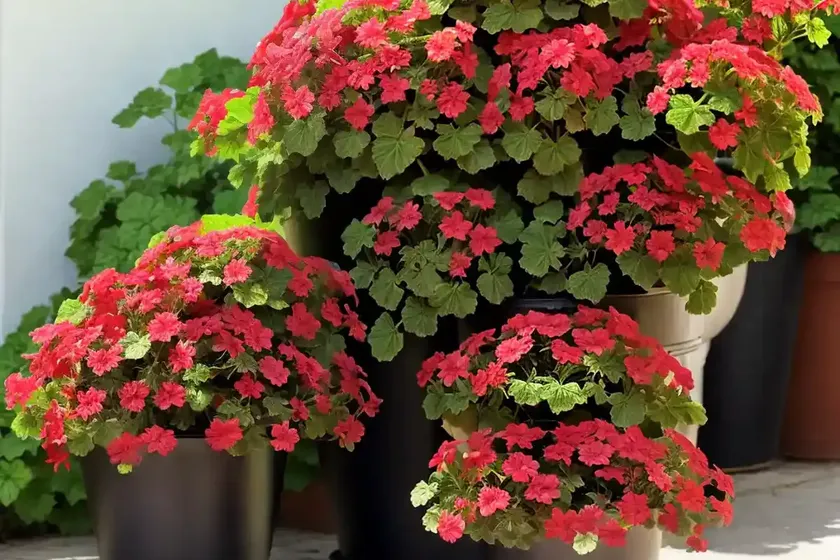
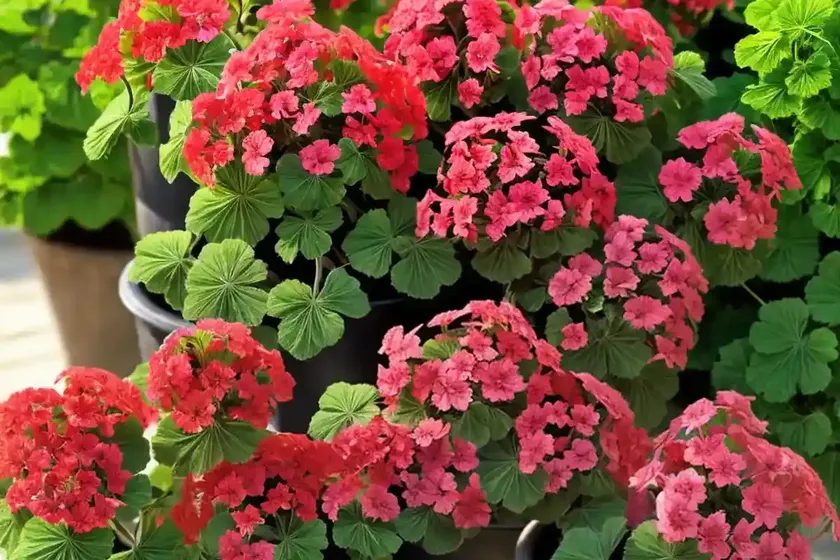
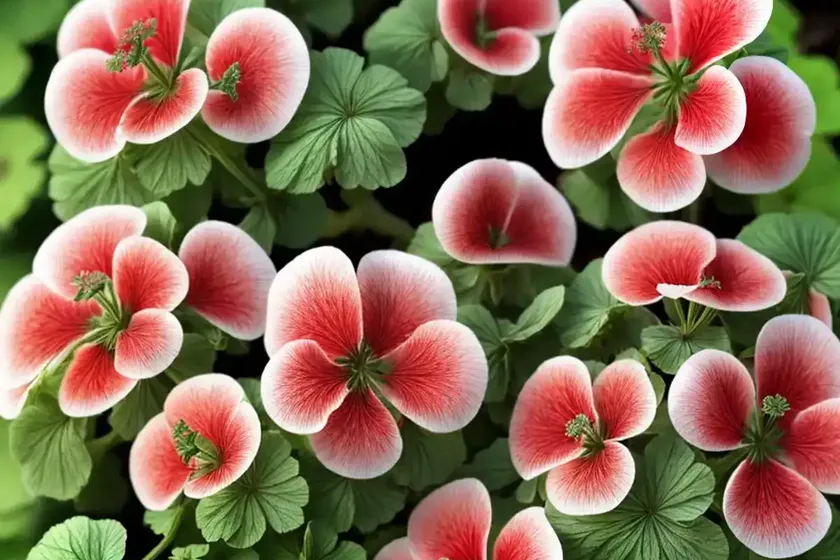
What is a plant: Ivy-leafed Geranium (Pelargonium Peltatum)
Plants have always captivated human beings with their diverse forms, colors, and uses. From aesthetic purposes to essential ecosystem functions, plants play a critical role in our everyday lives. The Ivy-leafed Geranium, scientifically known as Pelargonium peltatum, is a fascinating plant that belongs to the family Geraniaceae. It is commonly referred to as Ivy geranium, Ivy-leaf geranium, or Climbing geranium due to its trailing and cascading growth habit. This versatile plant is valued for its vibrant flowers and distinct ivy-like foliage, making it a popular choice for hanging baskets, container gardening, and landscape ornamentation.
In this comprehensive guide, we will delve into various aspects of the Ivy-leafed Geranium, ranging from its cultural requirements and uses to maintenance practices and common pests and diseases. By the end of this article, you will gain valuable insights into the care and propagation of Pelargonium peltatum, enabling you to cultivate and enjoy the beauty of Ivy geraniums in your living spaces.
Key Takeaways – Ivy-leafed Geranium (Pelargonium Peltatum)
Before we delve into the specifics of the Ivy-leafed Geranium, let’s encapsulate the essential points about this remarkable plant.
Key Takeaways
- Common Names: Ivy geranium, Pelargonium peltatum, Ivy-leaf geranium, Ivy-leaved pelargonium, Trailing geranium
- Growth Habit: Trailing and cascading
- Foliage: Ivy-like, glossy, and deeply lobed
- Flowers: Vibrant and available in a wide range of colors
- Uses: Hanging baskets, containers, ground cover, landscaping
- Cultural Requirements: Adequate water, sunlight, well-draining soil, and occasional fertilization
- Propagation: Easily propagated from cuttings
- Maintenance: Pruning to promote bushy growth and deadheading to encourage continuous blooming
- Pests and Diseases: Susceptible to certain pests and diseases, requiring vigilant monitoring and management practices
Now, let’s explore each of these aspects in detail to understand how to care for and appreciate the unique attributes of Ivy-leafed Geraniums.
Culture
Uses
Ivy-leafed Geraniums, with their trailing and cascading growth habit, offer a myriad of uses in horticulture and landscaping. Some of the common applications of Pelargonium peltatum include:
-
Hanging Baskets: The trailing nature of Ivy geraniums makes them perfect choices for hanging baskets, where their vibrant flowers and lush foliage create a stunning display when spilling over the edges.
-
Container Gardening: Whether in pots, window boxes, or decorative containers, Ivy-leafed Geraniums add a touch of elegance to any outdoor or indoor space. Their versatility in container gardening makes them popular among gardening enthusiasts.
-
Ground Cover: When planted en masse, Ivy geraniums can serve as effective ground cover, spreading their vibrant foliage and flowers to create a colorful carpet in garden beds or along borders.
-
Landscaping: Along pathways, slopes, or terraces, the trailing beauty of Pelargonium peltatum can be used to enhance the visual appeal of landscaping designs, providing a soft, flowing touch to the overall layout.
Water
Proper watering is crucial for the health and vigor of Ivy-leafed Geraniums. The water needs of Pelargonium peltatum can be summarized as follows:
-
Watering Frequency: Ivy geraniums prefer moderately moist conditions, and their watering frequency may vary depending on factors such as temperature, humidity, and soil moisture retention. Generally, they benefit from regular watering when the top inch of the soil feels dry to the touch.
-
Avoid Waterlogging: While Ivy-leafed Geraniums appreciate consistent moisture, it’s important to ensure that the potting mix or soil does not become waterlogged, as this can lead to root rot and other detrimental conditions. Proper drainage is essential for healthy growth.
-
Morning Watering: Watering in the morning allows the foliage and soil to dry out during the day, reducing the risk of fungal diseases and promoting overall plant health.
-
Container Considerations: In containers, the watering needs of Ivy geraniums may differ from those in the ground due to variations in soil volume and evaporation rates. Regular monitoring and adjustment of watering frequency are necessary to maintain optimal growing conditions.
Sunlight
Adequate sunlight is essential for the growth, flowering, and overall vitality of Ivy geraniums. Here are the key points to consider regarding sunlight requirements:
-
Full Sun to Partial Shade: Ivy-leafed Geraniums thrive in locations with ample sunlight, ideally receiving 4 to 6 hours of direct sun daily. While they appreciate full sun in cooler climates, they may benefit from some afternoon shade in hot summer regions to avoid stress and sunburn.
-
Light Intensity: Bright, indirect light is preferred, especially during the morning and early afternoon. This gentle exposure promotes robust flowering and lush foliage development.
-
Indoor Considerations: When grown indoors, Ivy geraniums should be placed near windows or supplemental light sources to receive sufficient illumination. East or west-facing windows are generally favorable for indoor cultivation.
Fertilizer
Supplemental fertilization can significantly enhance the growth and blooming capacity of Ivy-leafed Geraniums. Here’s what you need to know about fertilizing Pelargonium peltatum:
-
Balanced Fertilizer: A balanced, water-soluble fertilizer with equal ratios of nitrogen, phosphorus, and potassium can be applied to Ivy geraniums during the growing season. Look for a formula specifically designed for flowering plants.
-
Frequency: Fertilize Ivy-leafed Geraniums every 2 to 4 weeks during active growth, typically from spring to early autumn. In colder regions, you may discontinue fertilization during the winter months.
-
Application Method: Dilute the fertilizer to half the recommended strength to prevent the risk of over-fertilization, which can lead to salt buildup and root damage. Apply the solution to moistened soil to prevent burning the plant’s roots.
-
Transition Period: If you are transitioning Ivy geraniums from indoor to outdoor environments or vice versa, adjust your fertilization schedule accordingly to accommodate the plant’s changing growth patterns and requirements.
Soil
The choice of soil plays a critical role in the success of Ivy geranium cultivation. Here’s what to consider when selecting and managing the soil for Pelargonium peltatum:
-
Well-Draining Medium: Ivy-leafed Geraniums prefer a well-draining potting mix or garden soil to prevent waterlogging and promote healthy root development. Lightweight, airy soil formulations are highly beneficial, especially in container gardening.
-
Soil pH: A slightly acidic to neutral pH range of 6.0 to 6.8 is suitable for Ivy geraniums. Conduct a soil test or use pH testing kits to ensure that the growing medium is within the appropriate range, as imbalanced pH levels can affect nutrient uptake and overall plant health.
-
Amendments: Incorporating organic matter such as peat moss, perlite, or compost can improve soil structure and moisture retention, providing an optimal environment for Ivy-leafed Geraniums to thrive.
-
Container Considerations: When growing Pelargonium peltatum in containers, select pots with drainage holes to facilitate excess water removal and prevent soil compaction. This allows for ample aeration of the root zone and reduces the risk of water-related issues.
Pruning
Pruning is an essential practice for maintaining the compactness, shape, and blooming potential of Ivy-leafed Geraniums. Here’s a guide to proper pruning techniques and considerations for this versatile plant:
-
Deadheading: Regular removal of spent flowers, or deadheading, is beneficial for Ivy geraniums as it encourages continuous blooming and prevents seed formation. Use clean, sharp scissors or pruning shears to snip off the faded blooms near the base of the stem.
-
Pinching: Pinching back the growing tips of Ivy geraniums helps promote branching and bushier growth, resulting in a fuller and more floriferous plant. Pinch or trim the stem tips just above a leaf node to stimulate lateral growth.
-
Overcoming Legginess: If Ivy geraniums become leggy or sparse in appearance, consider a more extensive pruning session to rejuvenate the plant. Trim back the stems judiciously to the desired shape and size, ensuring that adequate foliage is retained for continued photosynthesis and energy production.
-
Timing: Pruning and deadheading can be performed throughout the growing season, as needed. Regular monitoring of the plant’s appearance and removing any damaged or diseased growth are important aspects of maintaining Ivy-leafed Geraniums.
Propagation
The propagation of Ivy-leafed Geraniums is relatively straightforward and can be accomplished through several methods, including stem cuttings and seed sowing. Here’s what you need to know about propagating Pelargonium peltatum:
-
Stem Cuttings: Propagation from stem cuttings is the most common and effective method for obtaining new Ivy geranium plants. Select healthy, non-flowering stems and take 4-6 inch cuttings, ensuring that each cutting has at least 2-3 nodes. Remove the lower leaves, dip the cut end in a rooting hormone, and plant the cutting in a well-draining rooting medium. Provide warmth and consistent moisture to encourage root development.
-
Seed Propagation: While viable seeds can be collected from Ivy-leafed Geraniums, they may not produce plants that are true to the parent’s characteristics. If you choose to propagate from seeds, sow them in a sterile starting mix and maintain a warm, humid environment for germination.
-
Division: In mature plants that have become overgrown or clumped, division of the root ball can be used to create multiple new plants. Carefully separate the roots and replant the divided portions in suitable growing areas.
-
Timing and Conditions: Propagation is best performed during the active growing season when the plant exhibits vigorous growth and optimal environmental conditions. Ensure that the propagation medium remains consistently moist but not waterlogged to support successful root establishment.
Container Popularity
The popularity of Ivy-leafed Geraniums in container gardening can be attributed to their stunning appearance, versatile growth habit, and adaptability to various container types. Whether showcased in hanging baskets, decorative pots, or window boxes, Ivy geraniums add a touch of elegance and natural beauty to any setting.
Container Selection
When growing Pelargonium peltatum in containers, the choice of the right pot is essential for providing an appropriate growing environment. Consider the following factors when selecting containers for Ivy geraniums:
-
Drainage: Opt for containers with drainage holes to prevent water accumulation and ensure adequate aeration of the root zone. Proper drainage is crucial for preventing root rot and other water-related issues.
-
Size: Select pots or hanging baskets that accommodate the mature size of Ivy-leafed Geraniums, allowing ample space for root expansion and overall plant development. Containers that are too small can constrain the plant’s growth and lead to nutrient deficiencies.
-
Material: Containers made of lightweight materials such as plastic, resin, or fiberglass are practical choices for hanging baskets and elevated displays. For a more natural and classic look, consider using terracotta or ceramic pots that provide stability and insulation.
-
Aesthetics: Choose containers that complement the color and form of Ivy geraniums, enhancing the visual appeal of the overall display. Coordinating the container’s design with the plant’s attributes creates a harmonious and attractive arrangement.
Soil Considerations
The soil or potting mix used in containers significantly impacts the growth and health of Ivy geraniums. Here are key considerations when preparing the soil for container cultivation:
-
Quality Mix: Use a well-draining and nutrient-rich potting mix designed for flowering plants or specifically formulated for geraniums. A lightweight, peat-based mix with added perlite or vermiculite provides an ideal balance of moisture retention and aeration.
-
Moisture Management: Container soils require careful monitoring of moisture levels, as they may dry out faster than ground soil. Adjust your watering frequency as needed to maintain consistent, moderate soil moisture without waterlogging the roots.
-
Fertilization: Incorporate a slow-release or water-soluble fertilizer into the soil mix at planting, and follow up with regular applications of diluted liquid fertilizer during the growing season. This ensures that Ivy geraniums have access to essential nutrients for robust growth and blooming.
-
Overwintering Considerations: In cold climates, container-grown Ivy-leafed Geraniums may require insulation or protective measures during the winter to prevent freezing and maintain root health. Consider moving the containers to sheltered areas or using insulating materials around the pots as needed.
Maintenance
Container-grown Ivy geraniums benefit from regular maintenance practices to ensure their vitality and long-term success. Here are essential maintenance tasks for caring for Ivy-leafed Geraniums in containers:
-
Watering: Monitor the moisture levels in the containers and adjust your watering schedule based on environmental conditions and plant needs. Container soils can dry out quickly, especially in warm weather, requiring more frequent irrigation.
-
Fertilization: Provide fertilization as outlined earlier, ensuring that the nutrients are replenished to support the vigorous growth and flowering of Ivy geraniums in containers.
-
Grooming: Remove spent flowers, yellowing leaves, and any debris from the container to maintain a tidy and healthy growing environment. Prune the plants as needed to control their size and shape.
-
Rejuvenation: Periodically assess the root health and overall condition of Ivy geraniums in containers. Repot the plants as they outgrow their existing containers, refreshing the soil and providing ample space for continued growth.
Common Diseases
While Ivy-leafed Geraniums are generally resilient plants, they can be susceptible to certain diseases and disorders under unfavorable growing conditions. Proactive management and preventive measures can help minimize the risk of potential issues.
Disease Diagnosis
Some of the common diseases that may affect Ivy geraniums include:
-
Botrytis Blight: This fungal disease, also known as gray mold, presents as brown spots on the leaves and flowers, often accompanied by fuzzy gray or brown mold. High humidity, poor air circulation, and overwatering can contribute to its development.
-
Powdery Mildew: Manifesting as powdery white patches on the foliage, powdery mildew is caused by fungus and thrives in humid conditions with poor air circulation. It can weaken the plant and affect overall aesthetics.
-
Bacterial Leaf Spot: Small, dark lesions with yellow halos characterize this bacterial infection, which can spread rapidly under moist conditions. Overhead watering and high humidity levels increase the risk of bacterial leaf spot.
-
Root Rot: Excessive moisture, waterlogging, and poorly draining soils can lead to root rot in Ivy geraniums, causing wilting, yellowing, and eventual decline of the plant.
-
Viral Diseases: Various viral pathogens can affect Pelargonium peltatum, resulting in stunted growth, mottled leaves, and other deformities. Viral diseases are often transmitted through infected plant material and vectors such as pests.
Management and Prevention
To effectively manage and prevent diseases in Ivy-leafed Geraniums, consider the following strategies:
-
Cultural Practices: Ensure proper spacing between plants, adequate ventilation, and avoidance of overcrowding to reduce humidity levels and minimize disease spread. Practice good hygiene by removing and disposing of diseased plant matter promptly.
-
Water Management: Water the plants at the base, avoiding overhead irrigation, which can create a conducive environment for fungal diseases. Allow the soil to dry out slightly between waterings to discourage root diseases.
-
Sanitation: Regularly clean and disinfect gardening tools, containers, and work surfaces to prevent transmission of diseases. Remove and destroy any infected plant parts to prevent further contamination.
-
Environmental Control: Adjust growing conditions as needed to create an unfavorable environment for diseases. This may involve improving air circulation, reducing humidity, and providing proper sunlight exposure.
-
Disease-Resistant Varieties: Consider cultivating disease-resistant varieties of Ivy geraniums, as they exhibit enhanced tolerance to common pathogens, reducing the risk of severe disease outbreaks.
Common Pests
Ivy-leafed Geraniums may encounter insect pests that can compromise their health and appearance if left unchecked. Identifying and addressing pest infestations promptly is essential for maintaining the vigor of Pelargonium peltatum.
Common Pests
Some of the common pests that may affect Ivy geraniums include:
-
Aphids: These tiny, soft-bodied insects feed on plant sap, causing wilting, distortion of new growth, and the formation of sticky honeydew. They are often found on the undersides of leaves and actively reproduce under favorable conditions.
-
Spider Mites: These arachnids are known for the fine webbing they produce and for causing stippling or yellowing of leaves due to their feeding activities. Hot, dry conditions can exacerbate spider mite infestations.
-
Whiteflies: Whitefly infestations may lead to yellowing, wilting, and reduced vigor in Ivy geraniums. These small, white insects congregate on the underside of leaves and are notorious for their rapid reproductive rates.
-
Thrips: Thrips can cause silvery or bronzed streaks on the foliage, as well as deformed flower buds. Their feeding activities can lead to aesthetic damage and weaken the overall health of the plants.
-
Mealybugs: Mealybugs resemble tiny balls of cotton and congregate in protected areas, such as leaf axils and stems. Their feeding can lead to plant stress, wilting, and the secretion of honeydew.
Pest Management
Integrated pest management (IPM) strategies can help effectively manage pest infestations while minimizing the use of chemical control methods. Here are some key approaches to addressing pests in Ivy geraniums:
-
Monitoring: Regularly inspect plants for signs of pest activity, such as stippling, distorted growth, or the presence of insects. Early detection allows for swift intervention and reduces the likelihood of widespread infestations.
-
Physical Removal: Use a gentle stream of water or a soft brush to dislodge and physically remove pests from the foliage. For heavy infestations, consider pruning and disposing of heavily affected plant parts.
-
Biological Control: Introduce natural predators, such as ladybugs, lacewings, or predatory mites, to combat pest populations. These beneficial insects help maintain a balanced ecosystem and suppress pest numbers.
-
Cultural Practices: Optimize plant health through proper watering, fertilization, and overall care to strengthen the natural defense mechanisms of Ivy-leafed Geraniums. Healthy plants are better equipped to withstand and recover from pest attacks.
-
Least-Toxic Solutions: When chemical control is necessary, opt for the least-toxic options available, such as insecticidal soaps, horticultural oils, or botanical insecticides. Follow product labels and application guidelines carefully to minimize risks to non-target organisms.
Botanist’s Tips
For enthusiasts and beginners alike, cultivating and appreciating Ivy-leafed Geraniums can be a rewarding experience. Here are some insightful tips from botanists and experienced gardeners to enhance your success with Pelargonium peltatum:
- **


