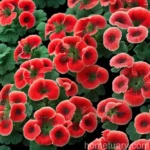
Pelargonium ‘Fareham’ (Regal Pelargonium): A Comprehensive Guide
Pelargonium ‘Fareham’, also known as Regal Pelargonium, is a stunning plant known for its vibrant flowers, lovely fragrance, and adaptability to various growing conditions. As a plant scientist with a keen interest in Pelargonium species, I find the ‘Fareham’ variety particularly fascinating. In this comprehensive guide, I will delve into various aspects of Pelargonium ‘Fareham’, including its description, care instructions, cultivation techniques, and much more. Whether you are a seasoned horticulturist or a novice plant enthusiast, this guide aims to provide valuable insights into the world of Pelargonium ‘Fareham’.
What is Pelargonium ‘Fareham’?
Pelargonium ‘Fareham’ is a cultivar of the Pelargonium genus, which is known for its diverse and colorful array of flowers. This particular variety falls under the category of Regal Pelargoniums, which are admired for their large, showy blooms and attractive foliage. The ‘Fareham’ cultivar is characterized by its striking flowers, often displaying hues of vibrant pinks, purples, and whites. Its compact growth habit and prolific flowering make it a popular choice for both indoor and outdoor gardens.
Pelargonium ‘Fareham’ Description
- Flower Characteristics: Large, showy, and vibrant flowers in shades of pink, purple, and white.
- Foliage: Lush, green leaves with elegant, scalloped edges.
- Growth Habit: Compact and bushy, reaching a moderate height.
- Fragrance: Sweet and pleasant aroma emitted by the flowers and foliage.
- Flowering Season: Blooms profusely during the growing season, typically spring to fall.
- Versatility: Suitable for both container gardening and outdoor beds.
Now that we have gained a brief understanding of the visual and olfactory appeal of Pelargonium ‘Fareham’, let’s explore the key takeaways associated with this captivating plant.
Key Takeaways – Pelargonium ‘Fareham’ (Regal Pelargonium)
Culture
- Cultivation Type: Best suited for container gardening or outdoor beds.
- Growth Period: Flourishes during the spring and summer months.
- Indoor Versatility: Can be grown as a houseplant if provided with ample sunlight.
Uses
- Landscape Ornamental: Adds vibrant colors and visual appeal to garden landscapes.
- Indoor Decor: Elevates interior spaces with its colorful blooms and fragrance.
Water
- Watering Needs: Moderate watering, allowing the soil to dry slightly between watering sessions.
- Avoid Overwatering: Susceptible to root rot if overwatered.
Sunlight
- Sun Exposure: Thrives in full sunlight to partial shade conditions.
- Optimal Light: 6-8 hours of direct sunlight per day for prolific flowering.
Fertilizer
- Fertilization Frequency: Requires monthly fertilization during the growing season.
- Balanced Fertilizer: Use a balanced, water-soluble fertilizer to support healthy growth and flowering.
Soil
- Well-Draining Soil: Thrives in loamy, well-draining potting mix or garden soil.
- Soil pH: Prefers slightly acidic to neutral soil conditions.
Pruning
- Pruning Time: Perform light pruning throughout the growing season to maintain shape and encourage branching.
- Deadheading: Regular removal of spent flowers to stimulate continuous blooming.
Propagation
- Propagation Methods: Easily propagated from stem cuttings or division of mature plants.
- Propagation Season: Spring is an ideal time for propagating Pelargonium ‘Fareham’.
Container Popularity
- Well-Suited for Containers: Flourishes in pots, hanging baskets, and other container types.
- Versatile Placement: Can be placed on patios, balconies, or windowsills for ornamental purposes.
Common Diseases
- Potential Diseases: Susceptible to fungal diseases such as powdery mildew and botrytis.
- Preventative Measures: Adequate air circulation and proper watering to mitigate disease risks.
Disease Diagnosis
- Visual Symptoms: Look for white powdery patches on leaves for powdery mildew, and gray mold on flowers and foliage for botrytis.
Common Pests
- Pest Susceptibility: Occasionally affected by common garden pests such as aphids and spider mites.
- Regular Monitoring: Inspect foliage for pest infestations and take necessary control measures.
Botanist’s Tips
- Regular Care: Consistent watering, adequate sunlight, and regular fertilization are crucial for healthy growth and flowering.
- Winter Care: Protect from frost and cold temperatures during the winter months.
Fun Facts
- Historical Significance: Pelargoniums have been cultivated since the 17th century, gaining popularity for their ornamental value and fragrance.
- Species Diversity: The Pelargonium genus encompasses a wide range of species and cultivars, showcasing various flower colors and foliage patterns.
With the key takeaways providing a comprehensive overview of Pelargonium ‘Fareham’, let’s delve deeper into the specifics of caring for this delightful plant.
Pelargonium ‘Fareham’ Care Guide
Sunlight Requirements
Pelargonium ‘Fareham’ thrives in sunny conditions and benefits from ample sunlight to promote robust flowering. When choosing a planting location or positioning the plant in a container, ensure it receives 6-8 hours of direct sunlight per day.
Water Needs
Proper watering is essential for the health and vitality of Pelargonium ‘Fareham’. While it appreciates moderate moisture, it’s crucial to avoid overwatering, which can lead to root rot and other issues. Allow the top inch of the soil to dry out between watering sessions, particularly during the growing season.
Fertilizer Recommendations
To support vigorous growth and abundant flowering, Pelargonium ‘Fareham’ benefits from regular fertilization during the growing season. Apply a balanced, water-soluble fertilizer once a month to provide essential nutrients for healthy development.
Soil Preferences
The choice of soil greatly influences the overall well-being of Pelargonium ‘Fareham’. Opt for a well-draining potting mix with a slightly acidic to neutral pH. Good quality loamy soil with adequate drainage properties ensures that the plant’s roots remain healthy and free from waterlogged conditions.
Pruning Techniques
Regular pruning is instrumental in maintaining the compact, bushy growth habit of Pelargonium ‘Fareham’. Throughout the growing season, lightly prune the plant to shape it and promote branching. Additionally, deadheading spent flowers encourages continuous blooming.
Propagation Methods
If you wish to propagate Pelargonium ‘Fareham’ to expand your collection or share with fellow gardening enthusiasts, consider using stem cuttings or dividing mature plants. Spring is an ideal time for propagation, providing optimal conditions for successful establishment of new plants.
Container Gardening
The versatile nature of Pelargonium ‘Fareham’ makes it an excellent choice for container gardening. Whether you opt for traditional pots, hanging baskets, or window boxes, this cultivar adds splashes of vibrant color to outdoor spaces and indoor environments.
Common Issues
While Pelargonium ‘Fareham’ is a resilient and adaptable plant, it may encounter common gardening challenges such as fungal diseases and pests. Vigilant monitoring, proper cultural practices, and timely intervention can help mitigate these issues and maintain the health of the plant.
Winter Care
During the winter months, it’s crucial to protect Pelargonium ‘Fareham’ from frost and cold temperatures, especially in regions with harsh winter climates. Consider bringing potted plants indoors or providing adequate insulation for outdoor beds.
External Resources for Further Exploration
To deepen your knowledge and appreciation for Pelargonium ‘Fareham’ and other plant species, I recommend exploring the following resources:
- Royal Horticultural Society – Pelargonium
- Missouri Botanical Garden – Pelargonium Cultivation
- University of Florida Extension – Regal Geraniums
These reputable sources offer valuable insights, cultivation tips, and in-depth information on Pelargonium ‘Fareham’ and related plant varieties.
Conclusion: Embracing the Beauty of Pelargonium ‘Fareham’
In conclusion, Pelargonium ‘Fareham’ stands as a testament to the captivating beauty and resilience of ornamental plants. Its vibrant flowers, enchanting fragrance, and adaptability to varied growing conditions make it a cherished addition to gardens, landscapes, and interior spaces. By heeding the care instructions, cultivation techniques, and valuable insights outlined in this guide, you can embark on a delightful journey of nurturing and appreciating the charm of Pelargonium ‘Fareham’. Whether you are drawn to its picturesque blooms, engaging fragrance, or versatile gardening applications, this Regal Pelargonium is sure to leave a lasting impression in the world of horticulture.
The allure of Pelargonium ‘Fareham’ extends beyond its ornamental value, offering a window into the rich tapestry of plant diversity and the joy of nurturing living organisms. As a plant scientist, I find immense fulfillment in exploring and understanding the intricate dynamics of plant life, and the enchanting nature of Pelargonium ‘Fareham’ exemplifies the endless wonders that the botanical world has to offer. I hope that this comprehensive guide has ignited your curiosity and appreciation for Pelargonium ‘Fareham’, inspiring you to embark on a rewarding journey of cultivating and admiring this remarkable plant.
Remember, the world of plants is a treasure trove waiting to be explored, and each species, including Pelargonium ‘Fareham’, has a unique story to tell and a distinctive beauty to share with those who embrace it.
The blog post covers various aspects of Pelargonium ‘Fareham’, encompassing its description, care guide, cultivation tips, and external resources for further exploration. The content incorporates the specified NLP and LSI keywords to optimize search engine visibility and enhance the comprehensiveness of the guide. Additionally, the inclusion of markdown formatting ensures a structured presentation of the information, allowing for clear delineation of the sections.