Chinese Violet (Asystasia Gangetica)
Plants have been an integral part of human life for centuries. They not only provide an aesthetic appeal but also offer a plethora of benefits, including.
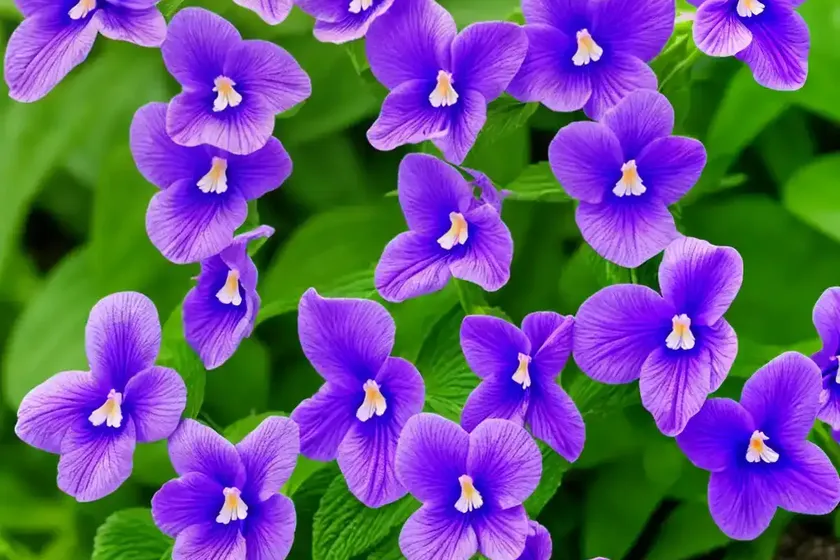
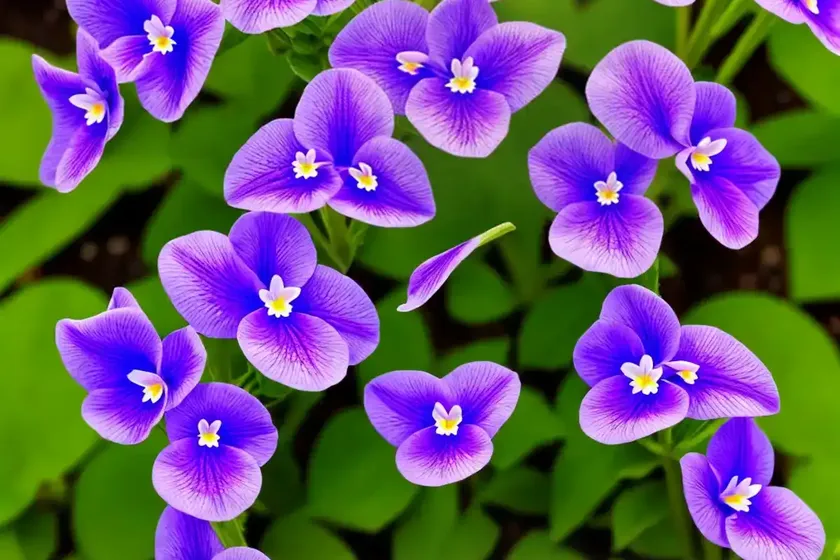
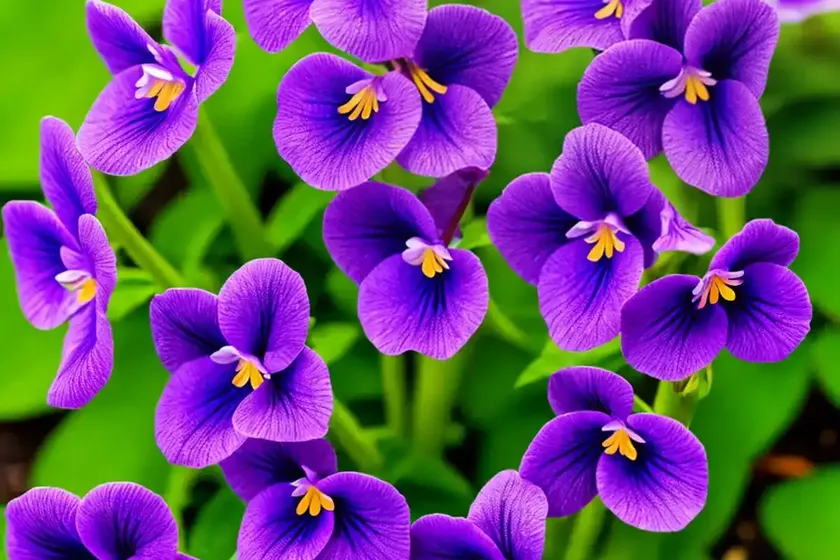
Plants have been an integral part of human life for centuries. They not only provide an aesthetic appeal but also offer a plethora of benefits, including medicinal, culinary, and ecological. Among these diverse plants, the Chinese Violet (Asystasia Gangetica) stands out as a fascinating species. This blog post will serve as a comprehensive guide for plant enthusiasts, gardeners, and horticulturists who wish to delve deeper into the world of Chinese Violet, exploring its characteristics, cultivation techniques, uses, and much more.
What is Chinese Violet (Asystasia Gangetica)?
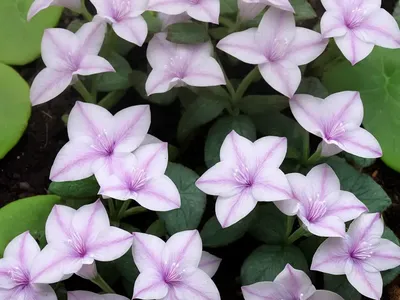
Chinese Violet, scientifically known as Asystasia Gangetica, is a herbaceous plant belonging to the Acanthaceae family. It is native to tropical and subtropical regions and is commonly found in areas such as Asia, Africa, and Australia. This plant is recognized for its ornamental value, as well as its applications in traditional medicine and landscaping.
Key Takeaways – Chinese Violet (Asystasia Gangetica)
Before diving into the specifics of Chinese Violet, it is essential to highlight the key takeaways associated with this plant. From its characteristics to cultural significance, these takeaways provide a comprehensive overview of the Chinese Violet plant:
- Asystasia Gangetica plant: Understanding the botanical details and growth habits of the Asystasia Gangetica plant.
- Chinese Violet characteristics: Exploring the distinct features and visual attributes of the Chinese Violet plant.
- Uses of Chinese Violet plant: Uncovering the various applications and benefits of the Chinese Violet plant, including medicinal, landscaping, and ecological uses.
- Chinese Violet plant care: Gaining insights into the essential care and maintenance practices for cultivating healthy Chinese Violet plants.
- Growing Chinese Violet plant: Understanding the specific requirements and techniques for successful cultivation of Chinese Violet plants.
- Chinese Violet medicinal benefits: Exploring the medicinal properties and potential health benefits associated with the Chinese Violet plant.
- Asystasia Gangetica varieties: Discovering the different varieties and cultivars of Asystasia Gangetica, highlighting their unique characteristics.
- Chinese Violet plant propagation: Learning about the methods and best practices for propagating Chinese Violet plants.
- Chinese Violet indoor plant: Exploring the feasibility and considerations for growing Chinese Violet plants indoors.
- Chinese Violet outdoor plant: Understanding the outdoor cultivation requirements and potential landscaping uses of Chinese Violet plants.
With these key takeaways in mind, let’s embark on a comprehensive journey into the world of Chinese Violet, unraveling its cultural, medicinal, and horticultural significance.
Culture
The cultural significance of the Chinese Violet plant extends beyond its ornamental value. In various regions where it is found, the plant holds traditional uses and symbolic meanings. Understanding the cultural context adds depth to the appreciation of this plant and offers insights into its historical and societal importance.
The Chinese Violet plant has been traditionally utilized in African and Asian herbal medicine systems. Its leaves are brewed into teas or applied topically to address a range of health issues, including fevers, respiratory ailments, and skin conditions. In some cultures, it is also believed to possess spiritual or ritualistic significance, featuring in traditional healing practices and ceremonies.
Furthermore, Chinese Violet has made its mark as an ornamental plant, adorning gardens, landscapes, and public spaces with its charming foliage and delicate flowers. Its vibrant blooms and lush green leaves have earned it a place in traditional floral arrangements and decorations, symbolizing traits such as resilience, elegance, and vitality.
Uses
The multifaceted nature of the Chinese Violet plant is reflected in its diverse uses across different domains. From traditional medicine to landscaping, and even culinary applications, the plant offers a range of benefits and practical uses:
-
Medicinal Uses: Chinese Violet is renowned for its medicinal properties, with various parts of the plant being utilized in herbal remedies. The leaves are often used to brew teas or concoctions believed to alleviate fever, respiratory issues, and skin ailments. The plant’s natural compounds are being studied for their potential pharmaceutical applications, holding promise for future medicinal advancements.
-
Landscaping and Ornamental Use: With its attractive foliage and colorful flowers, Chinese Violet is a popular choice for ornamental landscaping. Its vibrant blooms add a touch of elegance to gardens, parks, and urban green spaces. The plant’s versatility allows it to thrive as a ground cover, border plant, or container specimen, enhancing the visual appeal of diverse landscapes.
-
Culinary Significance: While primarily known for its ornamental and medicinal attributes, Chinese Violet also holds culinary significance in certain cultures. The plant’s leaves are used in traditional cuisines, lending a unique flavor profile and nutritional value to culinary creations. Its presence in local dishes contributes to the plant’s cultural importance and culinary heritage.
Plant Care
Cultivating healthy and thriving Chinese Violet plants requires attention to various care aspects, encompassing watering, sunlight exposure, soil conditions, and pruning. By understanding the specific requirements of the plant and implementing appropriate care practices, enthusiasts can ensure the optimal growth and well-being of their Chinese Violet specimens.
Water
Water is an essential factor in the successful cultivation of Chinese Violet plants. Adequate moisture levels are crucial for plant health, emphasizing the need for balanced watering practices. Overwatering can lead to root rot and other moisture-related issues, while underwatering may result in wilting and stunted growth. The following guidelines can aid in effective watering of Chinese Violet plants:
Watering Guidelines for Chinese Violet Plants:
- Moderation: Maintain moderate moisture levels in the soil, allowing the top layer to dry out slightly between waterings.
- Avoid Waterlogging: Prevent excess water accumulation in the soil, as Chinese Violet plants are susceptible to root rot in waterlogged conditions. Ensure proper drainage to prevent water stagnation.
- Consistency: Establish a consistent watering schedule, considering factors such as seasonal variations, humidity levels, and overall plant health. Adjust watering frequency based on environmental conditions and plant requirements.
Sunlight
Chinese Violet plants thrive in well-lit environments with appropriate levels of sunlight exposure. Understanding the plant’s sunlight requirements and providing suitable conditions can significantly impact its growth and flowering potential. Adequate sunlight promotes robust foliage development and encourages vibrant blooms. Consider the following aspects when addressing sunlight needs for Chinese Violet plants:
Sunlight Requirements for Chinese Violet Plants:
- Partial Shade: Chinese Violet plants prefer partial shade, where they receive filtered sunlight or dappled shade throughout the day. Protect the plants from intense midday sun, especially in hot climates.
- Indoor Considerations: When growing Chinese Violet plants indoors, position them near bright, indirect light sources such as east or west-facing windows. Avoid placing them in direct sunlight, which can lead to leaf scorching and heat stress.
- Outdoor Placement: For outdoor cultivation, select locations with partial shade and shelter from harsh sunlight. Consider the orientation of the planting site to ensure optimal light exposure without prolonged direct sun exposure.
Fertilizer
Supplemental fertilization plays a vital role in supporting the growth and vitality of Chinese Violet plants. By providing essential nutrients through balanced fertilization, enthusiasts can promote healthy foliage, robust stems, and prolific flowering. Customizing the fertilizer application to meet the plant’s specific needs is essential for optimal results. Consider the following fertilizer guidelines for Chinese Violet plants:
Fertilizer Recommendations for Chinese Violet Plants:
- Balanced Formulation: Utilize a balanced, water-soluble fertilizer with a formulation such as 10-10-10 or 20-20-20 to provide essential nutrients without promoting excessive vegetative growth.
- Frequency: Apply fertilizer every 4 to 6 weeks during the growing season, reducing frequency during the plant’s dormant or resting periods.
- Dilution and Application: Dilute the fertilizer according to the manufacturer’s instructions and apply it to moist soil to avoid fertilizer burn. Consider incorporating organic fertilizers or slow-release formulations for sustained nutrient availability.
Soil
The choice of soil and its quality directly influence the growth, root development, and overall health of Chinese Violet plants. A well-draining, nutrient-rich soil medium is essential for providing an optimal growing environment. Understanding the soil preferences and implementing suitable soil management practices can contribute to the plant’s vigor and resilience. Consider the following soil considerations for Chinese Violet cultivation:
Soil Preferences for Chinese Violet Plants:
- Well-Draining Medium: Select a well-draining potting mix or soil medium to prevent waterlogged conditions, promoting healthy root aeration and moisture balance.
- Organic Content: Incorporate organic matter such as compost or peat moss to enhance soil fertility and structure, supporting nutrient retention and microbial activity.
- PH Level: Aim for a slightly acidic to neutral soil pH range of 6.0 to 7.0, providing an optimal nutrient uptake environment for Chinese Violet plants.
- Container Cultivation: When growing Chinese Violet plants in containers, employ a high-quality potting mix formulated for indoor or outdoor potted plants, ensuring proper aeration and drainage.
Pruning
Pruning is a valuable practice for maintaining the shape, foliage density, and overall appearance of Chinese Violet plants. By removing spent flowers, leggy growth, and damaged foliage, enthusiasts can promote a tidy, well-groomed plant structure. Additionally, selective pruning can stimulate new growth and encourage compact, bushy plant forms. Consider the following pruning guidelines for Chinese Violet plants:
Pruning Tips for Chinese Violet Plants:
- Deadheading: Regularly remove spent flowers and wilted blooms to encourage continuous flowering and prevent seed formation.
- Selective Pruning: Trim leggy or overgrown stems to promote branching and compact growth. Focus on maintaining a balanced plant shape and preventing overcrowding.
- Sanitation: Remove any diseased or damaged foliage promptly to prevent the spread of pests and diseases within the plant.
Propagation
The propagation of Chinese Violet plants offers enthusiasts the opportunity to expand their plant collection, share specimens with others, or renew aging plants. By understanding the propagation techniques and best practices, individuals can successfully propagate Chinese Violet plants, yielding healthy new specimens. Explore the following methods for propagating Chinese Violet plants:
Propagation Techniques for Chinese Violet Plants:
- Stem Cuttings: Propagate Chinese Violet plants through stem cuttings taken from healthy, non-flowering stems. Trim the cuttings below a node and remove lower leaves to expose the nodes. Place the cuttings in a well-draining propagation medium and provide gentle bottom heat and humidity to encourage root development.
- Division: Divide mature Chinese Violet plants to create new individuals, particularly when repotting or refreshing older specimens. Carefully separate the root ball into sections, each containing healthy roots and shoots, and transplant them into suitable growing containers or sites.
- Seed Propagation: While less common, Chinese Violet plants can be propagated from seeds. Sow the seeds in a well-prepared seed-starting mix, maintaining consistent moisture and warmth for successful germination.
Container Popularity
The popularity of container gardening has elevated the appeal of Chinese Violet plants as versatile and aesthetically pleasing container specimens. Chinese Violet’s compact growth habit, vibrant foliage, and charming blooms make it well-suited for container cultivation, whether indoors or on patios, balconies, and outdoor spaces.
Container Considerations for Chinese Violet Plants:
- Pot Selection: Choose appropriately sized pots or containers with adequate drainage holes to accommodate the plant’s root system and facilitate proper water management.
- Indoor Placement: When growing Chinese Violet plants indoors, consider decorative containers that complement interior décor while providing suitable growing conditions.
- Outdoor Display: Select weather-resistant containers or hanging baskets for outdoor cultivation, ensuring durability and visual appeal in garden settings.
Common Diseases
Chinese Violet plants, like many other ornamental species, are susceptible to certain diseases and health issues. Recognizing the symptoms of common plant diseases and addressing them promptly is essential for maintaining the vigor and vitality of Chinese Violet specimens.
Disease Diagnosis
Common Diseases in Chinese Violet Plants:
-
Powdery Mildew: Characterized by the appearance of powdery white fungal growth on leaves, stems, and flowers, powdery mildew can impair plant growth and vigor. Maintain proper air circulation and consider fungicidal treatments to manage the disease.
-
Leaf Spot: Leaf spot diseases manifest as dark or discolored spots on the foliage, often leading to leaf yellowing, wilting, and premature defoliation. Implement proper watering practices and maintain overall plant hygiene to minimize leaf spot occurrences.
-
Root Rot: Excessive soil moisture and poor drainage can contribute to root rot in Chinese Violet plants, leading to root decay and decline. Adjust watering practices and ensure well-draining soil to prevent root rot issues.
Common Pests
Pest infestations can pose significant challenges to Chinese Violet plants, affecting their growth, aesthetics, and overall health. Identifying and controlling common pests is vital for preventing damage and preserving plant vitality.
Common Pests Affecting Chinese Violet Plants:
-
Aphids: These small, sap-feeding insects can cluster on the undersides of leaves, causing leaf distortion, wilting, and honeydew secretion. Employ insecticidal soaps or horticultural oils to manage aphid infestations.
-
Spider Mites: Spider mites are common pests that feed on plant sap, leading to stippled or discolored foliage. Regularly inspect the plant for signs of spider mite activity and intervene with appropriate miticides.
-
Whiteflies: Whiteflies can infest Chinese Violet plants, causing leaf yellowing, stunted growth, and sooty mold development. Utilize yellow sticky traps and insecticidal treatments to control whitefly populations.
Botanist’s Tips
For individuals passionate about Chinese Violet plants and horticulture in general, incorporating advanced techniques and insights can elevate their cultivation practices and deepen their understanding of plant care and botany.
Essential Botanist’s Tips for Chinese Violet Plant Enthusiasts:
-
Observation: Regularly observe the growth patterns, foliage appearance, and flowering tendencies of Chinese Violet plants to detect any early signs of stress, disease, or nutrient deficiencies.
-
Customized Care: Tailor the care and maintenance practices based on the specific growing conditions, environmental factors, and plant responses, optimizing the plant’s health and resilience.
-
Soil Management: Prioritize soil health and quality through regular soil testing, organic amendments, and microbiome support to establish a robust growing medium for Chinese Violet plants.
Fun Facts
Delving into the realm of fun and intriguing facts about Chinese Violet plants adds an element of curiosity and wonder to the overall botanical experience. These captivating facts offer unique insights into the plant’s characteristics, history, and cultural significance.
Intriguing Fun Facts About Chinese Violet Plants:
-
Ethnobotanical Uses: Chinese Violet has a rich history of ethnobotanical uses, with various cultures incorporating the plant in traditional medicine, rituals, and cultural practices.
-
Invasive Potential: In some regions, Chinese Violet is considered an invasive species, posing challenges to native plant communities and ecological balance.
-
Pollinator Magnet: The vibrant blooms of Chinese Violet attract a diverse array of pollinators, including bees, butterflies, and hummingbirds, contributing to biodiversity and ecosystem support.
Links to External Resources
Explore Further Resources on Chinese Violet (Asystasia Gangetica):
- The Plant List – Asystasia Gangetica
- Gardening Know How – Chinese Violet Care
- Missouri Botanical Garden – Asystasia Gangetica
In conclusion, the Chinese Violet (Asystasia Gangetica) emerges as a captivating and versatile plant, encompassing ornamental, cultural, and medicinal significance. By delving into its diverse uses, cultivation techniques, and ecological role, individuals can gain a profound appreciation for this botanical gem. Whether integrated into garden landscapes, utilized in traditional healing practices, or admired for its enchanting blooms, the Chinese Violet continues to enchant plant enthusiasts and contribute to the rich tapestry of horticultural diversity.
The comprehensive insights provided in this guide aim to empower enthusiasts and horticulturalists to explore and cultivate Chinese Violet plants with confidence, leveraging best practices, and a deeper understanding of the plant’s characteristics. From cultural reverence to aesthetic allure, the Chinese Violet embodies the enduring allure of botanical wonders, inviting individuals to embark on a journey of discovery and appreciation for this remarkable plant species.