Geranium (Pelargonium Graveolens)
Sophisticated and vibrant, the geranium (Pelargonium graveolens) is a popular plant known for its lovely flowers and aromatic foliage. With its versatility.
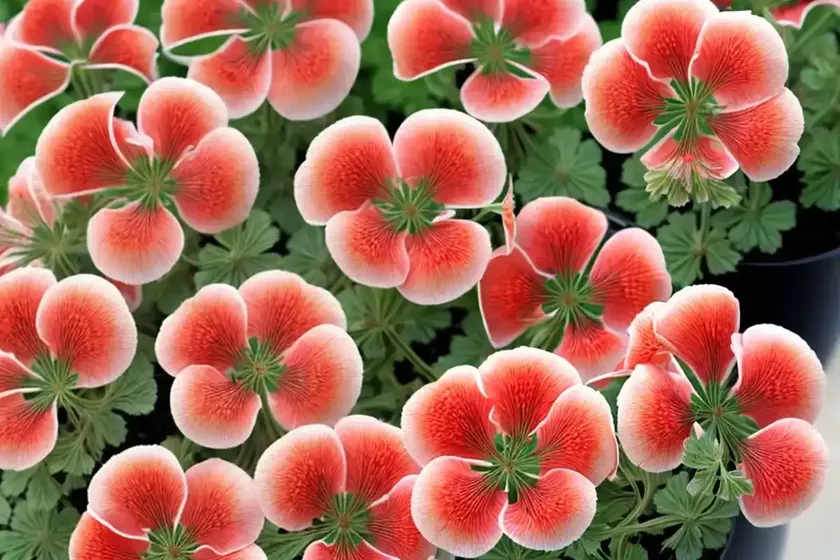
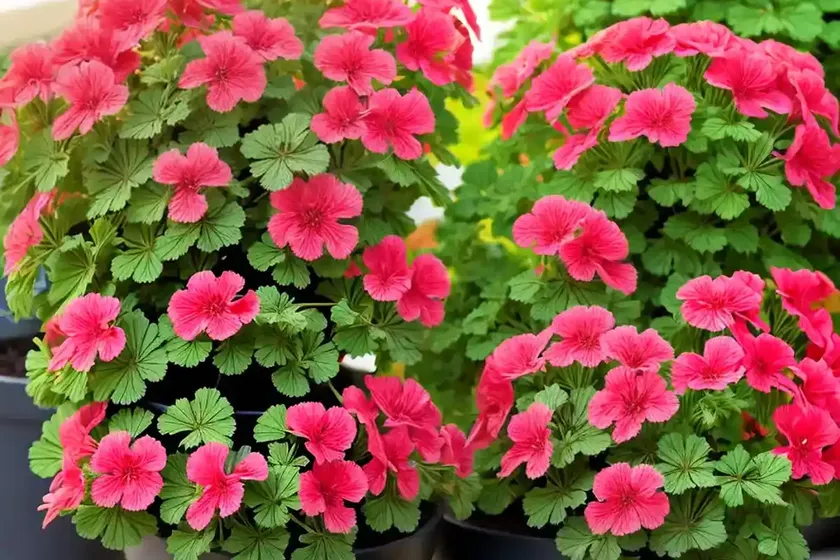
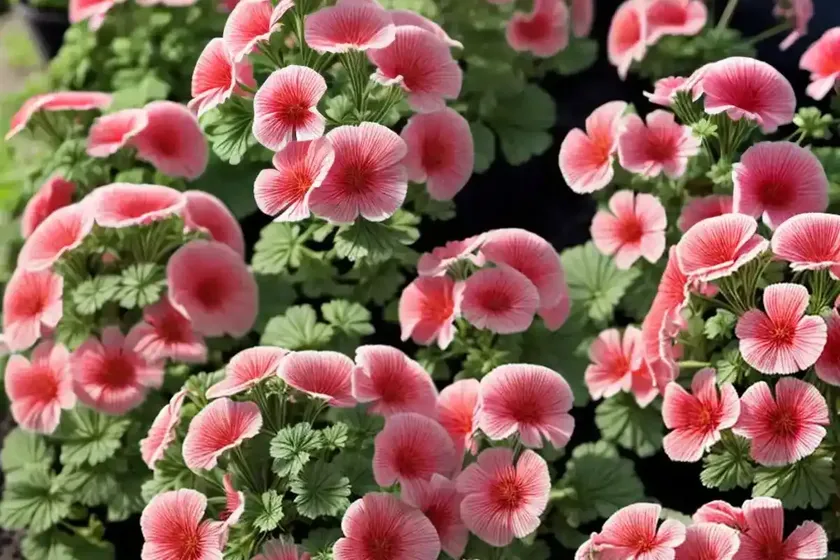
Sophisticated and vibrant, the geranium (Pelargonium graveolens) is a popular plant known for its lovely flowers and aromatic foliage. With its versatility and various uses, the geranium is a staple in gardens, homes, and even the beauty and wellness industry.
In this comprehensive guide, we will explore everything you need to know about this charming plant, from its cultivation and care to its diverse uses and benefits. Whether you are a gardening enthusiast, a budding botanist, or simply someone who appreciates the beauty of plants, this guide will provide valuable insights into the fascinating world of geraniums.
What is a Geranium (Pelargonium graveolens)?
Before we delve into the various aspects of caring for and utilizing geraniums, let’s first understand what this plant is all about.
Scientific Classification:
– Kingdom: Plantae
– Order: Geraniales
– Family: Geraniaceae
– Genus: Pelargonium
– Species: Pelargonium graveolens
Description:
The geranium, scientifically known as Pelargonium graveolens, is a species of flowering plant in the Geraniaceae family. Native to southern Africa, particularly in regions like the Cape Provinces and the Northern Provinces, the geranium is renowned for its fragrant foliage and clusters of delicate flowers.
Appearance:
The plant is characterized by its deeply lobed, aromatic leaves that often emit a pleasant, citrusy fragrance. The flowers of the geranium come in a spectrum of colors, including shades of pink, purple, red, and white. These flowers are arranged in dense clusters atop long, slender stems, adding a splash of color to any garden or indoor space.
Cultural Significance:
Beyond its aesthetic appeal, geraniums hold cultural significance in various parts of the world. In many countries, these plants are associated with traditional medicine, aromatherapy, and even culinary applications, making them an integral part of local customs and traditions.
Now that we have a basic understanding of the geranium, let’s explore its key attributes, including its cultivation, care requirements, and uses.
Key Takeaways – Geranium (Pelargonium graveolens)
Culture
Geraniums, specifically the Pelargonium graveolens species, require certain cultural considerations to thrive. Understanding their preferences for water, sunlight, fertilizer, soil, and pruning is crucial for ensuring their health and longevity.
Uses
From aromatic oils and medicinal preparations to landscaping and companion planting, geraniums offer a wide range of uses. Their versatility extends to both practical and aesthetic applications, making them a valuable addition to any garden or indoor space.
Water
Proper watering is essential for geraniums, and understanding their specific water requirements is vital for maintaining their vitality. Overwatering or underwatering can significantly impact the health of these plants.
Sunlight
Geraniums have distinct preferences for sunlight, and providing the right amount of light is crucial for their growth and blooming. Understanding their sunlight requirements is essential for their overall well-being.
Fertilizer
Feeding geraniums with the right nutrients is essential for promoting healthy foliage and vibrant flowers. Knowing the appropriate fertilizer and application techniques is key to nurturing thriving plants.
Soil
The choice of soil can greatly influence the growth and development of geraniums. Understanding their soil preferences and the ideal potting mix is essential for providing a conducive growing environment.
Pruning
Proper pruning is essential for maintaining the shape, health, and flowering potential of geraniums. Understanding the techniques and timing for pruning is important for promoting lush and abundant blooms.
Propagation
Multiplying geraniums through propagation allows for the expansion of their presence in gardens or indoor spaces. Understanding the propagation methods and best practices is crucial for successful reproduction.
Container Popularity
Geraniums are commonly grown in containers, making them a popular choice for both indoor and outdoor settings. Understanding their suitability for containers and the best practices for container gardening is essential for successful cultivation.
Container Common Diseases
Growing geraniums in containers presents unique disease challenges. Understanding the common diseases and their diagnosis is crucial for effective preventive measures and treatments.
Disease Diagnosis
Recognizing the signs and symptoms of diseases affecting geraniums is essential for prompt intervention and management. Understanding the diagnostic aspects of common diseases is key to maintaining healthy plants.
Common Pests
Geraniums are susceptible to various pests that can compromise their health and appearance. Understanding the common pests and effective pest control measures is crucial for managing infestations.
Botanist’s Tips
Insights from botanists and experienced growers can provide valuable guidance for successfully cultivating geraniums and optimizing their growth and vitality.
Now that we have a glimpse of the key takeaways we’ll be exploring, let’s delve into each aspect in detail, shedding light on the nuances of caring for and utilizing geraniums.
Geranium (Pelargonium graveolens) in Detail
Geranium Plant Care
Watering
Proper watering is essential for the health and vigor of geraniums. Overwatering can lead to root rot and other moisture-related issues, while underwatering can cause stress and stunted growth. Here are some important points to consider regarding watering:
– Frequency: Geraniums generally prefer to dry out slightly between watering. Water them thoroughly when the top inch of the soil feels dry to the touch.
– Water Quality: Use clean, tepid water to avoid shocking the roots. Avoid excessively hard water, as it can lead to mineral buildup in the soil.
– Container Drainage: Ensure that the containers have adequate drainage holes to prevent waterlogging.
Sunlight
Geraniums thrive in bright, direct sunlight, although they can tolerate some light shade, especially in hot climates. Understanding their sunlight requirements is crucial for ensuring robust growth and abundant flowering:
– Full Sun: Ideally, geraniums should receive at least 6-8 hours of direct sunlight daily.
– Indoor Placement: If growing indoors, place geraniums near south- or west-facing windows to provide ample sunlight.
Fertilization
Feeding geraniums with a balanced fertilizer promotes healthy foliage and prolific flowering. Understanding the fertilization requirements and best practices is vital for nurturing vigorous plants:
– Fertilizer Type: Use a balanced, water-soluble fertilizer with equal NPK (nitrogen, phosphorus, and potassium) ratios, or a specialized fertilizer formulated for flowering plants.
– Application Frequency: Fertilize geraniums every 4-6 weeks during the growing season, following the recommended dilution and application rates.
Soil
The choice of soil greatly influences the growth and well-being of geraniums. Understanding their soil preferences and potting mix considerations is essential for creating an optimal growing environment:
– Well-Draining Soil: Use a well-draining potting mix, such as a combination of peat moss, perlite, and vermiculite, to prevent waterlogging and promote healthy root development.
– Soil pH: Geraniums prefer slightly acidic to neutral soil with a pH range of 6.0-7.5. Amending overly alkaline soils can help create a more suitable growing medium.
Pruning
Proper pruning is essential for maintaining the shape, vigor, and flowering potential of geraniums. Understanding the techniques and timing for pruning is crucial for promoting lush and abundant blooms:
– Deadheading: Regularly remove spent flowers to encourage continuous blooming and prevent seed formation.
– Pinching: Pinch back leggy growth to promote bushiness and a more compact appearance.
– Cutting Back: Prune geraniums in early spring to remove leggy or damaged growth and stimulate new growth.
Propagation
Multiplying geraniums through propagation allows for the expansion of their presence in gardens or indoor spaces. Understanding the propagation methods and best practices is essential for successful reproduction:
– Cuttings: Propagate geraniums from stem or tip cuttings taken from healthy, non-flowering stems. Dip the cut ends in rooting hormone and plant them in well-draining potting mix to encourage root development.
– Division: Divide mature plants to create new specimens, ensuring that each division has healthy roots and shoots for successful establishment.
Growing Pelargonium graveolens Indoors
Geraniums, particularly Pelargonium graveolens, make attractive and aromatic indoor plants, provided their specific care requirements are met. Here are some important considerations for growing them indoors:
– Location: Place geraniums near sunny windows or in well-lit areas to provide adequate sunlight.
– Humidity: Maintain moderate humidity levels, especially during the winter months when indoor air tends to be drier.
– Adequate Space: Allow ample space for the plants to grow and spread, or consider pruning them to maintain a compact size.
Pelargonium graveolens Medicinal Uses
Pelargonium graveolens, also known as sweet-scented geranium, has a long history of medicinal applications, particularly in traditional herbal medicine and aromatherapy. Some of its notable medicinal uses include:
– Skin Care: The essential oil of Pelargonium graveolens is used in skincare formulations for its astringent, anti-inflammatory, and balancing properties.
– Natural Remedies: The plant is utilized in natural remedies for various ailments, such as respiratory conditions, skin irritations, and hormonal imbalances.
– Aromatherapy: The aroma of Pelargonium graveolens is valued in aromatherapy for promoting relaxation, emotional balance, and stress relief.
Geranium Plant Diseases
Common Diseases
Geraniums are susceptible to various diseases, which can compromise their health and appearance if not promptly addressed. Some common diseases affecting geraniums include:
– Botrytis Blight: A fungal disease that causes gray mold on leaves and flowers, favored by high humidity and poor air circulation.
– Powdery Mildew: A fungal infection characterized by white powdery patches on leaves, usually resulting from high humidity and insufficient air movement.
– Bacterial Leaf Spot: Manifests as dark, water-soaked spots on leaves, often caused by overwatering or wet foliage.
Disease Diagnosis
Recognizing the signs and symptoms of diseases affecting geraniums is essential for taking timely corrective measures. Here are some diagnostic aspects to consider:
– Leaf Symptoms: Look for discoloration, spots, or unusual patterns on the leaves that may indicate disease presence.
– Flower Abnormalities: Monitor the appearance and development of flowers for any signs of disease, such as discoloration or deformities.
– Stem and Root Health: Inspect the stems and roots for any signs of rot, discoloration, or unusual growth.
Geranium Plant Pests
Geraniums are susceptible to a range of pests that can diminish their vitality and aesthetic appeal. Common pests that affect geraniums include:
– Aphids: Small, soft-bodied insects that feed on the sap of plants, causing distortion of new growth and the formation of sticky honeydew.
– Whiteflies: Tiny, white insects that fly up when the plant is disturbed, often congregating on the undersides of leaves and causing yellowing and wilting.
– Spider Mites: Microscopic pests that infest the undersides of leaves, causing stippling, webbing, and eventual leaf drop.
Pest Control
Effective pest control measures are essential for managing infestations and preserving the health of geraniums. Here are some strategies for pest control:
– Natural Predators: Encourage the presence of natural predators, such as ladybugs or lacewings, to feed on aphids and other small pests.
– Neem Oil: Use neem oil as a natural and organic insecticide to control pests like aphids, spider mites, and whiteflies.
– Horticultural Oil: Apply horticultural oil to suffocate and control soft-bodied pests like aphids and scales.
Botanist’s Tips
Insights from experienced botanists and horticulturists can provide valuable tips for successfully cultivating and caring for geraniums. Some botanist-recommended tips for growing geraniums include:
– Adequate Air Circulation: Ensure good air circulation around the plants to reduce the risk of fungal diseases and pest infestations.
– Temperature Considerations: Protect geraniums from extreme temperatures, especially frost, as they are sensitive to cold and can suffer damage in freezing conditions.
– Regular Monitoring: Keep a close watch on your geraniums for any signs of stress, disease, or pest activity, and take prompt action as needed.
Fun Facts about Geraniums
- Historical Significance: Geraniums have a rich history and have been cultivated for centuries, with various species having been prized for their medicinal, aromatic, and ornamental qualities.
- Aromatic Varieties: Many geranium species, including Pelargonium graveolens, are valued for their fragrant foliage and essential oils, which are extensively used in perfumery and aromatherapy.
- Symbolism: In certain cultures, geraniums are associated with symbolism, representing values such as friendship, happiness, and positive emotions.
- Edible Flowers: Some geranium species produce edible flowers and leaves, which are utilized in culinary applications, such as garnishes and flavorings for desserts and beverages.
Now that we have delved into the various facets of geraniums, from their care requirements to their diverse uses and intriguing facts, let’s explore some external resources that provide additional information and insights into these captivating plants.
Links to External Resources
-
The American Pelargonium Society: This society offers valuable resources, articles, and publications on the cultivation, care, and historical significance of Pelargonium species, including Pelargonium graveolens.
-
Royal Horticultural Society – Geraniums: The Royal Horticultural Society provides a wealth of information and guidance on growing and caring for geraniums, including cultivation tips and disease management.
-
Missouri Botanical Garden – Pelargonium: The Missouri Botanical Garden offers an extensive plant finder database with in-depth information on Pelargonium species, including Pelargonium graveolens.
-
University of Florida IFAS Extension – Geraniums: The University of Florida IFAS Extension provides comprehensive horticultural information on geraniums, including their care, cultivation, and pest management.
-
The Herb Society – Pelargonium graveolens: The Herb Society offers insightful articles and publications on the medicinal and aromatic uses of Pelargonium graveolens and its historic significance.
With a wealth of knowledge and resources at our disposal, we can continue to explore the captivating world of geraniums and deepen our appreciation for these versatile and enchanting plants.
In conclusion, geraniums, particularly the Pelargonium graveolens species, are cherished for their beauty, fragrance, and multifaceted uses. By understanding their care requirements, uses, and fascinating attributes, we can cultivate and enjoy these plants to their fullest potential, whether in our gardens, homes, or various applications in wellness and beyond.
Remember to stay curious and attentive to the needs of your geraniums, and allow their charm to brighten your spaces and enrich your experiences with the captivating world of plants.


