Zonal Geranium (Pelargonium Hortorum)
Zonal Geranium, also known as Pelargonium Hortorum, is a popular flowering plant that is widely cultivated for its vibrant blooms and ease of care. In this.
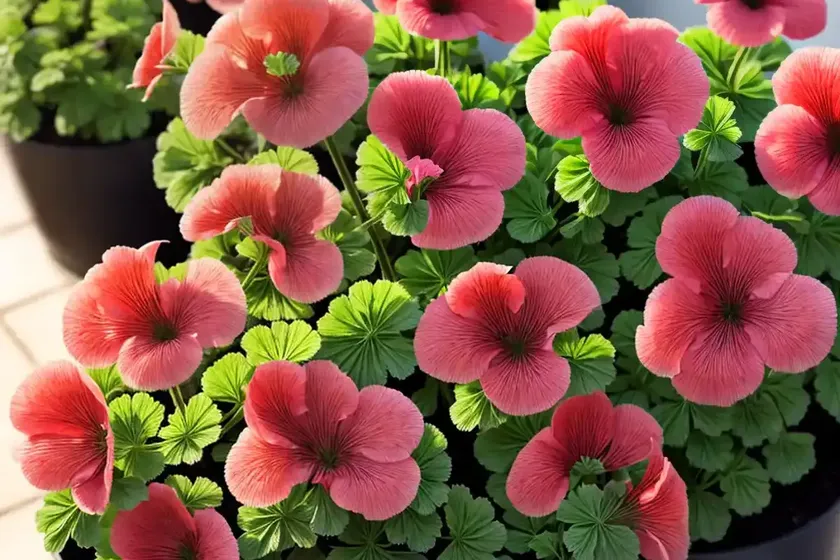
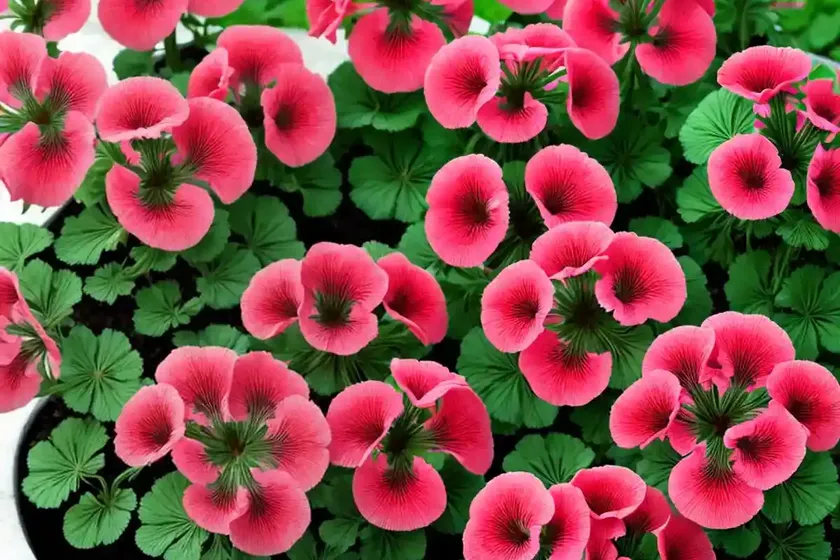
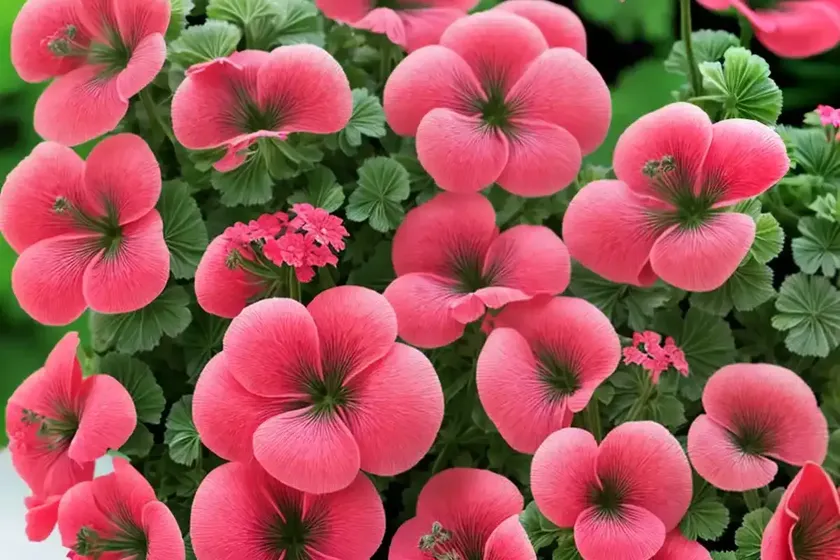
Zonal Geranium, also known as Pelargonium Hortorum, is a popular flowering plant that is widely cultivated for its vibrant blooms and ease of care. In this comprehensive guide, we will delve into the various aspects of Zonal Geranium, including its culture, uses, care requirements, propagation, common diseases, pests, and much more. Whether you are a novice gardener or an experienced horticulturist, this guide will equip you with all the knowledge you need to cultivate and care for Zonal Geraniums effectively.
What is Zonal Geranium (Pelargonium Hortorum)?
Zonal Geranium, scientifically known as Pelargonium Hortorum, is a species of flowering plant in the Geraniaceae family. Native to South Africa, Zonal Geraniums are widely cultivated for their colorful, long-lasting blooms and their adaptability to various growing conditions. These plants are characterized by their rounded, often zoned foliage and clusters of brightly colored flowers. Zonal Geraniums are commonly grown as ornamental plants in gardens, landscapes, and containers due to their aesthetic appeal and relative ease of care.
Key Takeaways – Zonal Geranium (Pelargonium Hortorum)
Before delving into the specifics of Zonal Geranium care and cultivation, let’s explore the key takeaways that encapsulate the essential aspects of this popular plant.
Culture
- Zonal Geraniums are warm-season plants that thrive in moderate climates.
- These plants can be grown in both outdoor garden beds and containers, offering versatility in landscaping and horticultural design.
Uses
- Zonal Geraniums are primarily cultivated for their ornamental value, adding vibrant color to gardens, landscapes, and indoor spaces.
- They are commonly used in flower arrangements and as cut flowers due to their long-lasting blooms.
Water
- Zonal Geraniums require regular watering to maintain consistent soil moisture, particularly during the active growing season.
Sunlight
- These plants thrive in full sunlight and require at least 6-8 hours of direct sunlight to promote healthy growth and prolific flowering.
Fertilizer
- Regular fertilization with a balanced, water-soluble fertilizer can promote robust growth and abundant blooms in Zonal Geraniums.
Soil
- Well-draining, fertile soil with a slightly acidic to neutral pH is ideal for Zonal Geraniums, promoting healthy root development and overall plant vigor.
Pruning
- Periodic pruning is essential to maintain the compact shape of Zonal Geraniums and to encourage the production of new blooms.
Propagation
- Zonal Geraniums can be propagated through stem cuttings, allowing for the expansion of plant collections and the sharing of favorite varieties with fellow gardening enthusiasts.
Container Popularity
- Zonal Geraniums are popular container plants, ideal for adding color and visual interest to patios, balconies, and other outdoor living spaces.
Common Diseases
- Zonal Geraniums are susceptible to certain diseases, including fungal infections and bacterial pathogens, which can impact their overall health and vitality.
Disease Diagnosis
- Prompt identification and management of common diseases are crucial to safeguarding the health and vigor of Zonal Geraniums.
Common Pests
- Aphids, whiteflies, and spider mites are among the common pests that can affect Zonal Geraniums, necessitating proactive pest management strategies.
Now that we have covered the fundamental aspects of Zonal Geraniums, let’s delve into each of these key takeaways in greater detail to provide a comprehensive understanding of how to care for and cultivate these beloved flowering plants.
Geranium Plant Care
Water
Proper watering is essential for the health and vitality of Zonal Geraniums. These plants require regular watering during the active growing season, with a focus on maintaining consistently moist, but not waterlogged, soil. Here are some key guidelines for watering Zonal Geraniums:
- Frequency: Water Zonal Geraniums thoroughly whenever the top inch of the soil feels dry to the touch. This may require watering every 2-3 days, depending on environmental conditions and the moisture retention of the soil.
- Watering Technique: Apply water directly to the base of the plant, aiming to moisten the root zone thoroughly without splashing water onto the foliage.
- Avoid Overwatering: While Zonal Geraniums appreciate consistent moisture, it is important to avoid overwatering, which can lead to root rot and other detrimental issues. Always ensure that the soil has proper drainage to prevent waterlogged conditions.
Sunlight
Proper sunlight exposure is crucial for the healthy growth and abundant flowering of Zonal Geraniums. These plants thrive in full sunlight and require at least 6-8 hours of direct sunlight daily to flourish. When cultivating Zonal Geraniums, consider the following sunlight requirements:
- Outdoor Placement: When grown in garden beds or containers outdoors, position Zonal Geraniums in locations that receive ample sunlight throughout the day, such as south or west-facing areas.
- Indoor Cultivation: For indoor cultivation, place Zonal Geraniums near windows or in areas with abundant natural light to ensure they receive the necessary sunlight exposure for optimal growth.
Fertilizer
Applying a balanced, water-soluble fertilizer can bolster the growth and flowering performance of Zonal Geraniums. When selecting a fertilizer for these plants, opt for a formulation with balanced NPK (nitrogen, phosphorus, and potassium) ratios and micronutrients. Follow these guidelines for fertilizing Zonal Geraniums:
- Frequency: Fertilize Zonal Geraniums every 2-4 weeks during the active growing season, typically spring through fall, to support continuous blooming and robust foliage growth.
- Application Technique: Dilute the fertilizer according to the manufacturer’s instructions and apply it to the soil around the base of the plant, ensuring even distribution.
- Avoid Excessive Fertilization: Over-fertilization can lead to excessive vegetative growth at the expense of flowering. Use fertilizer as directed and avoid applying more than the recommended amount.
Soil
The selection of suitable soil is integral to the successful cultivation of Zonal Geraniums. These plants thrive in well-draining, fertile soil that provides a conducive environment for root development and overall plant health. Consider the following soil-related factors when growing Zonal Geraniums:
- Composition: Opt for a lightweight, well-draining potting mix or garden soil with added organic matter to promote aeration and moisture retention while preventing waterlogging.
- pH Range: Zonal Geraniums prefer a slightly acidic to neutral soil pH range, typically between 6.0 and 7.0. Conduct a soil pH test if necessary and make adjustments using suitable amendments to achieve the desired pH level.
- Container Cultivation: When growing Zonal Geraniums in containers, ensure that the pots have drainage holes to prevent water accumulation at the root zone.
Pruning
Regular pruning is essential to maintain the compact, bushy growth habit of Zonal Geraniums and to promote the continuous production of new blooms. Proper pruning techniques can help shape the plants and remove spent flowers and leggy growth. Here are some key considerations for pruning Zonal Geraniums:
- Deadheading: Remove faded or spent flowers regularly to encourage the development of new blooms and to maintain the aesthetic appeal of the plants.
- Leggy Growth: Trim back leggy or elongated stems to promote branching and compact growth, using clean, sharp pruning shears to make clean cuts without causing damage to the plant.
- Pruning Frequency: Prune Zonal Geraniums as needed throughout the growing season to manage their size and encourage healthy, vigorous growth.
Pelargonium Hortorum Varieties
Zonal Geraniums (Pelargonium Hortorum) are available in a diverse array of cultivars, each showcasing unique flower colors, leaf patterns, and growth habits. From vibrant reds and pinks to delicate whites and bi-colors, there is a Zonal Geranium variety to suit every gardener’s preferences and design aesthetics. When selecting Zonal Geranium varieties for cultivation, consider factors such as flower color, growth habit, and overall plant size to align with your specific gardening preferences and landscape design vision.
Here are several popular Pelargonium Hortorum cultivars known for their distinctive attributes:
| Cultivar | Description |
|---|---|
‘Tango Violet’ |
Deep violet flowers with a compact growth habit, ideal for containers and borders. |
‘Americana Cherry Rose’ |
Rich cherry-red blooms and dark zoned foliage, adding vibrant color to garden beds and landscapes. |
‘Designer Burgundy’ |
Elegant burgundy flowers with dark foliage, creating a striking visual impact in mixed plantings and containers. |
‘Patriot Salmon Chic’ |
Soft salmon-colored blooms and a mounding growth habit, perfect for adding a touch of warmth to floral arrangements. |
‘Rocky Mountain® White’ |
Pure white flowers and lush, green foliage, imparting a classic, timeless appeal to any garden or landscape setting. |
Fun Facts
- Zonal Geraniums are not true geraniums. While they are commonly referred to as geraniums, they belong to the genus Pelargonium, distinct from the true geraniums in the genus Geranium.
- Zonal Geraniums are often associated with traditional gardening and are beloved for their nostalgic appeal and vibrant, old-fashioned blooms.
- The zonal pattern on the leaves of this group of Pelargoniums is caused by the presence of chlorophyll in the green part and a red pigment called anthocyanin in the dark zones.
Pelargonium Hortorum Cultivation
Creating an optimal environment for the cultivation of Pelargonium Hortorum entails a focus on key factors such as planting, watering, sunlight, fertilization, pruning, and pest and disease management. By incorporating these essential practices into the cultivation process, you can foster the growth and flowering performance of Zonal Geraniums, resulting in healthy, vibrant plants that enhance the visual appeal of garden spaces.
How to Grow Zonal Geraniums
Planting Tips
When planting Zonal Geraniums in garden beds or containers, follow these guidelines to ensure successful establishment and healthy growth:
- Spacing: Plant Zonal Geraniums at intervals of 12-18 inches apart in garden beds to allow for adequate air circulation and prevent overcrowding as the plants mature.
- Soil Preparation: Prepare the planting area by incorporating organic matter, such as compost or well-rotted manure, into the soil to enhance fertility and improve overall soil structure.
- Planting Depth: Set the plants at the same depth as they were growing in their nursery pots, ensuring that the root ball is level with the surrounding soil surface.
Water Needs
Maintaining appropriate soil moisture is crucial for the health and vitality of Zonal Geraniums. Consider the following watering tips to meet the water needs of these plants:
- Observational Watering: Monitor the moisture levels of the soil regularly and adjust the watering frequency based on weather conditions, such as temperature and rainfall.
- Deep Watering: When watering, aim to moisten the soil to the depth of the root zone to encourage healthy root development and overall plant vigor.
Fertilization
Applying a balanced fertilizer can provide Zonal Geraniums with the essential nutrients they require for robust growth and prolific flowering. Follow these fertilization recommendations to support the nutritional needs of these plants:
- Fertilizer Selection: Utilize a balanced, water-soluble fertilizer with an NPK ratio of approximately 10-10-10 or 20-20-20 to supply a comprehensive range of essential nutrients to the plants.
- Fertilizing Schedule: Begin fertilizing Zonal Geraniums in early spring and continue every 4-6 weeks throughout the growing season, adjusting the frequency based on the specific fertilizer formulation and the plant’s response.
Pruning Techniques
Regular pruning plays a pivotal role in maintaining the attractive appearance and promoting the continuous flowering of Zonal Geraniums. Employ the following pruning techniques to manage the growth of these plants effectively:
- Deadheading: Remove spent blooms by pinching them off at the base of the flower stem to prevent seed formation, redirecting the plant’s energy into the production of new flowers.
- Maintenance Pruning: Trim back any leggy or excessively long stems to encourage branching and promote a compact, bushy growth habit in Zonal Geraniums.
Pelargonium Hortorum Propagation
The propagation of Zonal Geraniums through stem cuttings is a popular and straightforward method that allows gardeners to expand their plant collections and preserve favored cultivars. By following the proper techniques for stem cutting propagation, you can generate new Zonal Geranium plants with genetic characteristics identical to the parent plant. Here’s a step-by-step guide to propagating Zonal Geraniums through stem cuttings:
Step 1: Selecting and Preparing the Cutting
- Choose a healthy, actively growing stem from the parent plant, typically a stem with several leaf nodes, indicating potential for root production.
- Use a pair of clean, sharp pruning shears to make a diagonal cut just below a node, ensuring the cutting is approximately 3-4 inches in length.
Step 2: Rooting Medium Preparation
- Prepare a rooting medium composed of equal parts of perlite and peat moss or a high-quality, well-draining potting mix, ensuring an optimal balance of aeration and moisture retention.
Step 3: Rooting Hormone Application
- Dip the cut end of the Zonal Geranium cutting into a rooting hormone powder to stimulate the development of roots and enhance the cutting’s ability to establish itself.
Step 4: Planting the Cutting
- Insert the prepared cutting into the rooting medium, ensuring that at least two leaf nodes are buried below the surface to encourage root development from these points.
- Gently firm the medium around the base of the cutting to provide stability and ensure proper contact between the cutting and the rooting medium.
Step 5: Rooting Environment
- Place the potted cutting in a warm, bright location with indirect sunlight, ensuring that the rooting medium remains consistently moist but not waterlogged.
- Use a propagator or a clear plastic bag to create a humid environment around the cutting, fostering the development of roots.
Step 6: Root Development and Transplanting
- Monitor the cutting regularly for signs of root development, typically indicated by new growth and resistance to gentle tugs.
- Once the cutting has established a healthy root system, transplant it into a larger container or into the garden bed, acclimating it to its new environment gradually to avoid transplant shock.
By following these propagation steps, you can successfully propagate Zonal Geraniums through stem cuttings, expanding your plant collection and sharing these vibrant, colorful plants with fellow gardening enthusiasts.
Common Diseases Affecting Zonal Geraniums
Zonal Geraniums are susceptible to certain infectious diseases caused by fungal, bacterial, and viral pathogens, which can impact their overall health and vigor if left unmanaged. Identifying and promptly addressing these common diseases is crucial for safeguarding the well-being of Zonal Geraniums and preventing the spread of infections to neighboring plants.
Disease Diagnosis
The timely diagnosis of common diseases affecting Zonal Geraniums enables gardeners to implement targeted management strategies and mitigate the potential impact on plant health. Here are several common diseases that can affect Pelargonium Hortorum, along with their diagnostic features:
Botrytis Blight (Gray Mold)
- Symptoms: Grayish mold on flowers, buds, or leaves, accompanied by wilting, browning, and decay of affected plant tissues.
- Management: Remove and dispose of infected plant parts, ensure proper air circulation, and apply fungicidal treatments as directed to control the spread of the disease.
Xanthomonas Leaf Spot
- Symptoms: Small, water-soaked lesions on the leaves, which develop into dark, angular spots with yellow halos, potentially leading to leaf drop and defoliation.
- Management: Practice proper sanitation, remove and destroy infected plant material, and utilize copper-based fungicides to manage the disease.
Pythium and Phytophthora Root Rot
- Symptoms: Root discoloration, reduced root vitality, and wilting of the entire plant due to compromised root function.
- Management: Enhance soil drainage, avoid overwatering, and utilize fungicidal drenches as a preventative measure against root rot pathogens.
Southern Blight
- Symptoms: White, fluffy mycelium at the base of the plant, accompanied by rapid wilting, yellowing, and decay of the lower stems and foliage.
- Management: Remove and destroy affected plant parts, improve soil drainage, and employ soil solarization to reduce the pathogen load in the root zone.
By recognizing the symptoms and diagnostic features of common diseases affecting Zonal Geraniums and implementing appropriate management strategies, gardeners can effectively protect these plants from the detrimental effects of infectious pathogens.
Pelargonium Hortorum Common Pests
In addition to infectious diseases, Zonal Geraniums can be affected by a range of common pests, including aphids, whiteflies, spider mites, and caterpillars, which can impact overall plant health and vitality. Identifying these pests and implementing targeted pest management measures are crucial for mitigating potential damage and preserving the visual appeal of Zonal Geraniums.
Aphids
These small, soft-bodied insects feed on the sap of Zonal Geraniums, potentially causing wilting, yellowing, and distortion of new growth. To manage aphids, consider the following pest control strategies:
- Hose Down – Use a strong stream of water to dislodge aphids from the plant.
- Neem Oil – Apply neem oil as a natural, plant-safe insecticide to deter and control aphid populations.
Whiteflies
Whiteflies are tiny, winged insects that can cause leaf yellowing, wilting, and the development of sooty mold on Zonal Geraniums. Employ these control measures to manage whiteflies:
- Yellow Sticky Traps – Place yellow sticky traps near the infested plants to attract and capture adult whiteflies.
- Insecticidal Soap – Apply insecticidal soap to target and eliminate whitefly populations while minimizing potential harm to beneficial insects.
Spider Mites
These microscopic pests can cause stippling, webbing, and general decline of plant vigor in Zonal Geraniums. To address spider mite infestations, consider the following management strategies:
- Pruning Infested Foliage – Remove and dispose of heavily infested plant parts to reduce the population of spider mites.
- Miticide Application – Use a suitable miticide to target and control spider mite populations effectively.
Caterpillars
Certain caterpillar species may feed on the foliage of Zonal Geraniums, leading to defoliation and aesthetic damage. Employ these pest management techniques to address caterpillar infestations:
- Handpicking – Physically remove caterpillars from the plant and relocate them to a designated area away from Zonal Geraniums.
- Biological Control – Introduce natural predators of caterpillars, such as beneficial insects or birds, to regulate caterpillar populations.
By recognizing the presence of common pests, such as aphids, whiteflies, spider mites, and caterpillars, and implementing targeted control measures, gardeners


