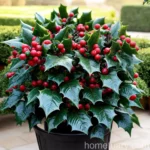
Inkberry (Ilex glabra ‘Compacta’): A Comprehensive Guide
In the world of landscaping and gardening, the inkberry (Ilex glabra ‘Compacta’) is a popular choice due to its versatility, attractive appearance, and ease of maintenance. This evergreen shrub, also known as Compact Inkberry, offers a range of landscape and ecological benefits. In this comprehensive guide, we will delve into the various aspects of inkberry, including its culture, uses, care requirements, and more. Whether you are a seasoned gardener or a newcomer to the world of plants, this guide will provide you with valuable insights into maximizing the potential of inkberry in your landscape.
What is Inkberry (Ilex glabra ‘Compacta’)?
Inkberry, scientifically known as Ilex glabra ‘Compacta,’ is a compact, evergreen shrub belonging to the Aquifoliaceae family. It is a cultivar of the native inkberry, Ilex glabra, which is indigenous to the eastern United States and Canada. Inkberry is characterized by its dense, bushy growth habit and glossy, dark green leaves. This versatile shrub is prized for its ornamental foliage and its ability to thrive in various environmental conditions, making it a popular choice for both residential and commercial landscapes.
Key Takeaways – Inkberry (Ilex glabra ‘Compacta’)
Before delving into the specifics of inkberry’s culture, uses, and care, let’s take a look at the key takeaways highlighting its diverse attributes and benefits:
- Hardiness: Inkberry is renowned for its resilience and adaptability, thriving in diverse climates and soil conditions.
- Landscape Uses: Its compact size and attractive foliage make it an excellent choice for hedges, borders, and foundation plantings.
- Wildlife Attraction: The shrub’s berries provide a valuable food source for various bird species, enhancing biodiversity in the landscape.
- Low Maintenance: Inkberry is relatively low-maintenance, requiring minimal pruning and watering once established.
- Versatile Design: With its adaptability to container growth, inkberry can be utilized in a wide range of landscaping designs, including urban and small-space gardens.
With these key points in mind, let’s explore the various facets of inkberry in greater detail.
Culture
Understanding the cultural requirements of inkberry is essential for promoting its health and vitality in the landscape. From soil conditions to sunlight preferences, the following aspects are vital considerations when cultivating inkberry shrubs.
Water
Inkberry showcases a remarkable degree of adaptability when it comes to water requirements. While it demonstrates a preference for consistently moist, well-drained soil, it can also tolerate periodic periods of drought once established. When it comes to watering inkberry, the goal is to maintain a balance—avoid overwatering, which can lead to root rot, and ensure the soil does not dry out completely, particularly during the summer months.
Sunlight
In terms of sunlight, inkberry thrives in partial to full sun conditions. When planting or positioning inkberry shrubs, it is advisable to choose a location that receives at least 4-6 hours of direct sunlight per day. However, inkberry can also tolerate partial shade, making it suitable for a variety of landscape settings, including areas with dappled light or partial sun exposure.
Fertilizer
Inkberry generally does not require heavy feeding, especially when grown in nutrient-rich soils. Prior to planting, incorporating organic matter, such as compost or well-rotted manure, can provide a beneficial foundation for the shrub’s growth. Additionally, a balanced, slow-release fertilizer applied in early spring can further enhance the growth and overall health of inkberry plants. It is essential to follow the manufacturer’s instructions and avoid over-fertilization, which can result in excessive foliage growth at the expense of berry production.
Soil
The significance of soil composition cannot be overstated when it comes to cultivating inkberry. This evergreen shrub thrives in acidic, well-drained soils, demonstrating a marked preference for moist, loamy substrates. The inclusion of organic matter during planting can improve the soil structure, enhance moisture retention, and contribute to the overall vigor of inkberry plants.
Pruning
Pruning is an integral aspect of inkberry maintenance, serving to promote the shrub’s aesthetic appeal and overall health. While inkberry does not necessitate extensive pruning, regular maintenance can help to shape the shrub, encourage denser growth, and remove any damaged or diseased branches. Late winter or early spring is generally regarded as the optimal time for pruning inkberry, as it allows the shrub to recover and stimulate new growth as the growing season commences.
Propagation
Propagation of inkberry can be achieved through various methods, including stem cuttings, seed germination, and division. The following methods provide an overview of the diverse approaches to multiplying inkberry shrubs:
- Stem Cuttings: Selecting healthy, semi-hardwood cuttings during the summer months and treating them with a rooting hormone can facilitate successful propagation of inkberry.
- Seed Germination: Harvesting ripe inkberry seeds and sowing them in a prepared seedbed can yield new plants, although this method often requires a longer timeframe to produce mature shrubs.
- Division: Dividing established inkberry shrubs can be an effective method of propagation, particularly when aiming to rejuvenate overgrown or mature specimens.
Container Popularity
In addition to being a favored choice for traditional landscape plantings, inkberry has garnered increased popularity as a container plant. Due to its compact growth habit and adaptability to cultivation in pots and containers, inkberry is suitable for urban gardens, patios, and small outdoor spaces. The versatility of inkberry in container plantings allows for creative and diverse applications in both residential and commercial settings.
Common Diseases
Inkberry is generally resistant to many common plant diseases, demonstrating robust health and vitality in diverse environmental conditions. However, a few diseases have the potential to affect inkberry shrubs, including:
- Phytophthora Root Rot: This soil-borne disease can lead to root damage and wilting, particularly in poorly drained soils.
- Cercospora Leaf Spot: Characterized by the development of small, dark spots on the foliage, this fungal disease can impact the aesthetic appeal of inkberry leaves.
Implementing proactive measures, such as proper site selection, promoting good air circulation, and avoiding overwatering, can serve to mitigate the risk of disease development in inkberry shrubs.
Disease Diagnosis
When evaluating the health of inkberry plants, it is essential to be vigilant for signs and symptoms of potential diseases. Timely identification and diagnosis can facilitate the application of targeted management strategies to protect the shrub’s well-being. Consider the following indicators that may signal the presence of diseases in inkberry:
- Wilting or Yellowing Foliage: An initial indication of root rot or other soil-borne diseases, leading to compromised health and vigor.
- Dark Spots on Foliage: The emergence of dark, irregular spots on the leaves may point to the presence of leaf spot diseases, warranting further evaluation and management.
By remaining attentive to these potential signs and promptly seeking appropriate guidance, gardeners and homeowners can effectively safeguard the health of inkberry shrubs.
Common Pests
Inkberry is generally resilient to pest infestations, but several potential pests may occasionally pose a threat to its well-being. The following pests are among those that may impact inkberry shrubs:
- Scale Insects: These small, immobile pests can infest the foliage and stems, leading to potential damage to the shrub’s health.
- Spider Mites: Common in dry and warm conditions, spider mites can cause stippling and discoloration of the foliage, affecting the overall appearance of inkberry.
Vigilance and routine monitoring are crucial for detecting potential pest activity and enacting appropriate pest management practices to protect inkberry from harm.
Botanist’s Tips
Drawing from the insight and expertise of botanists and horticultural specialists, the following tips are provided to help homeowners and gardening enthusiasts optimize the cultivation and care of inkberry (Ilex glabra ‘Compacta’):
- Mulching: Applying a layer of organic mulch around the base of inkberry shrubs can promote moisture retention, weed suppression, and insulation during temperature fluctuations.
- Companion Planting: Pairing inkberry with compatible companion plants, such as heathers or ferns, can enhance the visual appeal and ecological harmony of the landscape.
- Seasonal Maintenance: Adhering to a regular maintenance schedule, including watering, fertilizing, and pruning, can contribute to the sustained health and vigor of inkberry shrubs throughout the year.
Adhering to these insights can empower individuals to cultivate thriving inkberry shrubs, enriching their landscape and promoting ecological balance.
Fun Facts
In addition to its diverse uses and cultural significance, inkberry boasts a range of intriguing and captivating attributes that contribute to its appeal in landscaping and horticulture. Consider the following fun facts that shed light on the unique qualities of inkberry:
- Wildlife Habitat: The berries of inkberry serve as a valuable food source for various bird species, contributing to the ecological diversity and sustenance of local wildlife.
- Year-Round Interest: With its glossy, evergreen foliage and clusters of black berries, inkberry provides year-round visual interest, making it an enduring feature in the landscape.
- Medicinal Uses: Historically, certain Native American tribes utilized inkberry extracts for medicinal purposes, recognizing its potential healing properties.
These engaging facts underscore the multifaceted appeal and value of inkberry within the realm of gardening, ecology, and cultural history.
Links to External Resources
For further exploration and in-depth understanding of inkberry (Ilex glabra ‘Compacta’), the following external resources offer valuable insights and guidance, encompassing diverse topics ranging from cultivation techniques to ecological benefits:
- The American Holly Society: A comprehensive resource offering information about inkberry and related holly species, including cultivation tips and ecological significance.
- University of Florida IFAS Extension: Provides detailed information on the culture and uses of inkberry shrubs, along with recommendations for landscape applications.
By leveraging these external resources, individuals can deepen their knowledge and proficiency in the cultivation and appreciation of inkberry within their landscape.
In summary, inkberry (Ilex glabra ‘Compacta’) stands as a versatile and alluring addition to diverse landscapes, offering a range of ecological, aesthetic, and practical benefits. Through a comprehensive understanding of its culture, uses, care requirements, and inherent charm, individuals can harness the full potential of inkberry, enriching their outdoor spaces and promoting ecological harmony.
Whether employed as a compact hedge, a container specimen, or a wildlife-friendly shrub, inkberry epitomizes resilience, beauty, and versatility, earning its place as a treasured asset in the world of landscape gardening.