Japanese Holly (Ilex crenata): A Comprehensive Guide
Plants play an essential role in not only the environment but also in our daily lives. The beauty and functionality of plants like Japanese holly (Ilex crenata) make them a valuable addition to both indoor and outdoor spaces. In this comprehensive guide, we will explore the various aspects of Japanese holly, including its characteristics, uses, care requirements, and much more. Whether you’re a seasoned gardener or just starting with your green thumb endeavors, this article will provide you with the knowledge needed to cultivate and appreciate Japanese holly.
What is Japanese Holly (Ilex Crenata)?
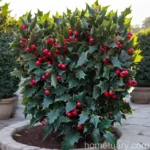
Japanese holly, scientifically known as Ilex crenata, is a versatile evergreen plant that belongs to the family Aquifoliaceae. This species is native to East Asia, particularly Japan, Korea, and China, where it thrives in a variety of habitats, including forests, mountainsides, and coastal areas. Japanese holly is popularly cultivated for its ornamental value, and it is often used in landscaping, as hedging, and as a container plant.
The plant is characterized by its small, glossy green leaves and compact growth habit, making it a prized choice for creating formal hedges, topiaries, and bonsai. Its adaptability and resilience in various environmental conditions have made it a favorite among gardeners, horticulturists, and landscapers worldwide.
Key Takeaways – Japanese Holly (Ilex Crenata)
Before delving into the specifics of Japanese holly, let’s take a look at the key takeaways that this guide will cover:
- Ilex crenata plant: Understanding the botanical characteristics and classification of Japanese holly.
- Japanese holly shrub: Exploring the growth habits and morphology of Ilex crenata.
- Ilex crenata species: Learning about the different species and cultivars of Japanese holly.
- Japanese holly varieties: Discovering the diverse varieties and forms of Ilex crenata available to gardeners.
- Characteristics of Ilex crenata: Examining the unique features and attributes of Japanese holly.
- Benefits of planting Japanese holly: Understanding the advantages and uses of Ilex crenata in garden landscapes.
- Growing Japanese holly at home: Exploring the practical aspects of cultivating Japanese holly in a home garden setting.
- Popular uses of Ilex crenata: Discovering the various landscaping and decorative applications of Japanese holly.
- Ilex crenata in landscaping: Learning about the role of Japanese holly in enhancing the aesthetics of outdoor spaces.
- Japanese holly care guide: Providing comprehensive guidelines for the care and maintenance of Ilex crenata plants.
- Pest and disease control for Ilex crenata: Understanding the common pests and diseases that affect Japanese holly and how to manage them.
- Pruning techniques for Japanese holly: Exploring the best practices for shaping and maintaining Japanese holly plants.
- Soil requirements for Ilex crenata: Understanding the soil preferences and requirements of Japanese holly.
- Sunlight needs of Japanese holly: Learning about the light requirements for optimal growth and health of Ilex crenata.
- Watering Japanese holly plants: Providing insights into the watering needs of Japanese holly and best practices for watering.
- Propagation methods for Ilex crenata: Exploring the various methods for propagating Japanese holly plants.
- Japanese holly as a bonsai tree: Understanding the potential of Japanese holly for bonsai cultivation.
- Companion plants for Ilex crenata: Discovering suitable companion plants that complement Japanese holly in garden settings.
- Hardy Japanese holly varieties: Highlighting the cold-hardy and resilient varieties of Ilex crenata.
- Ilex crenata for privacy hedges: Exploring the role of Japanese holly in creating privacy hedges and screens.
- Japanese holly symbolism: Understanding the cultural and symbolic significance of Ilex crenata in various traditions.
- Ilex crenata and wildlife attraction: Discussing the ecological benefits of Japanese holly in attracting and supporting wildlife.
- Versatile uses of Japanese holly in gardens: Exploring the diverse applications of Ilex crenata in garden design and landscaping.
- Popular Japanese holly cultivars: Highlighting some of the popular and noteworthy cultivars of Japanese holly.
- Ilex crenata as a topiary plant: Understanding the role of Japanese holly in topiary art and design.
- Japanese holly for small spaces: Exploring the suitability of Japanese holly for compact and urban garden settings.
- Drought-tolerant varieties of Ilex crenata: Discovering the resilient and water-efficient varieties of Japanese holly.
- Japanese holly for coastal gardens: Understanding the adaptability of Ilex crenata to coastal environments and gardens.
- Ilex crenata for urban landscapes: Discussing the benefits and considerations of using Japanese holly in urban gardens and landscapes.
- Winter care for Japanese holly: Providing guidelines for winter protection and care for Japanese holly plants.
- Japanese holly leaf characteristics: Exploring the varied leaf forms and features of Ilex crenata.
- Ilex crenata for container gardening: Understanding the suitability of Japanese holly for container and potted arrangements.
- Japanese holly as a hedge plant: Highlighting the role of Ilex crenata in creating formal and informal hedges.
- Ilex crenata and its medicinal properties: Discussing the potential medicinal and therapeutic uses of Japanese holly.
- Japanese holly as a privacy screen: Exploring the role of Ilex crenata as a natural privacy screen and barrier.
- Different leaf forms of Ilex crenata: Understanding the diversity and morphology of Japanese holly leaves.
- Japanese holly for erosion control: Exploring the potential of Ilex crenata in controlling soil erosion in landscapes.
- Ilex crenata and its wildlife benefits: Discussing the ecological and environmental benefits of Japanese holly.
- Japanese holly and its cultural significance: Understanding the historical, cultural, and symbolic importance of Ilex crenata.
- Recommended fertilizer for Ilex crenata: Providing guidelines for the suitable fertilization of Japanese holly plants.
- Japanese holly for mixed borders: Exploring the role of Ilex crenata in mixed border plantings and garden designs.
- Ilex crenata for traditional Japanese tea gardens: Discussing the traditional and cultural use of Japanese holly in tea gardens.
- Pests to watch out for in Japanese holly: Highlighting common pests that affect Ilex crenata and their management.
- Native habitats of Ilex crenata: Understanding the natural habitats and distribution of Japanese holly.
- Japanese holly for low-maintenance landscapes: Exploring the ease of care and suitability of Ilex crenata for low-maintenance landscapes.
- Ilex crenata and its versatility in landscaping: Discussing the diverse roles and applications of Japanese holly in garden and landscape design.
- Pruning frequency for Japanese holly: Providing guidelines for the frequency and timing of pruning Japanese holly plants.
- Ilex crenata as a winter interest plant: Understanding the ornamental and visual appeal of Japanese holly during the winter season.
Now that we have an overview of the comprehensive topics we will cover in this guide, let’s begin our journey into the enchanting world of Japanese holly.
Culture
Understanding the cultural aspects of Japanese holly is essential to appreciate its significance and value in different contexts. From its historical and symbolic meanings to its role in contemporary garden designs, Japanese holly embodies a rich cultural heritage.
Historical and Symbolic Significance
In its native regions of East Asia, Japanese holly holds cultural and symbolic significance. In Japan, the plant is known as “kurogane holly,” and it is associated with strength, longevity, and resilience. The dense and compact growth habit of Japanese holly has contributed to its symbolism of endurance and protection, making it a favored plant for creating sacred and contemplative spaces in traditional Japanese gardens.
In Japanese culture, certain varieties of Ilex crenata, particularly those with unique leaf forms and textures, are highly esteemed and are often featured in artistic expressions such as ikebana (Japanese flower arranging) and bonsai. The aesthetic appeal and symbolism of Japanese holly have made it a staple in traditional Japanese tea gardens, where it adds a sense of tranquility and permanence to the landscape.
Contemporary Uses and Applications
Beyond its traditional cultural significance, Japanese holly has gained widespread popularity in contemporary garden designs and landscaping practices. Its compact form, glossy foliage, and adaptability to pruning make it a versatile plant for creating formal hedges, topiaries, and ornamental potted arrangements. In modern urban landscapes, Ilex crenata is valued for its ability to thrive in confined spaces, making it a popular choice for balcony gardens, rooftop plantings, and compact courtyards.
The resilience of Japanese holly has also made it a favored plant for sustainable and low-maintenance landscapes, where it serves as an evergreen backdrop for mixed border plantings, erosion control on slopes, and as a natural privacy screen. The aesthetic appeal and functionality of Japanese holly have transcended cultural boundaries, and it is now embraced by gardeners and landscape designers globally.
Uses
The uses of Japanese holly extend beyond its ornamental value, encompassing a range of practical and aesthetic applications in garden landscapes and outdoor spaces. Understanding the diverse uses of Ilex crenata can inspire creative approaches to incorporating this versatile plant in various settings.
Ornamental Landscaping
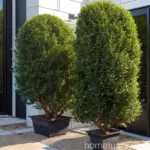
One of the primary uses of Japanese holly is in ornamental landscaping, where it serves as a foundation plant, specimen shrub, or focal point in the garden. The compact growth habit and dense foliage of Ilex crenata make it an ideal choice for creating formal and informal hedges, defining borders, and adding structure to garden compositions.
Japanese holly is also valued for its role in topiary art, where skilled pruning and shaping techniques are employed to create imaginative and sculptural forms. The versatility of Ilex crenata in responding to different pruning styles and designs makes it a preferred plant for crafting living sculptures and geometric patterns in garden landscapes.
Container Gardening
Japanese holly’s adaptability to container gardening makes it a popular choice for enhancing outdoor living spaces, patios, and entryways. When grown in decorative containers, Ilex crenata adds a touch of elegance and greenery to urban settings and confined areas, where traditional garden beds may be limited.
The evergreen foliage of Japanese holly ensures year-round interest in container plantings, and its ability to withstand pruning and shaping makes it suitable for creating customized potted arrangements and bonsai displays. The versatility and portability of Ilex crenata in containers make it an excellent choice for individuals seeking to introduce greenery and structure to their outdoor environments.
Privacy Hedges and Screens
Due to its dense growth and compact form, Japanese holly is often utilized as a natural privacy hedge or screen in residential and commercial landscapes. Whether used to create secluded garden retreats, shield outdoor living areas from neighboring views, or define property boundaries, Ilex crenata provides an effective and visually appealing solution for enhancing privacy while also adding greenery to the surroundings.
The evergreen nature of Japanese holly ensures that privacy hedges remain lush and verdant throughout the year, offering consistent coverage and protection from curious onlookers. By selecting appropriate varieties and employing proper spacing and pruning techniques, Japanese holly can be tailored to meet specific privacy needs while contributing to the aesthetic appeal of the landscape.
Mixed Border Plantings
In mixed border plantings and garden compositions, Japanese holly serves as a foundational element that provides structure, texture, and year-round color. When combined with flowering shrubs, perennials, and ornamental grasses, Ilex crenata creates visually dynamic and balanced arrangements that offer diversity and interest throughout the seasons.
The dark green foliage of Japanese holly serves as a backdrop for vibrant blooms and foliage colors, adding depth and contrast to mixed border plantings. Its tolerant nature and adaptability to various soil and light conditions make it a versatile and reliable plant for creating harmonious and well-balanced garden borders.
Erosion Control and Slope Stabilization
The resilient and tenacious growth habit of Japanese holly makes it an effective choice for controlling soil erosion on slopes and inclines. By planting Ilex crenata along embankments, hillsides, and terraced landscapes, gardeners can prevent soil loss, stabilize slopes, and create visually captivating vegetative cover that beautifies the terrain.
The deep and fibrous root system of Japanese holly contributes to anchoring the soil and minimizing runoff, making it a valuable ally in managing erosion-prone areas. In addition to its practical function, the lush greenery of Ilex crenata enhances the aesthetic appeal of sloped landscapes, bringing a sense of vitality and natural beauty to otherwise challenging terrain.
Water
Understanding the water requirements of Japanese holly is crucial for maintaining the health and vitality of its foliage and overall growth. Proper watering practices contribute to the resilience and longevity of Ilex crenata, ensuring that it thrives in various garden and landscape settings.
Watering Needs
Japanese holly plants prefer consistently moist but well-drained soil, especially during their establishment phase and in the absence of significant rainfall. It is essential to water newly planted Japanese holly shrubs thoroughly and deeply to encourage robust root development and resilience against environmental stressors.
During periods of active growth, particularly in spring and summer, regular watering is essential to sustain the lush foliage and promote healthy expansion. However, care should be taken to avoid waterlogged conditions, as excessive moisture can lead to root rot and other detrimental effects on the plant’s health.
Watering Techniques
When watering Japanese holly, it is preferable to apply water at the base of the plant to direct moisture to the root zone. This approach facilitates efficient water uptake and reduces the risk of fungal diseases and leaf discoloration caused by wet foliage.
In warmer climates or during dry spells, supplementary irrigation may be necessary to maintain adequate soil moisture levels. Mulching the base of Japanese holly plants with organic matter, such as compost or wood chips, can assist in retaining soil moisture and regulating temperature, thereby reducing the frequency of irrigation.
Seasonal Considerations
During winter months or periods of dormancy, Japanese holly plants generally require less frequent watering, as their metabolic activity and growth slow down. Monitoring the moisture levels of the soil and adjusting the watering frequency based on environmental conditions is essential to prevent drought stress or waterlogging during the dormant phase.
In contrast, the active growing season in spring and summer often demands more diligent and regular watering, particularly in regions experiencing high temperatures and limited rainfall. Gardeners should pay attention to signs of water stress, such as wilting foliage or dry soil, and adjust their watering regimen accordingly to support the health and vigor of Japanese holly plants.
Sunlight
The sunlight requirements of Japanese holly play a pivotal role in determining its growth, foliage quality, and overall performance. Understanding the optimal light conditions for Ilex crenata is crucial for cultivating healthy and vibrant specimens in garden landscapes and outdoor settings.
Light Preferences
Japanese holly thrives in partial to full sun, making it adaptable to a range of light conditions. Ideally, providing the plant with dappled sunlight or filtered shade during the hottest part of the day can help prevent stress-related issues and maintain the integrity of its glossy foliage.
While Japanese holly is known for its versatility in light tolerance, it tends to develop the densest foliage and most compact growth habit when exposed to moderate sunlight. However, the plant can tolerate brief periods of direct sunlight, especially in cooler climates, without significant adverse effects on its health.
Considerations for Shaded Environments
In shady or low-light environments, Japanese holly may experience reduced growth and a looser growth habit compared to specimens grown in moderate to full sunlight. While the plant’s adaptability to shade allows for its inclusion in shaded gardens and understory plantings, it is essential to monitor its growth and provide supplemental lighting if necessary to maintain its vigor and aesthetic appeal.
Gardeners should also consider the microclimatic conditions of their specific garden or landscape area, taking into account factors such as nearby structures, tree canopies, and seasonal variations in sunlight exposure that may influence the light availability for Japanese holly plants.
Leaf and Foliage Quality
The exposure to appropriate light levels directly impacts the quality and appearance of Japanese holly foliage. Plants that receive ample sunlight typically exhibit darker green leaves, denser growth, and a more uniform and compact habit, enhancing their ornamental value in the landscape.
Insufficient sunlight may result in diminished foliage density, lighter green leaves, and elongated growth, affecting the overall aesthetic appeal of Japanese holly. While the plant can adapt to varying light conditions, consistent exposure to suitable light levels allows for the expression of its full ornamental potential and vitality.
Fertilizer
The nutrient requirements of Japanese holly influence its growth, foliage color, and overall vigor. By providing the necessary fertilization, gardeners can support the well-being of Ilex crenata plants and promote their ornamental qualities in garden landscapes.
Soil Nutrient Analysis
Before applying any fertilizer to Japanese holly plants, it is beneficial to conduct a soil nutrient analysis to assess the existing nutrient levels and determine the specific needs of the plant. Soil testing provides valuable insights into the pH, organic matter content, and nutrient composition of the soil, allowing gardeners to tailor their fertilization approach to meet the precise requirements of Ilex crenata.
By understanding the soil nutrient status, gardeners can apply the appropriate type and formulation of fertilizers, thus optimizing the plant’s nutrient uptake and utilization for sustainable and balanced growth.
Balanced Fertilization
For Japanese holly plants, a balanced and slow-release fertilizer specifically formulated for acid-loving plants is recommended. A balanced fertilizer with a formulation such as 10-10-10 or 12-12-12 ensures that essential macro and micronutrients are provided to the plant, promoting healthy foliage development, root growth, and overall vigor.
Applying a slow-release fertilizer in early spring or late winter, before the onset of active growth, allows for a gradual and sustained release of nutrients to Japanese holly plants over an extended period. This approach minimizes the risk of nutrient leaching and excessive vegetative growth while supporting the plant’s nutritional requirements.
Application Technique
When applying fertilizer to Japanese holly, it is important to distribute the product evenly around the base of the plant, ensuring that it reaches the root zone. Lightly incorporating the fertilizer into the soil surface or mulch layer and watering the area afterward facilitates the incorporation of nutrients into the root system and minimizes the risk of surface runoff.
Gardeners should observe caution not to over-fertilize Japanese holly, as excessive nutrient levels can lead to imbalanced growth, reduced flowering, and susceptibility to certain pests and diseases. Adhering to the recommended application rates and scheduling routine fertilization based on the specific needs of the plant is essential to maintaining the health and vitality of Ilex crenata.
Soil
The soil requirements of Japanese holly are fundamental for establishing and maintaining healthy, vigorous plants in garden landscapes and outdoor environments. Understanding the ideal soil conditions for Ilex crenata is crucial for optimizing its growth, root development, and overall ornamental performance.
Soil Composition
Japanese holly thrives in well-drained, moist, and