Holly (Ilex x meserveae ‘Hachfee’ CASTLE SPIRE): An Evergreen Beauty
Holly, scientifically known as Ilex x meserveae ‘Hachfee’ CASTLE SPIRE, is an exquisite evergreen shrub that has been revered for its ornamental appeal, cultural significance, and diverse uses. In this comprehensive guide, we’ll delve into the captivating world of holly, exploring its cultivation, maintenance, uses, and its intriguing place in history and popular culture.
What is Holly (Ilex x meserveae ‘Hachfee’ CASTLE SPIRE)?
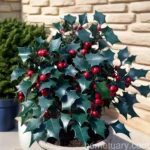
Holly, specifically the ‘Hachfee’ CASTLE SPIRE cultivar of Ilex x meserveae, is a species of holly known for its striking foliage and vibrant red berries. This particular cultivar is celebrated for its compact, upright growth habit, making it a popular choice for landscaping and ornamental purposes.
Key Takeaways – Holly (Ilex x meserveae ‘Hachfee’ CASTLE SPIRE)
- Scientific Name: Ilex x meserveae ‘Hachfee’ CASTLE SPIRE
- Common Name: Holly
- Family: Aquifoliaceae
- Type: Evergreen shrub
Now, let’s embark on a journey to uncover the enchanting characteristics, uses, cultural significance, and care requirements of the captivating holly plant.
Culture
Water
Holly plants generally require moderate to regular watering, particularly during dry periods. When establishing new holly plants, it’s important to ensure that they receive sufficient moisture to facilitate root establishment. However, it’s crucial to avoid waterlogged conditions, as holly plants are susceptible to root rot under such circumstances. Once established, holly plants are relatively drought tolerant, making them an ideal choice for low-maintenance landscapes.
Sunlight
Holly plants thrive in well-drained soil and prefer full sun to partial shade. Adequate sunlight is crucial for the development of a dense, full canopy and the production of an abundance of berries, which are a hallmark of many holly species and cultivars.
Soil
When it comes to soil preferences, holly plants appreciate well-drained, acidic soil. Amending the soil with organic matter can enhance its drainage and fertility, providing an optimal growing medium for holly plants. Additionally, maintaining a slightly acidic pH level is beneficial for the overall health and vitality of holly plants.
Fertilizer
To promote healthy growth and prolific berry production, holly plants can benefit from an annual application of balanced, slow-release fertilizer in early spring. This nourishment aids in sustaining the plant’s vigor and enhancing its ornamental appeal. It’s important to follow the specific fertilizer recommendations based on the holly variety and the soil nutrient levels in the planting area.
Uses
Ornamental Beauty
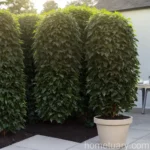
Holly plants are prized for their ornamental value, with their glossy, deep green foliage and vibrant berries adding visual interest to landscapes throughout the year. Whether utilized as standalone specimens, hedges, or foundation plantings, holly’s versatility makes it a popular choice for bringing year-round beauty to gardens and outdoor spaces.
Seasonal Decorations
The iconic red berries of holly plants have long been associated with festive celebrations, particularly during the winter holiday season. Holly branches and berries are used to adorn wreaths, garlands, and arrangements, imparting a traditional and festive ambiance to homes and gatherings.
Wildlife Habitat
Holly plants play a vital role in supporting local wildlife, providing food and shelter for birds during the winter months. The berries of holly are a valuable food source for a variety of bird species, contributing to the ecological balance of the surrounding environment.
Pruning
Proper pruning is essential for maintaining the shape, size, and overall health of holly plants. Pruning should be conducted during the dormant season to minimize stress on the plant and encourage vigorous new growth. When pruning holly plants, it’s important to utilize sharp, sterile tools to create clean cuts that promote rapid healing and reduce the risk of disease transmission.
Pruning Guidelines
- Removal of Dead or Diseased Branches: Eliminating dead or diseased branches not only enhances the plant’s appearance but also prevents the spread of diseases and ensures vitality.
- Shaping and Size Control: Regular pruning helps shape holly plants and restrict their size, making them suitable for various landscaping applications such as hedges, topiaries, or standalone specimens.
- Berry Production: Pruning can also stimulate increased berry production in holly plants, contributing to their ornamental appeal.
Propagation
Holly plants can be propagated through various methods, including seeds, cuttings, and layering. The suitability of each propagation method depends on the specific holly species or cultivar and the desired quantity of new plants. Here are some common propagation techniques for holly:
Seed Propagation
Growing holly from seeds is a straightforward method, but it requires patience, as holly seeds may take a year or more to germinate. It’s important to provide optimal conditions for seed germination, including a moist, well-drained substrate and consistent monitoring of moisture levels and environmental factors.
Cutting Propagation
Utilizing semi-hardwood or hardwood cuttings is a popular method for propagating holly plants. Selecting healthy, disease-free cuttings from established holly plants and providing them with appropriate growing conditions can result in successful propagation and the production of genetically identical plants.
Layering
Layering involves the induction of roots on a stem that is still attached to the parent plant, enabling the creation of new holly plants. This technique is advantageous for maintaining the genetic characteristics of the parent plant and can be particularly useful for propagating specific cultivars with desirable traits.
Container Popularity
The compact growth habit and ornamental appeal of the ‘Hachfee’ CASTLE SPIRE cultivar make it well-suited for container cultivation. Holly plants in containers can adorn patios, balconies, and outdoor living spaces, adding a touch of evergreen elegance to urban and suburban environments. Additionally, container-grown holly plants can be easily incorporated into seasonal displays and outdoor decorations.
Container Care Tips
- Well-Draining Soil: Utilize a well-draining potting mix to ensure adequate drainage and prevent waterlogging, which can be detrimental to holly plants.
- Regular Watering: Container-grown holly plants may require more frequent watering, particularly during hot or windy conditions, to maintain optimal moisture levels.
- Sunlight Exposure: Position containers in a location that receives the appropriate amount of sunlight for the specific holly variety, ensuring the plant’s vitality and ornamental appeal.
Common Diseases
Holly plants are generally resilient and less susceptible to serious disease issues when grown in favorable conditions. However, they can be affected by certain diseases, including:
Tar Spot
Tar spot, caused by the fungus Rhytisma spp., results in black, tar-like spots on holly leaves without substantial harm to the overall health of the plant. While it may cause some aesthetic concern, tar spot typically does not necessitate intervention and generally does not compromise the vigor of holly plants.
Leaf Spot
Leaf spot diseases, caused by various fungal pathogens, can manifest as discolored spots or lesions on holly leaves. Providing adequate air circulation, avoiding overhead watering, and maintaining overall plant health can help mitigate the impact of leaf spot diseases.
Holly Leaf Blight
Holly leaf blight, caused by the fungus Cercospora spp., can lead to leaf spotting, defoliation, and overall stress on holly plants. Proper sanitation, including the removal and disposal of affected leaves, and the application of appropriate fungicidal treatments can assist in managing holly leaf blight.
Disease Diagnosis
Diagnosing and addressing diseases in holly plants require careful observation, familiarity with common symptoms, and potential causal agents. When assessing disease issues in holly, consider the following diagnostic criteria:
- Symptom Identification: Recognize and note any unusual symptoms such as leaf discoloration, spotting, or wilting.
- Environmental Conditions: Evaluate the prevailing environmental factors, including moisture levels, sunlight exposure, and air circulation, which can contribute to disease development.
- Pathogen Examination: If feasible, seek professional diagnosis and pathology testing to identify the specific causal agent and determine targeted management strategies.
Common Pests
While holly plants are relatively resilient, they can encounter occasional pest issues that may impact their aesthetic appeal and overall health. Some common pests affecting holly include:
Spider Mites
Spider mites are tiny arachnids that can infest holly plants, causing stippling on the leaves and webbing in severe cases. Regular monitoring and the application of horticultural oils or insecticidal soaps can help manage spider mite populations and prevent extensive damage.
Scale Insects
Scale insects can affect holly plants, appearing as immobile, waxy coverings on leaves and stems. Introducing natural predators, such as ladybugs or predatory insects, can aid in controlling scale infestations and preserving the health of holly plants.
Leafminers
Leafminers are small larvae that tunnel inside holly leaves, resulting in visible, winding trails. Regular inspection, the removal of affected foliage, and the application of appropriate insecticides can alleviate leafminer damage and promote holly plant health.
Botanist’s Tips
Here are some expert tips for successfully growing and caring for holly plants:
- Choose Suitable Varieties: Select holly varieties that are well-suited to the local climate and environmental conditions, ensuring their resilience and long-term vitality.
- Maintenance Practices: Implement a regular maintenance schedule, including pruning, fertilizing, and soil management, to sustain the vigor and ornamental appeal of holly plants.
- Integrated Pest Management: Embrace integrated pest management strategies, incorporating cultural, biological, and targeted chemical controls when addressing pest issues in holly plantings.
Fun Facts
- Holly plants have been associated with various cultural and religious traditions for centuries, symbolizing life, protection, and renewal in different societies and belief systems.
- In folklore, holly has often been linked to winter solstice celebrations and believed to ward off evil spirits and bring good fortune.
- While holly berries are visually appealing, they are toxic to humans and should not be consumed. However, they provide important sustenance for wildlife during the winter months.
Links to External Resources
For further information on Holly (Ilex x meserveae ‘Hachfee’ CASTLE SPIRE) and related topics, explore the following external resources:
- Royal Horticultural Society – Ilex x meserveae ‘Hachfee’ CASTLE SPIRE
- University of Florida IFAS Extension – Holly Cultivars for North Florida
- American Holly Society
- North Carolina State University Extension – Growing American Hollies
In conclusion, holly (Ilex x meserveae ‘Hachfee’ CASTLE SPIRE) stands as a captivating and culturally significant plant, enriching landscapes and traditions with its enduring charm and symbolism. Its resilient nature, ornamental beauty, and diverse applications make it a cherished addition to gardens, natural areas, and seasonal festivities. Whether adorning winter landscapes with its iconic red berries or serving as a year-round evergreen backdrop, holly continues to captivate hearts and inspire admiration for its timeless allure.
By understanding the cultural significance, care requirements, and horticultural potential of holly, we can appreciate and celebrate this enduring botanical gem that enriches our natural and cultural landscapes.