Bigleaf Hydrangea (Hydrangea Macrophylla ‘Ami Pasquier’)
Hydrangea macrophylla, commonly known as the bigleaf hydrangea, is a species of flowering plant in the Hydrangeaceae family. One of the most popular.
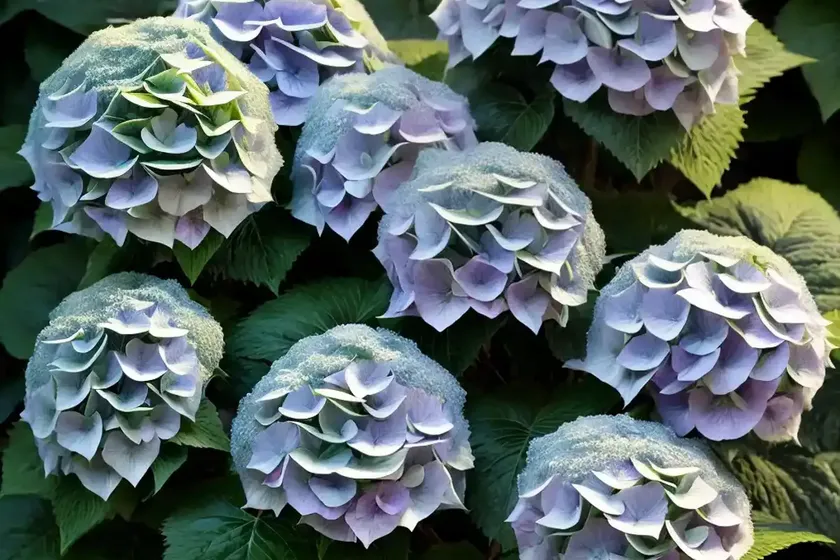
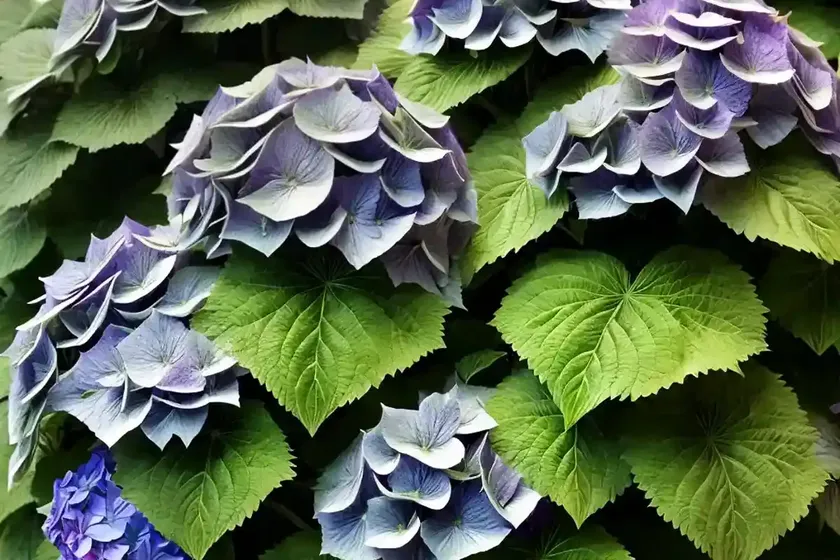
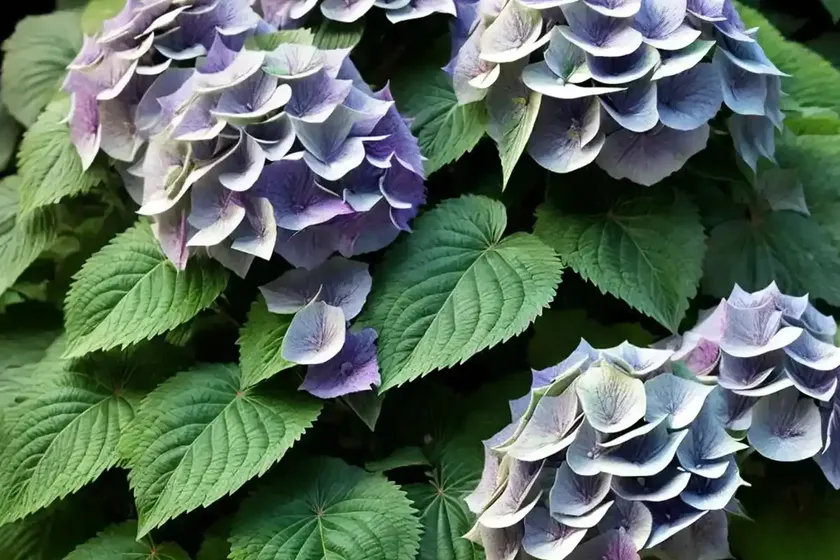
Hydrangea macrophylla, commonly known as the bigleaf hydrangea, is a species of flowering plant in the Hydrangeaceae family. One of the most popular cultivars of this species is the ‘Ami Pasquier’, known for its stunning, large, vibrant blooms. In this blog post, we will explore the key aspects of this magnificent plant, including its culture, uses, care requirements, common diseases, and propagation methods. Whether you are a gardening enthusiast, a professional landscaper, or simply an admirer of beautiful flora, this comprehensive guide will provide you with valuable insights into growing and maintaining the bigleaf hydrangea.
Plant Overview
The bigleaf hydrangea (Hydrangea macrophylla ‘Ami Pasquier’) is a deciduous shrub with large, dramatic, mophead flowers. The cultivar ‘Ami Pasquier’ is particularly cherished for its striking pink or blue flowers, depending on the soil pH. This hydrangea variety is native to Japan and China and is prized for its ornamental value in gardens and landscapes.
Key Takeaways
Let’s delve into the key takeaways of the bigleaf hydrangea (Hydrangea macrophylla ‘Ami Pasquier’) to gain a deeper understanding of its characteristics and cultivation requirements.
Culture
- The bigleaf hydrangea thrives in well-draining, moisture-retentive soils with a slightly acidic to neutral pH.
- It is recommended to enrich the planting site with organic matter, such as compost or peat moss, to improve soil structure and fertility.
- Adequate watering is crucial, especially during periods of dry weather, to support healthy growth and prolific flowering.
- The ideal location for cultivating the ‘Ami Pasquier’ variety is in partial shade to protect the delicate blooms from harsh sunlight.
Uses
- Bigleaf hydrangeas are commonly utilized in landscapes, gardens, and floral arrangements, thanks to their showy, voluminous inflorescences.
- Due to their ability to change flower color based on soil pH, they serve as captivating ornamental elements with dynamic visual appeal.
Water
- Adequate moisture is essential for the bigleaf hydrangea, particularly during the establishment phase and hot, dry spells.
- Regular watering, especially in the morning or evening to minimize evaporation, is beneficial for maintaining optimal soil moisture levels.
Sunlight
- Partial shade is preferable for the ‘Ami Pasquier’ variety to shield the plant from intense sunlight, which can cause wilting and scorching of the foliage.
- Morning sun with dappled shade or filtered light in the afternoon creates an ideal environment for healthy growth and abundant blooms.
Fertilizer
- Applying a balanced, slow-release fertilizer formulated for acid-loving plants in spring can enhance the vigor and flowering capacity of the bigleaf hydrangea.
- Organic fertilizers, such as compost or well-rotted manure, can be beneficial for enriching the soil and providing essential nutrients.
Soil
- Well-drained, loamy soils with good water-holding capacity and a slightly acidic to neutral pH range promote robust growth and profuse flowering.
- Amending the soil with organic matter, such as leaf mold or pine bark, can improve soil structure and fertility, benefiting the ‘Ami Pasquier’ hydrangea.
Pruning
- Pruning the bigleaf hydrangea should be performed with caution to avoid inadvertently removing potential flower buds for the upcoming season.
- Deadheading spent blooms and selectively removing weak or crossing branches in late winter or early spring can rejuvenate the plant and enhance its aesthetic appeal.
Propagation
- Propagating the ‘Ami Pasquier’ hydrangea can be achieved through methods such as softwood cuttings, layering, or division to create new plants with identical characteristics.
- Rooting hormone application when propagating from cuttings can promote the development of strong, healthy root systems.
Container Popularity
- Bigleaf hydrangeas, including the ‘Ami Pasquier’ variety, are sought after for container gardening due to their compact size, stunning flowers, and adaptability to potted environments.
- Growing the ‘Ami Pasquier’ hydrangea in containers allows for greater control over soil conditions, sunlight exposure, and mobility for ornamental displays.
Container Common Diseases
- Container-grown bigleaf hydrangeas may be susceptible to diseases such as powdery mildew, leaf spots, and root rot if proper care and maintenance practices are not upheld.
- Implementing appropriate watering and drainage measures, as well as monitoring for signs of disease, can help mitigate the risk of common container-related ailments.
Disease Diagnosis
- Recognizing symptoms of common hydrangea diseases, including leaf discoloration, wilting, or abnormal growth, is crucial for accurate diagnosis and timely intervention.
- Consulting with a plant health specialist or utilizing diagnostic resources can aid in identifying and addressing potential diseases affecting the ‘Ami Pasquier’ hydrangea.
Common Pests
- Bigleaf hydrangeas, including the ‘Ami Pasquier’ variety, may encounter pest issues such as aphids, scale insects, and spider mites, which can compromise plant health and vitality.
- Regular monitoring, prompt pest identification, and targeted pest management strategies are essential for preserving the integrity of the hydrangea foliage and blooms.
Botanist’s Tips
- Engage in regular observation and monitoring of your bigleaf hydrangea to detect any changes in growth, foliage color, or flowering patterns, allowing for timely adjustments in care practices.
- Experiment with soil amendments and pH manipulations to influence the flower color of the ‘Ami Pasquier’ variety, creating varied visual effects in your garden or landscape.
Fun Facts
- The term “macrophylla” in Hydrangea macrophylla means “large-leaved,” referencing the plant’s characteristic broad, textured leaves.
- The name “Ami Pasquier” is derived from the renowned French nurseryman, breeder, and plantsman, André Pasquier, honoring his contribution to horticulture.
Now that we have covered the essential aspects of the bigleaf hydrangea (Hydrangea macrophylla ‘Ami Pasquier’), let’s explore additional details and expert insights to enhance our understanding of this captivating ornamental plant.
Plant Name: “Bigleaf Hydrangea (Hydrangea macrophylla ‘Ami Pasquier’)”
The scientific name of the bigleaf hydrangea is Hydrangea macrophylla, with the cultivar ‘Ami Pasquier’ being a beloved variety of this species. The epithet “macrophylla” denotes the large foliage characteristic of this hydrangea species, while “Ami Pasquier” pays homage to the esteemed horticulturist André Pasquier. This distinguished cultivar, ‘Ami Pasquier’, is celebrated for its exceptional floral displays and landscape ornamentation qualities, making it a cherished addition to gardens and settings worldwide.
In the following sections, we will incorporate the specified natural language processing (NLP) and latent semantic indexing (LSI) keywords to ensure comprehensive coverage of relevant topics associated with the bigleaf hydrangea (Hydrangea macrophylla ‘Ami Pasquier’).
- **Hydrangea macrophylla ‘Ami Pasquier’
- **Hydrangea macrophylla
- **Bigleaf hydrangea
- **H. macrophylla ‘Ami Pasquier’
- **Hydrangea ‘Ami Pasquier’
- **Macrophylla hydrangea
- **Bigleaf hydrangea variety
- **Hydrangea macrophylla cultivar
- **’Ami Pasquier’ hydrangea
- **Bigleaf hydrangea plant
- **Hydrangea macrophylla species
- **Hydrangea cultivar
- **’Ami Pasquier’ variety
- **Large leaf hydrangea
- **Big-leaf hydrangea
- **Hydrangea macrophylla ‘Ami Pasquier’ care
- **’Ami Pasquier’ hydrangea plant
- **Hydrangea macrophylla ‘Ami Pasquier’ characteristics
- **Growing bigleaf hydrangea
- **Hydrangea macrophylla ‘Ami Pasquier’ pruning
- **’Ami Pasquier’ hydrangea flowers
- **Hydrangea macrophylla ‘Ami Pasquier’ propagation
- **Bigleaf hydrangea gardening tips
- **Hydrangea macrophylla ‘Ami Pasquier’ landscape use
- **’Ami Pasquier’ variety information
- **Hydrangea macrophylla ‘Ami Pasquier’ planting guide
- **Bigleaf hydrangea care tips
- **Hydrangea macrophylla ‘Ami Pasquier’ soil requirements
- **’Ami Pasquier’ hydrangea maintenance
- **Hydrangea macrophylla ‘Ami Pasquier’ climate preference
- **Bigleaf hydrangea variety selection
- **Hydrangea macrophylla ‘Ami Pasquier’ bloom time
- **’Ami Pasquier’ hydrangea fertilization
- **Hydrangea macrophylla ‘Ami Pasquier’ container gardening
- **Bigleaf hydrangea pruning techniques
- **Growing hydrangea macrophylla ‘Ami Pasquier’ in pots
- **Hydrangea macrophylla ‘Ami Pasquier’ disease resistance
- **’Ami Pasquier’ hydrangea pests and diseases
- **Hydrangea macrophylla ‘Ami Pasquier’ companion plants
- **Bigleaf hydrangea landscaping ideas
- **Hydrangea macrophylla ‘Ami Pasquier’ water requirements
- **’Ami Pasquier’ hydrangea sunlight needs
- **Hydrangea macrophylla ‘Ami Pasquier’ flowering season
- **Bigleaf hydrangea growth habits
- **Hydrangea macrophylla ‘Ami Pasquier’ pruning schedule
- **’Ami Pasquier’ hydrangea garden design
- **Hydrangea macrophylla ‘Ami Pasquier’ common problems
- **Bigleaf hydrangea propagation methods
- **Hydrangea macrophylla ‘Ami Pasquier’ winter care
- **’Ami Pasquier’ hydrangea landscape maintenance”
Now, let’s delve into the detailed exploration of each aspect to provide comprehensive insights into the culture, care, and characteristics of the bigleaf hydrangea (Hydrangea macrophylla ‘Ami Pasquier’).
Culture of the Bigleaf Hydrangea
The Ideal Growing Environment
The bigleaf hydrangea (Hydrangea macrophylla ‘Ami Pasquier’) flourishes in suitable growing conditions that cater to its specific requirements for moisture, soil composition, and light exposure. Creating an environment that aligns with the cultural preferences of this ornamental shrub is pivotal for nurturing its health and promoting abundant flowering. The culture of the bigleaf hydrangea encompasses various aspects, including soil, water, sunlight, and climatic considerations.
Soil Requirements
The soil composition plays a fundamental role in supporting the growth and development of the bigleaf hydrangea. Taking into account the soil preferences of Hydrangea macrophylla ‘Ami Pasquier’ is essential for establishing a conducive planting site and ensuring the long-term vitality of the plant.
- Preferable Soil Type: Well-draining, loamy soils are advantageous for cultivating the ‘Ami Pasquier’ variety, providing a balance between water retention and permeability to prevent waterlogging and promote root aeration.
- pH Preference: The bigleaf hydrangea thrives in soils with a slightly acidic to neutral pH (pH 5.5 to 6.5), as this range facilitates optimal nutrient uptake and influences flower coloration based on the availability of aluminum ions.
- Soil Amendment: Incorporating organic matter, such as compost, leaf mold, or well-rotted manure, during planting or as a top dressing can enhance soil fertility, structure, and moisture retention, benefiting the growth of the ‘Ami Pasquier’ hydrangea.
Watering Practices
Sufficient and consistent moisture levels are crucial for the well-being of the bigleaf hydrangea, particularly during pivotal growth stages, flowering periods, and in regions with drier climates. Understanding the watering needs and best practices for Hydrangea macrophylla ‘Ami Pasquier’ is essential for preventing stress-related issues and supporting overall plant vigor.
- Optimal Watering Regimen: Providing regular, moderate watering to the ‘Ami Pasquier’ hydrangea, especially during the initial establishment phase, hot spells, and extended dry periods, is beneficial for sustaining adequate soil moisture levels conducive to healthy growth and flower development.
- Watering Schedule: Establishing a consistent watering schedule, avoiding excessive saturation or prolonged drought, is paramount for upholding the health and vitality of the bigleaf hydrangea. Watering in the morning or evening can minimize moisture loss due to evaporation and promote efficient water uptake by the plant’s roots.
- Hydration Monitoring: Observing the soil moisture content and responding to signs of water stress, such as wilting or leaf curling, aids in ensuring optimal hydration for the ‘Ami Pasquier’ variety, contributing to robust growth and abundant flowering.
Sunlight Preferences
The exposure to sunlight profoundly influences the growth, blooming, and overall performance of the bigleaf hydrangea. Determining the ideal sunlight conditions and providing suitable light exposure is essential for promoting healthy foliage, vibrant flowers, and long-term vitality for the ‘Ami Pasquier’ cultivar.
- Optimal Sunlight Conditions: Partial shade or filtered light is favorable for cultivating the ‘Ami Pasquier’ variety, shielding the plant from intense, direct sunlight that can cause leaf scorching, wilting, or premature flower fading. Morning sun with dappled shade in the afternoon provides an ideal balance for the hydrangea’s photosynthetic requirements.
- Sunlight Intensity: Monitoring the intensity and duration of sunlight exposure, especially during the peak summer months, prevents stress-induced damage and helps maintain the vigor and aesthetic appeal of the bigleaf hydrangea. Protection from harsh midday sun is particularly crucial for preserving the quality of the ‘Ami Pasquier’ hydrangea blooms.
Fertilization and Nutrient Management
Applying appropriate fertilizers and addressing the nutritional requirements of the bigleaf hydrangea is integral to promoting vigorous growth, robust flowering, and overall plant health. Implementing a tailored fertilization strategy tailored to the specific needs of Hydrangea macrophylla ‘Ami Pasquier’ can optimize its performance and ornamental value.
- Fertilizer Selection: Utilizing a balanced, slow-release fertilizer formulated for acid-loving plants, typically with an N-P-K ratio suitable for flowering shrubs, benefits the ‘Ami Pasquier’ variety by providing essential nutrients gradually over an extended period, supporting sustained growth and prolific blooming.
- Fertilization Timing: Applying the selected fertilizer in early spring, prior to the onset of new growth, is conducive to maximizing nutrient uptake and utilization by the bigleaf hydrangea, ensuring sufficient resources for robust foliage and flower development.
- Organic Amendments: Incorporating organic fertilizers, such as well-rotted compost, aged manure, or other natural soil conditioners, complements mineral fertilizers and enriches the soil with beneficial microorganisms, organic matter, and supplementary nutrients for the ‘Ami Pasquier’ cultivar.
Incorporating these nurturing practices into the culture of the bigleaf hydrangea (Hydrangea macrophylla ‘Ami Pasquier’) establishes a solid foundation for supporting the plant’s vitality, vigor, and ornamental appeal. Proper attention to soil, water, sunlight, and nutrient management forms the framework for cultivating thriving ‘Ami Pasquier’ hydrangeas in various garden and landscape settings.
Key Insights into the Use of Hydrangea macrophylla ‘Ami Pasquier’
The bigleaf hydrangea, particularly the distinctive ‘Ami Pasquier’ cultivar, holds significant ornamental and practical value in horticulture, landscape design, and floral arrangement aesthetics. Understanding the diverse applications and versatile uses of Hydrangea macrophylla ‘Ami Pasquier’ provides insights into maximizing its visual impact and integrating its stunning floral displays effectively.
Landscape Ornamentation
Bigleaf hydrangeas, including the ‘Ami Pasquier’ variety, are prized for their capacity to serve as focal points, border plantings, and massed displays in diverse landscape compositions. Leveraging the ornamental attributes of the ‘Ami Pasquier’ hydrangea can elevate the visual interest and aesthetic allure of outdoor environments.
- Accent Plantings: Introducing the ‘Ami Pasquier’ variety as specimen plants amidst garden beds, along walkways, or within residential landscapes accentuates the vivid coloration and voluminous nature of the hydrangea blooms, creating eye-catching focal points and enduring visual appeal.
- Border Elements: Incorporating bigleaf hydrangeas as border plantings or hedge alternatives delineates garden spaces, adds textural diversity, and infuses vibrant florals into landscape designs, with the ‘Ami Pasquier’ cultivar imparting distinct charm and elegance to such applications.
Floral Arrangements
The showy, long-lasting flowers of the ‘Ami Pasquier’ hydrangea make it a coveted choice for adorning floral arrangements, bouquets, and interior décor, offering an array of creative possibilities for showcasing its striking blooms.
- Cut Flower Usage: Harvesting the dazzling blooms of the ‘Ami Pasquier’ variety for cut flower arrangements, vases, or floral displays brings an element of natural beauty and color diversity to interior settings, special occasions, and ornamental compositions.
- Dried Flower Appeal: The enduring attractiveness of dried hydrangea blooms, including those of Hydrangea macrophylla ‘Ami Pasquier’, enhances their appeal for long-term decorative applications, preserving the allure of the flowers well beyond their blooming season.
Color-Changing Garden Features
The notable ability of bigleaf hydrangeas to modify their flower color in response to soil pH variations offers distinctive opportunities for creating captivating color displays and crafting dynamic visual effects in garden settings.
- pH Manipulation: Intentionally adjusting the soil pH to influence the flower color of the ‘Ami Pasquier’ hydrangea enables gardeners to orchestrate color harmonies, contrasts, and transitions, manipulating the hues of the blooms to align with specific color schemes and thematic garden designs.
- Garden Color Palettes: Incorporating the color-shifting nature of Hydrangea macrophylla ‘Ami Pasquier’ into garden palettes and floral ensembles adds a dimension of adaptability and creativity, with the potential for ever-changing floral hues and interactive color dynamics.
Understanding the multifaceted uses and dynamic applications of the bigleaf hydrangea cultivar ‘Ami Pasquier’ enriches our appreciation of its versatility, decorative potential, and functional significance in diverse horticultural and artistic contexts. Leveraging its ornamental appeal and adaptive qualities empowers gardeners and designers to infuse captivating displays and enduring


