Inkberry (Ilex glabra): The Evergreen Shrub for Your Landscape
In the world of landscaping, inkberry (Ilex glabra) is a star player. As an evergreen shrub, this plant offers year-round interest with its glossy foliage and small black berries. Its versatility makes it a popular choice for various landscaping designs, from formal hedges to naturalized woodland gardens. This blog post will explore the details of inkberry, including its culture, uses, care requirements, common diseases, pests, and propagation techniques. Whether you are a gardening enthusiast, a professional landscaper, or someone looking to enhance your outdoor space, understanding the intricacies of inkberry can help you make the most of this beautiful plant.
Key Takeaways – Inkberry (Ilex glabra)
Before delving deeper into the specifics of inkberry, let’s consider some key takeaways regarding this versatile shrub. Here are the essential points to remember about inkberry:
- Inkberry, scientifically known as Ilex glabra, is an evergreen shrub prized for its glossy foliage and black berries.
- It is valued in landscaping for its adaptability to various environmental conditions and its role in providing year-round interest in gardens.
- Inkberry can be used in multiple ways, including as a hedge plant, a specimen shrub, or as part of mixed plantings.
- Proper care, including attention to water, sunlight, soil, and pruning needs, is essential for maintaining the health and vigor of inkberry plants.
- Like any plant, inkberry is susceptible to certain diseases and pests, so understanding these potential issues is crucial for effective management.
Let’s now explore each of these aspects in detail to gain a comprehensive understanding of inkberry and how to best cultivate and care for this attractive shrub.
What is Inkberry (Ilex glabra)?
Inkberry, or Ilex glabra, is a species of evergreen shrub native to eastern North America. It is a member of the holly family, Aquifoliaceae, and is commonly found in wetlands, swamps, and coastal areas. The plant is known for its dense, bushy growth habit and its small, leathery, dark green leaves. Unlike some other holly species, inkberry lacks the spiny leaves typically associated with hollies, making it a more approachable and user-friendly option for landscaping.
The common name “inkberry” is derived from the deep purple to black berries that appear on the female plants in the fall and persist through the winter. While these berries may not be palatable to humans, they are a valuable food source for birds, adding ecological value to the landscape. Inkberry typically grows in a mounded or upright manner and can reach a height and spread of 6 to 8 feet, making it suitable for a variety of garden settings.
Culture
Understanding the cultural needs of inkberry is essential for successfully integrating it into your landscape. From its preferred growing conditions to its overall habitat and environmental requirements, every aspect plays a crucial role in the overall health and vigor of the plant.
Habitat
In its native habitat, inkberry is commonly found in wetlands, swamps, and coastal areas. It thrives in moist, acidic soils and is often spotted alongside streams or in wooded areas. This natural habitat provides valuable insights into the plant’s cultural requirements, guiding our efforts to create similar growing conditions in our cultivated landscapes.
Uses
Inkberry has a range of uses in the landscape, making it a versatile and valuable addition to garden designs. Consider the following potential uses for inkberry in your landscape:
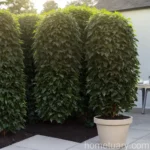
- Hedge Plant: Due to its dense growth habit and tolerance of shearing, inkberry is commonly used as a hedge plant. It can be maintained at various heights and shapes, offering both formal and informal hedge options.
- Specimen Shrub: As a standalone plant, inkberry serves as an attractive specimen shrub, particularly in mixed borders or woodland gardens. Its glossy foliage and black berries make it an eye-catching focal point.
- Mixed Plantings: Inkberry can be integrated into mixed plantings, including both shrubs and perennials, to provide structure, texture, and year-round interest.
Water
Proper water management is critical for the health and vitality of inkberry plants. While inkberry is known for its adaptability to wetter conditions, it is also capable of thriving in well-drained soils. Understanding the water needs of inkberry and providing appropriate irrigation is essential for promoting healthy growth and berry production.
Sunlight
Inkberry is adaptable when it comes to sunlight requirements. While it prefers full sun to partial shade, it can also tolerate shade, making it a versatile option for a range of garden settings. Understanding the specific sunlight needs of inkberry in your region can help ensure the plant’s overall vigor and productivity.
Fertilizer
Fertilization requirements for inkberry are influenced by factors such as soil quality, plant age, and overall growth rate. By understanding the specific fertility needs of inkberry and providing appropriate nutrients, you can support robust growth and berry production, ensuring that the plant thrives in your landscape.
Soil
Inkberry has specific soil preferences that should be considered when establishing it in your landscape. Understanding the soil requirements of inkberry is crucial for creating a supportive growing environment for the plant. Factors such as soil acidity, texture, and drainage all play a role in the overall health and productivity of inkberry shrubs.
Pruning
Pruning is an important aspect of inkberry care, contributing to the plant’s health, appearance, and overall performance in the landscape. Understanding the timing, techniques, and goals of pruning can help you maintain attractive, well-shaped inkberry shrubs in your garden.
Propagation
Understanding how to propagate inkberry is valuable for both home gardeners and professional landscapers. Whether you’re looking to create new plants for your own garden or expand your nursery’s inventory, mastering the propagation techniques for inkberry is an essential skill.
Container Popularity
In addition to its role in traditional landscape plantings, inkberry is also well-suited for container gardening. Understanding the specific considerations and techniques for growing inkberry in containers can open up new opportunities for cultivating this attractive shrub in various garden settings.
Container Common Diseases
While inkberry is generally a low-maintenance plant, it can be susceptible to certain diseases, particularly when grown in containers. Understanding these potential issues and knowing how to diagnose and manage container-specific diseases is essential for successfully growing inkberry in pots and other confined spaces.
Disease Diagnosis
Identifying and diagnosing diseases in inkberry is a crucial skill for plant health management. By understanding the symptoms and causes of common inkberry diseases, you can implement effective control measures to prevent the spread and impact of these issues in your landscape.
Common Pests
Like many plants, inkberry is susceptible to certain pests that can impact its health and appearance. By familiarizing yourself with the common pests of inkberry and understanding their lifecycle and habits, you can take proactive steps to manage and control these potential threats in your garden.
Botanist’s Tips
As a plant scientist, I’m excited to share some expert tips for growing and caring for inkberry. These insights are informed by my knowledge of plant biology, horticulture, and the specific characteristics of inkberry. By incorporating these tips into your approach to inkberry care, you can optimize the health, beauty, and longevity of these valuable shrubs in your landscape.
Fun Facts
To round out our exploration of inkberry, here are some fun and interesting facts about this versatile shrub. From historical uses to ecological value, these intriguing tidbits shed light on the unique qualities and contributions of inkberry to our gardens and natural environments.
Links to External Resources
To provide a comprehensive and informative discussion of inkberry, it’s important to include links to external resources that offer additional insights, guidance, and detailed information about this plant. These resources can complement the content of this blog post, providing readers with a wealth of valuable knowledge and perspectives on inkberry and its care.
Plant Name: “inkberry (Ilex glabra)”
Conclusion
In conclusion, inkberry (Ilex glabra) is a valuable and versatile addition to the landscape, offering year-round interest, wildlife value, and adaptability to a range of growing conditions. By understanding the cultural needs, care requirements, and potential challenges associated with inkberry, you can cultivate healthy, attractive shrubs that enhance the beauty and ecological value of your outdoor spaces. Whether you’re considering inkberry for its role in formal hedges, mixed borders, or container gardens, the insights shared in this blog post can guide your approach to successfully integrating this remarkable evergreen shrub into your landscape. Celebrated for its glossy foliage, dark berries, and overall resilience, inkberry stands as a testament to the beauty and diversity of the plant kingdom.
References
Mahr, Susan; Wisconsin Master Gardener Program (file 6.10680) [CC BY 3.0 (https://creativecommons.org/licenses/by/3.0)]
Peaslee, Peggy; Maine Department of Conservation; Bugwood.org [CC BY 3.0 US (https://creativecommons.org/licenses/by/3.0/us/)]
Schechter, Jill; U.S. Fish and Wildlife Service [Public domain]