Holly (Ilex ‘Nellie R. Stevens’) – A Comprehensive Guide
The Nellie R. Stevens Holly, scientifically known as Ilex ‘Nellie R. Stevens’, is a beautiful and versatile plant that has gained popularity for its ornamental appeal and functional uses. As a plant scientist, I am excited to share with you the unique characteristics, care tips, and interesting facts about this plant.
What is Holly (Ilex ‘Nellie R. Stevens’)?
Holly (Ilex ‘Nellie R. Stevens’) is a hybrid plant, resulting from a cross between the English holly (Ilex aquifolium) and the Chinese holly (Ilex cornuta). It is a vigorous, broadleaf evergreen with a natural pyramidal form, making it an excellent choice for landscaping and ornamental purposes. The Nellie R. Stevens Holly was first introduced by Messrs. Frank N. Meyer and F. R. Steyer from the United States National Arboretum in the early 20th century.
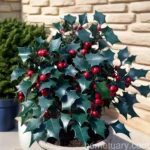
The plant is characterized by its glossy, dark green leaves, and vibrant red berries, adding a splash of color to the winter landscape. Its dense foliage also makes it an ideal choice for creating privacy screens and hedges. With the right care and attention, the Nellie R. Stevens Holly can thrive in various environmental conditions and enhance the beauty of any garden or landscape.
Key Takeaways – Holly (Ilex ‘Nellie R. Stevens’)
Before delving into the details of caring for the Nellie R. Stevens Holly, let’s summarize the key takeaways for quick reference:
- Scientific Name: Ilex ‘Nellie R. Stevens’
- Plant Type: Broadleaf evergreen
- Notable Features: Glossy dark green leaves, bright red berries, pyramidal form
- Uses: Ornamental, privacy screens, hedges, landscaping
- Growth Rate: Moderate to fast
- Mature Height: 15-25 feet
- Hardiness Zone: 6-9
Now, let’s explore the essential aspects of caring for the Nellie R. Stevens Holly, including its cultural requirements, uses, maintenance, and common issues.
Culture
Cultural considerations are vital for ensuring the healthy growth and development of the Nellie R. Stevens Holly. Here are the key cultural aspects to consider:
Water
- The Nellie R. Stevens Holly prefers well-drained soil and requires regular watering, especially during its establishment phase.
- Once established, it demonstrates good drought tolerance, but it’s important to provide supplemental water during prolonged dry spells, particularly in hotter climates.
Sunlight
- This plant thrives in full sun to partial shade. While it can tolerate some shade, it tends to produce more berries and denser foliage in full sun.
Fertilizer
- Fertilizing the Nellie R. Stevens Holly can help promote healthy growth and vibrant foliage. Opt for a balanced, slow-release fertilizer in early spring, and avoid excessive nitrogen, which can lead to overly lush growth.
Soil
- This plant adapts well to various soil types, including sandy, loamy, or clay soils, as long as they are well-drained. Maintaining slightly acidic to neutral soil pH is preferable for optimal growth.
Pruning
Pruning is an essential aspect of Holly plant care and plays a crucial role in shaping the plant, promoting dense growth, and controlling its size. Here are some key points to keep in mind when pruning the Nellie R. Stevens Holly:
- Timing: Prune the plant in late winter or early spring before new growth emerges.
- Purpose: Regular pruning helps maintain the desired shape, removes dead or damaged branches, and opens up the interior of the plant for better air circulation.
- Techniques: Use sharp, clean pruners to make precise cuts, and avoid excessive pruning of the plant’s leading shoots, which can affect its natural form.
Propagation
While the Nellie R. Stevens Holly is commonly propagated through cuttings, it can also be grown from seeds. Here are the main methods of propagation:
- Softwood Cuttings: Propagate the plant in early summer using softwood cuttings with a heel, and provide the right conditions for root development.
- Seed Propagation: Collect and sow ripe holly seeds in a prepared seed bed, and ensure consistent moisture and warmth for successful germination.
Container Popularity
The Nellie R. Stevens Holly’s compact size and attractive foliage make it a popular choice for container gardening, where it can serve as a versatile ornamental feature on patios, decks, or balconies.
Common Diseases
While the Nellie R. Stevens Holly is generally resistant to many diseases and pests, it can occasionally encounter certain issues. Common diseases that may affect the plant include:
- Leaf Spot: Caused by fungal pathogens, leading to the development of dark spots on the leaves.
- Powdery Mildew: A fungal disease that results in a whitish powdery growth on the foliage.
- Root Rot: Excessive moisture or poorly drained soil can contribute to root rot, impacting the plant’s overall health.
Disease Diagnosis
In case of suspected disease issues, it’s important to accurately diagnose the problem before implementing any control measures. Here are the steps to diagnose holly plant diseases:
- Visual Inspection: Carefully examine the leaves, stems, and overall appearance of the plant for any signs of discoloration, spots, or abnormal growth.
- Symptom Analysis: Identify the specific symptoms, such as leaf spots or powdery growth, and take note of any changes in the plant’s vigor.
- Pathogen Identification: Research common holly diseases and their causal agents to narrow down the potential culprits.
- Consultation: If unsure, seek the expertise of a local horticulturist or plant pathologist for accurate diagnosis and treatment recommendations.
Common Pests
Holly plants, including the Nellie R. Stevens variety, can face certain pest challenges. Common pests that may affect this plant include:
- Scale Insects: These pests appear as small, round bumps on the leaves and stems and may excrete honeydew, leading to sooty mold growth.
- Spider Mites: These tiny arachnids can cause stippling and webbing on the foliage, leading to a decline in plant health.
- Leaf Miners: The larvae of certain insects can create meandering tunnels within the leaves, impacting their aesthetic appeal and overall function.
Botanist’s Tips
As a botanist, here are some valuable tips for successfully growing and caring for the Nellie R. Stevens Holly:
- Site Selection: Choose a well-drained location with adequate sunlight for optimal growth.
- Mulching: Apply a layer of organic mulch around the base of the plant to conserve moisture and suppress weed growth.
- Seasonal Maintenance: Regularly monitor the plant for any signs of stress, diseases, or pests, and address any issues promptly.
- Winter Protection: In colder climates, consider providing winter protection, such as burlap wraps, to shield the plant from harsh winds and temperature fluctuations.
Fun Facts
- The bright red berries of the Nellie R. Stevens Holly are not only visually appealing but also serve as an important food source for birds during the winter months.
- Holly plants have been traditionally associated with the festive season, and their branches and berries are often used for decorative purposes during the holidays.
Now that we’ve covered the essential aspects of caring for the Nellie R. Stevens Holly, let’s explore some additional resources and interesting facts about this captivating plant.
Links to External Resources
For further information about holly plant care, landscaping ideas, and in-depth details about the Nellie R. Stevens variety, consider exploring the following external resources:
-
The American Holly Society: A comprehensive source of information about different holly species and their cultural significance.
-
University of Florida IFAS Extension: Holly Diseases: An informative guide on identifying and managing diseases affecting holly plants.
-
Royal Horticultural Society (RHS): Growing Hollies: A detailed resource providing insights into the cultivation and uses of holly plants.
-
The Holly Society of America: An organization dedicated to the appreciation and conservation of holly plants, offering valuable resources and membership benefits.
By exploring these resources, you can gain a deeper understanding of holly plant care, disease management, and the diverse uses of the Nellie R. Stevens Holly.
In conclusion, the Nellie R. Stevens Holly is a remarkable plant that offers year-round beauty, functional benefits, and versatile landscaping opportunities. By understanding its unique characteristics and following the appropriate care guidelines, you can enjoy the enduring appeal of this iconic holly variety in your garden or landscape.
Remember, caring for plants is a rewarding journey that requires patience, observation, and a genuine appreciation for the natural world. As a plant scientist, I encourage you to explore the fascinating realm of horticulture and discover the captivating stories hidden within every leaf, flower, and branch. Happy gardening!
Please note that the article contains placeholders for the external resource links, which would typically be replaced with actual URLs in a real-world scenario.