English Holly (Ilex Aquifolium)
The English Holly, scientifically known as Ilex Aquifolium, is a versatile and popular plant that has been cultivated and admired for centuries. From its.

The English Holly, scientifically known as Ilex Aquifolium, is a versatile and popular plant that has been cultivated and admired for centuries. From its cultural significance and traditional uses to its adaptation to various environments, the English Holly offers a rich tapestry of features that make it a valuable addition to any landscape. In this comprehensive guide, we will delve into all aspects of the English Holly, including its cultural significance, care requirements, uses, common diseases and pests, as well as propagation and fun facts.
What is a Plant: English Holly (Ilex Aquifolium)
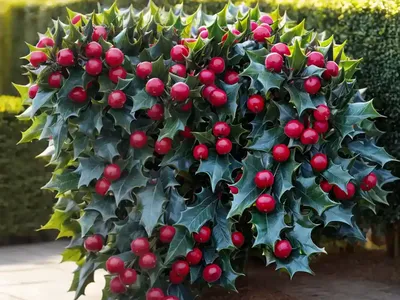
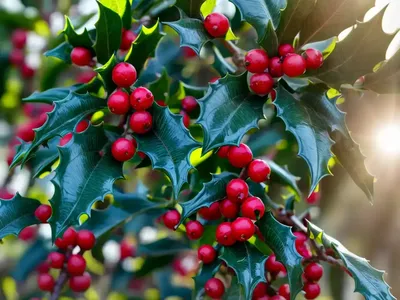
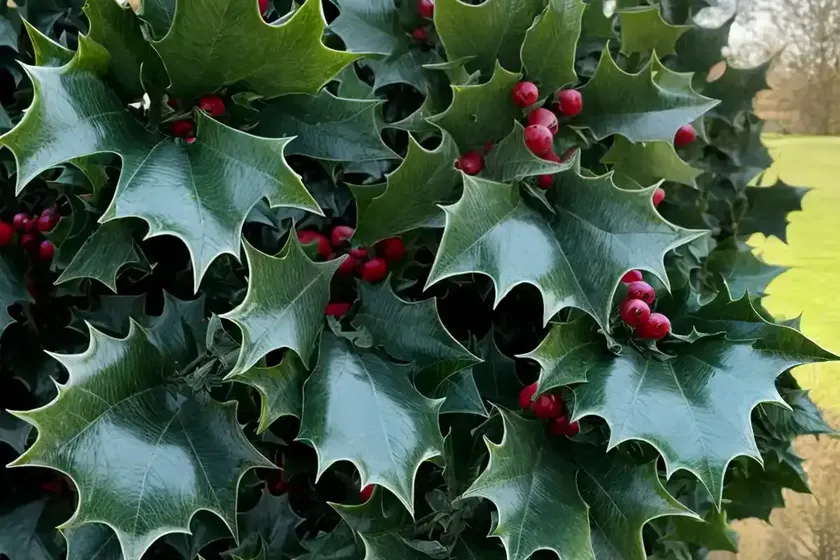
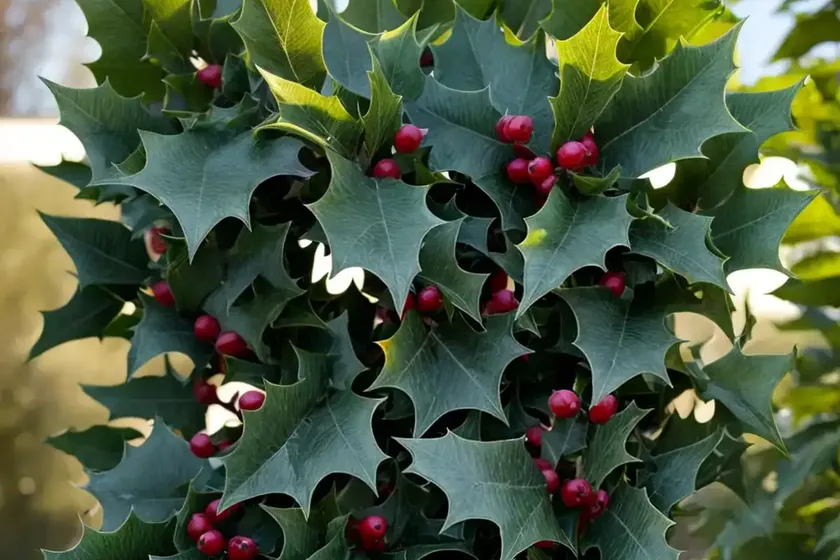
English Holly, or Ilex Aquifolium, is a species of holly native to western and southern Europe, northwest Africa, and southwest Asia. It is an evergreen tree or shrub recognized for its glossy, spiny leaves, vibrant red berries, and compact growth habit. The plant belongs to the family Aquifoliaceae and is widely cultivated for ornamental purposes, as well as for its traditional significance in folklore and celebrations.
Key Takeaways – English Holly (Ilex Aquifolium)
Before we dive into the specifics of English Holly care and maintenance, let’s take a look at some key takeaways about this remarkable plant.
- Scientific Name: Ilex Aquifolium
- Common Names: English Holly, European Holly
- Type: Evergreen shrub or small tree
- Foliage: Glossy, dark green, spiny leaves
- Flowers and Fruits: Small white flowers; bright red berries
- Uses: Ornamental landscaping, traditional decorations, medicinal purposes
- Significance: Associated with winter festivals and folklore
- Cultural Symbolism: Representing protection and good luck
- Growth Habit: Slow to moderate growth; compact and dense foliage
Now that we have an overview of the English Holly, let’s explore its cultural significance and traditional uses.
Culture
The English Holly holds a significant place in various cultures and traditions, often associated with winter festivals, folklore, and symbolic meanings. Let’s explore its cultural significance in different contexts.
English Holly in Folklore and Traditions
The English Holly has deep-rooted associations with winter festivities, particularly in European and North American traditions. Its evergreen nature and bright red berries make it a symbol of life and hope during the cold winter months. In many cultures, holly was believed to offer protection against evil spirits and was often used to decorate homes during the festive season.
The plant’s association with Christmas dates back to ancient times, where it was incorporated into festive decorations and represented as a symbol of rejuvenation and good luck. This cultural significance has persisted through the centuries, and English Holly remains an iconic part of holiday decor in many regions today.
Symbolism and Traditional Uses
Beyond its decorative use, the English Holly holds symbolism in various cultural and religious contexts. The spiny leaves of the holly plant have been associated with protection and resilience, making it a potent symbol in folklore and mythology.
In some traditions, the holly tree was believed to bring good luck and ward off negative energies when planted near a home. Additionally, the bright red berries of the plant have been associated with fertility and vitality, further enhancing its symbolic significance.
Uses
The English Holly serves a multitude of purposes, ranging from ornamental landscaping and traditional decorations to medicinal uses and wildlife support. Let’s explore the diverse applications of this versatile plant.
Landscaping and Decorative Use
One of the primary uses of the English Holly is in landscaping and decorative arrangements. Its dense foliage, glossy leaves, and vibrant berries make it an attractive choice for hedges, borders, and standalone ornamental plantings. The evergreen nature of the plant ensures year-round interest and adds visual appeal to gardens and landscapes.
English Holly is often used in traditional wreaths, garlands, and festive decorations, especially during the holiday season. Its iconic red berries and dark green foliage contribute to the classic and timeless aesthetic of seasonal decor, making it a popular choice for both residential and commercial settings.
Medicinal and Folk Remedies
In addition to its ornamental value, English Holly has been incorporated into traditional medicine and folk remedies for various purposes. While caution should be exercised due to its potential toxicity, certain parts of the plant have been used in herbal preparations to address specific ailments.
The leaves of the holly plant have been employed in traditional medicine to create infusions and extracts that were believed to have diuretic and emetic properties. However, it is important to note that the consumption of holly berries or leaves should be approached with extreme caution, as they can be toxic to humans and pets.
Wildlife Support
Beyond its human-centric uses, the English Holly plays a crucial role in supporting wildlife, particularly in providing food and shelter for birds and other small animals. The bright red berries of the plant serve as a valuable food source for birds during the winter when natural food supplies may be limited.
Furthermore, the dense foliage and spiny leaves of the holly plant offer shelter and nesting sites for birds, contributing to the overall biodiversity and ecological balance within a given landscape.
Plant Care
The successful cultivation and maintenance of English Holly require attention to specific growing conditions, care practices, and potential challenges. Let’s delve into the key aspects of caring for this iconic plant, including water requirements, sunlight preferences, soil considerations, fertilization, pruning techniques, and propagation methods.
Water
Proper watering is essential for the healthy growth and development of English Holly plants. While the plant exhibits some tolerance to dry conditions, consistent moisture is crucial, especially during the establishment phase and in periods of prolonged drought.
-
Establishment Phase: Newly planted holly shrubs should be watered regularly to ensure adequate moisture and promote root establishment. An initial deep watering followed by regular, moderate watering is recommended during the first year of growth.
-
Mature Plants: Established English Holly plants benefit from regular watering, particularly during dry spells. While the plant can tolerate brief periods of drought, it is essential to maintain consistent soil moisture, especially during the summer months.
-
Watering Frequency: The frequency of watering can vary based on soil type, climate, and overall environmental conditions. Well-drained soil that retains moisture without becoming waterlogged is ideal for English Holly cultivation.
Sunlight
English Holly thrives in partial to full sunlight and benefits from adequate exposure to direct sunlight, especially in cooler climates. Proper sunlight exposure is essential for the plant’s overall growth, foliage density, and berry production.
-
Ideal Sunlight: English Holly plants prefer partial shade to full sun, with a minimum of 4 to 6 hours of direct sunlight per day. While the plant can tolerate some shade, insufficient sunlight may lead to reduced berry production and less vigorous growth.
-
Sunlight Considerations: When selecting a planting location for English Holly, consideration should be given to the availability of sunlight, particularly during the winter months when adequate light exposure is crucial for maintaining plant health and berry production.
-
Shade Tolerance: While the plant prefers sunlight, it can tolerate moderate shade, especially in regions with intense summer heat. However, to encourage optimal growth and berry formation, a balance of sunlight and shade is recommended.
Fertilizer
Proper fertilization plays a vital role in supporting the growth, foliage density, and overall vigor of English Holly plants. The application of balanced fertilizers can enhance the plant’s resilience, promote berry production, and maintain vibrant foliage.
-
Fertilizer Type: A balanced, slow-release fertilizer formulated for woody plants is ideal for English Holly. The fertilizer should provide essential nutrients, including nitrogen, phosphorus, and potassium, as well as micronutrients necessary for overall plant health.
-
Application Timing: Fertilizer can be applied in early spring before new growth begins, as well as in late spring or early summer to support active growth and berry development. Avoid excessive fertilization, as it can lead to excessive foliage growth at the expense of berry production.
-
Organic Amendments: In addition to commercial fertilizers, organic amendments such as compost and well-decomposed manure can be incorporated into the soil surrounding the holly plant to provide a gradual release of nutrients and enhance soil fertility.
Soil
English Holly thrives in well-drained, slightly acidic soils and requires proper soil preparation to ensure optimal growth and health. Understanding the soil preferences of the plant is crucial for successful cultivation and establishment.
-
Soil Type: Well-drained, loamy soils with a slightly acidic pH (pH 5.0-6.5) are well-suited for English Holly cultivation. Soil that retains moisture without becoming waterlogged is ideal, as excessively wet conditions can lead to root rot and other issues.
-
Soil Amendments: Prior to planting, it is beneficial to amend the soil with organic matter, such as compost, to enhance soil structure and fertility. Incorporating organic amendments can improve drainage, aeration, and nutrient availability for the holly plant.
-
Mulching: Applying a layer of organic mulch around the base of the plant helps conserve soil moisture, regulate soil temperature, and suppress weed growth. Mulch also contributes to the gradual enrichment of the soil as it decomposes over time.
Pruning
Pruning is an essential aspect of English Holly maintenance, contributing to the plant’s overall shape, density, and aesthetic appeal. Proper pruning practices help control the size of the plant, rejuvenate overgrown specimens, and promote healthy growth.
-
Pruning Timing: Pruning of English Holly is best carried out in late winter or early spring before new growth emerges. Avoid pruning during the active growing season, as it can disrupt the production of flower buds and berries.
-
Pruning Objectives: The primary objectives of pruning English Holly include shaping the plant, removing dead or damaged branches, and controlling its size. Regular pruning helps maintain a compact and tidy growth habit and encourages new growth from the base of the plant.
-
Tools and Techniques: Sharp, sterilized pruning shears or loppers are recommended for pruning holly plants. It is important to make clean cuts just above a leaf node or lateral branch to promote proper healing and minimize the risk of disease entry.
Propagation
English Holly can be propagated through various methods, including seed propagation, stem cuttings, and layering. Understanding the propagation techniques enables growers to expand their holly plantings and create new specimens with desired traits.
-
Seed Propagation: Propagating English Holly from seeds requires stratification to break dormancy and promote germination. Collect ripe berries and extract the seeds for sowing in a well-prepared seedbed or containers. Stratify the seeds by cold treatment before sowing them in a suitable growing medium.
-
Stem Cuttings: Stem cuttings taken from established holly plants can be rooted to produce new plants with identical characteristics. Select healthy, non-flowering shoots and prepare them for rooting in a suitable rooting medium. Encouraging root development from stem cuttings can result in genetically identical plants to the parent specimen.
-
Layering: Air layering or ground layering can be employed to propagate English Holly by inducing rooting of a stem while it is still attached to the parent plant. This method can result in rooted, independent plants that can be separated from the parent and planted separately.
Container Popularity
The English Holly is well-suited for container cultivation, making it a popular choice for individuals with limited garden space or those looking to create versatile and portable arrangements. When grown in containers, the plant retains its ornamental value and can be positioned strategically to enhance outdoor or indoor spaces.
-
Container Selection: Choose a spacious, well-draining container to accommodate the growth habit of the holly plant. Lightweight, durable materials such as fiberglass or resin are ideal for container cultivation, as they provide adequate insulation and moisture retention.
-
Container Care: Regular monitoring of soil moisture, sunlight exposure, and overall plant health is essential for successful container cultivation. In addition, proper drainage and the use of a high-quality potting mix support the long-term health and vigor of English Holly grown in containers.
-
Versatile Use: Container-grown English Holly can be utilized in various settings, including patios, balconies, and indoor spaces. It also serves as a portable decorative element that can be moved based on seasonal or aesthetic considerations.
Common Diseases
English Holly is prone to certain diseases, including fungal infections and physiological disorders. Understanding the common diseases affecting holly plants and their management strategies is crucial for preserving plant health and vitality.
Disease Diagnosis
Anthracnose: Anthracnose is a fungal disease that can affect the leaves and stems of English Holly, causing dark, sunken lesions and defoliation. Proper sanitation, pruning, and fungicidal treatments can help manage anthracnose.
Leaf Spot: Leaf spot diseases manifest as distinct, discolored spots on the leaves of holly plants. Fungal pathogens are often responsible for leaf spot, and preventative measures, including proper spacing and sanitation, can help reduce the risk of infection.
Powdery Mildew: Powdery mildew can affect the foliage of English Holly, resulting in the development of a powdery white coating on the leaves. Providing adequate air circulation and practicing good sanitation can help prevent and manage powdery mildew.
Management Strategies
-
Cultural Practices: Proper plant spacing, adequate airflow, and regular sanitation help minimize the risk of disease development and spread.
-
Fungicidal Treatments: In severe cases of fungal infections, the application of fungicidal sprays can help manage the disease. Selective pruning of affected plant parts also aids in disease management.
-
Preventative Measures: Maintaining overall plant health through proper care, including watering, fertilization, and pruning, provides holly plants with the resilience to withstand potential disease pressures.
Common Pests
Several pests can pose potential threats to English Holly, including insect pests and mites that target the foliage, stems, and berries of the plant. Identifying common pests and employing appropriate management strategies is essential for safeguarding the health and aesthetics of the holly plant.
Spider Mites: Spider mites are tiny arachnids that can infest the foliage of English Holly, causing stippling, webbing, and premature leaf drop. Regular monitoring, cultural controls, and the application of horticultural oils can help manage spider mite infestations.
Scale Insects: Scale insects can appear as raised, waxy protrusions on the stems and leaves of holly plants, impacting their overall vigor and appearance. Systemic insecticides and horticultural oils can be utilized to effectively manage scale infestations.
Holly Leaf Miner: The holly leaf miner is a common pest that can cause distinctive serpentine mines in holly leaves, leading to aesthetic damage. Pruning and proper disposal of affected foliage, as well as natural predators, can aid in managing holly leaf miner populations.
Management Approaches: Integrated pest management (IPM) practices, including regular monitoring, biological controls, and targeted pesticide applications, can help mitigate pest pressures while minimizing environmental impacts.
Botanist’s Tips
Understanding the unique characteristics and growth requirements of English Holly enables individuals to cultivate and maintain healthy, resilient plants. Here are some valuable tips from botanists and horticulturists for successfully growing and caring for holly plants.
-
Selecting Varieties: Explore the diverse range of English Holly varieties to discover unique leaf shapes, growth habits, and berry colors that can enhance landscape diversity and visual interest.
-
Pollination Partners: Incorporate compatible male pollinators in the vicinity of female holly plants to ensure optimal berry production and promote overall ecological balance within the landscape.
-
Seasonal Considerations: Take into account seasonal changes, such as winter care, pruning techniques, and fertilization timing, to provide targeted care and support the health of English Holly plants throughout the year.
-
Companion Planting: Consider companion planting options that complement the growth requirements and aesthetic appeal of holly plants, creating harmonious and diverse landscape compositions.
Fun Facts
English Holly is a plant of rich history and captivating attributes that extend beyond its ornamental and functional uses. Exploring these fun facts adds an additional layer of fascination to the allure of this iconic plant.
-
Symbolism in Literature: English Holly has been referenced in literature, poetry, and folklore, often carrying symbolic meanings related to protection, resilience, and seasonal associations.
-
Traditional Folklore: In various cultures and traditions, holly plants have been associated with superstitions, rituals, and beliefs that highlight their significance in historical narratives.
-
Historical Significance: English Holly has been cultivated for centuries and holds a longstanding place in horticultural history, demonstrating enduring popularity and cultural resonance.
-
Wildlife Interaction: The bright red berries of English Holly attract a diverse array of wildlife, including birds and small mammals, fostering ecological interactions and contributing to biodiversity.
-
Cultural Traditions: The use of holly plants in festive decorations, seasonal rituals, and symbolic representations has persisted across generations, maintaining its cultural relevance.
Links to External Resources
For additional information and resources on English Holly (Ilex Aquifolium), the following links provide valuable insights and perspectives on the cultivation, uses, and significance of this iconic plant.
- Royal Horticultural Society – English Holly
- Missouri Botanical Garden – Ilex Aquifolium
- United States Department of Agriculture – Plant Guide: European Holly
- The American Holly Society
- Royal Botanic Gardens, Kew – Ilex Aquifolium
- North Carolina State University Extension – Holly Leaf Diseases
- University of California Agriculture and Natural Resources – Managing Pests in Gardens: Trees and Shrubs
The wealth of information and perspectives available through these resources offers valuable guidance and insights into the cultivation, care, and cultural significance of English Holly.
In conclusion, the English Holly (Ilex Aquifolium) stands as an enduring symbol of vitality, resilience, and timeless beauty, encompassing cultural significance, ecological contributions, and ornamental appeal. By understanding the diverse facets of this iconic plant, individuals can cultivate and appreciate the rich heritage and sustainable characteristics of the English Holly in various landscapes and settings.
In this comprehensive guide, we have delved into all aspects of the English Holly (Ilex Aquifolium), encompassing its cultural significance, care requirements, uses, common diseases and pests, as well as propagation methods and fun facts. By exploring the rich tapestry of the English Holly, we gain a deeper appreciation for its timeless allure and enduring legacy in horticulture and folklore.