

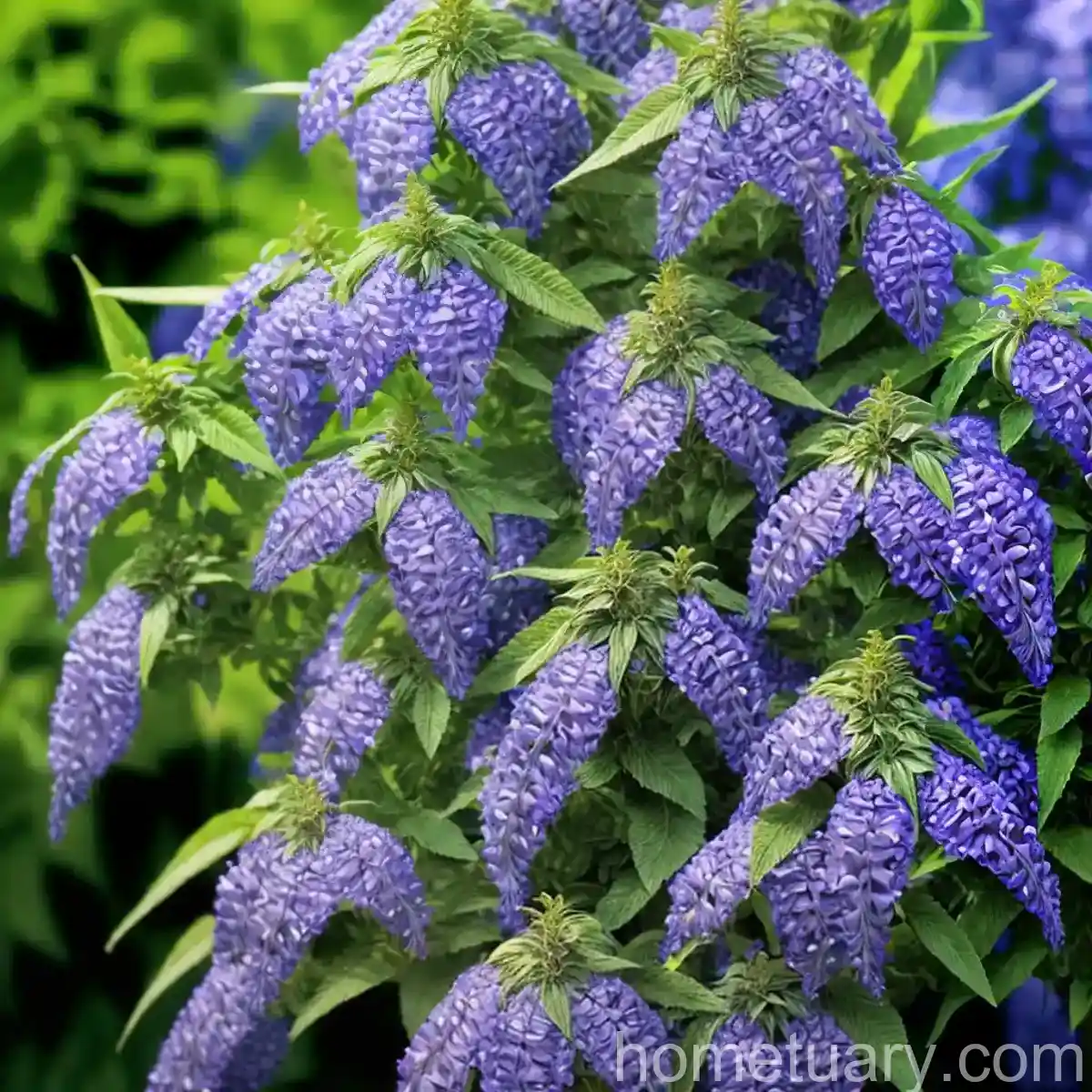
Indian Three-leaf Vitex (Vitex Trifolia): A Comprehensive Plant Guide
As a plant scientist, I’m excited to delve into the world of the Indian Three-leaf Vitex, scientifically known as Vitex Trifolia. This remarkable plant species has gained widespread recognition not only for its ornamental value but also for its diverse cultural, medicinal, and ecological significance. In this plant guide, we’ll explore the key aspects of cultivating and caring for Indian Three-leaf Vitex, including its cultural requirements, common uses, propagation techniques, common diseases and pests, maintenance tips, and much more.
What is Indian Three-leaf Vitex (Vitex Trifolia)?
Indian Three-leaf Vitex, or Vitex Trifolia, is an evergreen shrub that belongs to the Verbenaceae family. Native to regions in Asia, the Indian Three-leaf Vitex is widely distributed across tropical and subtropical areas, where it thrives in a variety of habitats. This versatile plant is characterized by its trifoliate leaves, attractive flowers, and unique medicinal properties, making it a valuable addition to gardens, landscapes, and natural habitats.
Key Takeaways
Before we dive deeper into the specific aspects of caring for Indian Three-leaf Vitex, let’s highlight some key takeaways that will guide our exploration of this fascinating plant:
- Botanical Name: Vitex Trifolia
- Common Names: Indian Three-leaf Vitex, Three-leaf Chastetree, Arabian Lilac
- Plant Type: Evergreen shrub
- Family: Verbenaceae
- Native Habitat: Asia
- Cultural Uses: Ornamental, medicinal
- Water Needs: Moderate
- Sunlight Requirements: Full sun to partial shade
- Soil Type: Well-draining, fertile soil
- Pruning: Regular pruning for shape and size control
- Propagation: Seeds, cuttings
- Common Diseases: Leaf spot, powdery mildew
- Common Pests: Aphids, spider mites
- Fragrance: Aromatic foliage and flowers
- Growth Rate: Moderate
- Landscape Uses: Hedges, borders, containers, medicinal gardens
Now that we have a fundamental understanding of the Indian Three-leaf Vitex, let’s embark on a comprehensive journey through its care, cultivation, and unique characteristics.
Indian Three-leaf Vitex Culture
Cultivating Indian Three-leaf Vitex requires a nuanced understanding of its cultural requirements, including water, sunlight, soil, and fertilizer needs. By providing the ideal growing conditions, you can ensure the optimal health and vigor of this plant, allowing it to thrive and showcase its ornamental and medicinal properties.
Water
Maintaining appropriate soil moisture levels is crucial for the health of Indian Three-leaf Vitex. While it exhibits moderate drought tolerance once established, consistent and moderate watering is essential, especially during the establishment phase and prolonged dry spells. Heavy, waterlogged soils should be avoided to prevent root rot and related issues.
Sunlight
Indian Three-leaf Vitex thrives in full sun to partial shade conditions. When grown in full sun, the plant typically displays enhanced flowering and maintains a more compact growth habit. However, it can also tolerate partial shade, especially in regions with intense or scorching sunlight. Adequate sunlight is essential for the plant to produce an abundance of vibrant flowers and maintain healthy foliage.
Fertilizer
Applying a balanced, slow-release fertilizer in the early spring can support the growth and flowering of Indian Three-leaf Vitex. A general-purpose fertilizer with a balanced N-P-K (nitrogen, phosphorus, potassium) ratio can be applied around the base of the plant, following the manufacturer’s instructions. Avoid excessive fertilization, as it can lead to lush foliage at the expense of flower production.
Soil
Indian Three-leaf Vitex thrives in well-draining, fertile soils with a slightly acidic to neutral pH. It is essential to avoid waterlogged or excessively compacted soils, as they can hinder root development and lead to various physiological issues. Amending the soil with organic matter, such as compost or well-rotted manure, can improve its structure and fertility, promoting healthy growth of the plant.
Pruning
Regular pruning is essential for maintaining the desired shape, size, and overall appearance of Indian Three-leaf Vitex. Pruning is typically performed in the late winter or early spring, before the onset of new growth. Here are some key pruning techniques and considerations for Indian Three-leaf Vitex:
- Removal of Dead or Diseased Wood: Periodically inspect the plant for any dead or diseased branches and promptly remove them to prevent the spread of diseases and promote overall plant health.
- Shaping and Containment: Prune the plant to achieve the desired shape, whether it’s a compact shrub, a hedge, or a more naturalistic form. Regular shaping can help maintain a tidy and attractive appearance in the garden or landscape.
- Encouraging Flowering: Pruning can stimulate the production of new growth and flowers. Trimming back the plant, especially after the flowering season, can promote the development of new flowering shoots and enhance the overall floral display.
Propagation
Indian Three-leaf Vitex can be propagated through seeds and cuttings, providing an opportunity to expand your plant collection or share this exceptional species with fellow gardening enthusiasts. Here’s an overview of the propagation techniques for Indian Three-leaf Vitex:
Propagation from Seeds
- Seed Collection: Harvest mature, dry seeds from the Indian Three-leaf Vitex plant. Collect seeds from healthy, vigorous plants to ensure the genetic quality of the offspring.
- Seed Preparation: Prior to sowing, scarify the seeds by gently nicking or sanding the seed coat to enhance germination. Soaking the seeds in tepid water for several hours before sowing can also improve germination rates.
- Sowing: Plant the prepared seeds in trays or pots filled with a well-draining seed starting mix. Press the seeds lightly into the soil, and cover them with a thin layer of the mix. Water gently to moisten the soil.
- Germination: Place the sown seeds in a warm, bright location. Keep the soil consistently moist but not waterlogged. Germination can occur within a few weeks to a few months, depending on the specific conditions and the seed viability.
Propagation from Cuttings
- Cutting Selection: Select healthy, non-flowering stems for the propagation of Indian Three-leaf Vitex. The cuttings should ideally be taken from the current season’s growth, exhibiting optimal vigor and turgidity.
- Preparation: Prepare the cuttings by making clean, diagonal cuts just below a node or leaf joint. Remove any lower leaves to expose the nodes from which the roots will develop.
- Rooting Hormone Application: Dip the base of the cuttings in a rooting hormone powder or gel to promote root initiation and enhance the overall success of propagation.
- Planting: Insert the prepared cuttings into a well-draining rooting medium, such as a mix of perlite and peat moss. Ensure that at least one or two nodes are buried in the medium.
- Rooting Conditions: Place the cuttings in a sheltered, warm location with indirect light. Maintain consistent moisture levels in the rooting medium, and provide gentle bottom heat if possible to expedite root development.
Container Popularity
Indian Three-leaf Vitex is well-suited for container cultivation, offering an opportunity to enjoy its beauty and benefits in various outdoor and indoor settings. Here are some key considerations for growing Indian Three-leaf Vitex in containers:
- Container Selection: Choose a large, sturdy container with ample drainage holes to accommodate the plant’s root system and promote proper aeration and drainage.
- Potting Mix: Use a well-draining potting mix formulated for woody plants. Consider adding perlite or coarse sand to enhance drainage.
- Watering: Container-grown plants may require more frequent watering, especially during hot and dry periods. Monitor the soil moisture regularly and water when the top inch of the soil feels dry to the touch.
- Sunlight: Position the container in a location that receives adequate sunlight, such as a sunny patio, balcony, or garden space. Be mindful of potential heat stress, especially in regions with intense summer temperatures.
- Fertilization: Apply a balanced, slow-release fertilizer to the containerized Indian Three-leaf Vitex in early spring, following the dosage recommendations provided by the manufacturer.
Common Diseases
Indian Three-leaf Vitex is generally resilient to diseases when provided with suitable growing conditions and proper care. However, certain environmental factors and pathogens can potentially lead to the development of diseases. Here are some common diseases that may affect Indian Three-leaf Vitex:
Leaf Spot
Leaf spot diseases, caused by various fungal pathogens, can manifest as dark or discolored spots on the foliage of Indian Three-leaf Vitex. While these diseases may not be fatal under moderate conditions, they can compromise the plant’s aesthetic appeal.
Preventive Measures:
– Avoid overhead watering to minimize moisture on the foliage, as this can create a conducive environment for fungal infections.
– Remove and destroy any infected leaves or plant debris to prevent the spread of the disease.
– Apply fungicidal sprays as a preventive measure, especially during periods of high humidity and persistent rainfall.
Powdery Mildew
Powdery mildew is characterized by a white, powdery growth on the leaves and young shoots of Indian Three-leaf Vitex. This fungal disease can weaken the plant and affect its overall vigor.
Preventive Measures:
– Improve air circulation around the plant by strategically positioning it in the garden or landscape.
– Avoid overcrowding and excessive shading, as these conditions can favor the development of powdery mildew.
– Apply horticultural oils or sulfur-based fungicides as a preventive measure, especially during periods of high humidity and warm temperatures.
Disease Diagnosis
Diagnosing diseases in Indian Three-leaf Vitex involves careful observation and timely intervention to mitigate potential damage. Here’s a systematic approach to disease diagnosis in this plant species:
- Symptom Identification: Observe the plant for any abnormal symptoms such as leaf spots, discoloration, wilting, or unusual growth patterns.
- Causal Analysis: Identify the potential causes of the observed symptoms, considering environmental factors, pathogens, and cultural practices.
- Laboratory Analysis: If necessary, submit samples of the affected plant parts to a plant pathology laboratory for accurate identification of the causal agent.
- Treatment Implementation: Based on the diagnosis, implement appropriate treatment measures such as cultural adjustments, disease-resistant cultivar selection, or targeted pesticide applications.
Common Pests
While Indian Three-leaf Vitex is relatively resistant to pests, certain insects can occasionally pose a threat to its vitality and aesthetics. Understanding the common pests and their management strategies is essential for preserving the health and beauty of this plant species.
Aphids
Aphids are small, sap-feeding insects that can infest the tender shoots and foliage of Indian Three-leaf Vitex, causing stunted growth and distortion of the leaves. These pests often congregate in large numbers and excrete honeydew, leading to the development of sooty mold.
Management Strategies:
– Introduce natural predators such as ladybugs, lacewings, or predatory wasps to control aphid populations.
– Use a strong stream of water to dislodge aphids from the plant, especially when their numbers are relatively low.
– Utilize insecticidal soaps or neem oil as targeted treatments to suppress aphid infestations while minimizing harm to beneficial insects.
Spider Mites
Spider mites are tiny arachnids that feed on the sap of plants, including Indian Three-leaf Vitex. Their feeding activity can result in stippled, discolored foliage and the formation of fine webbing on the leaves and stems.
Management Strategies:
– Increase ambient humidity around the plant to discourage spider mite activity. Regularly misting the foliage can create a less favorable environment for these pests.
– Apply horticultural oils or insecticidal soaps to suffocate and disrupt the life cycle of spider mites.
– Implement predatory mites as a biological control method, releasing these natural enemies to feed on and suppress the pest population.
Botanist’s Tips
Based on my extensive research and practical experience with Indian Three-leaf Vitex, I’ve curated a set of invaluable tips to enhance your success in cultivating and caring for this remarkable plant:
- Optimal Planting Location: When selecting a site for Indian Three-leaf Vitex, choose a well-drained area with ample sunlight, as this will promote healthy growth and prolific flowering.
- Moderate Pruning Approach: Avoid excessive pruning, as it can compromise the flowering potential of the plant. Instead, focus on selective pruning to maintain its natural form and density.
- Regular Monitoring: Keep a watchful eye on the plant to promptly detect and address any signs of diseases or pest infestations. Early intervention can significantly mitigate damage.
- Mulching Benefits: Apply a layer of organic mulch around the base of Indian Three-leaf Vitex to conserve soil moisture, suppress weed growth, and provide insulation against temperature fluctuations.
- Medicinal Harvesting: If you’re interested in the medicinal properties of Indian Three-leaf Vitex, consult with an herbalist or healthcare professional before utilizing the plant for any medicinal purposes.
Fun Facts
Let’s uncover some intriguing and lesser-known facts about Indian Three-leaf Vitex that add to its allure and ecological significance:
- In traditional medicine, various parts of Indian Three-leaf Vitex, including the leaves, roots, and fruits, are used to prepare herbal remedies for a range of ailments, such as menstrual disorders and insect bites.
- The aromatic foliage and flowers of Indian Three-leaf Vitex contribute to its allure, attracting pollinators such as bees, butterflies, and hummingbirds to the garden or landscape.
- The plant’s adaptability to diverse growing conditions and its ecological value for wildlife make it a compelling choice for sustainable landscaping and habitat restoration initiatives.
Links to External Resources
For additional insights and practical guidance on Indian Three-leaf Vitex care and cultivation, I recommend exploring the following external resources:
- Indian Three-leaf Vitex Care Guide – Royal Horticultural Society
- Growing Indian Three-leaf Vitex – Gardening Know How
- Vitex Trifolia: A Medicinal Plant with Diverse Applications – Research Article
In conclusion, Indian Three-leaf Vitex, or Vitex Trifolia, stands as a captivating plant species that seamlessly blends ornamental appeal with cultural significance. From its elegant foliage and vibrant flowers to its rich history of medicinal use, this versatile shrub continues to inspire admiration and intrigue among horticulturists, herbalists, and nature enthusiasts. By leveraging this comprehensive plant guide, you can foster the thriving growth of Indian Three-leaf Vitex while appreciating its multifaceted contributions to our botanical world.
As you embark on your journey of Indian Three-leaf Vitex cultivation, may the insights shared in this guide serve as a valuable companion, elevating your appreciation for this extraordinary plant and nurturing your success in caring for it.
The article discusses the cultural requirements, propagation techniques, common diseases, pests, and more for Indian Three-leaf Vitex. It delves into the plant’s rich history of medicinal use and ecological significance, providing a comprehensive guide for enthusiasts and horticulturalists. The links to external resources offer additional insights and practical guidance.
Note: The article is prepared for informational purposes only, and individuals should consult relevant professionals for specific advice relating to plant care and medicinal use.




