Tree-of-heaven (Ailanthus Altissima): An In-Depth Guide
As a plant scientist, I have always been fascinated by the diversity and adaptability of plant species. This time, I want to delve into the intriguing world of Ailanthus altissima, commonly known as the Tree-of-heaven. In this comprehensive guide, we will explore the characteristics, cultivation, uses, management, and ecological impact of this unique plant. From its botanical features to its ecological implications, this guide aims to provide an in-depth understanding of Ailanthus altissima, shedding light on its virtues and challenges.
What is the Tree-of-heaven (Ailanthus Altissima)?
Ailanthus altissima, also known as the Tree-of-heaven, is a deciduous tree native to China and Taiwan. Belonging to the family Simaroubaceae, it is notable for its rapid growth and ability to thrive in a wide range of environmental conditions. The species has been widely introduced to various parts of the world due to its adaptability and numerous applications. However, its invasive nature and aggressive growth patterns have led to complex ecological and management challenges in many regions.
Key Takeaways – Tree-of-heaven (Ailanthus Altissima)
Before we dive into the intricacies of Ailanthus altissima, let’s briefly overview the key takeaways of this species.
Ailanthus Altissima Tree Characteristics
- Scientific Name: Ailanthus altissima
- Common Name: Tree-of-heaven
- Plant Type: Deciduous tree
- Native Range: China and Taiwan
- Invasive Status: Considered an invasive species in many regions
- Growth Rate: Rapid
- Height: Can reach up to 80 feet (24 meters) tall
Ailanthus Altissima Identification
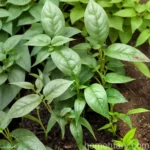
- Leaves: Pinnately compound with 10-41 leaflets
- Bark: Smooth when young, turning rough and textured with age
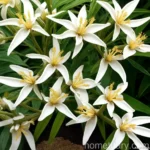
- Flowers: Small, yellowish-green flowers in large clusters
- Fruits: Winged, samara-type fruits
Ailanthus Altissima Uses
- Cultural Uses: Historically used in Traditional Chinese Medicine
- Wood Uses: Utilized for various applications, including furniture and wood products
- Medicinal Properties: Researched for potential medicinal benefits
- Economic Uses: Potential economic benefits from its timber and medicinal properties
Ailanthus Altissima Ecology
- Invasive Species: Considered invasive in many regions, impacting native plant communities
- Ecological Impact: Can alter ecosystem structure and function
- Seed Dispersal: High seed production and dispersal potential
- Habitat: Can thrive in a range of habitats, from disturbed areas to urban environments
Now, let’s delve deeper into each of these aspects, exploring the culture, uses, and ecological implications of Ailanthus altissima.
Culture
Water
The Tree-of-heaven exhibits remarkable drought tolerance once established, making it suitable for arid and semi-arid environments. While it can survive with minimal water, adequate moisture levels can promote better growth and leaf retention. In regions with hot and dry climates, supplemental watering during prolonged dry spells can be beneficial, especially for young trees.
Sunlight
Ailanthus altissima is known for its tolerance to a wide range of light conditions. It can thrive in full sun to partial shade, displaying vigorous growth in diverse light environments. However, in shaded locations, the tree may exhibit a more open and irregular growth habit compared to specimens grown in full sun.
Fertilizer
The Tree-of-heaven is relatively adaptable to soil conditions and nutrient levels. It can grow in nutrient-poor soils and is often found in disturbed areas with minimal soil fertility. While it may not require regular fertilization, providing a balanced fertilizer during the early stages of growth can support its establishment and initial development. However, excessive fertilization should be avoided, as it may lead to overly rapid growth and potential structural weaknesses in the tree.
Soil
One of the remarkable features of Ailanthus altissima is its ability to thrive in a wide range of soil types. From sandy soils to heavy clay, the Tree-of-heaven can adapt to various soil textures. However, it typically favors well-drained soils and is commonly found in urban areas, along roadsides, and in disturbed habitats. Soil compaction tolerance is another notable trait, allowing it to persist in urban environments with compacted soils.
Pruning
Pruning can be beneficial for shaping the growth of Ailanthus altissima and managing its size. Regular inspections for dead or damaged branches and prompt removal can help maintain the health and appearance of the tree. In urban settings, proper pruning techniques can also mitigate risks associated with limb failures and improve the overall structural integrity of the tree.
Propagation
Seed Propagation
The Tree-of-heaven readily produces abundant seeds with high germination rates, contributing to its invasiveness in many regions. Seed propagation can be achieved by collecting mature seeds in the fall, scarifying the seed coat, and sowing them in well-prepared seedbeds. Due to its prolific seed production, careful consideration should be given to the potential invasiveness of this species before propagating it from seed.
Vegetative Propagation
Vegetative propagation techniques, such as rooting stem cuttings or grafting, can also be employed to propagate specific cultivars or selected individuals. When done under controlled conditions, this method allows for the replication of desirable traits and can generate new plants with known characteristics.
Container Popularity
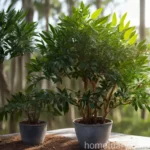
In certain urban and suburban settings, Ailanthus altissima is cultivated in containers, particularly in spaces with limited ground area. Its ability to tolerate adverse soil and growing conditions makes it suitable for container planting, adding greenery and vertical interest to urban landscapes. Container-grown specimens can also be strategically positioned to provide shade and aesthetic enhancements in paved areas and patios.
Common Diseases
Anthracnose
Anthracnose, caused by fungal pathogens, can affect the leaves and stems of Ailanthus altissima, leading to leaf spotting and defoliation, especially in wet and humid conditions. While the disease may not result in significant long-term damage to established trees, it can cause aesthetic decline and defoliation, particularly in dense stands of the tree.
Verticillium Wilt
Verticillium wilt, caused by soilborne fungi of the genus Verticillium, can affect the Tree-of-heaven, causing wilting, yellowing, and premature leaf drop. In severe cases, the disease can lead to significant impact on the tree’s health and vitality, potentially resulting in the decline and mortality of affected individuals. Proper site selection and management practices can help reduce the risk of Verticillium wilt.
Cankers
Cankers, often caused by various fungal pathogens, can develop on the branches and trunk of Ailanthus altissima, leading to the formation of sunken, discolored areas. While the impact of cankers on the overall health of the tree may vary, they can serve as entry points for secondary pathogens and contribute to structural weaknesses in affected individuals.
Disease Diagnosis
Diagnosing diseases in Ailanthus altissima involves careful observation of symptoms and, in some cases, laboratory analysis to identify the specific pathogens involved. Leaf and stem samples may be collected for microscopic examination and culture tests to accurately diagnose the causal agents of diseases such as anthracnose and cankers. Understanding the environmental conditions and predisposing factors can also aid in disease diagnosis and management.
Common Pests
Spotted Lanternfly
The invasive spotted lanternfly (Lycorma delicatula) has become a significant pest of Ailanthus altissima in various regions, posing both ecological and economic threats. The insect feeds on the sap of the tree, causing stress and potential decline in heavily infested specimens. Effective management strategies are being developed to control the spread of this invasive pest and mitigate its impact on the Tree-of-heaven and other susceptible plant species.
Gypsy Moth
The gypsy moth (Lymantria dispar) is known to feed on the foliage of Ailanthus altissima and can cause defoliation in areas where populations reach outbreak levels. While the tree is not the preferred host for gypsy moths, it can serve as a food source when other preferred species are scarce. Monitoring for gypsy moth infestations and implementing targeted control measures can help minimize the impact of this pest on the Tree-of-heaven.
Scale Insects
Scale insects, including species such as cottony maple scale (Pulvinaria innumerabilis), can infest the stems and branches of Ailanthus altissima, causing honeydew excretion and sooty mold development. In severe infestations, scale insects can contribute to stress and decline in affected trees. Integrated pest management approaches can aid in controlling scale insect populations and mitigating their impact on the health of the tree.
Botanist’s Tips
As a plant scientist, I would like to offer some tips for those interested in growing or managing Ailanthus altissima.
- Site Selection: When choosing sites for planting, consider the potential invasiveness of the species and its impact on native ecosystems.
- Invasive Management: In regions where the Tree-of-heaven is invasive, implementing control measures and preventing its spread can help conserve native biodiversity.
- Disease Management: Regular monitoring and timely management of diseases and pests can help maintain the health and vigor of Ailanthus altissima.
Fun Facts
- The Tree-of-heaven has been the subject of literary and artistic references, featuring prominently in the works of authors and visual artists.
- Ailanthus altissima has been utilized in various traditional systems of medicine for its potential medicinal properties, prompting scientific studies to explore its pharmacological benefits.
Links to External Resources
For further reading and research on Ailanthus altissima, I recommend exploring the following resources:
- USDA Plants Database – Ailanthus altissima
- Missouri Botanical Garden – Tree-of-heaven
- Invasive Species Compendium – Ailanthus altissima
- Flora of China – Ailanthus altissima
- Integrated Taxonomic Information System (ITIS) – Ailanthus altissima
With its intriguing characteristics and ecological complexities, Ailanthus altissima stands as a captivating subject for botanical enthusiasts and conservationists alike. From its cultural significance to its ecological implications, the Tree-of-heaven continues to evoke discussions and research efforts aimed at understanding and managing its presence in diverse landscapes. As we navigate the intricate dynamics of plant species, the story of Ailanthus altissima serves as a compelling narrative of adaptation, impact, and conservation.
As we conclude this guide, I encourage you to explore the multifaceted world of Ailanthus altissima and consider the broader implications of its presence in our natural and cultivated environments.
Keep exploring, learning, and nurturing the wondrous world of plants!