Chastetree (Vitex agnus-castus ‘Colonial Blue’): A Comprehensive Guide
Plants have long been celebrated for their beauty, resilience, and numerous practical applications. One such plant that has gained popularity for its ornamental value, medicinal properties, and cultural significance is the Chastetree, scientifically known as Vitex agnus-castus ‘Colonial Blue’. In this comprehensive guide, we will delve into the various aspects of this remarkable plant, including its culture, uses, care requirements, benefits, and much more. Whether you’re a seasoned gardener or just starting your journey with plants, this guide will provide valuable insights into cultivating and appreciating the Chastetree.
What is Chastetree (Vitex agnus-castus ‘Colonial Blue’)?
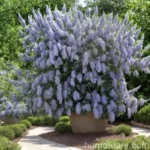
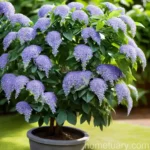
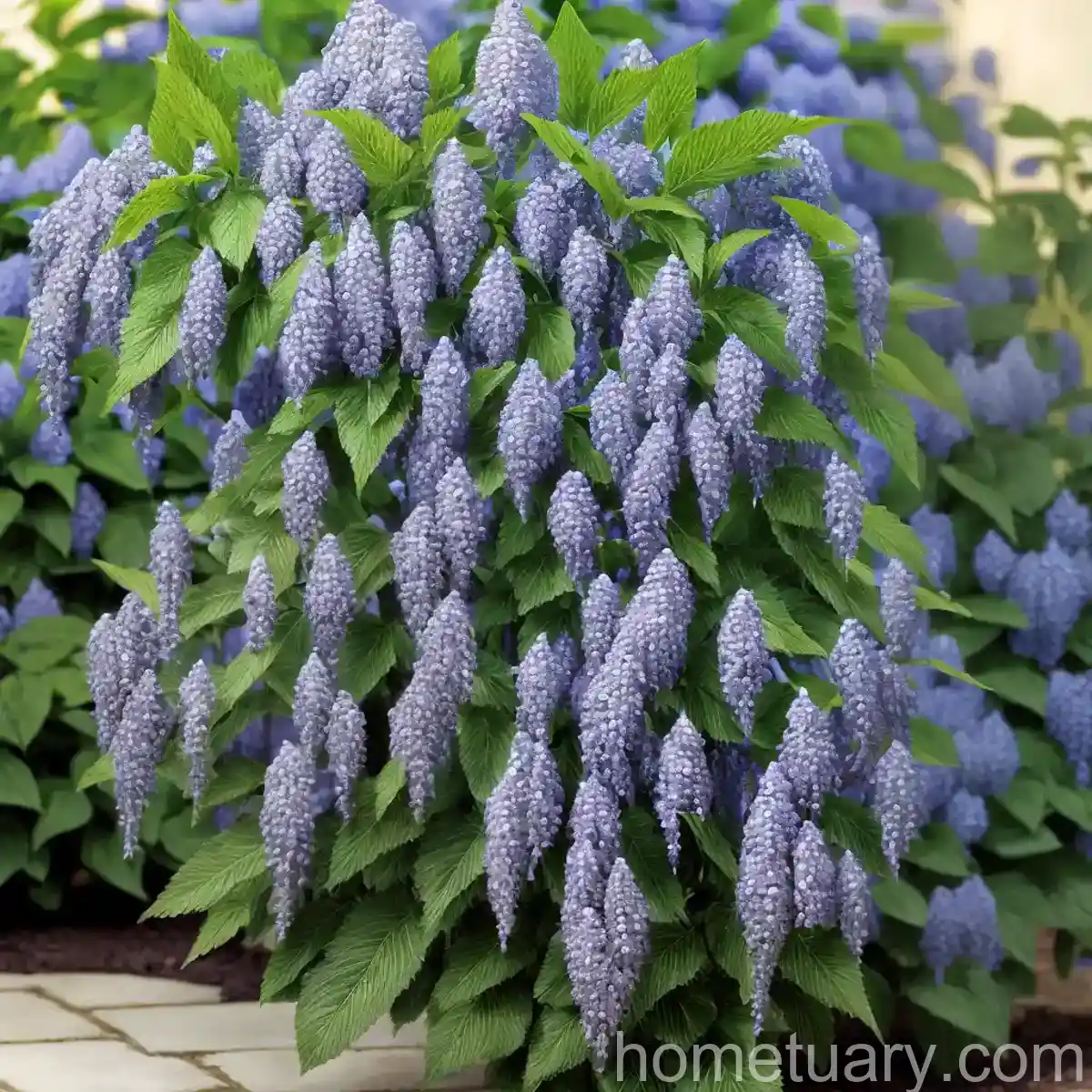
The Chastetree, also known as Vitex agnus-castus ‘Colonial Blue’, is a deciduous shrub that belongs to the family Lamiaceae. It is native to the Mediterranean region and parts of Asia. The plant is characterized by its attractive, aromatic foliage and showy, fragrant blooms, making it a popular choice for garden landscapes and herbal gardens.
Key Takeaways – Chastetree (Vitex agnus-castus ‘Colonial Blue’)
Before delving into the details, let’s briefly summarize the key takeaways associated with the Chastetree:
- Vitex agnus-castus: The scientific name of the Chastetree, denoting its botanical classification.
- Colonial Blue Chastetree: Refers to the specific cultivar with blue flowers, known for its ornamental appeal.
- Medicinal Properties: Chastetree is renowned for its traditional medicinal uses, particularly in addressing hormonal imbalances.
- Cultural Significance: The plant holds cultural and historical importance, being associated with folklore and traditional medicine.
- Ornamental Value: Chastetree is valued for its aesthetic appeal, making it a popular landscaping choice in gardens and public spaces.
Now, let’s explore the various aspects of the Chastetree in detail, including its cultural significance, care requirements, uses, and much more.
Culture
The cultural significance of the Chastetree extends beyond its ornamental value. It has been historically revered for its medicinal properties and is deeply entrenched in folklore and traditional practices. In various cultures, the Chastetree holds special symbolism and is used in rituals and remedies. Its association with fertility, hormonal balance, and overall well-being has made it a revered plant in traditional medicine. Furthermore, the plant’s aesthetic appeal has contributed to its integration into garden landscapes, where it serves as a visually captivating addition.
Uses
The Chastetree possesses a diverse range of uses, spanning from medicinal and culinary applications to ornamental and therapeutic purposes. Let’s explore some of the primary uses of this remarkable plant:
- Medicinal Uses: Chastetree has a long history of use in traditional medicine, particularly in addressing hormonal imbalances, menstrual health, and fertility issues. It is also utilized to promote overall well-being and manage certain health conditions.
- Ornamental Uses: The plant’s attractive foliage and vibrant blooms make it a popular choice for ornamental gardens, public parks, and landscaping projects.
- Culinary Applications: While not as common as its medicinal and ornamental uses, some parts of the Chastetree have been used in culinary preparations and herbal teas in certain cultures.
The multifaceted nature of the Chastetree makes it a valuable and versatile plant with a wide range of practical applications.
Chastetree Plant Care
Cultivating the Chastetree requires an understanding of its specific care requirements, including water, sunlight, fertilizer, soil, pruning, propagation, and more. By providing optimal care, you can ensure the health and vitality of the plant, allowing it to thrive and fulfill its potential.
Water
Proper watering is essential for the Chastetree, especially during its establishment phase and periods of drought. While the plant demonstrates good drought tolerance once established, consistent watering is crucial during the early stages of growth. However, it’s important to avoid waterlogged conditions, as the plant is susceptible to root rot in excessively moist soils.
Sunlight
The Chastetree thrives in full sun environments, requiring at least 6 to 8 hours of direct sunlight per day for optimal growth and blooming. Adequate sunlight exposure contributes to the plant’s overall health, vigor, and flowering potential. In locations with intense heat, providing some afternoon shade can be beneficial to prevent excessive stress on the plant.
Fertilizer
When it comes to fertilization, the Chastetree benefits from a balanced, slow-release fertilizer applied in the early spring. The fertilizer should be evenly distributed around the base of the plant, following the recommended application rates. Additionally, incorporating organic matter into the soil during planting can provide a nutrient-rich foundation for the Chastetree’s growth.
Soil
The Chastetree thrives in well-draining soil with a slightly alkaline to neutral pH. Loamy, sandy, or rocky soils with good drainage properties are well-suited for the plant. Before planting, it’s advisable to amend the soil with organic matter to enhance its fertility and structure, promoting healthy root development and overall growth.
Pruning
Pruning plays a crucial role in maintaining the Chastetree’s shape, controlling its size, and promoting robust growth. The best time for pruning is during the late winter or early spring before new growth emerges. This allows for the removal of dead or diseased wood, shaping the plant as desired, and stimulating the development of new flowering growth.
Propagation
The Chastetree can be propagated through several methods, including seed propagation, softwood cuttings, and hardwood cuttings. Each propagation method has its specific requirements and timelines, requiring careful attention to ensure successful establishment. Softwood cuttings, taken from young, actively growing stems, and treated with a rooting hormone, have shown to be an effective method for propagating the Chastetree.
Container Popularity
The Chastetree’s versatility extends to its suitability for container cultivation, making it an appealing choice for urban gardens, courtyards, and balconies. When grown in containers, the plant’s ornamental value can be appreciated in a compact setting, offering a touch of natural beauty to confined spaces.
Container Common Diseases
While container cultivation offers numerous advantages, it’s important to be mindful of potential diseases and issues that may affect the Chastetree in a confined environment. Keep an eye out for the following common diseases associated with container-grown Chastetrees:
- Root Rot: Overwatering and poor drainage can lead to root rot in container-grown Chastetrees.
- Powdery Mildew: Humid conditions and poor air circulation can promote powdery mildew growth on the plant’s foliage, particularly in containers.
Effective disease management strategies, including proper watering practices, adequate ventilation, and soil drainage, can help mitigate the risk of diseases in container-grown Chastetrees.
Disease Diagnosis
Diagnosing diseases in Chastetrees, whether grown in containers or in the ground, requires careful observation and attention to the plant’s overall condition. Common symptoms of diseases such as powdery mildew or root rot include wilting, leaf yellowing, and the presence of powdery, white fungal growth on the foliage or soil. Prompt identification and intervention are essential for preventing the spread of diseases and preserving the plant’s health.
Common Pests
In addition to diseases, Chastetrees are susceptible to certain pests that can affect their growth and vitality. Common pests to watch out for include:
- Aphids: These small, sap-sucking insects can cluster on the plant’s tender new growth, causing damage and distortion to the foliage.
- Spider Mites: These tiny pests can infest the undersides of the leaves, causing stippling and discoloration as they feed on the plant’s sap.
Implementing proactive pest management measures, such as the use of beneficial insects, natural predators, or horticultural oils, can help control pest populations and minimize their impact on the Chastetree.
Botanist’s Tips
As a plant scientist, I would like to share some tips for cultivating and appreciating the Chastetree:
- Promote Soil Health: Focus on maintaining well-draining, fertile soil with good structure to support the Chastetree’s growth and vigor.
- Monitor Watering Closely: Strike a balance between providing adequate moisture and avoiding waterlogged conditions to prevent root issues.
- Prune Wisely: Pruning should be purposeful, focusing on removing dead or diseased wood, shaping the plant, and promoting healthy growth without excessive stress on the plant.
- Watch for Pests and Diseases: Regularly inspect the plant for signs of pest infestations or diseases, intervening promptly to prevent widespread damage.
By incorporating these tips into your Chastetree care routine, you can nurture the plant to its full potential and enjoy its many benefits.
Fun Facts
The Chastetree is a fascinating plant with many interesting aspects. Here are some fun facts about the Chastetree:
- The name “Chastetree” originates from its historical use in ancient times to promote chastity and reduce libido.
- In traditional medicine, Chastetree has been associated with promoting hormonal balance and addressing menstrual health issues.
- The aromatic foliage of the Chastetree has been used in herbal teas and aromatherapy for its soothing properties.
These fun facts offer a glimpse into the rich history and cultural significance of the Chastetree, adding an extra layer of fascination to this remarkable plant.
Links to External Resources
For further exploration and information on the Chastetree, I recommend the following external resources:
- Vitex agnus-castus: Overview and Cultivation Guide
- The Complete Book of Chastetree: Medicinal and Culinary Applications
- Gardening with Chastetree: Design Ideas and Landscape Inspiration
- Traditional Uses of Chastetree in Various Cultures
These resources offer in-depth insights into the cultivation, uses, and cultural significance of the Chastetree, making them valuable references for plant enthusiasts and horticulturalists alike.
In conclusion, the Chastetree (Vitex agnus-castus ‘Colonial Blue’) is a plant of exceptional beauty, cultural significance, and practical utility. From its stunning blooms to its time-honored medicinal uses, the Chastetree embodies a harmonious blend of aesthetic appeal and functional value. By understanding its culture, care requirements, and uses, we can unlock the full potential of this remarkable plant, cultivating it with the appreciation and respect it deserves.
Remember to share the love of nature and gardening with others, and may your journey with the Chastetree be enriched with beauty, knowledge, and a deeper connection to the natural world. Happy gardening!