Chaste Tree (Vitex negundo): A Comprehensive Guide
Chaste tree, scientifically known as Vitex negundo, is a fascinating plant with a rich history of medicinal and cultural uses. This versatile shrub or small tree is native to parts of Asia, including China and India. It is renowned for its beautiful violet flowers and its traditional role in herbal medicine. In this comprehensive guide, we will explore the various aspects of the chaste tree, including its cultivation, uses, care tips, and much more.
What is Chaste Tree?
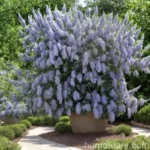
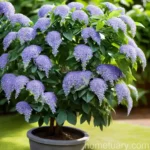
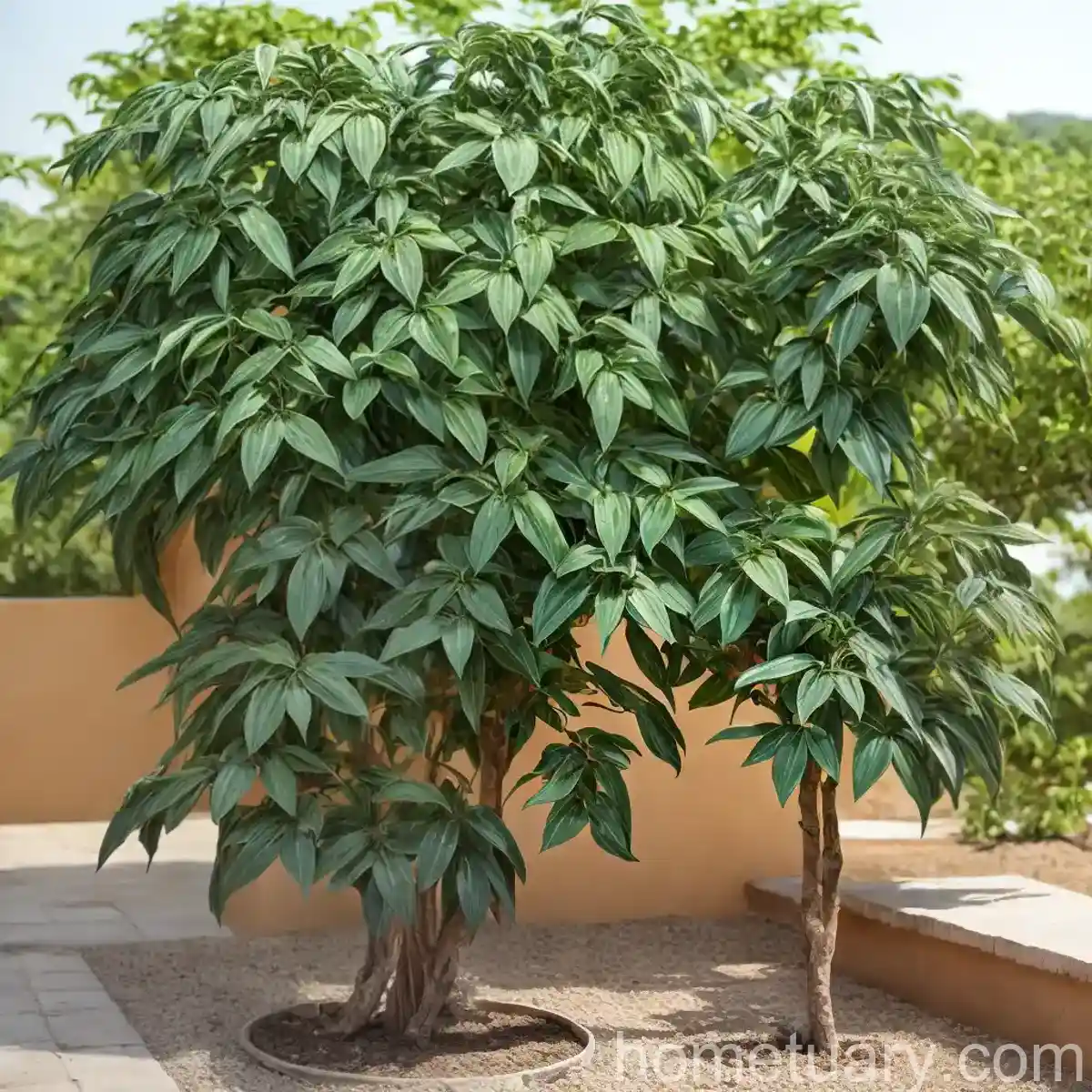
The chaste tree, Vitex negundo, is a member of the Verbenaceae family. Also known as the Chinese chaste tree, five-leaved chaste tree, or Indian privet, this deciduous plant typically grows up to 15 feet in height and produces clusters of small, fragrant flowers that range in color from pale lilac to deep violet. The leaves are palmately compound, featuring five leaflets, and the plant is characterized by its aromatic foliage.
Key Takeaways – Chaste Tree (Vitex negundo)
Before delving into the specifics of chaste tree cultivation and usage, let’s highlight the key takeaways associated with this remarkable plant.
- Scientific Name: Vitex negundo
- Medicinal Uses: Chaste tree has a long history of use in traditional medicine for addressing hormonal imbalances, PMS symptoms, fertility issues, menstrual disorders, and menopause relief.
- Cultivation: Chaste tree requires well-draining soil, adequate sunlight, and regular watering to thrive.
- Care Tips: Proper pruning, suitable fertilizer application, and occasional propagation are essential for the healthy growth of chaste tree.
- Herbal Remedy: Chaste tree is utilized in various herbal preparations, such as teas and essential oils.
- Landscaping: Chaste tree can be used as an ornamental plant in garden landscaping due to its attractive flowers and foliage.
Now, let’s embark on a detailed exploration of the various aspects of the chaste tree, ranging from its cultural significance to its specific water and sunlight requirements.
Culture
The cultural significance of the chaste tree spans across different regions due to its historical uses in traditional medicine and its aesthetic value in gardens and landscapes. In some cultures, it holds symbolic importance and is revered for its purported medicinal properties.
Uses
Medicinal Uses of Chaste Tree
Chaste tree has long been revered for its medicinal properties and has been utilized in traditional medicine systems, such as Ayurveda and traditional Chinese medicine, for various health conditions. Some of the prominent medicinal uses of chaste tree include:
Hormonal Balance
Chaste tree is particularly renowned for its potential in addressing hormonal imbalances in women. It is often recommended as a natural remedy for conditions such as irregular menstrual cycles, premenstrual syndrome (PMS), and menopause symptoms. The plant is believed to have a regulatory effect on the pituitary gland, thereby influencing the balance of reproductive hormones such as estrogen and progesterone.
Menstrual Disorders
Chaste tree has been historically employed to alleviate menstrual disorders, including heavy or irregular menstrual flow, cramps, and associated discomfort. Its purported ability to modulate hormonal activity is thought to contribute to its efficacy in managing these conditions.
Fertility Support
In traditional medicine, chaste tree has been used to support fertility in women by promoting hormonal balance, which can positively impact ovulation and reproductive health.
Menopause Relief
The plant is also valued for its potential to ameliorate the symptoms of menopause, such as hot flashes, mood swings, and sleep disturbances, by exerting a hormone-regulating effect.
Other Uses
Beyond its medicinal applications, chaste tree is employed for various other purposes, including:
-
Garden Landscaping: Chaste tree’s vibrant flowers and aromatic foliage make it an attractive choice for garden landscaping, where it can serve as a visually appealing ornamental plant.
-
Herbal Preparations: The plant’s leaves, flowers, and seeds are utilized in herbal preparations, such as teas, tinctures, and essential oils, to harness its potential health benefits for hormonal balance and overall well-being.
Water
Adequate watering is crucial for the healthy growth and development of chaste tree plants. While the plant exhibits some tolerance to drought conditions once established, regular watering is essential, especially during the initial stages of growth and in periods of prolonged dryness.
-
Young Plants: Newly planted chaste tree saplings benefit from consistent watering to support root establishment and overall vigor.
-
Established Plants: Once the plant is well-established, it can tolerate moderate dry spells. However, it is advisable to water the plant during extended periods of drought to prevent undue stress and promote healthy growth.
Sunlight
Chaste tree thrives in full sun or partial shade. Adequate exposure to sunlight is essential for the plant’s overall health and flowering capacity. When selecting a location for planting chaste tree, it is advisable to choose a spot that receives ample sunlight, ideally around 6 to 8 hours of direct sunlight per day.
-
Optimal Sunlight: Providing the plant with the right amount of sunlight is crucial for stimulating flowering and ensuring robust growth. Insufficient sunlight may lead to reduced blooming and overall vigor.
-
Partial Shade: While chaste tree prefers full sun, it can also tolerate partial shade, making it a versatile option for different garden settings.
Fertilizer
Appropriate fertilization can significantly contribute to the healthy growth and abundant flowering of chaste tree. When considering fertilizer application, it is essential to understand the nutrient requirements of the plant and to select suitable products and application methods to support its vitality.
-
Nutrient Needs: Chaste tree generally benefits from a balanced fertilizer with a slightly higher phosphorus content to promote flowering.
-
Application Timing: Fertilizer can be applied in early spring, before new growth begins, to provide the plant with the necessary nutrients for the upcoming growing season.
-
Caution: Care should be taken to avoid excessive nitrogen fertilization, as this can result in excessive foliage growth at the expense of flowering.
Soil
The planting site and soil composition play a crucial role in the successful cultivation of chaste tree. Well-draining soil with a slightly alkaline to neutral pH is ideal for this plant.
-
Soil Composition: A loamy, well-draining soil mixture that is rich in organic matter provides an optimal growing medium for chaste tree.
-
Soil pH: Chaste tree generally thrives in slightly alkaline to neutral soils, with a pH ranging from 6.0 to 7.5. The soil pH can be adjusted if necessary to create a favorable growing environment for the plant.
-
Site Selection: When selecting a site for planting chaste tree, it is essential to ensure that the soil is well-draining, as excessive water retention can lead to root rot and other detrimental conditions.
Pruning
Pruning is an essential practice for maintaining the health, shape, and flowering capacity of chaste tree. Proper pruning techniques can help control the plant’s size, remove dead or damaged branches, and encourage the growth of new shoots and flowers.
-
Pruning Timing: Pruning can be performed in late winter or early spring before the onset of new growth. This timing allows the plant to recover from pruning and prepare for the upcoming growing season.
-
Maintenance Pruning: Regular maintenance pruning can help shape the plant and remove any dead, broken, or diseased branches to promote overall health and vigor.
-
Flower Removal: After the flowering period, spent flower clusters can be removed to tidy the plant and potentially stimulate the production of new blooms.
Propagation
The propagation of chaste tree can be achieved through various methods, including seed propagation, softwood cutting, and hardwood cutting. Each approach has its advantages and considerations, allowing growers to choose the most suitable method based on their specific needs and resources.
Seed Propagation
Propagation from seeds can be a rewarding way to cultivate chaste tree, offering growers the opportunity to germinate and raise new plants from collected seeds.
-
Seed Collection: Ripe chaste tree seeds can be collected from the plant during the appropriate season and stored for propagation.
-
Germination: Seeds can be sown in well-draining seed-starting mix and kept under warm, moist conditions to stimulate germination.
-
Careful Monitoring: Regular monitoring of seedlings is essential to ensure their successful establishment and growth.
Cutting Propagation
Propagation from cuttings is another viable method for multiplying chaste tree plants and preserving their desirable traits.
-
Softwood Cuttings: Softwood cuttings can be taken from young, actively growing shoots and rooted under favorable conditions to establish new plants.
-
Hardwood Cuttings: Hardwood cuttings from mature branches can also be utilized for propagation, offering a way to reproduce the plant through woody stem cuttings.
Division
Division of established chaste tree plants can be undertaken to create new individuals and manage the size and spread of existing clumps.
- Clump Division: Clumps of chaste tree can be carefully divided and replanted to create new plants, allowing for greater control over the plant’s growth and propagation.
Container Popularity
Chaste tree is well-suited for container cultivation, offering an attractive and aromatic addition to outdoor spaces, such as patios, balconies, and gardens with limited ground space. The plant’s adaptability to container growth makes it a versatile choice for urban and small-space gardening.
-
Container Selection: When growing chaste tree in containers, it is important to choose pots or containers that provide adequate space for root development and stability for the plant.
-
Soil Mix: A well-draining potting mix with added organic matter can support the healthy growth of chaste tree in containers, providing the necessary nutrients and moisture retention.
-
Location: Selecting a suitable location for the container is crucial, as it should offer the plant ample sunlight and air circulation to facilitate optimal growth and flowering.
Container Common Diseases
While chaste tree is generally resilient to many common plant diseases, certain issues may arise, particularly in container-grown specimens. Being mindful of potential diseases and their preventive measures can contribute to the long-term health and vitality of chaste tree in containers.
Root Rot
Overly wet or poorly drained soil in containers can predispose chaste tree to root rot, a condition caused by fungal pathogens that thrive in excessively moist environments.
- Preventive Measures: Using well-draining soil mixes, ensuring proper drainage in containers, and avoiding overwatering can help prevent the onset of root rot.
Powdery Mildew
In humid or poorly ventilated conditions, chaste tree in containers may be susceptible to powdery mildew, a fungal disease characterized by a white, powdery growth on the leaves and stems.
- Preventive Measures: Providing adequate air circulation, avoiding overcrowding of plants, and applying preventive fungicidal sprays can help mitigate the risk of powdery mildew in container-grown chaste tree.
Disease Diagnosis
Diagnosing potential diseases and issues affecting chaste tree plants is crucial for implementing timely and effective solutions to mitigate their impact and restore the plant’s health.
-
Visual Inspection: Regularly inspecting the plant for signs of discoloration, wilting, unusual growths, or pest infestations can aid in the early detection of potential problems.
-
Consultation: Seeking guidance from agricultural extension services, horticultural experts, or plant health specialists can provide valuable insights into disease diagnosis and management specific to chaste tree.
Common Pests
Chaste tree is relatively resistant to pest infestations; however, certain pests may occasionally pose a threat to the plant’s health. Understanding these potential pests and their control measures can help safeguard the well-being of chaste tree.
Aphids
Aphids may occasionally infest chaste tree, feeding on the plant’s sap and excreting honeydew, which can lead to the development of sooty mold.
- Control Measures: Insecticidal soaps, horticultural oils, or natural predators can be utilized to manage aphid populations and prevent damage to the plant.
Spider Mites
Spider mites are microscopic pests that can cause damage to chaste tree by piercing and feeding on the plant’s cells, leading to discoloration and reduced vigor.
- Control Measures: Miticides, regular monitoring, and adequate humidity management can help control and prevent spider mite infestations in chaste tree.
Botanist’s Tips
From a botanist’s perspective, chaste tree presents a fascinating subject for exploration, study, and cultivation. Here are some valuable tips for growers and enthusiasts interested in the botany of chaste tree.
-
Taxonomy: Exploring the taxonomy and botanical characteristics of chaste tree, such as its leaf morphology, flower structure, and overall growth habit, can provide insights into its evolutionary relationships and ecological adaptations.
-
Phytochemistry: Investigating the phytochemical profile of chaste tree, including the presence of bioactive compounds and their potential medicinal properties, can contribute to a deeper understanding of the plant’s therapeutic relevance.
-
Genetic Diversity: Understanding the genetic diversity and population dynamics of chaste tree populations can aid in conservation efforts and the preservation of unique genetic traits within the species.
Fun Facts
Chaste tree’s rich history, cultural significance, and botanical attributes offer an array of interesting and engaging facts that showcase its unique characteristics and versatility. Let’s explore some fun facts about chaste tree.
-
Historical Significance: Chaste tree has a long history of use in traditional herbal medicine, dating back to ancient civilizations such as those in Greece, Rome, and India.
-
Symbolism: In certain cultures, chaste tree is associated with symbolism related to purity, chastity, and reproductive health, reflecting its historical applications and cultural associations.
-
Ecological Importance: Chaste tree can serve as a valuable resource for pollinators, including bees and butterflies, due to its nectar-rich flowers and fragrant blooms.
Links to External Resources
For further information on chaste tree, including detailed cultivation techniques, medicinal uses, and botanical insights, the following external resources can serve as valuable references:
- Royal Horticultural Society – Vitex negundo
- Plants For A Future – Vitex negundo
- Missouri Botanical Garden – Vitex negundo
- Natural Medicines Comprehensive Database – Chaste Tree
- Medicinal Plants of the Southwest – Vitex negundo
Chaste tree, or Vitex negundo, stands as a captivating botanical specimen with a multitude of uses, from traditional medicine to garden adornment. Its vibrant flowers, medicinal properties, and historical significance underscore its enduring appeal and relevance in contemporary horticulture and natural health care. By understanding and appreciating the diverse aspects of chaste tree, we can not only cultivate and enjoy its botanical splendor but also honor its cultural heritage and ecological contributions.
In this comprehensive guide, I have covered the various aspects of chaste tree (Vitex negundo) ranging from its cultural significance, medicinal uses, cultivation requirements, and botanist’s insights to fun facts. The information presented aims to provide a holistic understanding of this remarkable plant and its relevance in traditional medicine, horticulture, and ecological contexts. Feel free to explore further resources for in-depth insights into chaste tree and its diverse applications.