Chasteberry (Vitex Agnus-castus): A Comprehensive Guide for Cultivation, Uses, and Health Benefits
Plants play a crucial role in our lives and are the source of various medicinal and therapeutic properties. Chasteberry, scientifically known as Vitex Agnus-castus, is a plant with immense importance in traditional medicine and herbal remedies. In this comprehensive guide, we will explore the cultivation, uses, and health benefits of Chasteberry, along with its medicinal properties and important care tips.
What is Chasteberry (Vitex Agnus-castus)?
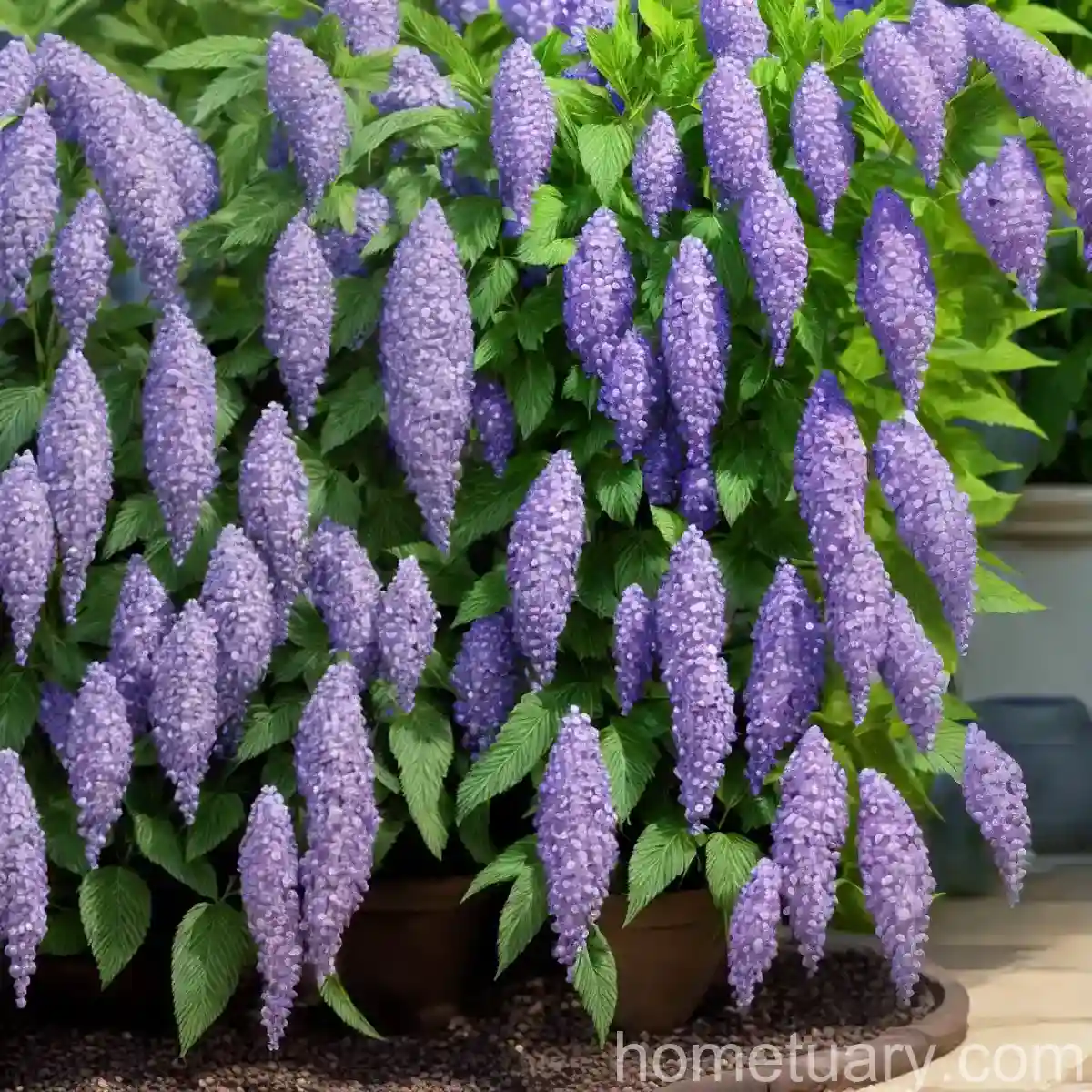
Chasteberry, also known as Vitex or monk’s pepper, is a flowering plant that belongs to the Verbenaceae family. It is native to the Mediterranean region and parts of Asia. The plant is characterized by its attractive lilac-colored flowers and distinctive palmate leaves. The use of Chasteberry dates back to ancient times when it was employed for various health concerns, particularly those related to women’s health.
Key Takeaways – Chasteberry (Vitex Agnus-castus)
Before we delve into the detailed aspects of Chasteberry, let’s explore some key takeaways about this remarkable plant:
- Botanical Name: Vitex Agnus-castus
- Common Names: Chasteberry, Vitex, Monk’s Pepper
- Plant Type: Deciduous shrub
- Uses: Medicinal, ornamental
- Medicinal Properties: Hormonal support, menstrual cycle regulation, fertility enhancement
- Cultivation: Suitable for both garden and container cultivation
- Common Pests: Aphids, spider mites
- Pruning: Best pruned in late winter to early spring
- Soil Type: Well-draining, loamy soil
- Sunlight: Full sun to partial shade
- Watering: Moderately drought-tolerant once established
- Propagation: Via seeds or semi-hardwood cuttings
- Diseases: Susceptible to fungal diseases in poorly drained soil
- Fertilization: Responds well to balanced, slow-release fertilizers
Now that we have a glimpse of the key aspects of Chasteberry, let’s delve into each of these aspects in detail.
Culture
Cultivating Chasteberry requires an understanding of its specific cultural needs, including water, sunlight, soil, and fertilization. By creating an environment that mimics its natural habitat, you can ensure the optimal growth and health of this plant.
Uses
Chasteberry is utilized for both medicinal and ornamental purposes:
- Medicinal Uses: The plant is well-regarded for its hormonal support properties, menstrual cycle regulation, and fertility enhancement. It is often used in the form of supplements, tinctures, or teas for women’s health concerns.
- Ornamental Uses: Chasteberry’s attractive flowers and foliage make it a popular choice for landscaping and garden borders.
Water
Proper watering is essential for the health and vigor of Chasteberry plants. While they are moderately drought-tolerant once established, adequate moisture is crucial, especially during the establishment period and in hot, dry climates.
- Watering Guidelines:
- Provide regular watering during the first growing season to establish a strong root system.
- Once established, water during dry spells to prevent drought stress.
- Avoid overwatering, as Chasteberry plants are susceptible to root rot in waterlogged soil.
Sunlight
Chasteberry thrives in locations that receive ample sunlight, although it can also tolerate partial shade. Adequate sunlight is essential for the plant’s overall growth and flower production.
- Sunlight Requirements:
- Plant in a location that receives at least 6-8 hours of sunlight per day for optimal growth and blooming.
- In regions with intense heat, some afternoon shade can be beneficial to prevent leaf scorch.
Fertilizer
Applying a balanced fertilizer can promote healthy growth and flowering in Chasteberry plants. However, it is important to avoid excessive fertilization, which can lead to excessive foliage growth at the expense of flowers.
- Fertilization Tips:
- Use a balanced, slow-release fertilizer in spring to provide essential nutrients for growth and blooming.
- Avoid high nitrogen fertilizers, as they can promote excessive vegetative growth.
- Monitor the plant’s response to fertilizer and adjust the application rate as needed.
Soil
The right soil conditions are crucial for the overall health and vitality of Chasteberry plants. Well-draining, loamy soil is optimal for promoting robust growth and preventing root diseases.
- Ideal Soil Conditions:
- Plant in well-draining soil to prevent waterlogging, which can lead to root rot.
- Amend heavy clay soils with organic matter to improve drainage and aeration.
- Maintain a slightly acidic to neutral soil pH (6.5-7.5) for best results.
Pruning
Pruning is an essential aspect of Chasteberry plant care, as it helps maintain a desirable shape, encourages branching, and promotes abundant flowering. Proper pruning also helps keep the plant healthy and vigorous.
- Pruning Guidelines:
- Prune Chasteberry in late winter to early spring before new growth emerges.
- Remove dead, damaged, or crossing branches to improve air circulation and reduce the risk of disease.
- Cut back the previous year’s growth to promote branching and dense foliage.
Propagation
Propagation of Chasteberry can be achieved through seeds or semi-hardwood cuttings. Understanding the propagation techniques allows gardeners and plant enthusiasts to expand their Chasteberry collection or share the plant with others.
- Propagation Methods:
- Seeds: Sow fresh Chasteberry seeds in well-draining seed-starting mix and maintain a consistently moist environment until germination occurs.
- Semi-Hardwood Cuttings: Take semi-hardwood cuttings from the current season’s growth in late summer and root them in a well-draining propagation medium.
Container Popularity
Chasteberry’s adaptability to container cultivation makes it a popular choice for urban gardens, patios, and balconies. Growing Chasteberry in containers allows individuals with limited space to enjoy the plant’s ornamental and medicinal benefits.
- Container Cultivation Tips:
- Choose a large container with adequate drainage holes to accommodate the plant’s root system.
- Use a well-draining potting mix to promote healthy root development and prevent waterlogging.
- Place the container in a location that receives sufficient sunlight for optimal growth and flowering.
Container Common Diseases
When growing Chasteberry in containers, it is important to be aware of potential diseases that can affect the plant. Proper care and preventive measures can help mitigate the risk of diseases and ensure the plant’s health.
- Common Container Diseases:
- Root Rot: Overwatering and poorly-draining soil can lead to root rot in container-grown Chasteberry plants. Ensure proper drainage and avoid overwatering to prevent this disease.
- Powdery Mildew: Humid conditions and poor air circulation can lead to powdery mildew in container-grown plants. Maintain good airflow and consider fungicidal treatments if necessary.
Disease Diagnosis
Diagnosing and addressing diseases in Chasteberry plants is crucial for maintaining their health and preventing the spread of infections. By being vigilant and identifying symptoms early, gardeners can take appropriate measures to mitigate disease impact.
- Common Diseases and Symptoms:
- Root Rot: Yellowing or wilting leaves, stunted growth, and a foul odor from the soil are indicative of root rot. Remove affected plants and adjust watering practices to prevent further spread.
- Powdery Mildew: White powdery spots on leaves, distortion of foliage, and overall decline in plant health are signs of powdery mildew. Improve air circulation and apply fungicidal treatments as needed.
Common Pests
Chasteberry plants are generally resistant to most pests, but certain insects can still pose a threat to their health. Understanding the common pests and their control measures is essential for protecting Chasteberry from potential damage.
- Common Pests:
- Aphids: These small, sap-sucking insects can cause distorted growth and honeydew secretion. Use insecticidal soap or neem oil to manage aphid infestations.
- Spider Mites: These tiny arachnids can cause stippling and webbing on the foliage. Regularly hose down the plant to reduce spider mite populations and consider using miticides if infestations persist.
Botanist’s Tips
As a botanist, I recommend the following tips for cultivating and caring for Chasteberry plants to ensure their vitality and longevity:
- Select the Right Location: Choose a sunny spot with well-draining soil for planting Chasteberry to promote strong growth and abundant flowering.
- Moderate Watering: While Chasteberry is drought-tolerant, consistent watering during the establishment period is crucial for the plant’s health.
- Pruning Guidance: Prune Chasteberry in late winter to maintain a compact shape and encourage prolific flowering.
- Regular Monitoring: Keep an eye out for signs of pests and diseases, and take prompt action to address any issues that may arise.
- Encourage Natural Pollinators: Chasteberry’s flowers attract bees and other beneficial pollinators, contributing to a healthy garden ecosystem.
Fun Facts
Here are some fascinating and lesser-known facts about Chasteberry plants:
- The name “Chasteberry” is derived from the traditional belief that the plant had the power to suppress libido, leading to its historical use by monks to aid in celibacy.
- In ancient times, Chasteberry was associated with the Greek goddess Demeter and was used in religious ceremonies.
- The plant’s aromatic leaves and flowers make it a valuable addition to aromatherapy and herbal medicine practices.
Links to External Resources
For further information on Chasteberry (Vitex Agnus-castus), explore the following resources:
- Botanical.com: Detailed information on the traditional uses and herbal properties of Chasteberry.
- Royal Botanic Gardens, Kew: Explore the botanical documentation and conservation initiatives related to Chasteberry at the renowned Royal Botanic Gardens.
In conclusion, Chasteberry (Vitex Agnus-castus) stands as a remarkable plant with a rich history of traditional uses and health benefits. Whether cultivated for its ornamental beauty or harnessed for its medicinal properties, Chasteberry continues to capture the interest of gardeners, herbalists, and plant enthusiasts worldwide.
As we further explore the intersection of traditional botanical knowledge and modern scientific understanding, Chasteberry serves as a compelling example of the enduring significance of plants in our lives, both culturally and medicinally.
Keywords: Vitex Agnus-castus benefits, Chasteberry plant uses, Vitex Agnus-castus medicinal properties, Chasteberry plant facts, Vitex Agnus-castus side effects, Chasteberry plant care guide, Vitex Agnus-castus herbal remedy, Chasteberry plant description, Vitex Agnus-castus hormone balance, Chasteberry plant cultivation, Vitex Agnus-castus herbal medicine, Chasteberry plant therapeutic properties, Vitex Agnus-castus natural treatment, Chasteberry plant growing tips, Vitex Agnus-castus herbal supplement, Chasteberry plant health benefits, Vitex Agnus-castus hormonal support, Chasteberry plant uses in traditional medicine, Vitex Agnus-castus fertility support, Chasteberry plant for hormonal balance, Vitex Agnus-castus menstrual cycle regulation, Chasteberry plant for PMS symptoms, Vitex Agnus-castus menopause support, Chasteberry plant for reproductive health, Vitex Agnus-castus hormone regulation, Chasteberry plant for acne treatment, Vitex Agnus-castus natural remedy, Chasteberry plant for female health, Vitex Agnus-castus herbal hormone booster, Chasteberry plant for fertility enhancement, Vitex Agnus-castus hormone imbalance treatment, Chasteberry plant for menstrual disorders, Vitex Agnus-castus hormone-related mood swings, Chasteberry plant for menopausal symptoms, Vitex Agnus-castus hormone therapy, Chasteberry plant for hormone-related weight gain, Vitex Agnus-castus natural hormone regulator, Chasteberry plant for hormone-related migraines, Vitex Agnus-castus hormone modulation, Chasteberry plant for hormonal acne, Vitex Agnus-castus hormone production support, Chasteberry plant for hormone-related insomnia, Vitex Agnus-castus hormone level regulation, Chasteberry plant for hormone-related hair loss, Vitex Agnus-castus herbal hormone stabilizer, Chasteberry plant for hormone-related anxiety, Vitex Agnus-castus hormone function support, Chasteberry plant for hormone-related menstrual pain, Vitex Agnus-castus hormonal health benefits, Chasteberry plant for hormone-related skin issues