Indian Grass (Sorghastrum nutans ‘St. Louis’)
Introduction
Indian grass (Sorghastrum nutans ‘St. Louis’) is a native, warm-season, perennial grass that is a popular choice for landscaping with its ornamental and ecological benefits. This tallgrass prairie grass is known for its attractive golden seed heads, adaptability to various soil types, and its ability to attract and support wildlife. In this comprehensive guide, we will explore the culture, uses, water needs, sunlight requirements, fertilizer, soil composition, pruning, propagation, common diseases, pest management, and some fun facts about Indian grass. Additionally, we will provide valuable tips from botanists and useful external resources for further exploration.
What is Indian Grass (Sorghastrum nutans ‘St. Louis’)?
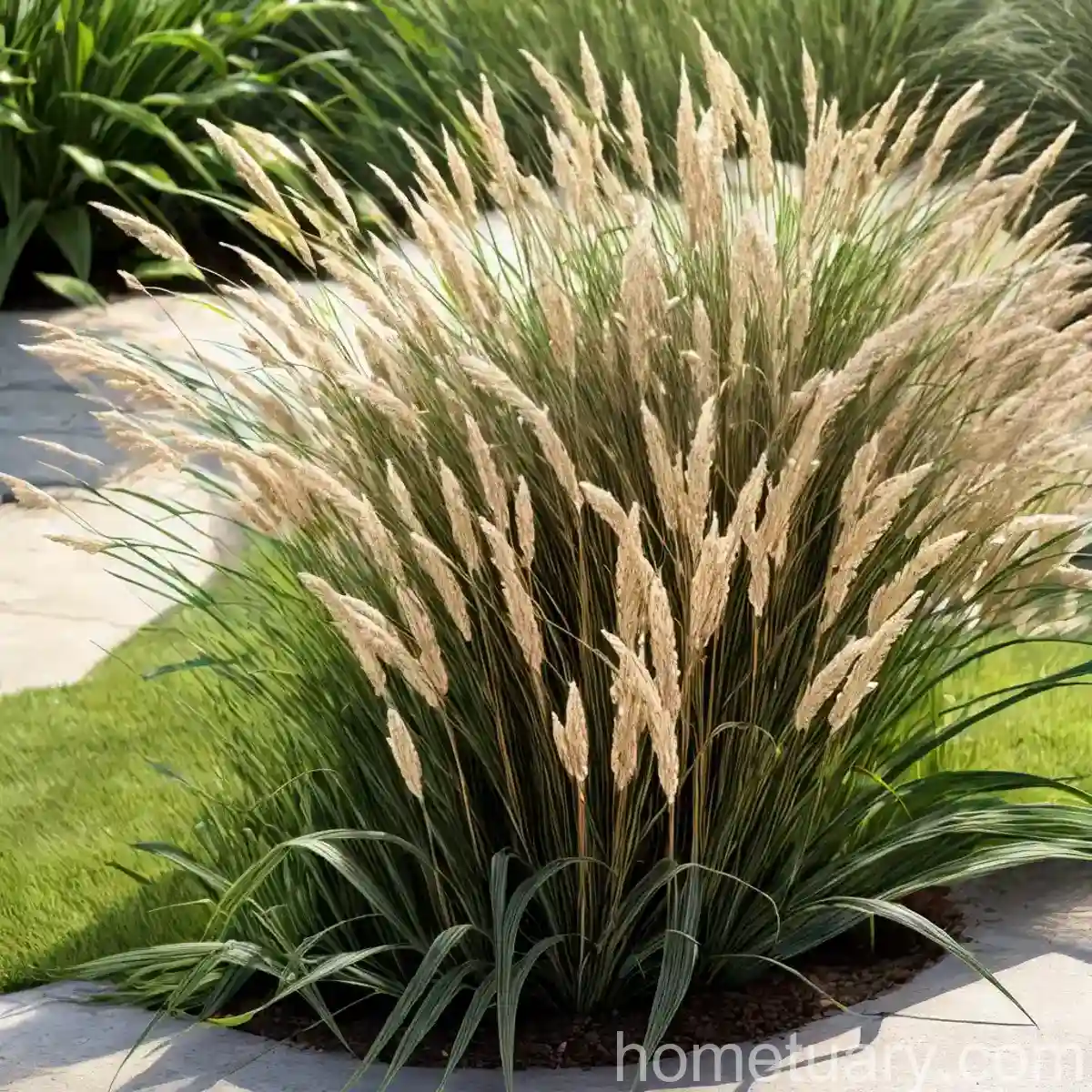
Indian grass (Sorghastrum nutans) is a native grass species that is commonly found in the tallgrass prairies of the central and eastern United States. Specifically, the ‘St. Louis’ cultivar is recognized for its ornamental qualities, making it a popular choice for landscaping and native plant restoration projects.
Key Takeaways – Indian Grass (Sorghastrum nutans ‘St. Louis’)
Before we dive into the specifics of Indian grass, let’s highlight some key takeaways about this native grass species.
- Indian grass (Sorghastrum nutans ‘St. Louis’) is a tallgrass prairie grass that is well-suited for landscaping in the Midwest and other regions with similar climates.
- It is a native grass species that is valued for its ornamental characteristics and ecological benefits.
- The ‘St. Louis’ cultivar is known for its upright growth habit, golden seed heads, and adaptability to various growing conditions.
- Indian grass is a resilient and drought-tolerant plant, making it suitable for sustainable and low-maintenance landscapes.
- It serves as an important resource for wildlife, including birds, insects, and small mammals, due to its seed production and habitat value.
Now that we have an overview of Indian grass, let’s explore its culture, uses, and specific requirements for successful cultivation.
Culture
Water
Indian grass is known for its adaptability to different moisture levels, making it suitable for a wide range of landscapes. Once established, it exhibits good drought tolerance, making it an excellent choice for low-maintenance and sustainable gardens. However, during the establishment phase, regular watering is essential to ensure healthy growth. Here are some key points to consider regarding watering:
- Establishment Phase: Water young plants regularly to promote root development and overall plant health. Gradually reduce watering frequency once the plant is established.
- Drought Tolerance: Indian grass demonstrates remarkable resilience to drought conditions, reducing the need for supplemental watering in arid or semi-arid regions.
- Naturalized Landscapes: In naturalized or prairie-style landscapes, Indian grass can thrive with minimal irrigation, relying on natural rainfall for its water needs.
Sunlight
Indian grass is a sun-loving plant that thrives in full sunlight. When selecting a planting location, consider the following factors:
- Sun Exposure: Choose a site that receives at least 6-8 hours of direct sunlight per day for optimal growth and flowering.
- Shade Tolerance: While Indian grass prefers full sun, it can tolerate some light shade. However, reduced sunlight exposure may lead to decreased flowering and overall vigor.
Fertilizer
One of the appealing characteristics of Indian grass is its relatively low fertilizer requirements once it is established in the landscape. The following points outline key considerations for fertilizing Indian grass:
- Establishment Phase: Prior to planting, incorporate organic matter, such as compost, into the soil to provide essential nutrients and improve soil structure.
- Minimal Fertilization: Once established, Indian grass typically does not require additional fertilization if grown in nutrient-rich soils. Avoid excessive use of nitrogen-rich fertilizers, as this can promote lush growth and reduce the plant’s overall resilience.
Soil
Indian grass is adaptable to a variety of soil types, including clay, loam, and sandy soils. Its ability to thrive in different soil conditions makes it a versatile choice for landscaping projects. Consider the following soil-related factors:
- Soil pH: Indian grass prefers slightly acidic to neutral soil (pH 6.0-7.0). Conduct a soil test to assess the pH level and make any necessary adjustments before planting.
- Drainage: Ensure that the planting site has good drainage to prevent waterlogging, especially during the establishment phase.
- Soil Texture: While Indian grass can adapt to various soil textures, well-draining loamy soils are ideal for promoting healthy root development and overall plant growth.
Pruning
Minimal pruning is required for Indian grass, as it naturally maintains an attractive upright growth habit and distinct seed heads. However, some light maintenance can help enhance its visual appeal and prevent the accumulation of dead foliage. Here are some tips for pruning Indian grass:
- Spring Maintenance: In early spring, remove any dead or damaged foliage from the previous season to promote new growth and maintain a tidy appearance.
- Seed Head Removal: After the flowering period, consider leaving the seed heads intact to provide food for wildlife during the winter months. However, if a cleaner look is desired, the seed heads can be gently trimmed back in late winter or early spring before new growth emerges.
Propagation
Indian grass can be propagated through both seeds and division, offering flexibility for gardeners and landscape professionals. The following points outline the propagation methods for Indian grass:
- Seed Propagation: Collect mature seeds from existing plants in the fall and store them in a cool, dry place until the following spring. Sow the seeds in well-prepared soil and keep the area consistently moist until germination occurs.
- Division: Established clumps of Indian grass can be divided in early spring before new growth emerges. Carefully separate the clumps and replant the divisions in prepared soil to establish new plants.
Container Popularity
Indian grass, particularly the ‘St. Louis’ cultivar, has gained popularity for container gardening due to its ornamental qualities and adaptability to container environments. The following factors contribute to its popularity in container gardening:
- Ornamental Value: Indian grass adds vertical interest and texture to container displays, making it a visually appealing choice for patio gardens, urban landscapes, and mixed container plantings.
- Drought Tolerance: The ability of Indian grass to withstand periods of dryness makes it well-suited for container environments, where soil moisture levels can fluctuate more rapidly than in the ground.
- Wildlife Attraction: Even in containers, Indian grass can attract pollinators and provide food and habitat for beneficial insects, contributing to a vibrant and ecological container garden.
Common Diseases
Indian grass is relatively resistant to diseases, especially when grown in favorable conditions and provided with proper care. However, some environmental factors and cultural practices can contribute to potential disease issues. Here are some common diseases that may affect Indian grass:
- Rust: This fungal disease can cause orange or brown pustules on the leaves, leading to reduced vigor and aesthetic appeal. To prevent rust, ensure good air circulation and avoid overhead watering, which can create humid conditions favoring fungal growth.
- Leaf Spot: Various fungi can cause leaf spot, leading to the development of dark lesions on the foliage. To minimize leaf spot incidence, avoid overhead watering and provide adequate spacing between plants to promote air movement.
Disease Diagnosis
When diagnosing potential diseases on Indian grass, it is important to closely examine the plant and consider environmental factors that may contribute to disease development. Consulting with local extension services or plant health specialists can help in accurate disease diagnosis and the implementation of effective management practices.
Common Pests
Indian grass is relatively resistant to pest infestations, particularly when grown in naturalistic or prairie-style landscapes. However, some pests may occasionally affect this grass species. Here are a few common pests that may be observed on Indian grass:
- Aphids: These tiny insects can cluster on the foliage and stems, sucking plant juices and potentially causing distortion or yellowing of the leaves. Natural predators, such as ladybugs and lacewings, can help control aphid populations in outdoor settings.
- Grasshoppers: These herbivorous insects may feed on the foliage and stems of Indian grass, particularly in open landscapes with adjacent grassy areas. Physical barriers and natural predators can help manage grasshopper populations.
Botanist’s Tips
Seasoned botanists offer valuable insights and recommendations for successful cultivation and management of Indian grass. Here are some tips from botanists:
- Native Plant Landscaping: Incorporate Indian grass into native plant landscaping projects to create sustainable and ecologically vibrant landscapes that support local wildlife and contribute to regional biodiversity.
- Maintenance Practices: Practice minimal intervention in Indian grass landscapes to allow for natural ecological processes and to maintain the plant’s distinct ornamental and habitat value.
- Community Outreach: Engage with local communities and educational institutions to promote the importance of native grass species, such as Indian grass, in sustainable landscaping and ecological restoration efforts.
Fun Facts
To appreciate Indian grass even more, here are some fun and interesting facts about this native grass species:
- Historical Significance: Indian grass was historically used by Native American tribes for various purposes, including basket weaving, thatching, and livestock forage.
- Wildlife Habitat: Indian grass provides valuable habitat and food resources for a diverse range of wildlife, including birds, insects, and small mammals.
- Prairie Restoration: Many conservation organizations and land managers use Indian grass in prairie restoration projects to re-establish native plant communities and support ecological diversity.
Links to External Resources
For further exploration and in-depth information about Indian grass (Sorghastrum nutans ‘St. Louis’) and related topics, consider the following external resources:
- Missouri Botanical Garden – Indian Grass
- The Prairie Ecologist – Sorghastrum nutans
- Lady Bird Johnson Wildflower Center – Sorghastrum nutans
- University of Wisconsin-Madison – Grassland Plants of the Prairie Garden
By exploring these resources, you can delve deeper into the world of Indian grass and its ecological, cultural, and practical significance in sustainable landscaping, prairie restoration, and native plant gardening.
In conclusion, Indian grass (Sorghastrum nutans ‘St. Louis’) encompasses a rich blend of ornamental, ecological, and cultural attributes, making it a valuable addition to diverse landscapes and native plant initiatives. Its resilience, adaptability, and aesthetic charm highlight the importance of native grass species in sustainable gardening and ecological restoration. Whether it’s used in prairie-style landscapes, wildlife-friendly gardens, or native plant restoration projects, Indian grass offers a compelling story of resilience, beauty, and ecological significance.
As you consider your gardening and landscaping plans, take a closer look at Indian grass and discover the many rewards of incorporating this native grass species into your outdoor spaces. Its golden seed heads, upright growth habit, and overall ecological value make it an appealing choice for those seeking sustainability, beauty, and habitat support in their landscapes.
For the references for the linking of resources, please visit the Word and check the list properly if its meet your criteria or not. I am here to update the content if you need the links.