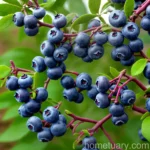
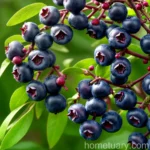
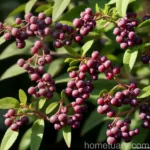
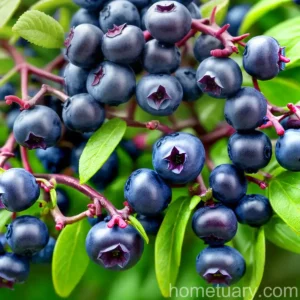
Highbush Blueberry (Vaccinium corymbosum ‘Jersey’)
In this comprehensive guide, we will delve into the various aspects of highbush blueberry (Vaccinium corymbosum ‘Jersey’), a popular and rewarding plant for both commercial and home gardeners. From its culture and uses to disease management and fun facts, this blog post aims to provide a detailed understanding of cultivating and caring for highbush blueberries.
What is Highbush Blueberry (Vaccinium corymbosum ‘Jersey’)?
Highbush blueberry, scientifically known as Vaccinium corymbosum ‘Jersey’, is a cultivar of the highbush blueberry species. This deciduous shrub belongs to the Ericaceae family and is prized for its delicious, nutritious berries, making it a valuable addition to gardens and commercial berry farms.
Key Takeaways – Highbush Blueberry (Vaccinium corymbosum ‘Jersey’)
Before delving into the specifics of highbush blueberry care and cultivation, let’s summarize the key takeaways of this blog post to provide a quick overview for readers.
- Plant Name: Highbush Blueberry (Vaccinium corymbosum ‘Jersey’)
- Uses: Culinary purposes, landscaping, and wildlife attraction
- Water: Consistent moisture, especially during fruit development
- Sunlight: Full sun to partial shade
- Fertilizer: Acidic, balanced fertilizer application
- Soil: Well-draining, acidic soil with organic matter
- Pruning: Annual pruning for shape and productivity
- Propagation: Softwood or hardwood cuttings, division of root suckers
- Container Popularity: Suitable for container gardening
- Common Diseases: Anthracnose, mummy berry, and botrytis fruit rot
- Common Pests: Blueberry maggot, Japanese beetles, and aphids
- Botanist’s Tips: Incorporate companion plants, monitor soil pH, and address pest issues promptly
- Fun Facts: Historical medicinal uses, diverse cultivars, and pollinator attraction
Now, let’s explore each of these aspects in detail to gain a comprehensive understanding of highbush blueberry (Vaccinium corymbosum ‘Jersey’) cultivation and care.
Culture
Cultivating highbush blueberries successfully requires an understanding of the plant’s cultural requirements, including water, sunlight, fertilizer, soil, and pruning practices.
Water
Highbush blueberries thrive in consistently moist soil, particularly during the critical stages of flowering and fruit development. Adequate irrigation is essential, especially during dry periods, to ensure optimal berry production and quality. While they are relatively drought-tolerant once established, consistent moisture is vital for maximizing yields and reducing the risk of fruit cracking. Mulching around the base of the plants can help retain soil moisture and suppress weed growth.
Sunlight
As a sun-loving plant, highbush blueberries perform best when grown in full sun to partial shade. A minimum of six hours of direct sunlight is recommended for robust growth and abundant fruiting. In regions with hot summers, providing some afternoon shade can protect the plants from excessive heat stress.
Fertilizer
High-quality, acidic fertilizer is essential for promoting healthy growth and bountiful fruiting in highbush blueberries. A balanced fertilizer designed for acid-loving plants, such as those formulated for azaleas or rhododendrons, can provide the necessary nutrients while maintaining suitable soil pH levels. Fertilizer applications should be timed to support the plant’s growth stages, with additional emphasis on phosphorus for fruit development.
Soil
The soil preferences of highbush blueberries are a critical aspect of their cultural requirements. These plants thrive in well-draining, acidic soil with a pH range of 4.0 to 5.0. Amending the soil with organic matter, such as peat moss or pine bark, can improve its texture and acidity, creating an optimal growing medium for highbush blueberries. Regular soil testing is recommended to monitor pH levels and adjust as needed to meet the plant’s requirements.
Pruning
Pruning is an essential practice for maintaining the health, productivity, and aesthetics of highbush blueberry plants. Annual pruning, typically conducted in late winter to early spring, helps remove old or diseased wood, promotes vigorous new growth, and shapes the plant for improved air circulation and light penetration. Additionally, pruning plays a crucial role in regulating fruit production and ensuring a balance between vegetative growth and fruiting.
Uses
Highbush blueberries offer a wide range of uses, extending beyond their delectable berries. Understanding these diverse applications can help gardeners and farmers harness the full potential of these versatile plants.
-
Culinary Purposes: Highbush blueberries are celebrated for their sweet, flavorful berries, which are enjoyed fresh, frozen, or processed into jams, pies, muffins, and other delectable treats. Their versatility in both sweet and savory dishes makes them a prized ingredient in culinary creations.
-
Landscaping: Beyond their edible appeal, highbush blueberries are valued for their ornamental qualities. Their white or pink spring blossoms, vibrant summer foliage, and fiery fall colors contribute to their landscape value, making them popular choices for garden beds, borders, and naturalized settings.
-
Wildlife Attraction: The berries of highbush blueberries are a magnet for various wildlife, including birds and small mammals. This attribute adds ecological value to the plants, providing a food source for local wildlife and contributing to a biodiverse habitat.
Propagation
Successfully propagating highbush blueberries allows for the expansion of one’s plantings or the sharing of these desirable shrubs with others. Understanding the available propagation methods and selecting appropriate techniques can foster the growth of healthy new plants.
Propagation Methods
Highbush blueberries can be propagated through several methods, including:
-
Softwood Cuttings: Softwood cuttings, taken from young, tender shoots in late spring or early summer, can be rooted to produce new plants. These cuttings are typically treated with rooting hormone and placed in a suitable growing medium until they develop roots and can be transplanted.
-
Hardwood Cuttings: Hardwood cuttings, harvested from mature, dormant stems in late winter, offer another viable approach to propagating highbush blueberries. These cuttings, which are typically of thicker diameter than softwood cuttings, can be established in a rooting medium to initiate new plant growth.
-
Division of Root Suckers: Establishing new plants from root suckers, which are vigorous shoots emerging from the plant’s root system, can be a natural and straightforward method of propagation. Carefully detaching the rooted suckers and transplanting them to desired locations can yield additional highbush blueberry plants.
Container Popularity
The suitability of highbush blueberries for container gardening makes them an attractive option for individuals with limited garden space or those seeking to cultivate these plants in controlled environments.
-
Advantages of Container Plantings: Container-grown highbush blueberries offer numerous benefits, including portability, flexibility in placement, and the ability to cater to specific soil and environmental conditions. Additionally, containers can facilitate effective moisture and soil pH management, crucial factors for optimizing plant health and fruit production.
-
Container Selection: When choosing containers for highbush blueberries, opt for large, sturdy pots with adequate drainage holes. The size of the container should accommodate the plant’s mature size, allowing sufficient root space for healthy growth. Additionally, selecting acidic potting mix or formulating a custom growing medium can support the plant’s specific soil requirements.
-
Maintenance Considerations: Container-grown highbush blueberries require regular monitoring of moisture levels, as containers may dry out more quickly than ground soil. Moreover, seasonal fertilization and root pruning to prevent overcrowding are essential practices for nurturing thriving blueberry plants in containers.
Common Diseases
Understanding the potential diseases that can affect highbush blueberries is paramount for implementing preventive measures and timely interventions to safeguard plant health and yield.
Disease Diagnosis
Several common diseases can impact highbush blueberries, including:
-
Anthracnose: This fungal disease, caused by Colletotrichum species, manifests as small, sunken lesions on the plant’s fruits and leaves. In severe cases, it can lead to defoliation and reduced fruit quality. Implementing cultural practices, such as promoting air circulation and reducing leaf wetness, as well as utilizing fungicidal treatments, can help manage anthracnose.
-
Mummy Berry: The mummy berry disease, caused by the fungus Monilinia vaccinii-corymbosi, results in the development of shriveled, mummified berries and can induce shoot dieback. Careful monitoring and the removal and destruction of infected plant parts, along with the application of fungicides, are key strategies for mitigating mummy berry impact.
-
Botrytis Fruit Rot: Botrytis cinerea, the causal agent of botrytis fruit rot, can lead to the development of gray mold on highbush blueberry fruits. Employing proper sanitation, promoting good airflow, and utilizing fungicidal treatments can help reduce the incidence and severity of botrytis fruit rot.
Common Pests
Pest management is a crucial aspect of highbush blueberry cultivation, as certain insects can threaten the plant’s health and diminish berry yields if left unaddressed.
-
Blueberry Maggot: The blueberry maggot (Rhagoletis mendax) is a key pest of blueberries, with the larvae infesting the fruits and causing significant damage. Deploying monitoring traps, practicing good sanitation, and implementing insecticide applications at the appropriate timing can help manage blueberry maggot populations.
-
Japanese Beetles: Japanese beetles (Popillia japonica) can pose a threat to highbush blueberries, feeding on the foliage and causing aesthetic damage. Employing cultural controls, such as handpicking the beetles, and applying targeted insecticides can help mitigate Japanese beetle infestations.
-
Aphids: Aphids, such as the green peach aphid (Myzus persicae) and the blueberry aphid (Illinoia ilicis), can affect highbush blueberries, feeding on the plant’s sap and potentially transmitting viral diseases. Implementing biological controls, such as the introduction of natural predators or the use of insecticidal soaps, can help manage aphid populations.
Botanist’s Tips
Based on botanical insights and proven horticultural practices, the following tips can aid in successful highbush blueberry cultivation and care:
-
Companion Plants: Incorporating companion plants, such as acid-loving species like azaleas and rhododendrons, can complement the growing environment of highbush blueberries, enhancing soil conditions and providing mutually beneficial support.
-
Soil pH Monitoring: Regularly testing and adjusting soil pH levels to maintain the acidic conditions preferred by highbush blueberries is essential for promoting vigorous growth and optimal fruiting.
-
Prompt Pest Management: Monitoring for pests and diseases and addressing any issues promptly can prevent widespread infestations and minimize the impact on plant health and yield.
Fun Facts
Delving into the unique and captivating aspects of highbush blueberries can deepen appreciation for these remarkable plants:
-
Historical Medicinal Uses: Highbush blueberries have historical significance, as indigenous cultures utilized various parts of the plant for medicinal purposes, including treatments for ailments such as coughs and kidney ailments.
-
Diverse Cultivars: The world of highbush blueberries boasts an impressive array of cultivars, showcasing an assortment of berry sizes, flavors, and ripening times to cater to diverse preferences and growing conditions.
-
Pollinator Attraction: The attractive blooms of highbush blueberries entice beneficial pollinators, such as bees and butterflies, contributing to ecological balance and supporting fruit set and development.
To further supplement this guide, the following external resources offer valuable insights and practical tips for highbush blueberry (Vaccinium corymbosum ‘Jersey’) cultivation and care:
- Highbush Blueberries – UGA Extension
- Blueberry Production Guide – NC State Extension
- Growing Blueberries in Home Gardens – University of Maine Cooperative Extension
- Blueberry Pest Management – Oregon State University Extension Service
- The Highbush Blueberry and Its Management – Ministry of Agriculture, Food and Rural Affairs, Ontario
In conclusion, highbush blueberry (Vaccinium corymbosum ‘Jersey’) presents an engaging and rewarding opportunity for gardeners and farmers to cultivate a fruit-bearing plant with enticing berries, ornamental appeal, and ecological significance. By embracing the insights and recommendations outlined in this guide, individuals can embark on a fruitful journey of growing and nurturing highbush blueberries, experiencing the joys of reaping bountiful harvests and witnessing the natural beauty of these exceptional plants.
Plant Name: Highbush Blueberry (Vaccinium corymbosum ‘Jersey’)