Indian Grass (Sorghastrum nutans ‘Indian Steel’)
As a plant scientist with a passion for ornamental grasses, I find myself continually amazed by the vast array of grass species that grace our landscapes. One particular species that I find particularly captivating is the Indian grass, scientifically known as Sorghastrum nutans ‘Indian Steel’. This unique grass variety boasts not only striking visual appeal but also possesses several distinct growth characteristics that make it a valuable addition to any garden or landscape setting.
In this comprehensive guide, we will explore the key aspects of Indian grass, including its culture, uses, water and sunlight requirements, fertilizer needs, soil preferences, pruning methods, propagation techniques, and much more. Additionally, we’ll delve into the common diseases and pests that can affect Indian grass, along with tips for effective maintenance. Whether you’re a seasoned horticulturist or a budding gardening enthusiast, this article aims to provide valuable insights into the cultivation and care of Indian grass.
Let’s embark on a journey to unravel the secrets of this alluring grass species and discover how to best incorporate it into your outdoor spaces.
What is Indian Grass?
Indian grass (Sorghastrum nutans ‘Indian Steel’) is a perennial, warm-season grass that belongs to the Poaceae family. It is native to North America, where it is often found in prairies, open woodlands, and along roadsides. Renowned for its striking visual appeal and versatility, this grass has become a popular choice for landscaping and gardening purposes.
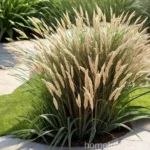
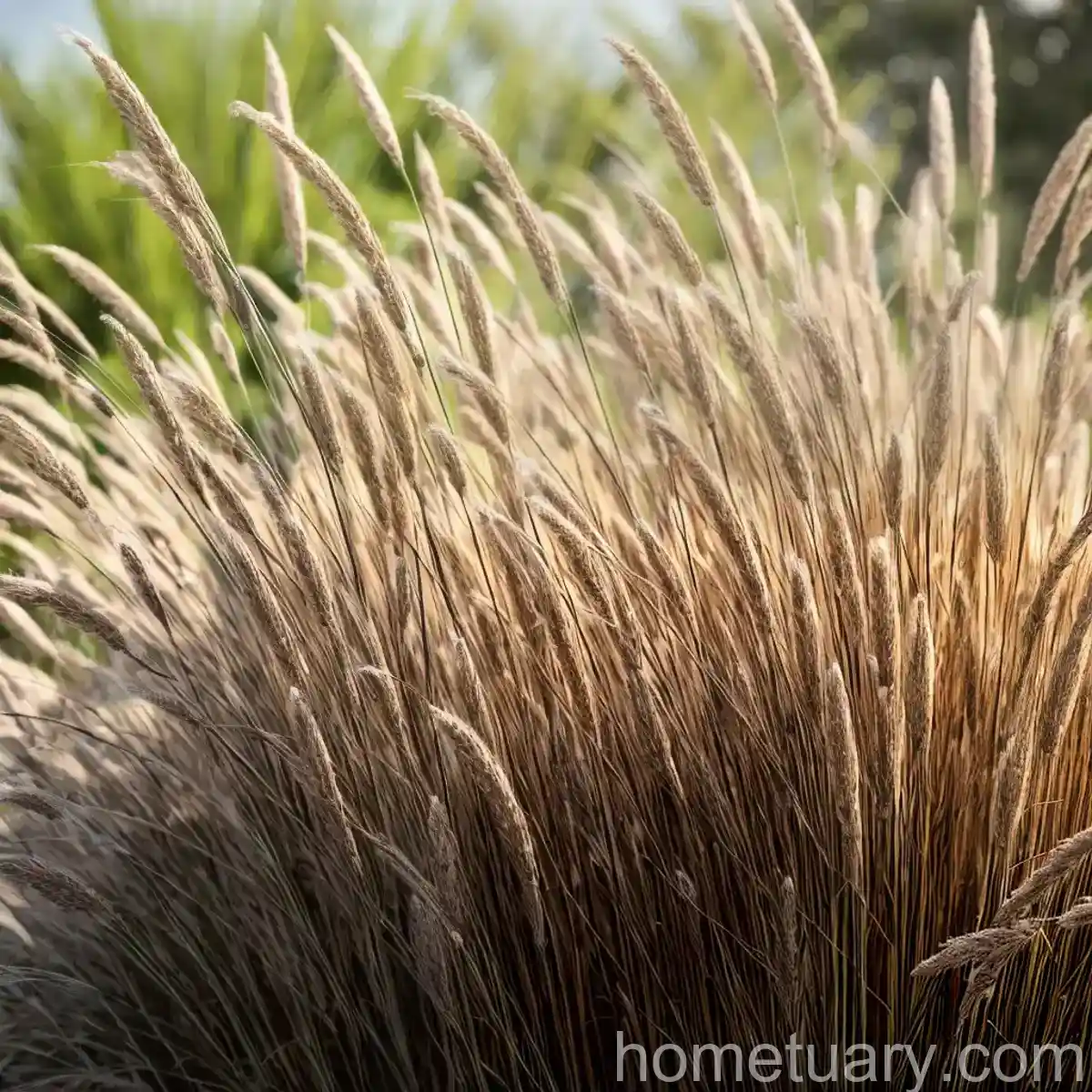
The ‘Indian Steel’ variety is particularly cherished for its sturdy, upright growth habit, and its striking blue-green foliage. As its common name suggests, it is also known for its steel-blue colored leaves, which create an eye-catching display in any setting. When in bloom, Indian grass produces delicate, feathery flower heads that add an airy, ethereal quality to the plant.
With its graceful appearance and adaptability to various growing conditions, Indian grass has become a beloved choice for both residential and commercial landscapes. Let’s dive deeper into the key attributes and characteristics of this captivating ornamental grass.
Key Takeaways – Indian Grass (Sorghastrum nutans ‘Indian Steel’)
Before we delve into the specific aspects of Indian grass cultivation and care, let’s summarize the key takeaways related to this enchanting grass variety.
- Common Name: Indian grass
- Scientific Name: Sorghastrum nutans ‘Indian Steel’
- Family: Poaceae
- Hardiness Zones: 3-9
- Growth Habit: Perennial
- Foliage Color: Blue-green (‘Indian Steel’ variety)
- Flower Color: Coppery-bronze
- Height: 4-6 feet
- Sunlight: Full sun
- Watering: Moderate
- Soil Type: Well-draining, fertile soil
- Uses: Landscaping, erosion control, wildlife gardens
- Common Diseases: Rust, leaf spots
- Common Pests: Aphids, grasshoppers
- Propagation: Seed, division
- Maintenance: Low to moderate
- Special Features: Attracts wildlife, drought tolerant
Now that we have an overview of Indian grass, let’s explore each aspect in detail to gain a comprehensive understanding of its cultivation requirements and potential uses.
Culture
Cultivating Indian grass involves understanding its specific cultural requirements, including water, sunlight, soil, and fertilizer needs. By adhering to these guidelines, you can create an optimal environment for the healthy growth and development of this striking ornamental grass.
Water
Indian grass exhibits moderate drought tolerance once established, making it an excellent choice for landscapes in regions with drier conditions. However, during its initial establishment phase and in periods of prolonged drought, regular watering is essential to support healthy growth. As a general guideline, provide about 1 inch of water per week, either through rainfall or supplemental irrigation, particularly during the first growing season.
Sunlight
As a warm-season grass, Indian grass thrives in full sun exposure. It requires at least 6-8 hours of direct sunlight per day to maintain robust growth and display its characteristic vibrant foliage. When selecting a planting location for Indian grass, prioritize areas that receive ample sunlight throughout the day to ensure its optimal development.
Fertilizer
Indian grass generally thrives in nutrient-rich soil and rarely requires supplemental fertilization once established in a suitable location. However, if the soil is deficient in essential nutrients, a balanced, slow-release fertilizer with a higher nitrogen content can be applied in early spring to bolster the plant’s growth. Always perform a soil test before applying any fertilizers to determine the specific nutritional needs of the soil.
Soil
The soil preferences of Indian grass lean towards well-draining, fertile soil with a slightly acidic to neutral pH range. It can adapt to various soil types, including sandy loam, clay loam, and loam, as long as they offer good drainage and aeration. Prior to planting, amend heavy clay soils with organic matter to improve their structure and drainage properties. Avoid waterlogged or compacted soils, as they can impede root development and lead to moisture-related issues.
Pruning
Pruning Indian grass primarily involves management practices to maintain its tidy appearance and control its size. While Indian grass does not require extensive pruning, the following guidelines can help manage its growth effectively:
- Spring Maintenance: In late winter or early spring, remove any dead or damaged foliage from the previous season to encourage the emergence of new growth.
- Fall Cleanup: After the growing season has concluded, typically in late fall, carefully trim back the foliage to about 4-6 inches above ground level. This helps prevent the accumulation of thatch and prepares the plant for renewed growth in the following season.
These simple pruning measures help preserve the health and vigor of Indian grass while ensuring a visually appealing form throughout the year.
Propagation
Indian grass can be propagated through both seed and division methods, offering gardeners flexibility in expanding their plantings or sharing the beauty of this grass with others.
Seed Propagation:
1. Collect mature seed heads from the plant in late summer or early fall when they have turned brown and are easy to remove.
2. Clean the seeds by removing any debris and dry them thoroughly before storage or sowing.
3. In the fall or early spring, sow the seeds directly into prepared soil, lightly covering them with a thin layer of soil, and keeping the area consistently moist until germination occurs.
Division:
1. Divide established Indian grass clumps in early spring before new growth emerges or in late fall after the growing season has ended.
2. Use a sharp, clean garden spade to carefully separate the root ball into smaller sections, each containing healthy rhizomes and shoots.
3. Replant the divided sections in prepared soil at the same depth as the original plant, ensuring they receive adequate moisture during the establishment phase.
Both propagation methods are effective in producing new Indian grass plants, allowing enthusiasts to expand their collections or introduce this captivating grass to new garden spaces.
Container Popularity
While Indian grass is often showcased in expansive landscapes and garden beds, it also holds great potential as a container-grown specimen. Its graceful form and striking foliage make it an attractive choice for patio displays, mixed planters, and urban gardens. When cultivating Indian grass in containers, consider the following factors to ensure its successful growth:
- Container Size: Select a sufficiently large container that provides ample space for the grass’s root system and accommodates its mature size.
- Drainage: Ensure the container has adequate drainage holes to prevent waterlogging, as excessive moisture can be detrimental to the plant’s health.
- Soil: Use a well-draining potting mix enriched with organic matter to support the nutrient needs of Indian grass in a container environment.
- Sunlight: Position the container in a location that receives full sun exposure for the majority of the day, such as a south-facing patio or balcony.
By embracing Indian grass as a container specimen, gardeners can infuse their urban and small-space landscapes with the beauty and resilience of this captivating grass variety.
Common Diseases
While Indian grass is generally resilient to most pests and diseases, certain ailments can affect its vitality under unfavorable conditions. Understanding the common diseases that can impact this ornamental grass equips gardeners with the knowledge to identify and address any potential issues effectively.
Disease Diagnosis
Two prevalent diseases that may affect Indian grass are rust and leaf spots. Rust manifests as orange to reddish-brown pustules on the foliage, indicative of fungal infection. Leaf spots, caused by various fungal pathogens, appear as small, dark lesions on the leaves, potentially leading to extensive damage under conducive conditions.
To mitigate the impact of these diseases, implement the following strategies:
- Cultural Practices: Ensure proper air circulation around the plants and avoid overhead watering to minimize moisture on the foliage, creating an environment less favorable to fungal development.
- Sanitation: Promptly remove and destroy affected plant material to prevent the spread of pathogens, and consider using disease-resistant cultivars where available.
- Fungicidal Treatments: As a last resort, apply fungicidal sprays according to label instructions if disease symptoms persist despite cultural measures.
By integrating these disease management practices, gardeners can safeguard their Indian grass from the detrimental effects of common fungal diseases.
Common Pests
Indian grass may encounter infestations from various pests, albeit relatively infrequently. Among the potential invaders, aphids and grasshoppers rank among the most common culprits.
- Aphids: These small, sap-feeding insects may congregate on the tender new growth of Indian grass, causing distortion of the leaves and the secretion of sticky honeydew. Natural predators and insecticidal soaps or oils can help control aphid populations effectively.
- Grasshoppers: These voracious feeders can consume substantial portions of the foliage, contributing to defoliation if left unchecked. Hand-picking, barriers, and insecticidal treatments can help manage grasshopper populations and protect the grass from excessive damage.
By monitoring the plants regularly and intervening promptly at the first signs of pest activity, gardeners can preserve the health and integrity of their Indian grass specimens.
Botanist’s Tips
As we delve deeper into the world of Indian grass, it’s essential to highlight specific tips and recommendations to foster successful cultivation and care of this captivating ornamental grass. By embracing these insights, gardeners can elevate their Indian grass-growing experience and enjoy the full splendor of this versatile landscape gem.
- Native Plant Benefits: Indian grass, as a native North American species, offers numerous ecological benefits, including supporting local wildlife, contributing to pollinator habitats, and enhancing the overall biodiversity of the landscape.
- Companion Planting: Pair Indian grass with complementary native plants, such as coneflowers (Echinacea spp.), asters (Aster spp.), and prairie blazing star (Liatris pycnostachya), to create visually captivating and ecologically beneficial garden compositions.
By applying these recommendations, gardening enthusiasts can optimize their Indian grass plantings and uphold the innate beauty and ecological significance of this native grass species.
Fun Facts
In addition to its inherent beauty and resilience, Indian grass also boasts several intriguing and noteworthy attributes that contribute to its enduring popularity and horticultural significance. Let’s uncover some of the fascinating fun facts about this alluring grass species:
- Indian grass is a remarkably resilient grass species, capable of thriving in a variety of environmental conditions, including regions with periodic drought and infertile soils.
- The feathery, bronzy flower heads of Indian grass create a mesmerizing display, casting a soft, ethereal allure across the landscape.
- As a warm-season grass, Indian grass exhibits vigorous growth during the summer months, providing a dynamic and vibrant presence in the garden when many other plants are in dormancy.
These captivating fun facts serve to deepen our appreciation for the timeless allure and ecological significance of Indian grass, inspiring us to celebrate its prominence in both natural and cultivated landscapes.
Links to External Resources
As we conclude our exploration of Indian grass (Sorghastrum nutans ‘Indian Steel’), it’s crucial to acknowledge the value of seeking additional information and guidance from reputable external resources. Continuous learning and engagement with the broader horticultural community can enrich our understanding and appreciation of Indian grass and enhance our capabilities as cultivators and stewards of the natural world.
Here are some renowned external resources that offer valuable insights and perspectives on Indian grass, ornamental grasses, and related gardening practices:
- The United States Department of Agriculture (USDA) Plant Database
- The North American Native Plant Society (NANPS)
- The National Gardening Association (NGA)
- The American Horticultural Society (AHS)
- The Lady Bird Johnson Wildflower Center
By engaging with these esteemed organizations and platforms, gardeners and plant enthusiasts can broaden their horticultural knowledge, access reliable cultivation guidance, and contribute to the collective appreciation and conservation of Indian grass and native plant species.
In closing, the allure of Indian grass (Sorghastrum nutans ‘Indian Steel’) transcends its striking visual elegance, encompassing ecological benefits, versatile landscape applications, and a heritage deeply rooted in North American natural landscapes. By embracing the principles of sustainable gardening, ecological stewardship, and continuous learning, we can cultivate and cherish this enchanting grass species, nurturing its timeless beauty for generations to come.
Through a harmonious blend of scientific understanding, artistic expression, and environmental mindfulness, the Indian grass continues to captivate our hearts and inspire our horticultural endeavors, enriching our outdoor spaces and connecting us to the inherent splendor of the natural world.
As we bid farewell to this exploration, I encourage you to seek out Indian grass and witness its enduring charm firsthand, allowing it to weave its enchanting tapestry in your cherished garden or landscape sanctuary.
# Indian bluegrass
# Indian steel grass
# Sorghastrum nutans
# Indian grass plant
# Indian steel grass variety
# Ornamental Indian grass
# Native Indian grass
# Sorghastrum nutans cultivar
# Indian bluegrass variety
# Sorghastrum nutans ‘Indian Steel’ features
# Indian grass for landscaping
# Indian steel grass care
# Native ornamental grass
# Indian grass species
# Indian Steel Indian grass facts
# Growing Sorghastrum nutans ‘Indian Steel’
# Indian steel grass uses
# Tips for planting Indian grass
# Sorghastrum nutans ‘Indian Steel’ characteristics
# Indian grass varieties
# Indian steel grass garden
# Indian grass growth requirements
# Sorghastrum nutans ‘Indian Steel’ landscape ideas
# Indian steel grass in gardens
# Indian grass cultivation
# Indian Steel Indian grass variety information
# Benefits of Indian grass
# Growing Indian steel grass from seeds
# Indian grass plant care guide
# Sorghastrum nutans ‘Indian Steel’ in containers
# Indian steel grass for drought conditions
# Indian grass maintenance tips
# Sorghastrum nutans ‘Indian Steel’ plant profile
# Indian steel grass in mixed borders
# Indian grass characteristics and uses
# Indian Steel variety of Indian grass
# Growing Indian steel grass in pots
# Indian grass (Sorghastrum nutans ‘Indian Steel’) pests and diseases
# Indian grass landscaping ideas
# Sorghastrum nutans ‘Indian Steel’ for urban gardens
# Indian steel grass propagation methods
# Indian grass (Sorghastrum nutans ‘Indian Steel’) companion plants
# Indian Steel Indian grass in prairie gardens
# Sorghastrum nutans ‘Indian Steel’ for erosion control
# Indian steel grass as a groundcover
# Indian grass (Sorghastrum nutans ‘Indian Steel’) color variations
# Indian Steel Indian grass in wildlife gardens
# Sorghastrum nutans ‘Indian Steel’ growth habits
# Indian steel grass for xeriscaping
# Indian grass (Sorghastrum nutans ‘Indian Steel’) landscape design