Indian Grass (Sorghastrum Nutans ‘Sioux Blue’)
Ornamental grasses have been gaining popularity in landscaping and gardening due to their low maintenance, resilience, and aesthetic appeal. Among these.
Introduction
Ornamental grasses have been gaining popularity in landscaping and gardening due to their low maintenance, resilience, and aesthetic appeal. Among these ornamental grasses, Indian grass (Sorghastrum nutans ‘Sioux Blue’) stands out as a native ornamental grass that offers unique beauty and benefits. In this comprehensive guide, we will explore the various aspects of Indian grass, including its cultural requirements, uses, propagation, and maintenance. Whether you are a seasoned horticulturalist, a landscaping enthusiast, or a casual gardener, this blog post will provide you with valuable insights into harnessing the potential of Indian grass in your outdoor spaces.
What is Indian Grass (Sorghastrum nutans ‘Sioux Blue’)?
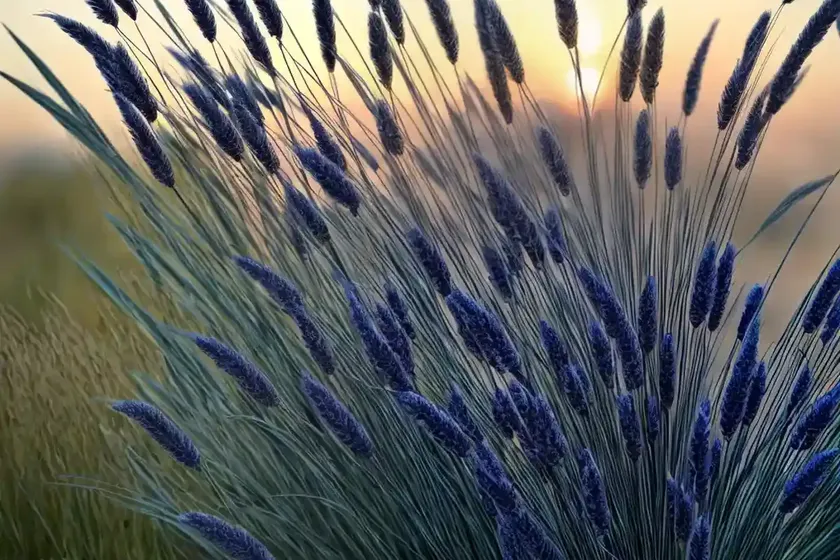
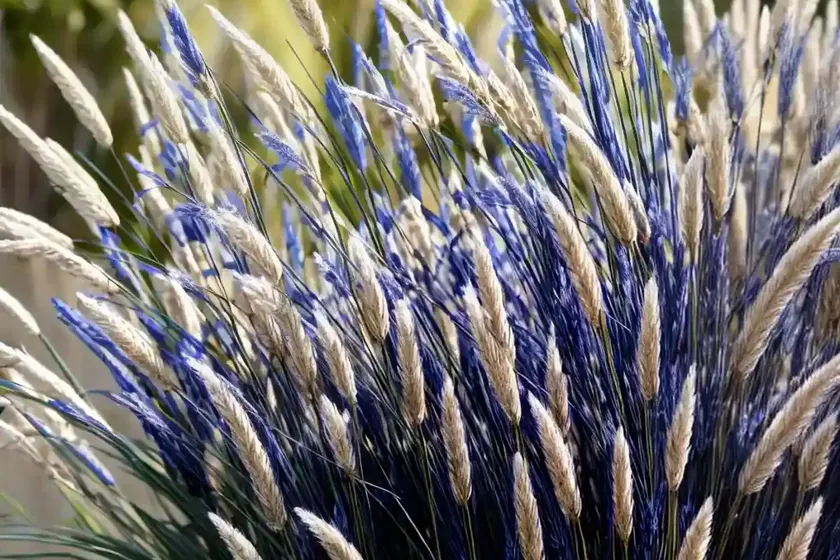
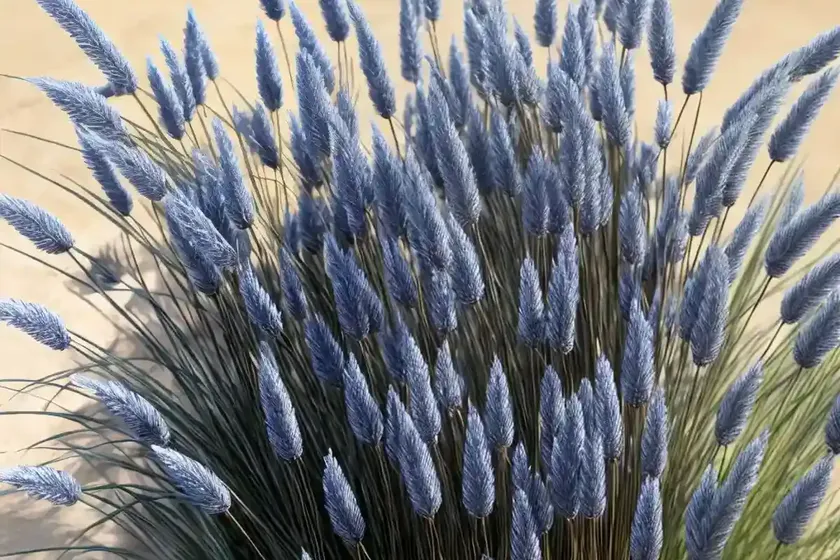
Indian grass, scientifically known as Sorghastrum nutans ‘Sioux Blue,’ is a native perennial grass species that is indigenous to the tallgrass prairies of North America. Known for its striking blue-green foliage and feathery seed heads, Indian grass adds an element of natural beauty to landscapes and gardens. Its vibrant coloration and graceful stature make it an excellent choice for providing visual interest and texture in both natural and formal garden settings.
Key Takeaways
When considering Indian grass for your landscape or garden, it is essential to understand its key attributes and requirements. Here are the key takeaways for Sorghastrum nutans ‘Sioux Blue’:
* Cultural Uses
* Water Requirements
* Sunlight Needs
* Fertilization
* Soil Preferences
* Pruning Guidelines
* Propagation Methods
* Container Gardening
* Popularity in Landscaping
* Common Diseases
* Disease Diagnosis
* Common Pests
* Expert Tips
* Fun Facts
* External Resources
Now, let’s delve into each of these aspects to gain a comprehensive understanding of how to cultivate and care for Indian grass effectively.
Culture
Uses
Indian grass (Sorghastrum nutans ‘Sioux Blue’) offers diverse uses in landscaping and gardening, making it a versatile and valuable addition to outdoor spaces. Its primary uses include:
1. Ornamental Value: The striking blue-green foliage and feathery seed heads of Indian grass lend ornamental value to gardens, meadows, and natural landscapes.
2. Wildlife Habitat: The dense growth and seed production of Indian grass attract various forms of wildlife, including birds and insects, making it an ecologically beneficial choice.
3. Erosion Control: With its extensive root system and ability to thrive in diverse soil conditions, Indian grass is an effective erosion control measure in landscapes.
4. Prairie Restoration: Indian grass plays a crucial role in restoring native prairie ecosystems and promoting biodiversity in habitats.
Water
Indian grass exhibits moderate drought tolerance once established, making it well-suited for xeriscaping and low-maintenance landscapes. However, adequate watering is essential during its establishment phase and periods of prolonged drought to ensure healthy growth and vitality.
Sunlight
Indian grass thrives in full sun exposure, requiring at least six to eight hours of direct sunlight per day. It is essential to position Indian grass in locations with ample sunlight to promote robust growth and the development of its characteristic blue-green color.
Fertilizer
Indian grass generally thrives in nutrient-poor soil and does not require regular fertilization. Excessive fertilization can lead to excessive foliage growth at the expense of its natural appearance. A balanced fertilizer application in early spring may be beneficial for promoting healthy growth in nutrient-deficient soil conditions.
Soil
Indian grass prefers well-drained soil with a preference for sandy or loamy textures. It can tolerate a wide range of soil pH levels, but it thrives in slightly acidic to neutral soil conditions. Amending heavy clay soils with organic matter can improve drainage and create an optimal growing environment for Indian grass.
Pruning
Pruning Indian grass is primarily focused on removing dead foliage and seed heads to maintain its aesthetic appeal and promote airflow within the plant. The following pruning guidelines can help ensure the health and appearance of Indian grass:
* Spring Pruning: In early spring, trim back the previous year’s growth to a few inches above the ground to facilitate new growth and rejuvenation.
* Deadheading Seed Heads: Removing spent seed heads in late fall or early winter can prevent self-seeding and promote a tidy appearance.
Propagation
Methods
Indian grass can be propagated through both seed-based and vegetative methods, allowing for the expansion of its presence in landscapes and natural settings. The following propagation methods are commonly used for Indian grass:
1. Seed Propagation: Collecting and sowing Indian grass seeds in the fall can yield new plants that maintain the characteristics of the parent plant.
2. Division: Dividing mature Indian grass clumps in early spring allows for the creation of new plantings and provides an effective means of rejuvenating established stands.
Container
Indian grass can thrive in containers, providing an excellent option for those with limited outdoor space or seeking to create visual interest on patios, balconies, or rooftops. When cultivating Indian grass in containers, it is crucial to consider the following aspects:
* Container Size: Choose a spacious container that accommodates the plant’s mature size and provides ample room for root development.
* Drainage: Ensure that the container has adequate drainage holes to prevent waterlogging and promote soil aeration.
* Growing Medium: Utilize a well-draining, nutrient-rich potting mix to support healthy growth and vitality in container-grown Indian grass.
Popularity
Indian grass, particularly the ‘Sioux Blue’ variety, has gained popularity in landscaping and gardening due to its captivating appearance and diverse applications. Its striking blue-green foliage and graceful seed heads make it a favored choice for various landscaping scenarios, including:
* Native and naturalistic landscapes
* Formal and informal garden settings
* Pollinator and wildlife habitat gardens
* Erosion-prone areas requiring aesthetic and functional solutions
* Low-maintenance landscapes seeking resilient and visually appealing plant selections
Common Diseases
Indian grass is generally resilient to a wide range of diseases, displaying robust growth and vitality in suitable growing conditions. However, vigilance for potential issues and proactive management can help maintain its health and appearance. Common diseases that may affect Indian grass include:
* Leaf Spot: Fungal leaf spot diseases can impact the appearance and vigor of Indian grass, leading to leaf discoloration and defoliation.
* Root Rot: Excessive soil moisture and poor drainage can predispose Indian grass to root rot, affecting its overall health and survival.
Disease Diagnosis
Diagnosing potential diseases in Indian grass involves careful observation of its foliage, stems, and overall condition. The following indicators can signal the presence of diseases or health issues in Indian grass:
* Foliage Discoloration: Yellowing, browning, or spotting of leaves may indicate fungal infections or nutrient imbalances.
* Stunted Growth: Reduced growth and vigor can be indicative of underlying root issues, such as rot or soil compaction.
Common Pests
While Indian grass is relatively resistant to pest infestations, certain insects and pests may pose occasional challenges to its health and appearance. Common pests that may affect Indian grass include:
* Aphids: Aphid infestations can lead to distorted growth and the secretion of honeydew, impacting the overall aesthetics of Indian grass.
* Grasshoppers: Feeding damage from grasshoppers can affect the foliage and seed heads of Indian grass, requiring proactive management in areas with high grasshopper populations.
Botanist’s Tips
As a plant scientist with expertise in ornamental grasses, I offer the following tips for cultivating and caring for Indian grass effectively:
* Site Selection: Choose a well-drained and sunny location for Indian grass to promote its optimal growth and aesthetic appeal.
* Mulching: Applying a layer of organic mulch around Indian grass can conserve soil moisture, suppress weed growth, and enhance its visual presentation.
* Companion Planting: Pair Indian grass with complementary perennials and grasses to create aesthetically pleasing combinations and support biodiversity in the landscape.
Fun Facts
Discover fascinating insights about Indian grass (Sorghastrum nutans ‘Sioux Blue’) that showcase its unique characteristics and ecological contributions:
* Historical Significance: Indian grass played a vital role in the ecosystems and cultures of North American prairies, serving as a primary food source for indigenous tribes and supporting diverse wildlife populations.
* Wildlife Support: The dense growth and seed production of Indian grass attract a wide array of wildlife, including songbirds, butterflies, and small mammals, contributing to the ecological richness of landscapes.
* Erosion Control Champion: With its deep root system and resilience to diverse soil conditions, Indian grass is an effective ally in combating soil erosion and stabilizing landscapes.
Links to External Resources
For further exploration of Indian grass and its cultivation, the following external resources provide valuable information and insights:
1. University of Minnesota Extension – Indian Grass
2. Missouri Botanical Garden – Sorghastrum nutans ‘Sioux Blue’
3. Lady Bird Johnson Wildflower Center – Sorghastrum nutans
4. North Carolina State University Extension – Native Warm-Season Grasses for Wildlife
5. The Xerces Society – Pollinator Conservation Resource Center
In conclusion, Indian grass (Sorghastrum nutans ‘Sioux Blue’) stands as a captivating and ecologically valuable addition to landscapes, showcasing its resilience, beauty, and contributions to wildlife and habitat enhancement. By understanding its cultural requirements, maintenance practices, and ecological significance, individuals can harness the full potential of Indian grass in diverse gardening and landscaping scenarios. Whether used as a focal point in naturalistic landscapes or as a functional element in erosion-prone areas, Indian grass exemplifies the enduring allure of native ornamental grasses.
References
- “University of Minnesota Extension – Indian Grass.” Extension.umn.edu. https://extension.umn.edu/planting-and-growing-guides/indiangrass
- “Missouri Botanical Garden – Sorghastrum nutans ‘Sioux Blue’.” Missouribotanicalgarden.org. https://www.missouribotanicalgarden.org/PlantFinder/PlantFinderDetails.aspx?kempercode=b878
- “Lady Bird Johnson Wildflower Center – Sorghastrum nutans.” Wildflower.org. https://www.wildflower.org/plants/result.php?id_plant=sonu
- “North Carolina State University Extension – Native Warm-Season Grasses for Wildlife.” Content.ces.ncsu.edu. https://content.ces.ncsu.edu/native-warm-season-grasses-for-wildlife
- “The Xerces Society – Pollinator Conservation Resource Center.” Xerces.org. https://xerces.org/pollinatorconservation


