Hylotelephium (Hylotelephium spectabile ‘Autumn Fire’): A Complete Guide
Hylotelephium (Hylotelephium spectabile ‘Autumn Fire’) is a stunning perennial plant that adds a vibrant burst of color to gardens and landscapes. This article provides a comprehensive guide to understanding and caring for this beautiful plant. From its cultural requirements to its propagation and common diseases, we will delve into every aspect of Hylotelephium spectabile ‘Autumn Fire’.
What is Hylotelephium (Hylotelephium spectabile ‘Autumn Fire’)?
Hylotelephium, formerly known as Sedum, is a genus of flowering plants in the family Crassulaceae. It encompasses a diverse group of succulent perennials that are prized for their hardiness, low maintenance, and attractive foliage. Among the many species within the Hylotelephium genus, Hylotelephium spectabile ‘Autumn Fire’ stands out for its striking appearance and exceptional performance in gardens and landscapes.
Key Takeaways – Hylotelephium (Hylotelephium spectabile ‘Autumn Fire’)
Before we delve into the intricacies of Hylotelephium spectabile ‘Autumn Fire’, let’s explore some key takeaways about this plant:
- Hylotelephium (Hylotelephium spectabile ‘Autumn Fire’) is a succulent perennial known for its vibrant foliage and attractive flowers.
- This plant is commonly used as a low-maintenance ground cover, in rock gardens, or as an ornamental feature in mixed perennial borders.
- It thrives in well-draining soil and requires minimal watering, making it an excellent choice for water-wise gardens.
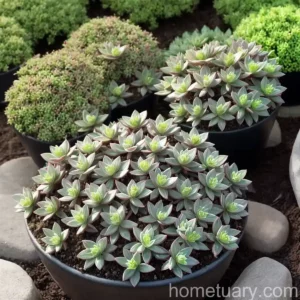
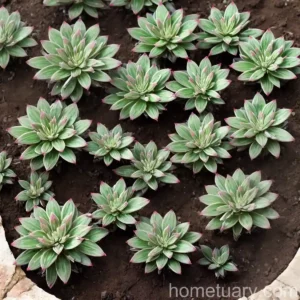
- Hylotelephium spectabile ‘Autumn Fire’ exhibits a striking transformation of its foliage from green to shades of red and burgundy as the season progresses, culminating in a spectacular display in autumn.
Now, let’s dive deeper into the cultural requirements, uses, and care of Hylotelephium spectabile ‘Autumn Fire’.
Culture
Understanding the cultural requirements of Hylotelephium spectabile ‘Autumn Fire’ is essential for ensuring its optimal growth and performance in a garden or landscape setting. From its water and sunlight needs to soil requirements and pruning, every aspect of its culture contributes to the plant’s overall health and appearance.
Uses
Garden and Landscape Applications
Hylotelephium spectabile ‘Autumn Fire’ is a versatile plant with a wide range of uses in garden and landscape design. Here are some common applications:
- Ground Cover: Due to its spreading growth habit and low maintenance requirements, Hylotelephium spectabile ‘Autumn Fire’ is often used as a ground cover in sunny areas of the garden.
- Rock Gardens: Its drought tolerance and ability to thrive in rocky, well-draining soil make it an excellent choice for rock gardens.
- Mixed Borders: The vibrant foliage and late-season blooms of ‘Autumn Fire’ add visual interest to mixed perennial borders, especially when planted alongside contrasting foliage or flowers.
- Container Gardening: Hylotelephium spectabile ‘Autumn Fire’ can be grown in containers, adding a pop of color to patio spaces, balconies, or other outdoor areas.
Water
Hylotelephium spectabile ‘Autumn Fire’ is a drought-tolerant plant and prefers well-draining soil. When establishing this plant, regular watering is necessary to help its roots develop and adjust to the new environment. As it becomes established, its water needs decrease, making it an excellent choice for water-wise gardens and landscapes.
Watering Needs
- During Establishment: Water the plant regularly during the first growing season to help it establish a strong root system.
- Mature Plants: Once established, Hylotelephium spectabile ‘Autumn Fire’ generally requires minimal supplemental watering, relying on natural rainfall in most climates.
Sunlight
Proper sunlight exposure is crucial for the growth and flowering of Hylotelephium spectabile ‘Autumn Fire’. As a sun-loving plant, it thrives in full sunlight and tolerates hot, dry conditions. Insufficient sunlight can result in leggy growth and reduced flowering.
Sunlight Requirements
- Full Sun: Plant ‘Autumn Fire’ in a location that receives at least 6-8 hours of direct sunlight per day for best results.
- Partial Shade: While it can tolerate some light shade, reduced sunlight may lead to weaker, less compact growth and diminished flowering.
Fertilizer
Hylotelephium spectabile ‘Autumn Fire’ typically does not require heavy fertilization, especially when grown in nutrient-rich soil. However, a balanced fertilizer application during the early stages of growth can support its establishment and promote healthy foliage and flowers.
Fertilization Guidelines
- Early Spring: Apply a slow-release, balanced fertilizer at the beginning of the growing season to provide nutrients for vigorous growth and flowering.
- Minimal Fertilization: Refrain from excessive fertilization, as Hylotelephium spectabile ‘Autumn Fire’ is adapted to nutrient-poor conditions and can thrive without heavy feeding.
Soil
The soil composition significantly influences the health and performance of Hylotelephium spectabile ‘Autumn Fire’. It thrives in well-draining, slightly acidic to neutral soil with minimal organic matter. Furthermore, it is important to ensure that the soil does not become waterlogged, as this can lead to root rot and other issues.
Soil Requirements
- Well-Draining Soil: Hylotelephium spectabile ‘Autumn Fire’ requires soil that allows excess water to drain away quickly, preventing waterlogged conditions that can harm the plant.
- Slightly Acidic to Neutral pH: Aim for a soil pH between 6.0 and 7.0 for optimal growth. Conduct a soil test to assess the pH and make amendments as needed.
- Minimal Organic Matter: While some organic matter is beneficial, excessive levels can lead to overly fertile soil, negatively impacting the plant’s performance.
Pruning
Pruning plays a crucial role in maintaining the attractive appearance of Hylotelephium spectabile ‘Autumn Fire’ and promoting healthy growth. Regular maintenance pruning and deadheading can help rejuvenate the plant, prevent overcrowding, and encourage abundant flowering.
Pruning Guidelines
- Spring Pruning: In late spring, remove any dead or damaged foliage and stems to facilitate new growth and maintain a tidy appearance.
- Deadheading: After the blooms fade, promptly deadhead the spent flowers to encourage additional blooming and prevent the development of seed heads.
Propagation
Propagation allows gardeners to expand their collection of Hylotelephium spectabile ‘Autumn Fire’ and share this beautiful plant with others. It can be propagated through several methods, including division, stem cuttings, and seed propagation.
Division
Dividing mature Hylotelephium spectabile ‘Autumn Fire’ plants is a straightforward method of propagation that yields reliable results. It is best carried out in early spring, before the growing season begins, to allow the new divisions to establish themselves.
Division Steps
- Prepare the Plant: Dig up the mature plant and gently shake off excess soil to expose the root system.
- Separate the Offsets: Identify natural divisions within the root system, known as offsets, and carefully separate them from the parent plant.
- Replant the Divisions: Plant the divided segments in prepared, well-draining soil, and water them thoroughly to support their establishment.
Stem Cuttings
Stem cuttings offer an effective way to propagate Hylotelephium spectabile ‘Autumn Fire’ while preserving the desired characteristics of the parent plant. This method is generally performed in spring or early summer when the plant is actively growing.
Stem Cutting Process
- Select Healthy Stems: Choose 4-6 inch long stem cuttings from the current season’s growth, ensuring that they are healthy and free from disease or damage.
- Prepare the Cuttings: Remove the lower leaves from the stem cuttings, leaving a small section of foliage at the top. Dip the cut ends in rooting hormone to promote root development.
- Plant the Cuttings: Insert the prepared stem cuttings into a well-draining rooting medium, such as perlite or a mix of perlite and peat moss. Keep the medium consistently moist and provide gentle bottom heat to encourage rooting.
Seed Propagation
While seed propagation of Hylotelephium spectabile ‘Autumn Fire’ is possible, it is important to note that the resulting seedlings may exhibit variation in traits compared to the parent plant. This method is best suited for creating new varieties and experimenting with genetic diversity within the species.
Seed Propagation Steps
- Harvesting Seeds: Collect mature seed heads from the ‘Autumn Fire’ plant as they begin to dry and develop a papery texture.
- Sowing the Seeds: Sow the seeds in a well-draining potting mix, lightly pressing them into the surface and covering them with a thin layer of vermiculite or fine sand.
- Germination and Seedling Care: Keep the soil consistently moist and place the container in a warm, well-lit area. Once the seedlings emerge, provide them with adequate light and gradually introduce them to outdoor conditions before transplanting them into the garden.
Container Popularity
Hylotelephium spectabile ‘Autumn Fire’ is well-suited for container gardening, offering a burst of color and texture to outdoor spaces. Its low maintenance and adaptability make it an excellent choice for container arrangements on patios, decks, and balconies.
Container Requirements
When growing Hylotelephium spectabile ‘Autumn Fire’ in containers, consider the following requirements to ensure the plant’s success:
- Container Size: Select a container that provides ample space for the plant’s root system to develop. A depth of at least 8-12 inches is recommended to accommodate the roots.
- Well-Draining Soil: Use a high-quality potting mix specially formulated for succulents or cacti to promote proper drainage and aeration.
- Sunlight Exposure: Place the container in a location that receives full sunlight for the majority of the day, ensuring the plant receives the light it needs to thrive.
- Watering Needs: Monitor the moisture levels in the container and water the plant when the top inch of the soil feels dry to the touch.
Common Diseases
While Hylotelephium spectabile ‘Autumn Fire’ is relatively resistant to many diseases, it can occasionally be affected by certain fungal issues and rot-related problems. Understanding common diseases and their symptoms is essential for implementing timely interventions to protect the plant’s health.
Disease Diagnosis
Some common diseases that may affect Hylotelephium spectabile ‘Autumn Fire’ include:
- Powdery Mildew: This fungal disease appears as a white, powdery coating on the foliage, typically developing in humid conditions with poor air circulation.
- Root Rot: Excessive moisture and poorly draining soil can lead to root rot, causing the plant to exhibit wilting, yellowing foliage, and overall decline.
- Leaf Spot: Leaf spot diseases manifest as dark, water-soaked spots on the foliage, often leading to premature leaf drop and reduced plant vigor.
Common Pests
Hylotelephium spectabile ‘Autumn Fire’ is relatively resistant to pest infestations, thanks to its succulent nature and the protective compounds present in its foliage. However, it may occasionally encounter pests such as aphids, mealybugs, and scale insects.
Pest Control
Implementing integrated pest management (IPM) strategies can effectively control and prevent pest infestations on Hylotelephium spectabile ‘Autumn Fire’. Here are some eco-friendly approaches to managing common pests:
- Hand Picking: Inspect the plant regularly and manually remove any visible pests, such as aphids or mealybugs, to reduce their numbers.
- Horticultural Oils: Use horticultural oils to suffocate and control soft-bodied pests, such as aphids and scale insects, while minimizing harm to beneficial insects.
- Predatory Insects: Introduce natural predators, such as ladybugs and lacewings, to the garden to feed on and control pest populations.
Botanist’s Tips
As a plant scientist, these botanist’s tips offer valuable insights and recommendations for successfully growing and caring for Hylotelephium spectabile ‘Autumn Fire’:
- Selecting Companion Plants: Pair ‘Autumn Fire’ with other drought-tolerant perennials, such as lavender, yarrow, and ornamental grasses, to create a harmonious and water-wise garden design.
- Soil Amendment: Prior to planting, enrich the soil with coarse sand or perlite to improve drainage and create a suitable growing environment for the plant.
- Seasonal Maintenance: Monitor the plant throughout the growing season and perform necessary maintenance, such as deadheading and division, to keep it healthy and vibrant.
Fun Facts
- Hylotelephium spectabile ‘Autumn Fire’ is known for its attraction to pollinators, including bees, butterflies, and hummingbirds, making it a valuable addition to pollinator-friendly gardens.
- The succulent nature of ‘Autumn Fire’ contributes to its drought tolerance and ability to thrive in arid and challenging growing conditions.
- This plant’s striking transition from green to shades of red and burgundy as autumn approaches adds visual interest to the garden and highlights its seasonal appeal.
Links to External Resources
For further information and resources on Hylotelephium spectabile ‘Autumn Fire’, refer to the following links:
- The Royal Horticultural Society (RHS) – Hylotelephium Spectabile
- University of California Agriculture and Natural Resources – Planting and Care Guide for Sedum spectabile
In conclusion, Hylotelephium spectabile ‘Autumn Fire’ is a captivating plant with a wealth of attributes that make it a valuable addition to gardens and landscapes. By understanding its cultural requirements, propagation methods, and potential challenges, plant enthusiasts can cultivate and enjoy the beauty of ‘Autumn Fire’ while contributing to sustainable and resilient gardening practices.
Hylotelephium (Hylotelephium spectabile ‘Autumn Fire’): A Complete Guide
Hylotelephium (Hylotelephium spectabile ‘Autumn Fire’) is a stunning perennial plant that adds a vibrant burst of color to gardens and landscapes. This article provides a comprehensive guide to understanding and caring for this beautiful plant. From its cultural requirements to its propagation and common diseases, we will delve into every aspect of Hylotelephium spectabile ‘Autumn Fire’.
What is Hylotelephium (Hylotelephium spectabile ‘Autumn Fire’)?
Hylotelephium, formerly known as Sedum, is a genus of flowering plants in the family Crassulaceae. It encompasses a diverse group of succulent perennials that are prized for their hardiness, low maintenance, and attractive foliage. Among the many species within the Hylotelephium genus, Hylotelephium spectabile ‘Autumn Fire’ stands out for its striking appearance and exceptional performance in gardens and landscapes.
Key Takeaways – Hylotelephium (Hylotelephium spectabile ‘Autumn Fire’)
Before we delve into the intricacies of Hylotelephium spectabile ‘Autumn Fire’, let’s explore some key takeaways about this plant:
- Hylotelephium (Hylotelephium spectabile ‘Autumn Fire’) is a succulent perennial known for its vibrant foliage and attractive flowers.
- This plant is commonly used as a low-maintenance ground cover, in rock gardens, or as an ornamental feature in mixed perennial borders.
- It thrives in well-draining soil and requires minimal watering, making it an excellent choice for water-wise gardens.
- Hylotelephium spectabile ‘Autumn Fire’ exhibits a striking transformation of its foliage from green to shades of red and burgundy as the season progresses, culminating in a spectacular display in autumn.
Now, let’s dive deeper into the cultural requirements, uses, and care of Hylotelephium spectabile ‘Autumn Fire’.
Culture
Understanding the cultural requirements of Hylotelephium spectabile ‘Autumn Fire’ is essential for ensuring its optimal growth and performance in a garden or landscape setting. From its water and sunlight needs to soil requirements and pruning, every aspect of its culture contributes to the plant’s overall health and appearance.
Uses
Garden and Landscape Applications
Hylotelephium spectabile ‘Autumn Fire’ is a versatile plant with a wide range of uses in garden and landscape design. Here are some common applications:
- Ground Cover: Due to its spreading growth habit and low maintenance requirements, Hylotelephium spectabile ‘Autumn Fire’ is often used as a ground cover in sunny areas of the garden.
- Rock Gardens: Its drought tolerance and ability to thrive in rocky, well-draining soil make it an excellent choice for rock gardens.
- Mixed Borders: The vibrant foliage and late-season blooms of ‘Autumn Fire’ add visual interest to mixed perennial borders, especially when planted alongside contrasting foliage or flowers.
- Container Gardening: Hylotelephium spectabile ‘Autumn Fire’ can be grown in containers, adding a pop of color to patio spaces, balconies, or other outdoor areas.
Water
Hylotelephium spectabile ‘Autumn Fire’ is a drought-tolerant plant and prefers well-draining soil. When establishing this plant, regular watering is necessary to help its roots develop and adjust to the new environment. As it becomes established, its water needs decrease, making it an excellent choice for water-wise gardens and landscapes.
Watering Needs
- During Establishment: Water the plant regularly during the first growing season to help it establish a strong root system.
- Mature Plants: Once established, Hylotelephium spectabile ‘Autumn Fire’ generally requires minimal supplemental watering, relying on natural rainfall in most climates.
Sunlight
Proper sunlight exposure is crucial for the growth and flowering of Hylotelephium spectabile ‘Autumn Fire’. As a sun-loving plant, it thrives in full sunlight and tolerates hot, dry conditions. Insufficient sunlight can result in leggy growth and reduced flowering.
Sunlight Requirements
- Full Sun: Plant ‘Autumn Fire’ in a location that receives at least 6-8 hours of direct sunlight per day for best results.
- Partial Shade: While it can tolerate some light shade, reduced sunlight may lead to weaker, less compact growth and diminished flowering.
Fertilizer
Hylotelephium spectabile ‘Autumn Fire’ typically does not require heavy fertilization, especially when grown in nutrient-rich soil. However, a balanced fertilizer application during the early stages of growth can support its establishment and promote healthy foliage and flowers.
Fertilization Guidelines
- **