Plant Scientist’s Guide: Understanding the Stonecrop (Hylotelephium ‘Chocolate Cherry’)
In the world of gardening and landscaping, there is a wide array of plant species, each with its unique characteristics and requirements. One such fascinating plant is the Stonecrop, more specifically known as Hylotelephium ‘Chocolate Cherry’. This article aims to provide an in-depth understanding of this plant, covering aspects such as its culture, uses, water and sunlight requirements, fertilization, soil preferences, pruning, propagation, containers, diseases, common pests, and much more. Let’s delve into the wonderful world of Stonecrop!
What is Stonecrop (Hylotelephium ‘Chocolate Cherry’)?
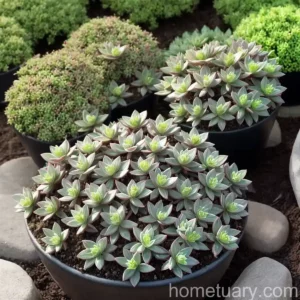
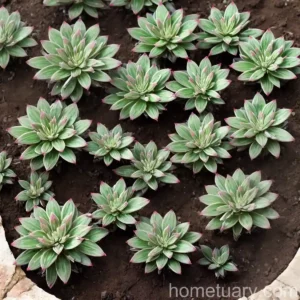
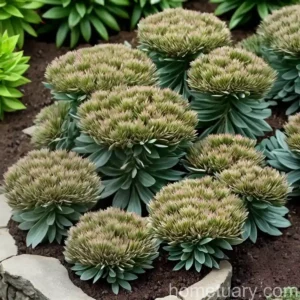
Hylotelephium ‘Chocolate Cherry’ is a variety of succulent plant that belongs to the family Crassulaceae. Formerly known as Sedum ‘Chocolate Cherry’, this plant was reclassified to the genus Hylotelephium in recent years. Stonecrops are generally robust, drought-tolerant plants that are commonly used as ground covers, border plants, or as part of rock gardens due to their ability to thrive in harsh environments and their attractive, fleshy, colorful leaves.
Key Takeaways – Hylotelephium ‘Chocolate Cherry’
Before delving into the specifics of caring for Hylotelephium ‘Chocolate Cherry’, it’s essential to understand some key takeaways about this intriguing plant:
- Scientific Name: Hylotelephium ‘Chocolate Cherry’ (formerly known as Sedum ‘Chocolate Cherry’)
- Common Names: Stonecrop succulent, Red stonecrop plant
- Cultivar: Chocolate Cherry
- Characteristics: Colorful foliage, drought-tolerant, ground cover plant
- Uses: Suitable for rock gardens, as border plants, and container gardening
- Maintenance: Low-maintenance plant with unique foliage colors
Now that we have a brief overview of the plant, let’s explore the various aspects of care and maintenance that are crucial for the healthy growth of Hylotelephium ‘Chocolate Cherry’.
Culture
Uses
Hylotelephium ‘Chocolate Cherry’ is a versatile plant with a variety of landscaping and gardening uses:
- Rock Gardens: Its low-growing, spreading nature makes it an ideal addition to rock gardens, where it can cover bare spaces between rocks and add color.
- Border Plant: Due to its attractive foliage and low maintenance requirements, it serves as an excellent border plant, creating a defined edge along garden beds.
- Container Gardening: The compact growth habit of ‘Chocolate Cherry’ makes it suitable for container gardening, adding a pop of color to outdoor spaces and patios.
Water
One of the most intriguing features of the Stonecrop succulent is its ability to thrive in dry, arid conditions. While it is drought-tolerant once established, regular watering is necessary during the initial stages and extended dry spells to ensure optimal growth. However, being succulents, they are susceptible to root rot if overwatered, making well-draining soil and occasional deep watering crucial for their well-being.
Sunlight
Proper sun exposure is vital for the healthy development of Hylotelephium ‘Chocolate Cherry’. These plants thrive in full sunlight and require at least 6 hours of direct sunlight each day for optimal growth and the expression of vibrant foliage colors. Inadequate sunlight may lead to elongated, leggy growth and less intense leaf coloration.
Fertilizer
Stonecrops, including ‘Chocolate Cherry’, are not heavy feeders and do well in relatively poor soil conditions. However, a well-balanced, controlled-release fertilizer applied in the spring can promote healthy growth and vibrant foliage colors. It is important to follow the recommended dilution rates to prevent fertilizer burn and adverse effects on the plant.
Soil
In terms of soil preferences, Hylotelephium ‘Chocolate Cherry’ thrives in well-draining, sandy or gravelly soils with a slightly acidic to neutral pH. These plants are not tolerant of water-logged soils and soggy conditions, as they are susceptible to rot. Therefore, ensuring proper drainage and using a cactus or succulent potting mix is essential for their overall health and vigor.
Pruning
Pruning plays a significant role in maintaining the compact, bushy growth habit of Hylotelephium ‘Chocolate Cherry’. As the plant matures, it is natural for the lower leaves to become shaded and eventually die off. Periodic pruning of dead or decaying foliage, along with the removal of spent flower stalks, can help maintain the plant’s aesthetic appeal and prevent disease or pest issues.
Propagation
Division
One of the most common methods of propagating Hylotelephium ‘Chocolate Cherry’ is through division. This process involves carefully digging up mature clumps of the plant and separating them into smaller sections, each with its roots and foliage. These divisions can then be planted in suitable locations or containers, where they will establish and grow into new plants.
Stem Cuttings
Another effective way to propagate Stonecrop succulents is through stem cuttings. This process involves taking healthy stem segments from the parent plant and allowing the cut ends to callus before planting them in a well-draining, moist rooting medium. With the right environmental conditions and proper care, these cuttings will develop roots and grow into new plants.
Container Popularity
The compact growth habit and vibrant foliage of Hylotelephium ‘Chocolate Cherry’ make it a popular choice for container gardening. Here are some reasons why this plant is well-suited for container cultivation:
- Aesthetic Appeal: The colorful foliage and low, spreading growth habit of ‘Chocolate Cherry’ can add visual interest to container arrangements and mixed planters.
- Space Limitation: For individuals with limited garden space, growing Stonecrop succulents in containers allows them to enjoy the beauty of these plants on patios, balconies, and window sills.
- Low Maintenance: Container-grown Stonecrop plants are relatively low-maintenance, requiring minimal care and attention while still offering vibrant foliage colors.
Common Diseases
While Stonecrop succulents are relatively resilient plants, they are not entirely immune to diseases. Understanding the common diseases that may affect Hylotelephium ‘Chocolate Cherry’ is crucial for early detection and effective management. Some common diseases include:
- Powdery Mildew: This fungal disease manifests as a white, powdery coating on the foliage, leading to a decline in plant health and vigor. It often occurs in humid conditions with poor air circulation.
- Root Rot: Overwatering and poorly-drained soil can lead to root rot, causing the plant to wilt, decay, and eventually die if not addressed promptly.
- Leaf Spot: Leaf spot diseases can affect the overall appearance of the plant, causing browning, yellowing, or dark spots on the foliage. These diseases are often exacerbated by excessive moisture and poor air circulation.
Disease Diagnosis
Early diagnosis of diseases is critical in preventing the spread and minimizing the impact on Hylotelephium ‘Chocolate Cherry’. Here are some key steps in diagnosing and addressing potential diseases:
- Observation: Regularly inspect the foliage, stems, and overall appearance of the plant for any signs of discoloration, unusual growth, or visible symptoms of disease.
- Research: Utilize reliable resources and guides to identify common plant diseases and compare the observed symptoms to those associated with specific ailments.
- Consultation: Seek advice from local horticulturists, plant experts, or extension services to obtain accurate diagnoses and recommended treatments for identified diseases.
Common Pests
In addition to diseases, Stonecrop succulents, including ‘Chocolate Cherry’, may also face pest pressure from various insects and arthropods. Some common pests that can affect these plants include:
- Aphids: These small, soft-bodied insects feed on plant sap and can cause distortion of new growth, yellowing leaves, and the development of sticky honeydew on the foliage.
- Mealybugs: Mealybugs are white, cottony insects that tend to cluster on the undersides of leaves and along stems, feeding on plant juices and causing stunted growth and wilting.
- Snails and Slugs: These mollusks can feed on the tender foliage of Stonecrop plants, leaving behind ragged, irregularly-shaped holes and causing aesthetic damage.
Botanist’s Tips
To ensure the optimal growth and well-being of Hylotelephium ‘Chocolate Cherry’, here are some expert tips and recommendations from botanists and plant scientists:
- Adequate Drainage: Always use well-draining soil and containers with drainage holes to prevent waterlogging and ensure healthy root development.
- Maintain Air Circulation: Proper spacing and adequate air circulation help reduce the risk of fungal diseases such as powdery mildew and support overall plant health.
- Partial Shade Protection: While Stonecrop plants thrive in full sunlight, providing some protection from intense afternoon sun in extremely hot climates can prevent leaf scorching and stress.
Fun Facts
- The name “Hylotelephium” is derived from the Greek words “hyle,” meaning woodland, and “telephium,” referring to a European succulent plant. This genus name reflects the natural habitat and growth habit of these plants.
- Stonecrop succulents, including ‘Chocolate Cherry’, are known for their resilience and ability to thrive in challenging environments, making them symbols of endurance and vitality in the plant kingdom.
Links to External Resources
For additional information, tips, and resources on caring for Stonecrop succulents, including Hylotelephium ‘Chocolate Cherry’, the following links can be valuable sources of knowledge:
- The Plant Lover’s Guide to Sedums
- The Royal Horticultural Society – Growing Sedums
- University of Illinois Extension – Sedum Plant Guide
- The American Horticultural Society Encyclopaedia of Plants and Flowers
In conclusion, Hylotelephium ‘Chocolate Cherry’, known for its vibrant foliage and low-maintenance nature, is a delightful addition to gardens, rockeries, and container arrangements. By understanding and implementing the essential care guidelines outlined in this article, gardeners and plant enthusiasts can foster the healthy growth and visual appeal of these fascinating succulent plants.
Remember, each plant has its unique personality and requirements, so observing and responding to the specific needs of Hylotelephium ‘Chocolate Cherry’ will ultimately lead to a flourishing and visually captivating garden setting. Happy gardening!
Markdown Note: This code should be saved as a .md file. For proper rendering of tables and bullet points, use a markdown previewer or open the file in a markdown editor.